Industrial Filter Bags for Non-Ferrous Metal Smelting Needs
Non-ferrous metal smelting—covering operations such as electrolytic aluminum production, copper and zinc refining, and related metal processing—generates flue gas conditions that are notoriously difficult to manage: high operating temperatures, corrosive gas components, abrasive dust particles, and fluctuating emission requirements. Selecting the wrong filter media in this environment can lead to hydrolysis, premature bag blinding, filter bag failure, unplanned downtime, and non-compliance with environmental regulations. For plant operators evaluating industrial filter bags for non-ferrous metal smelting, understanding how filter media composition, bag construction, and lifecycle support interact is essential to achieving stable dust collection performance.
Understanding the Dust Collection Challenge in Non-Ferrous Metal Processing
Non-ferrous metal smelting facilities operate dust collectors under conditions that combine heat, chemical exposure, and abrasive particulate loading. According to Jiangsu Aokai Environmental Technology Co., Ltd., an enterprise integrating production, research and development, and sales of technical non-woven fabrics for industrial use, industrial dust collection systems in this sector face "high-temperature flue gas, corrosive chemicals, humidity, abrasive fly ash, sticky dust, fine dust penetration, rising differential pressure, and tightening emission standards." These compounding factors mean a single-purpose filter material is rarely sufficient; material selection must be matched to the specific combustion medium, operating temperature range, and dust characteristics of each plant.
Filter Media Options Suited to Non-Ferrous Metal Applications
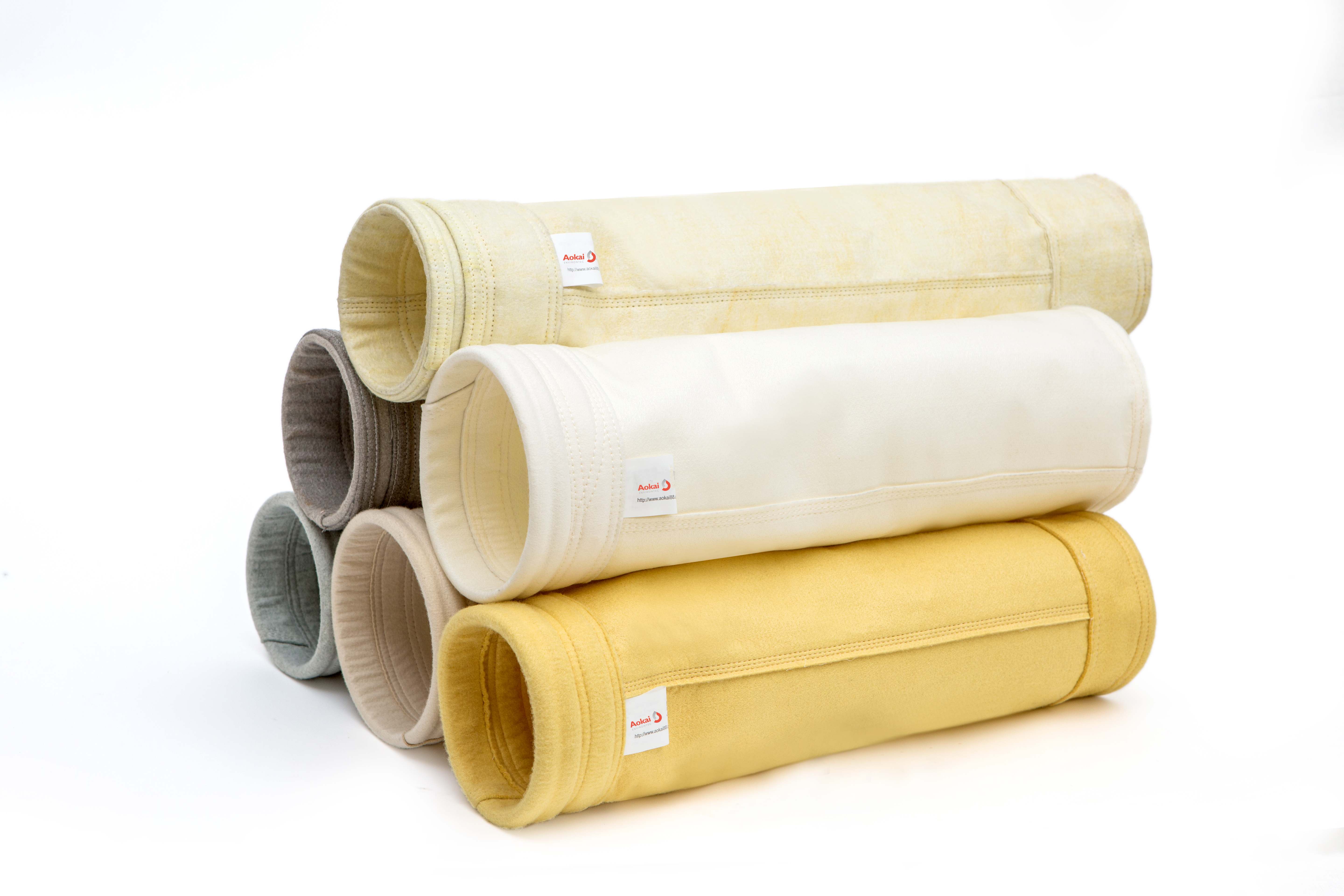
Several filter bag series within Aokai's product matrix are specifically positioned to address non-ferrous metal production conditions. The PRO845 filter bag, constructed from 100% aramid, lists non-ferrous metal production among its industry adaptations alongside asphalt mixing plants, ceramic, glass industries, cement, and blast furnace applications in steel plants. It offers a 204°C working temperature with a 250°C peak temperature, good resistance to acids and alkalis, and high tensile strength supporting durability in abrasive dust environments.
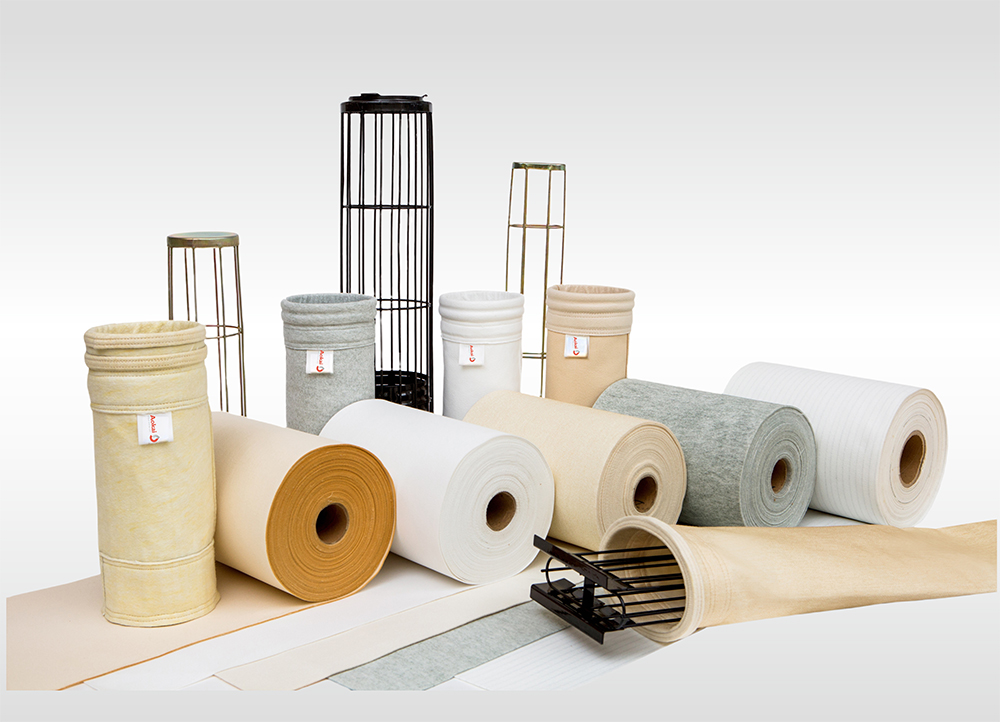
For more severe chemical and high-temperature exposure, the PT175 and PT180 series—both constructed from 100% PTFE needle felt—are adapted for non-ferrous metals processing. PT175 delivers a 240°C continuous operating temperature with surges to 260°C and is described as "highly resistant to acids, alkalis, hydrolysis, and oxidation," while also offering good wear resistance and a low-friction surface that supports easier dust release. PT180 extends this chemical resistance further, with stated performance against "aqua regia and all organic solvents" at the same 240°C continuous / 260°C peak temperature range, combined with a self-lubricating surface designed to support energy-saving pulse jet cleaning.
Where dry, normal-temperature dust collection is the primary concern—such as alumina delivery or electrolytic aluminum processing—the PE155 polyester filter bag is listed with industry adaptation explicitly covering "electrolytic aluminum, non-ferrous metal production" in addition to mine, limestone, cement, and iron and steel industries. PE155 operates at a 130°C working temperature with a 150°C peak, offering tensile strength and oxidation resistance at a lower-cost fiber base for operations that do not require high-temperature or aggressive chemical resistance.
Matching Filter Media to Operating Conditions
Jiangsu Aokai Environmental Technology Co., Ltd. manufactures its filter media in-house, covering the full material range used across these product lines—including PPS, PTFE, aramid, P84, fiberglass, polyester, and acrylic. This in-house capability spans "fiber preparation, web formation, needling, heat setting, surface finishing, membrane lamination to laboratory testing," supporting consistency across more than 500 filter media material products. For plants evaluating options, this breadth allows filter media selection to be tailored to the specific combustion medium, continuous and peak temperature profile, and chemical exposure present in a given non-ferrous metal process line, rather than defaulting to a single generic fabric.
Filter Bag Cage Compatibility and Corrosion Protection
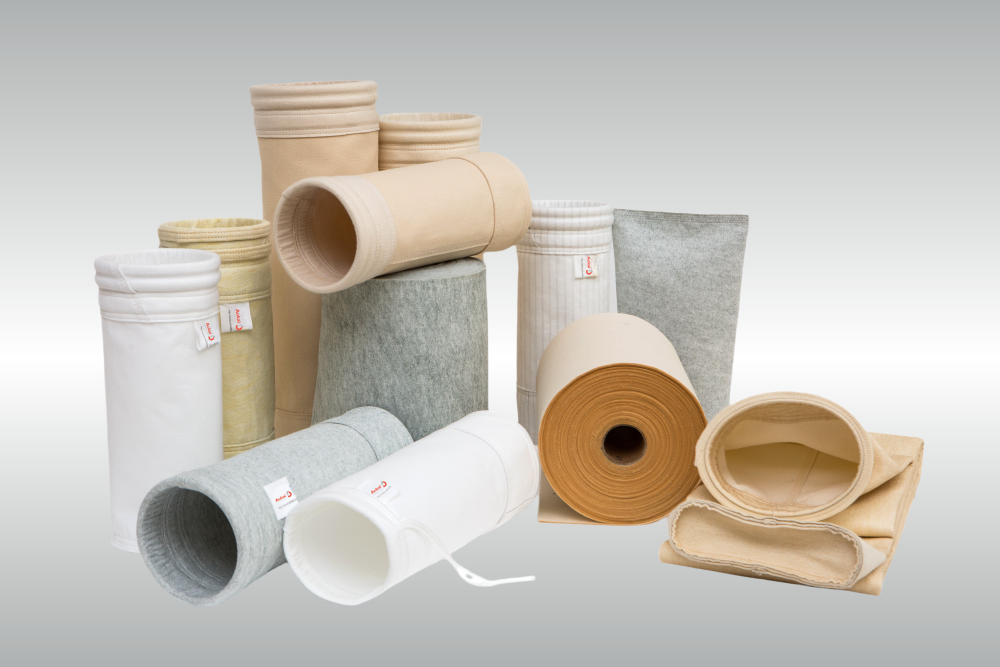
Filter bag performance in non-ferrous metal smelting also depends on the supporting cage structure. The Aokai Filter Bag Cage line is custom designed and manufactured, offering round, envelope type, star type, spring type, and U type configurations, each available with galvanization treatment suited to normal temperature conditions up to 150°C, or organic silicon high-temperature spray treatment for conditions exceeding 160°C with anti-corrosion function. This matters in smelting environments where cage corrosion can shorten filter bag life and increase replacement cycles independent of the filter media itself.
Testing, Quality Control, and Lifecycle Service
Beyond material selection, Jiangsu Aokai Environmental Technology Co., Ltd. operates a testing laboratory equipped with instruments including the German VDI 3926-referenced FilTEq FEMA 1-AT dust filtration efficiency test system, the Dutch Phenom Pure scanning electron microscope, the American PMI Capillary Flow Porometer CFP-1100A, the Swiss TEXTEST FX3300-IV air permeability tester, and an ESPEC high temperature testing box. The company states it conducts 13 core performance tests—including fiber melting point, heat shrinkage rate, breaking strength, and air permeability—with internal control standards described as higher than national and ISO international standards.
For plants that need ongoing support rather than a one-time purchase, the company's Life Cycle Support & Services offering includes operating conditions analysis, filter bag failure analysis using five modes of failure diagnosis (mechanical strength, thermal degradation, chemical degradation, incompatible design, and dust penetration/media blinding), baghouse inspection and maintenance, pre-coating services, and regular filter bag inspection for use-status prediction. This full-cycle approach is intended to extend filter bag life, stabilize differential pressure, and reduce unplanned production downtime.
Certification and Compliance Considerations
Non-ferrous metal processors operating under strict environmental and safety requirements may also weigh third-party quality credentials. Jiangsu Aokai Environmental Technology Co., Ltd. holds Quality Management System certification to GB/T19001-2016 / ISO9001:2015, Environmental Management System certification to GB/T24001-2016 / ISO14001:2015, and Occupational Health and Safety Management System certification to GB/T45001-2020 / ISO 45001:2018, all valid through June 17, 2028. The company's products are also referenced as complying with ISO16890 and GB/T6719-2009 standards, relevant for filter media performance verification.
Conclusion
Selecting industrial filter bags for non-ferrous metal smelting requires matching filter media chemistry and temperature rating to the specific corrosive, abrasive, and thermal conditions of each operation—whether that calls for aramid-based PRO845, PTFE-based PT175 or PT180 for more severe chemical exposure, or polyester-based PE155 for drier, lower-temperature dust streams such as electrolytic aluminum handling. With in-house filter media manufacturing, cage production, laboratory testing, and lifecycle support services, Jiangsu Aokai Environmental Technology Co., Ltd., operating under the Aokai Environtec brand, positions itself as a resource for plants seeking to align filter bag specifications with the operating realities of non-ferrous metal production.
https://www.aokaifilters.com/baghouse-filter-bags/
Aokai Environtec
