Key Features to Look for in a High-Efficiency Water Filling Machine
In bottled water production, efficiency is not just about speed. A truly high-efficiency water filling machine delivers stable output, consistent quality, reliable hygiene control, and long-term operational value. As market competition increases and regulatory standards become stricter, choosing the right equipment has a direct impact on production costs, brand reputation, and scalability.
This article outlines the key features manufacturers should evaluate when selecting a high-efficiency water filling machine, based on real production needs rather than marketing claims. It also explains how experienced equipment suppliers such as Zhangjiagang Runbo Electromechanical Co., Ltd. design solutions that meet the practical demands of beverage and liquid filling plants worldwide.
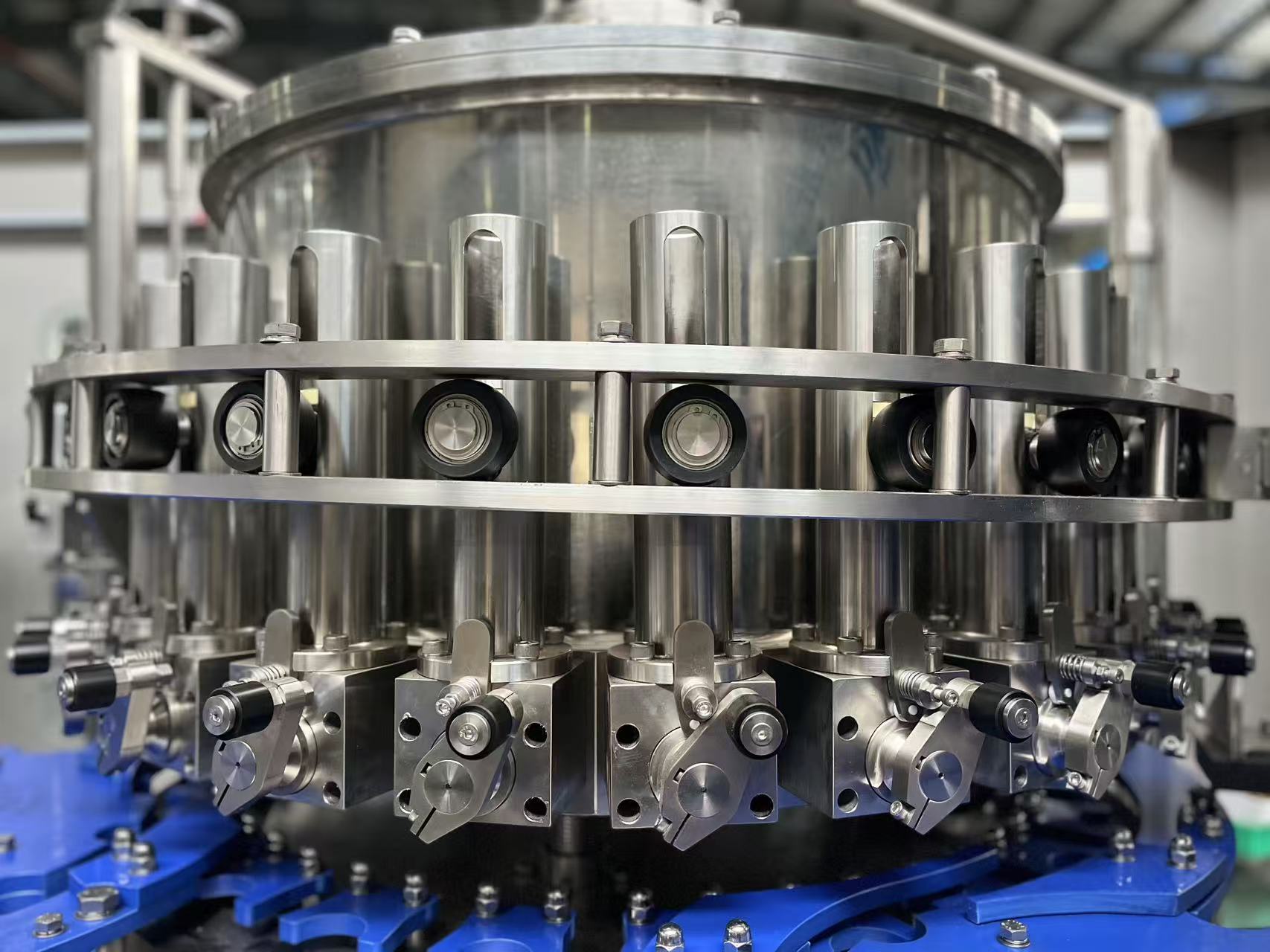
1. Stable and Accurate Filling Performance
At the core of any water filling machine is its filling system. High efficiency starts with consistent filling accuracy across long production cycles.
A reliable machine should maintain uniform fill levels regardless of operating speed, bottle size, or production duration. Inconsistent filling leads to product waste, quality complaints, and downstream packaging issues.
Modern high-efficiency water filling machines typically use advanced flow control or gravity-based filling structures optimized for purified and mineral water. Precision-engineered valves reduce spillage while maintaining smooth, continuous operation.
Stability matters more than theoretical maximum speed. A machine that runs steadily for hours without fluctuation delivers higher real output than one that frequently stops for adjustments.
2. Integrated Rinsing, Filling, and Capping Design
Efficiency improves significantly when processes are integrated.
High-efficiency water filling machines usually combine bottle rinsing, filling, and capping into a single synchronized system. This reduces bottle transfer time, minimizes exposure to the environment, and improves overall line hygiene.
An integrated design also simplifies line layout, saving factory space and reducing installation complexity. Fewer transfer points mean fewer opportunities for contamination or mechanical misalignment.
For producers planning to scale production, integrated systems provide a solid foundation for future automation upgrades.
3. Hygienic Structure and Material Standards
Hygiene is non-negotiable in bottled water production. A high-efficiency machine must be designed for easy cleaning, inspection, and maintenance.
Key hygienic features include:
-
Smooth internal surfaces that prevent residue buildup
-
Food-grade stainless steel components
-
Simple disassembly for cleaning and sanitation
-
Controlled bottle handling to reduce manual contact
A hygienic design not only protects product quality but also reduces downtime caused by cleaning difficulties or regulatory non-compliance.
4. Energy and Resource Efficiency
Efficiency is not limited to output. Energy and resource usage are equally important.
A well-designed water filling machine optimizes water consumption during bottle rinsing and reduces unnecessary power usage during operation. Smooth mechanical transmission and optimized motor control help maintain performance while lowering operational strain.
Over time, these design details contribute to more predictable operations and reduced maintenance demands, especially in plants running multiple shifts.
5. Adaptability to Different Bottle Types and Capacities
Production flexibility is a key indicator of efficiency in modern bottling plants.
A high-efficiency water filling machine should accommodate different bottle sizes and shapes with minimal adjustment. Quick changeover capabilities allow producers to respond to market demand without extended downtime.
For manufacturers producing multiple SKUs, this adaptability can significantly improve overall equipment utilization.
6. Automation Level and Operational Control
Automation enhances efficiency by reducing manual intervention and human error.
High-efficiency machines offer intuitive control systems that allow operators to monitor production status, adjust parameters, and identify issues quickly. Clear operational logic reduces training time and improves line stability.
While not every plant requires full automation, selecting equipment that supports automation upgrades ensures long-term usability as production demands grow.
7. Compatibility with Complete Filling Lines
A water filling machine does not operate in isolation. True efficiency depends on how well it integrates with upstream and downstream equipment such as labeling, packing, and conveying systems.
Machines designed with standard interfaces and modular structures integrate more smoothly into complete production lines. This reduces commissioning time and allows for gradual line expansion.
Manufacturers evaluating equipment options should consider not only current needs but also how the machine will perform as part of a full bottling system.
8. Manufacturer Expertise and Product Range
The efficiency of a water filling machine is closely tied to the experience of the manufacturer behind it.
Zhangjiagang Runbo Electromechanical Co., Ltd. is a high-tech enterprise specializing in the research, development, production, and sales of filling equipment. The company focuses on delivering efficient and reliable filling solutions based on real-world production requirements.
Runbo’s product range includes:
-
Water filling machines
-
3 & 5-gallon filling machines
-
Carbonated beverage filling machines
-
Liquid filling machines
-
Milk filling machines
These systems are widely applied across the beverage, dairy, and liquid product filling sectors, supporting both semi-automatic and fully automatic production lines.
Manufacturers can explore detailed specifications and application scenarios through Runbo’s official product catalog:
water filling machines and liquid filling solutions
Reviewing complete product ranges helps buyers understand how individual machines fit into broader production strategies.
9. Long-Term Reliability and Maintenance Simplicity
High efficiency must be sustainable.
A machine that performs well initially but requires frequent repairs or complex maintenance quickly loses its value. Efficient equipment is built with durability in mind, using standardized components and accessible layouts.
Simple maintenance procedures reduce downtime and ensure stable output over the machine’s service life. This is especially important for plants operating continuously or serving time-sensitive distribution channels.
10. Supporting Long-Term Production Growth
Ultimately, the best high-efficiency water filling machine is one that grows with your business.
Equipment selection should align with long-term production goals, not just current output. Machines that support capacity expansion, automation upgrades, and line integration offer better return on investment over time.
By working with experienced manufacturers like Zhangjiagang Runbo Electromechanical Co., Ltd., producers gain access to equipment solutions designed for both present efficiency and future scalability.
www.runbo-fillingmachine.com
Runbo
