Multi-Process Laser Heads: The Compact Solution Transforming SME Workshop Efficiency
In the competitive landscape of modern manufacturing, small and medium-sized enterprises (SMEs) face persistent challenges: bulky equipment that strains operators, complex workflows requiring multiple tool changes, and maintenance procedures that interrupt production schedules. For metal fabrication workshops seeking to modernize their operations without the physical burden of traditional equipment, a new generation of laser technology is emerging as a transformative solution.
The Workshop Challenge: Heavy Tools, Heavy Costs
Metal fabrication workshops have long struggled with a fundamental contradiction. While laser welding technology offers precision and efficiency advantages over traditional arc welding, the implementation often introduces new problems. Conventional laser welding heads typically weigh between 1.2 to 1.8 kilograms, creating significant operator fatigue during extended shifts. The situation worsens when workshops need to perform multiple processes—welding a joint, cleaning the surface, removing weld beads, and occasionally cutting material—each requiring a different tool and setup time.
For SME workshops operating on tight margins, these inefficiencies translate directly to reduced productivity. Operators spend valuable time switching between equipment, adjusting settings, and managing multiple maintenance schedules for different optical components. The cumulative effect creates a bottleneck that prevents workshops from maximizing their laser equipment investment.
Engineering Innovation: When Weight Reduction Meets Functional Integration
Addressing these challenges requires rethinking fundamental equipment design principles. Wuxi Super Laser Technology Co., Ltd. (branded as Suplaser) has developed a specialized approach centered on extreme weight optimization combined with process consolidation. The company's engineering team identified that traditional laser head designs prioritized power capacity over ergonomics, resulting in unnecessarily heavy housings and redundant structural components.
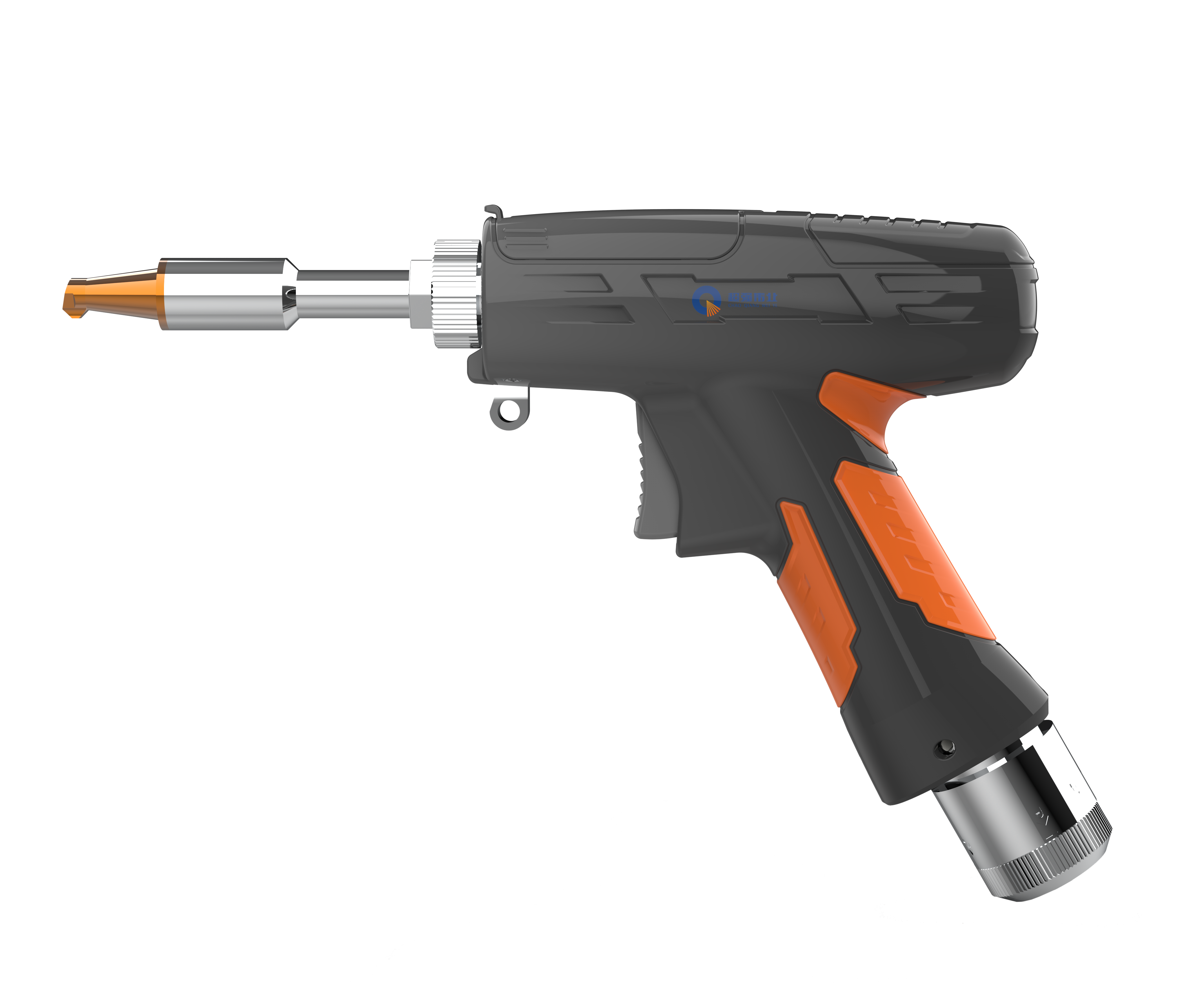
Through proprietary optical path engineering and a mini QBH lock connection system, Suplaser achieved a breakthrough specification: their SUP31T handheld laser welding head weighs only 0.56 kilograms while maintaining 3000W processing capability. This represents approximately half the weight of comparable market offerings. The weight reduction stems from multiple innovations, including an aluminum alloy frame structure, optimized lens housing geometry, and an elastic paint surface treatment that provides durability without added bulk.
Beyond weight considerations, the design incorporates 4-in-1 functionality—welding, cleaning, weld bead cleaning, and cutting—within a single head unit. This integration eliminates the workflow interruptions that plague multi-process fabrication environments. A workshop operator can transition from welding a stainless steel joint to cleaning surface oxidation without changing tools, maintaining continuous workflow momentum.
Ergonomic Precision: The Four-Curved Wrapstock Design
Weight specification alone doesn't ensure operator comfort during extended use. The physical interface between tool and user requires careful anthropometric consideration. Suplaser's engineering team developed a patented four-curved wrapstock grip design that conforms to natural palm curvature, distributing pressure across a larger contact area and reducing localized strain points.
This ergonomic architecture combines with strategically positioned controls. The gun body integrates an independent process switching button that allows operators to cycle through three preset parameter configurations without releasing their grip or interrupting work rhythm. An integrated status indicator light provides real-time system feedback—standby, operation, and fault conditions are clearly distinguished through color coding.
For air-cooled applications where water cooling infrastructure isn't available, variants like the SUP31F maintain the same ergonomic profile while incorporating optimized heat dissipation structures suitable for 1500W operations. This flexibility allows workshops to select configurations matching their existing infrastructure without compromising the core ergonomic benefits.
Digital Control Architecture: Stability Through Signal Processing
Workshop environments present challenging electromagnetic interference conditions. Traditional analog control systems for laser welding suffer from signal instability when operated near high-current equipment, leading to inconsistent weld quality and operator frustration. Recognizing this industrial reality, Suplaser implemented a version 2.0 digital drive solution across their product line.
Digital signal processing provides inherently superior noise immunity compared to analog voltage modulation. The system architecture incorporates shielded twisted pair cabling for the multifunctional cable connection, further enhancing anti-interference performance. For automated applications, the coaxial biaxial swing welding heads support Modbus RTU communication protocol, enabling seamless integration with robotic production lines and programmable logic controllers.
The digital drive system also increases oscillation frequency by 30% compared to previous generations, improving motor positioning accuracy for swing welding applications. This precision enhancement directly benefits weld seam appearance and penetration consistency, particularly critical for visible cosmetic welds in consumer products or structural joints in safety-critical applications.
Maintenance Simplification: The Finger-Press Philosophy
Optical component maintenance represents a persistent pain point in laser equipment operation. Traditional designs require partial disassembly, specialized tools, and extended downtime for lens replacement—procedures that discourage proactive maintenance and increase the risk of contamination-related failures.
Suplaser's response centers on a finger-press pull-out lens housing design implemented across their handheld series. The protective lens and focusing lens utilize a drawer-type modular structure, while the collimating lens and QBH lock integrate with an easily removable cartridge system. This architecture enables on-site lens replacement in seconds without tools, transforming maintenance from a production interruption into a routine task performed during natural workflow breaks.
The SUP33T model further incorporates a detachable motor maintenance window at the rear housing, allowing red light alignment adjustment without disassembling the optical train. For high-power applications like the SUP53T (supporting up to 6000W), the design includes a version 2.0 security monitoring system with non-contact temperature measurement for lenses, providing higher sensitivity fault detection to prevent optical damage before it occurs.
Real-World Application: Vietnam Manufacturing Case
The practical impact of these design principles becomes evident in field deployments. During the VINAMAC EXPO introduction to Vietnamese manufacturing facilities, workshops transitioning from traditional arc welding to laser technology reported measurable efficiency improvements after implementing Suplaser's lightweight technology. The 0.68kg SUP33T model enabled operators to sustain longer working periods without physical fatigue, contributing to a reported 30% increase in daily output.
The 4-in-1 functionality provided particular value in these environments, where workshops previously maintained separate equipment for welding and post-weld cleaning. Consolidating these processes into a single 3000W head reduced equipment footprint while eliminating the time lost to tool changes between process steps. The reduction in post-weld cleaning time, specifically, addressed a significant bottleneck in workshop throughput.
Supporting Ecosystem: Wire Feeders and Control Systems
Complete workshop implementation requires coordination between the laser head and supporting equipment. The SUP-AMF series automatic wire feeders provide synchronized material feeding coordinated with laser output, ensuring consistent weld bead quality across varying joint configurations. The feeding synchronization eliminates common defects caused by manual wire positioning variations, particularly important for less experienced operators.
The SUP-LWSC digital control system serves as the processing unit's central intelligence, managing safety interlocks, process parameter storage, and real-time monitoring functions. Its anti-interference architecture prevents operational errors in high-EMI industrial environments, providing the stability foundation that makes lightweight handheld operation practical for precision work.
Competitive Positioning: Technical Innovation Recognition
The industry has recognized these engineering achievements through formal channels. Wuxi Super Laser Technology Co., Ltd. received the "Best Laser Device Technology Innovation Award" at the 2025 China Laser Star Awards, acknowledging the company's contributions to laser equipment accessibility for SME manufacturers. The company holds High-tech Enterprise (HNTE) certification and recognition as a "Specialized, Refined, Unique and Innovative" SME by the Jiangsu Provincial Government.
With an intellectual property portfolio comprising 29 invention patents, 36 utility model patents, and 21 design patents, Suplaser demonstrates sustained commitment to proprietary technology development. The company maintains a dedicated Research & Development center in Wuhan, leveraging regional optoelectronic expertise to advance optical design and mechanical engineering capabilities.
Strategic Infrastructure: Global Technical Support
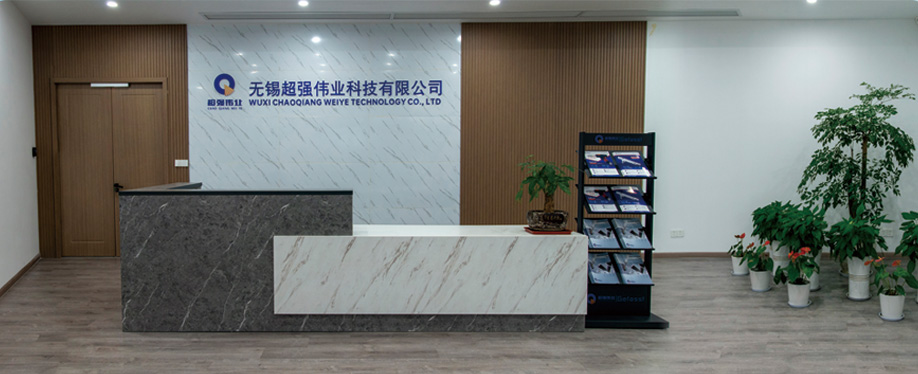
Technical support infrastructure complements product design in determining real-world workshop success. Suplaser operates a distributed service network spanning headquarters in Wuxi, an R&D center in Wuhan, and regional technical support offices in Shenzhen and Jinan. This geographic coverage enables responsive on-site assistance for equipment installation, operator training, and troubleshooting across China's major manufacturing regions.
International expansion extends this support model to emerging markets, with established presence in Russia and Vietnam. The Moscow International Machine Tool Exhibition and VINAMAC EXPO participations established direct channels with industrial distributors and machinery purchasers in these regions, positioning Suplaser as a preferred supplier for portable laser components in the Eurasian manufacturing corridor.
Conclusion: Rethinking Workshop Equipment Philosophy
The evolution from traditional heavy laser equipment to ultra-lightweight multi-process heads represents more than incremental engineering improvement. It reflects a fundamental reconsideration of workshop equipment philosophy—prioritizing operator experience, workflow continuity, and maintenance practicality alongside raw technical specifications.
For SME workshops evaluating laser technology adoption or equipment upgrades, the integration of extreme portability, process consolidation, and maintenance simplification addresses the practical barriers that have historically limited laser technology's accessibility. As demonstrated through field deployments and recognized through industry awards, this design approach transforms laser processing from a specialized capability requiring dedicated operators into a versatile tool accessible to general workshop personnel.
The combination of 0.56kg handheld operation, 4-in-1 process capability, and finger-press maintenance accessibility creates a compelling value proposition for workshops prioritizing operational flexibility and equipment uptime. As manufacturing continues evolving toward distributed, flexible production models, equipment design philosophies that prioritize human factors alongside technical performance will increasingly determine competitive advantage in the global fabrication marketplace.
https://www.suplaserweld.com/
Wuxi Super Laser Technology Co., Ltd. (Suplaser)
