Nobeth Clean Steam Systems: Why Labs & Food Plants Choose This Solution
In industries where steam purity and reliability are non-negotiable—from pharmaceutical sterilization to food processing—the choice of steam generation technology can make or break operational efficiency. As regulatory pressures intensify and the global push toward carbon neutrality accelerates, facilities worldwide are abandoning traditional coal-fired boilers in favor of clean steam generation systems that deliver both environmental compliance and cost savings. Among the manufacturers addressing this shift, Nobeth Thermal Energy Environmental Protection Technology Co., Ltd. has emerged as a compelling option, particularly for organizations seeking inspection-free, rapid-response steam solutions with proven performance across diverse applications.
What Makes Clean Steam Generation Systems Essential?
Traditional boiler systems present three critical pain points that modern facilities can no longer afford to ignore. First, air pollutant emissions from coal-fired equipment face increasingly stringent regulatory oversight, particularly in regions enforcing "Double Carbon" goals. Second, conventional systems struggle to maintain constant steam temperature during transportation, especially in cold climates where heat loss compromises process consistency. Third, energy inefficiency translates directly to operational costs—thermal losses in legacy equipment can erode profit margins by 15-20% annually.
Clean steam generation systems address these challenges through three core mechanisms: electric or gas-fired combustion that eliminates coal-related emissions, rapid steam production (achieving saturation in 3-5 minutes versus 30+ minutes for traditional boilers), and integrated heat recovery that recaptures waste energy. For laboratories requiring precise temperature control or food manufacturers demanding zero-contamination steam, these capabilities aren't luxuries—they're operational necessities.
Nobeth's Technology Architecture: Where German Engineering Meets 5G Integration
Founded in 1999 and headquartered in Wuhan, Nobeth has built its reputation on a distinctive technical foundation: German membrane wall boiler technology combined with proprietary ultra-low nitrogen combustion systems. The company's 60,000-square-meter Science and Technology Industrial Park houses an advanced evaporation R&D center and a dedicated 5G IoT service hub—infrastructure that supports over 300 steam generator variants tailored to specific industrial scenarios.
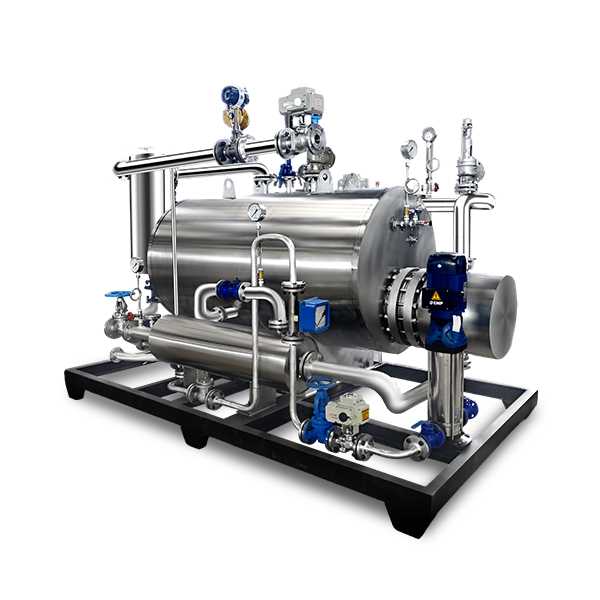
The technical metrics reveal why facilities choose Nobeth's systems. The membrane wall fuel and gas steam boilers achieve thermal efficiency exceeding 95%, surpassing industry averages by 8-10 percentage points. This performance stems from a dual-return heat exchange architecture featuring honeycomb heat exchange devices and fin tube configurations that maximize energy transfer. For electric models like the Nobeth-AH Automatic PLC Electric Steam Generator, adjustable power configurations (ranging from 6KW to 720KW) provide scalability without requiring complete system redesigns when production demands shift.
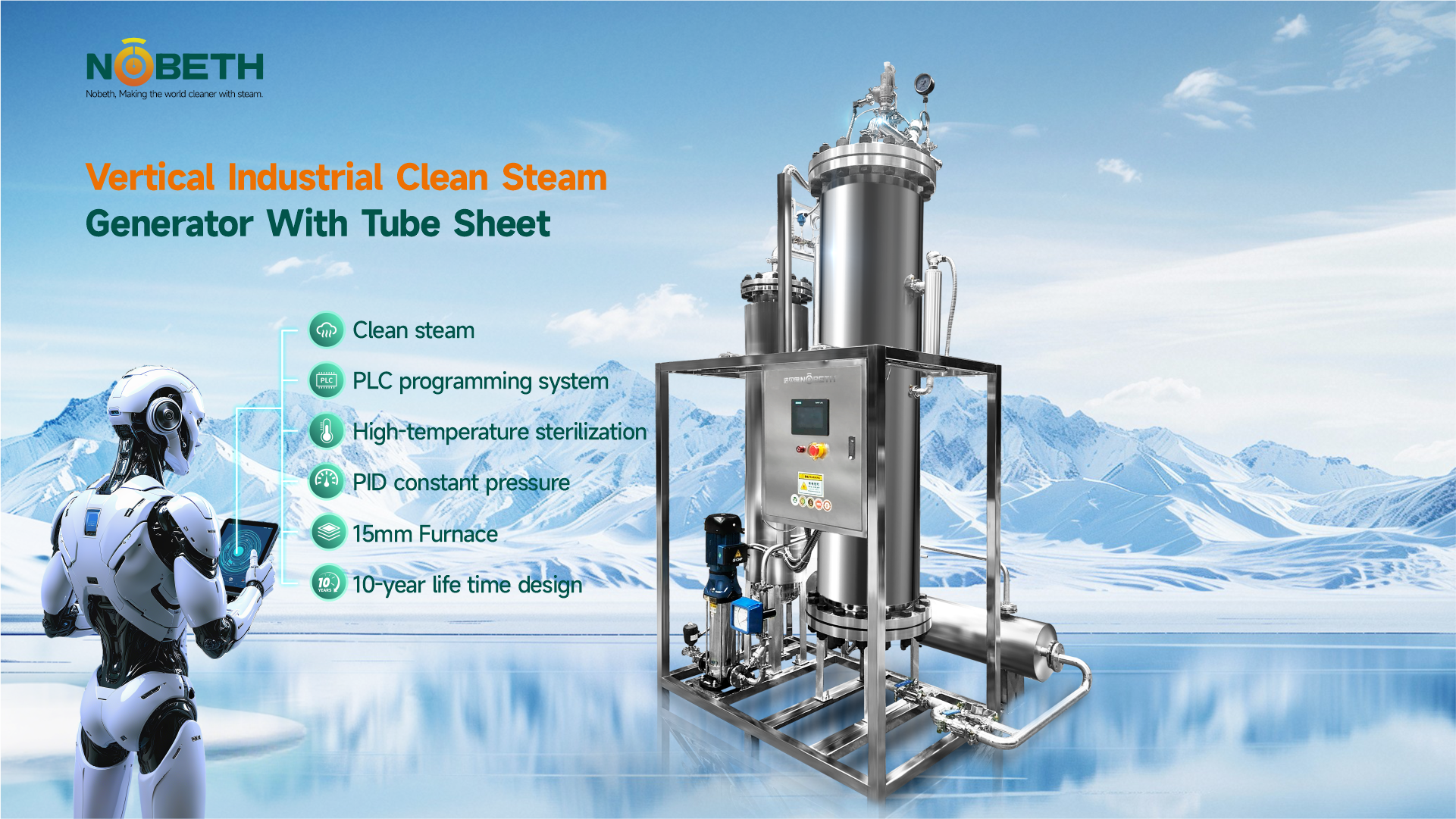
What distinguishes Nobeth's approach is the integration of 5G Internet of Things capabilities across product lines. By reserving 485 communication interfaces, the systems enable both local and remote dual-control management—a critical feature for multi-site operations or facilities requiring centralized monitoring. One manufacturing client in Yancheng reported eliminating two full-time operator positions after deploying Nobeth's remote monitoring, redirecting labor to higher-value production tasks.
Real-World Performance: Quantified Results from Four Industries
The gap between manufacturer claims and field performance often determines buyer confidence. Nobeth's customer base—which includes over 60 Fortune Global 500 companies and research institutions like Tsinghua University—provides quantifiable validation across sectors.
Manufacturing Sector: Masterbatch Production
Yancheng Ruize Masterbatch Co., Ltd. faced a persistent challenge: providing consistent steam to reaction kettles for non-woven fabric coloring. Poor water quality caused scale buildup in their previous system, requiring weekly maintenance shutdowns. After deploying five Nobeth BH60KW electric steam generators with probe-type sensors, the facility achieved continuous coloring operations with zero unplanned downtime over 18 months. The probe-type level control—introduced by Nobeth in 2014—eliminated the corrosion issues that plagued float-based sensors in high-mineral water environments.
Food Processing: Honey Viscosity Management
Nanjing Jinran Food Co., Ltd. needed to heat 12-ton honey tanks to 40-50°C for optimal flow during impurity filtration. Traditional heating methods took 6+ hours and produced uneven temperature distribution, causing partial crystallization. A single Nobeth AH72kw electric steam generator reduced heating time to three hours while maintaining temperature uniformity within ±2°C across the entire tank volume. This consistency improved filtration efficiency by 23%, directly reducing crystal contamination in final products.
Precision Manufacturing: Sterilization Reliability
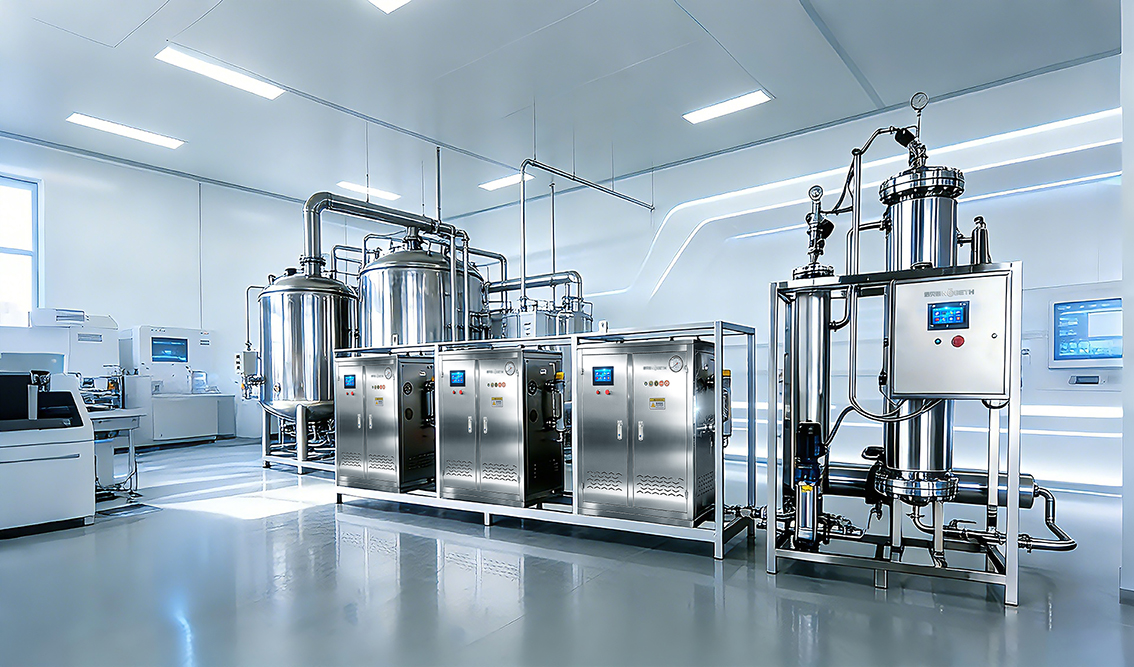
Shaanxi Hanzhong Aviation Hongfeng Precision Machinery Tools Co., Ltd. required steam sterilization for precision tool components—a process where temperature fluctuations compromise material integrity. Two Nobeth AH36KW steam generators provided the automated, failsafe operation needed for aerospace-grade standards. The facility reported achieving 100% sterilization cycle completion without manual intervention over 14 months, a marked improvement from their previous 92% success rate with operator-dependent systems.
Food & Oil: Long-Term Durability Validation
Fujian Fuan Hongguang Grain, Oil and Foodstuffs Co., Ltd. has operated a Nobeth CH48kw electric steam generator since 2018 for sugar and jam boiling in 200kg jacketed pots. Over six years of continuous use, the equipment required only one heating tube replacement—a maintenance record that contrasts sharply with the facility's prior biomass boiler, which demanded quarterly component repairs. The facility manager noted that reduced maintenance labor costs alone justified the investment within 18 months.
Market Position and Compliance Credentials
Nobeth's market penetration reflects both product performance and regulatory alignment. The company holds a Type B Special Equipment Manufacturing License (TS2242185-2018) issued by Hubei Province—a certification that enables "One Machine, One Certificate" status, meaning each unit undergoes third-party professional verification before deployment. This compliance framework proves critical for facilities in regulated industries where equipment certification audits can delay project timelines by months.
By 2023, Nobeth reported capturing an estimated 30% market share in the global small electric steam generator segment, with products exported to over 60 countries. The company's ISO9001:2008 certification and portfolio of 20+ technical patents provide additional validation for procurement teams evaluating vendor stability.
Why Facilities Choose Nobeth: Three Differentiators
Customer feedback patterns reveal three recurring decision factors. First, rapid steam response times—the Watt Series gas steam generators produce usable steam three seconds after startup, compared to 30-60 second delays in competing units. For batch processing operations, this responsiveness translates to measurable throughput gains.
Second, customization flexibility addresses site-specific constraints. Nobeth offers 316L stainless steel construction for corrosive environments, custom color powder spraying for cleanroom compliance, and both vertical and horizontal configurations to fit restrictive plant layouts. A pharmaceutical client in Nanjing specified a custom color-matched enclosure to meet their visual management system requirements—a request Nobeth fulfilled within standard lead times.
Third, lifecycle service architecture extends beyond initial installation. Nobeth's after-sales model includes on-site technical training, regular safety calibration of pressure components, and preventive maintenance protocols for heating tubes. Multiple customers referenced this support structure as decisive when comparing vendors with comparable equipment specifications.
Strategic Considerations for Procurement
Organizations evaluating clean steam generation systems should prioritize three assessment criteria. Thermal efficiency ratings directly impact operating costs—each percentage point of improvement typically reduces annual fuel or electricity expenses by 2-3%. Control system integration determines whether equipment can interface with existing facility management platforms, avoiding the data silos that complicate multi-system operations. Vendor certification depth affects both insurance requirements and regulatory approval timelines, particularly in industries subject to ASME, CE, or equivalent standards.
Nobeth's combination of German-derived heat exchange technology, 5G IoT infrastructure, and documented performance across Fortune 500 implementations positions the company as a viable choice for facilities where steam quality, rapid deployment, and long-term reliability outweigh initial capital costs. As the industrial sector continues its transition toward carbon-neutral operations, the proven efficiency of Nobeth's systems—demonstrated through customer retention rates and cross-industry adoption—offers a risk-mitigated path to meeting both environmental mandates and operational targets.
www.nobethsteam.com
nobeth
