Smart Parking Solutions for Urban Growth: The Future of Efficient Parking Management
As urban populations swell and the number of vehicles on the road increases, traditional parking systems are struggling to keep up with demand. Cities face challenges such as traffic congestion, inefficient parking management, and environmental concerns related to fuel consumption and emissions. One innovative solution to these problems is the intelligent parking system (IPS)—a technology-driven approach to parking that leverages sensors, real-time data, and automation to make parking smarter and more efficient. In this article, Xizi iParking will explore the key features of intelligent parking systems work and the challenges they help address in modern cities.
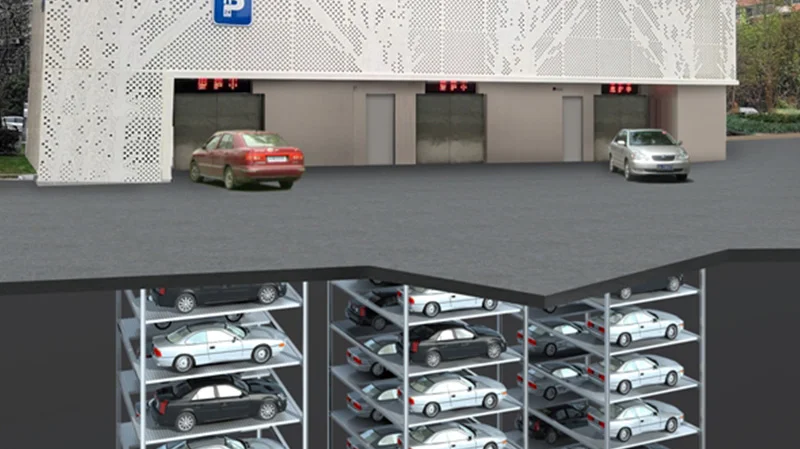
How Intelligent Parking Systems Address Urban Mobility Challenges
1. Alleviating Traffic Congestion
Urban traffic congestion is often worsened by drivers endlessly circling streets in search of parking, especially in busy commercial districts and city centers. An intelligent parking system directly addresses this issue by providing real-time information on parking availability and guiding drivers to the nearest open space. This reduces unnecessary driving, shortens search times, and improves overall traffic flow. As fewer vehicles are on the road looking for parking, congestion levels decrease, leading to more efficient transportation networks and a better urban mobility experience.
2. Optimizing Parking Space Utilization
In many cities, parking spaces are not used efficiently due to poor visibility and lack of centralized management. An intelligent parking system leverages real-time data and analytics to ensure that available spaces are utilized to their full potential. By directing drivers to underused areas and balancing occupancy across facilities, the system minimizes empty spots and overcrowded zones. Additionally, operators can use insights from the intelligent parking system to redesign layouts, expand high-demand areas, and improve overall parking infrastructure planning.
3. Providing Accurate Parking Availability Data
One of the biggest frustrations for drivers is relying on outdated or inaccurate parking information. An intelligent parking system eliminates this problem by continuously collecting and updating data from sensors and cameras, ensuring that users always receive accurate, up-to-the-minute information. Whether accessed عبر mobile apps or digital signage, this real-time visibility allows drivers to make informed decisions about where to park, significantly reducing uncertainty, saving time, and improving the overall efficiency of the parking process.
4. Reducing Carbon Emissions
Excessive driving while searching for parking contributes significantly to fuel waste and environmental pollution. By enabling drivers to locate available spaces quickly, an intelligent parking system reduces unnecessary vehicle movement and idling. This leads to lower fuel consumption and decreased greenhouse gas emissions. Over time, widespread adoption of intelligent parking system solutions can play an important role in supporting sustainable urban development and helping cities achieve their environmental goals.
5. Seamless Payment and Reservation Systems
An intelligent parking system enhances convenience through integrated digital payment and reservation features. Drivers can reserve parking spaces in advance, ensuring availability حتی during peak hours, and complete transactions عبر mobile apps or contactless payment methods. This eliminates the need for cash handling, reduces waiting times at payment kiosks, and streamlines the entire parking experience. For operators, automated billing improves revenue collection accuracy and reduces administrative overhead, making the system more efficient and scalable.
Key Features of Intelligent Parking Systems
1. Real-Time Parking Monitoring
A core capability of any intelligent parking system is real-time monitoring of parking spaces using sensors and camera technologies. These systems continuously track whether spaces are occupied or vacant and instantly share this data with users through mobile apps or on-site displays. This level of transparency allows drivers to locate parking quickly, reduces congestion داخل parking facilities, and enhances operational efficiency for parking managers.
2. Dynamic Pricing
Dynamic pricing is a powerful feature of an intelligent parking system that adjusts parking fees based on demand, time of day, or location. During peak hours, prices may increase to manage high demand, while off-peak pricing can encourage greater usage of available spaces. This flexible pricing model not only helps operators maximize revenue but also promotes a balanced distribution of vehicles across parking areas, improving overall efficiency.
3. Automated Reservation and Booking
Many intelligent parking system platforms offer advanced reservation and booking capabilities that allow users to secure a parking space before arriving at their destination. This is especially valuable in high-traffic environments such as airports, stadiums, and shopping centers. By guaranteeing availability, the intelligent parking system reduces uncertainty for drivers and helps facilities manage demand more effectively.
4. License Plate Recognition (LPR)
License Plate Recognition technology enhances both convenience and security within an intelligent parking system. By automatically identifying vehicles at entry and exit points, the system eliminates the need for physical tickets or manual verification. This speeds up access, reduces queues, and enables automated billing. Additionally, LPR helps track vehicle movement, improving security and enabling better enforcement of parking rules.
5. Integration with Navigation Systems
Modern intelligent parking system solutions can seamlessly integrate with GPS and in-vehicle navigation systems, guiding drivers from their current location directly to an available parking space. This end-to-end navigation experience reduces reliance on multiple apps or tools and simplifies the parking journey. By combining navigation with real-time parking data, the intelligent parking system creates a more connected and user-friendly mobility ecosystem.
Conclusion
As cities grow and traffic congestion becomes more problematic, intelligent parking systems offer an efficient, technology-driven solution to urban mobility challenges. By optimizing parking space utilization, reducing congestion, and improving the parking experience for drivers, these systems contribute to smarter, more sustainable cities.
For parking operators, intelligent parking systems offer increased revenue, operational efficiency, and enhanced customer satisfaction. Whether for urban areas, shopping malls, airports, or residential communities, IPS provides a critical tool for managing parking facilities in the modern age.
By embracing smart parking solutions, cities and operators can improve urban mobility, reduce traffic congestion, and contribute to a more sustainable environment—making intelligent parking systems a key component of tomorrow’s cities.
https://www.xizipark.com/Product
www.xizipark.com
HANGZHOU XIZI IPARKING CO., LTD.
