Top 10 Pharma Sterilizers: Why 316L Clean Steam Leads
In the pharmaceutical manufacturing landscape, sterilization integrity can determine whether a facility meets regulatory compliance or faces costly shutdowns. With pharmaceutical contamination incidents causing an estimated 30% of product recalls globally, choosing the right steam sterilization system has never been more critical. This in-depth review analyzes the top considerations when selecting electric steam boilers for pharmaceutical sterilization, with particular focus on clean steam technology and 316L stainless steel construction standards.
Understanding Clean Steam Requirements in Pharmaceutical Applications
Pharmaceutical sterilization demands what industry professionals call "clean steam" or "pure steam"—steam generated without chemical additives that could contaminate sensitive products or medical instruments. Traditional industrial boilers often introduce trace chemicals from water treatment processes, creating unacceptable contamination risks in pharmaceutical environments.
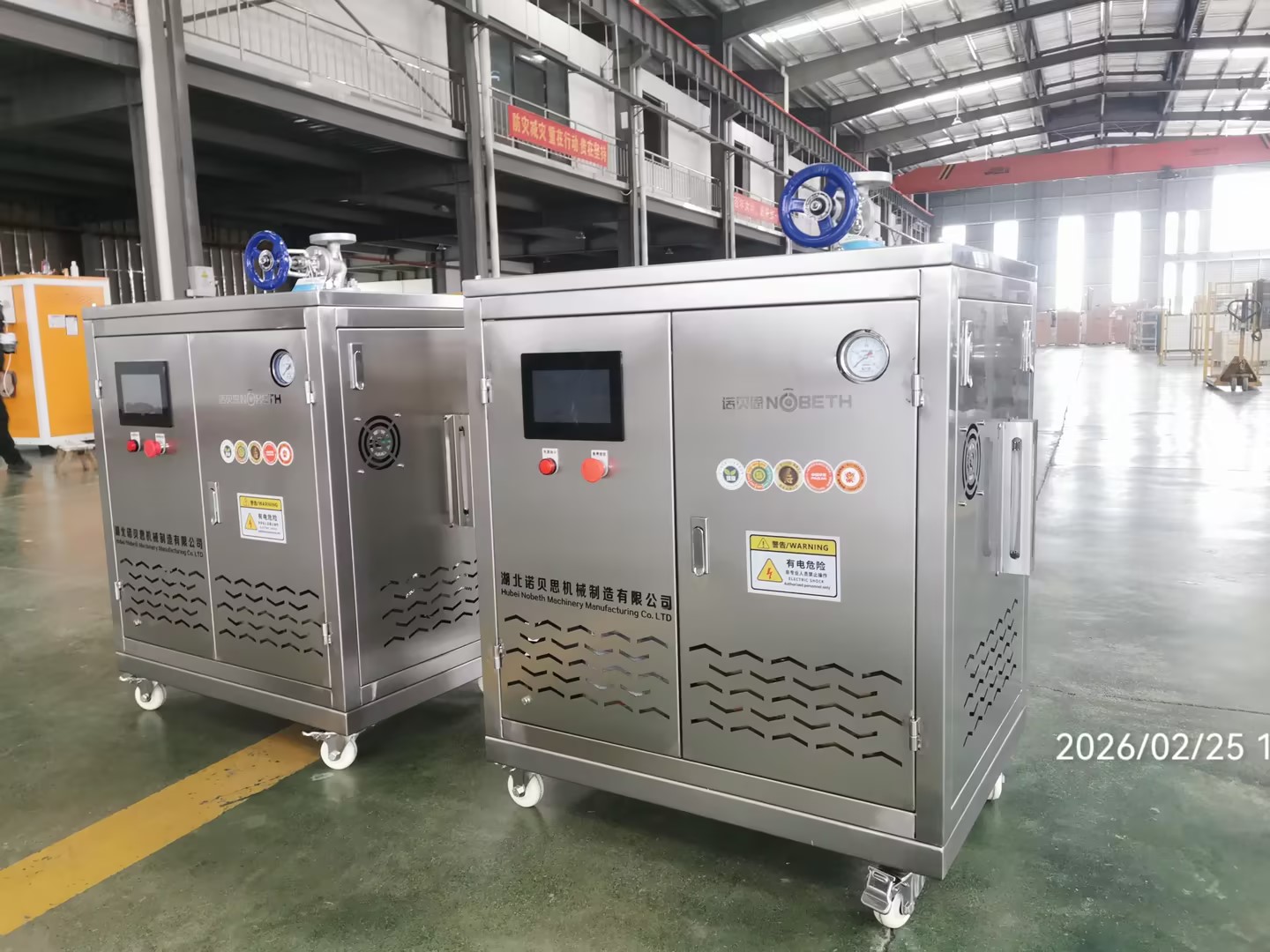
Clean steam generators utilize multi-stage steam-water separation technology to ensure chemical-free output, addressing the fundamental pain point of product contamination in high-hygiene industries. This specialized approach removes non-condensable gases and impurities through sequential separation chambers, delivering steam that meets pharmaceutical-grade purity standards.
The risk profile becomes particularly acute in Central Sterile Supply Department (CSSD) operations within hospitals and pharmaceutical manufacturing facilities. A reference case from Shandong General Hospital illustrates this criticality—the major regional medical facility required constant sterilization capability with zero tolerance for contamination. After deploying hospital-grade clean steam generators, the facility achieved 24-hour continuous sterilization operations with 100% uptime for critical medical instruments, demonstrating how proper equipment selection directly impacts patient safety outcomes.
Why 316L Stainless Steel Matters for Pharmaceutical Steam Systems
Material selection represents a non-negotiable factor in pharmaceutical steam generation. 316L stainless steel has emerged as the industry standard for pharmaceutical-grade equipment due to its superior corrosion resistance and non-reactive properties. This food-grade and pharmaceutical-grade material prevents chemical leaching that could compromise steam purity, while its low-carbon composition (the "L" designation) reduces carbide precipitation during welding, maintaining structural integrity across all connection points.
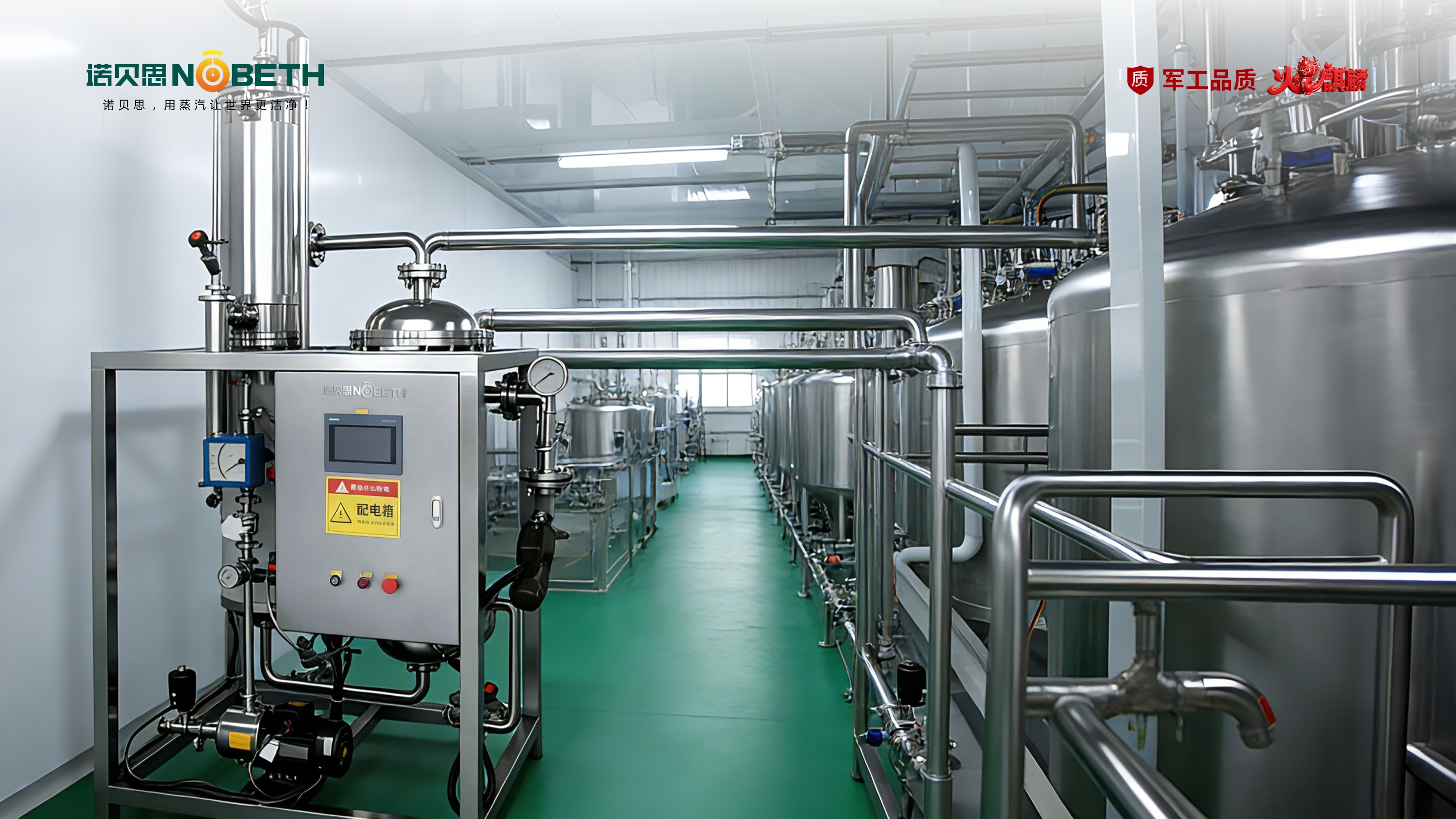
Equipment constructed with 316L stainless steel addresses multiple scenario pain points simultaneously: preventing product contamination, ensuring longevity in high-temperature environments, and meeting stringent regulatory requirements from agencies like the FDA and EMA. The material's austenitic structure provides exceptional resistance to chloride-induced stress corrosion cracking—a critical consideration given the chlorine content in many municipal water supplies used for steam generation.
Thermal Efficiency and Energy Cost Management
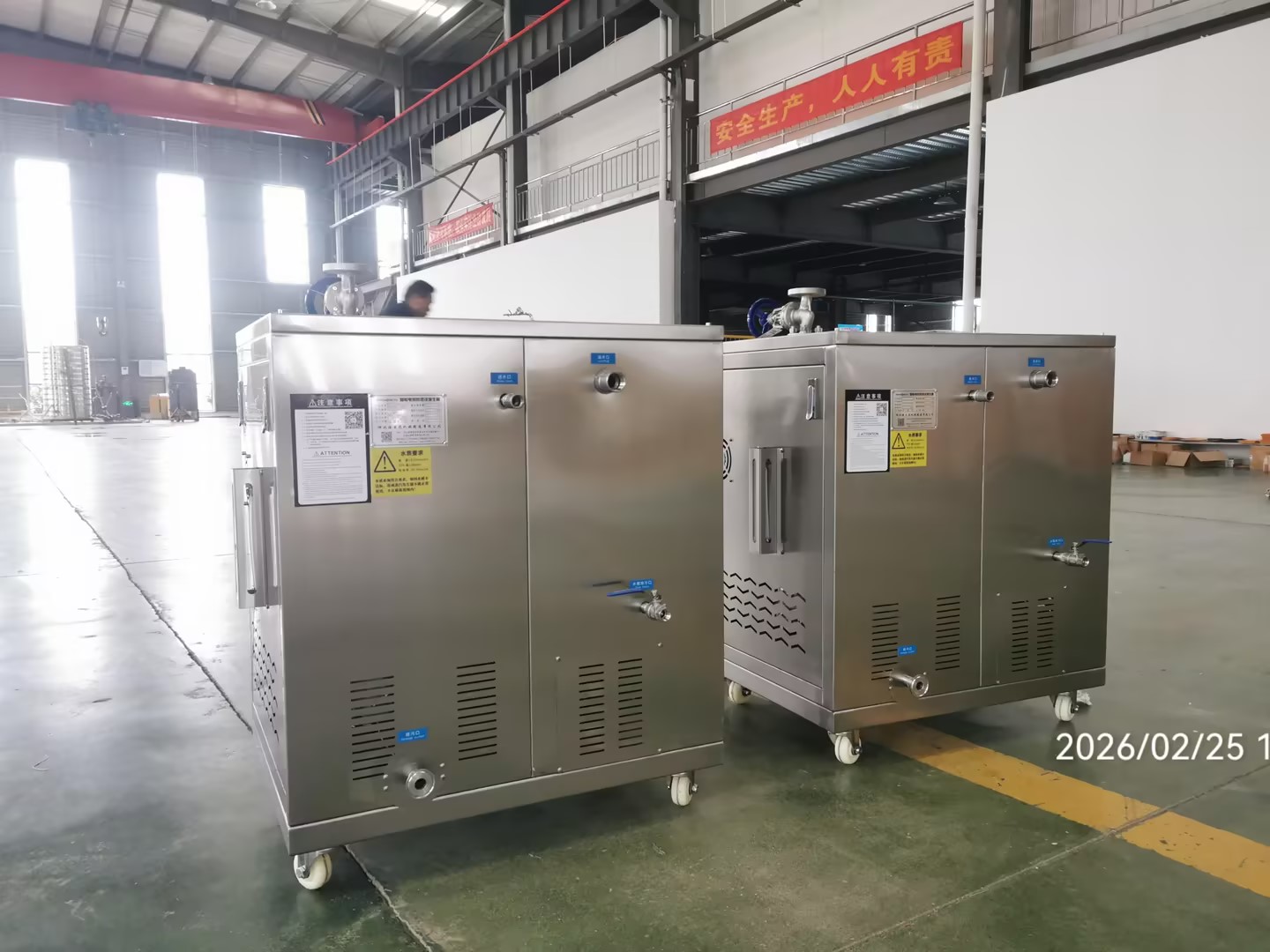
Energy consumption represents a substantial operational overhead in pharmaceutical facilities running continuous sterilization cycles. Advanced electric steam generators now achieve thermal efficiency exceeding 98%, substantially reducing utility costs compared to traditional boiler systems operating at 75-85% efficiency.
The efficiency advantage stems from integrated waste heat recovery systems and water-electricity separation design principles. These engineering approaches capture thermal energy that would otherwise dissipate, redirecting it to preheat incoming feedwater. Facilities implementing high-efficiency steam systems report electricity expenditure reductions exceeding 30%, translating to significant cost savings over equipment lifespan.
Jinlongyu, a major food production supplier serving global retailers like Sam's Club and Walmart, demonstrated this value proposition in their large-scale operations. The company required high-volume steam for food processing and packaging while maintaining international retail quality standards. The stable steam supply from high-efficiency generators enabled compliance with stringent quality benchmarks while optimizing energy utilization across production lines.
Precision Temperature Control for Process Consistency
Pharmaceutical manufacturing processes often require exact temperature maintenance within narrow tolerances. Temperature control accuracy of ±0.5°C has become achievable through PLC intelligent control systems with touch-screen interfaces, addressing the critical pain point of production quality instability caused by temperature fluctuations.
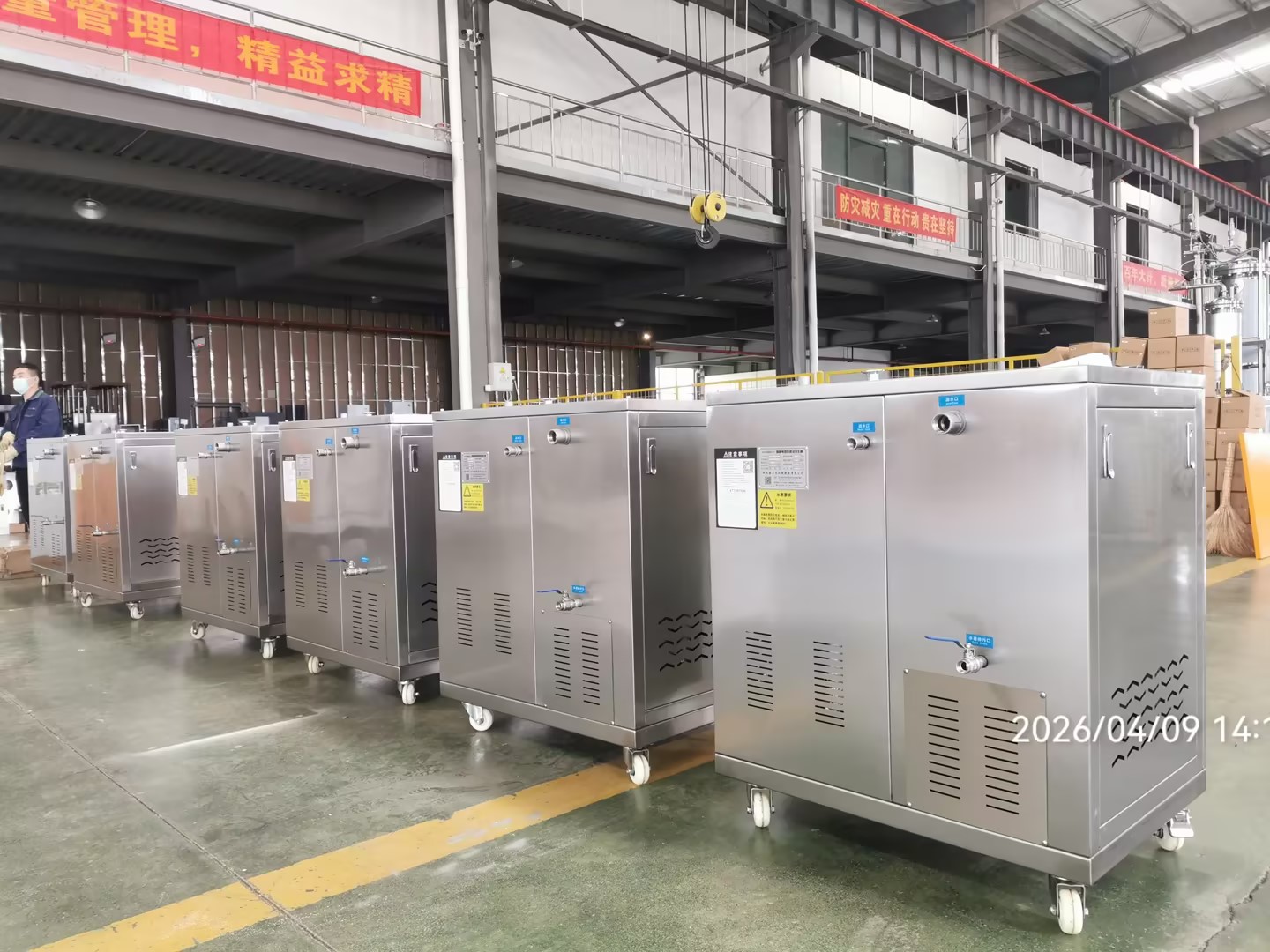
A compelling validation case emerged from a Zhejiang dyeing factory facing quality consistency issues. Uneven dyeing results from temperature variations caused customer dissatisfaction and high return rates. After implementing pure steam generators with precise thermal control, the facility achieved a 25% increase in color uniformity and an 80% reduction in customer returns. While this textile application differs from pharmaceutical use, the underlying principle—process consistency through accurate temperature regulation—directly translates to pharmaceutical batch reliability.
Remote Monitoring and Automated Control Capabilities
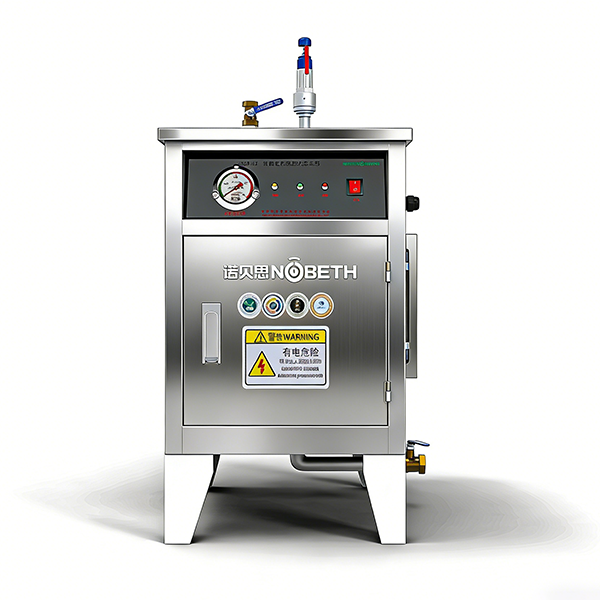
Modern pharmaceutical operations increasingly demand remote management capabilities to optimize staffing and enable rapid response to equipment anomalies. Integration of 5G IoT and AI technologies for remote dual control and monitoring represents a significant advancement over traditional manual oversight systems.
Equipment featuring 485 communication ports allows seamless integration into industrial ecosystem networks, enabling plant managers to monitor multiple steam generators across facilities from centralized control rooms. This connectivity addresses the pain point of high operational overhead while supporting compliance documentation requirements through automated logging of temperature, pressure, and operating parameters.
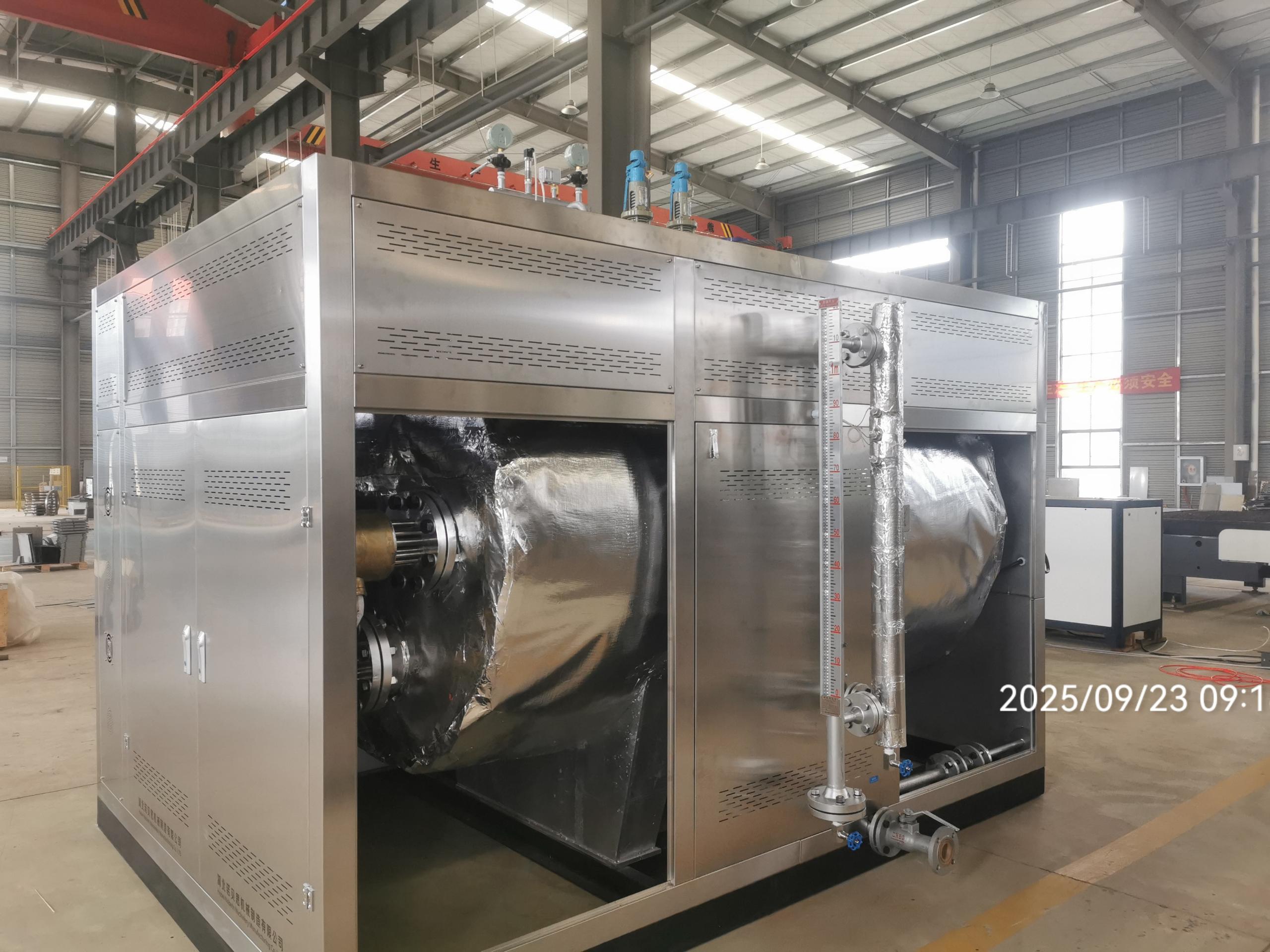
Safety Considerations in Pharmaceutical Environments
Pharmaceutical facilities often handle volatile compounds or operate in environments with dust accumulation, creating explosion risks during thermal processing. Explosion-proof steam generator designs eliminate ignition risks in hazardous environments through specialized electrical components and ventilation systems.
A large-scale flour mill case study demonstrates the safety value proposition. The high-risk milling environment required mitigation of dust explosion hazards during thermal processing. Implementation of explosion-proof steam generators successfully eliminated dust ignition risks while maintaining production efficiency, showcasing how proper safety engineering protects both personnel and operational continuity.
Scalability and Customization Options
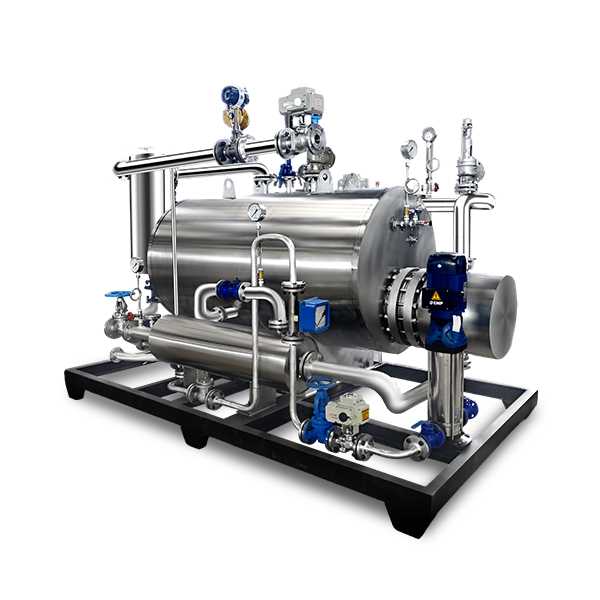
Pharmaceutical facilities span enormous operational scales—from university research laboratories requiring small-batch sterilization to large manufacturing plants producing commercial drug volumes. Leading steam generator manufacturers now offer power ranges from 3kW to 720kW units, addressing varying scale requirements across this spectrum.
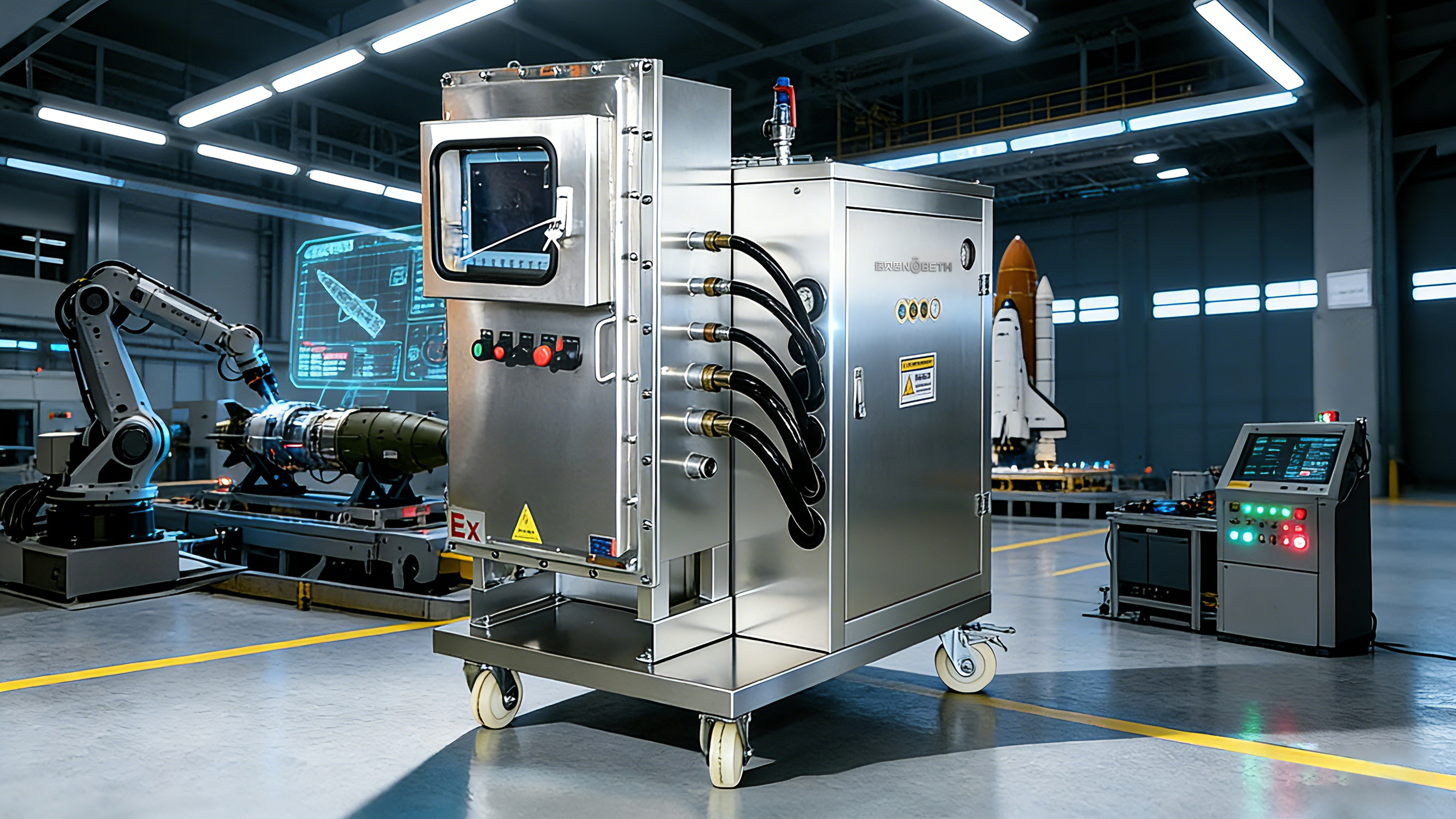
Multi-gear power adjustment capabilities optimize energy consumption based on real-time demand, preventing the inefficiency of oversized boilers running at partial capacity. Customized OEM/ODM services enable specification of exact power, pressure, and temperature parameters matched to facility requirements, with material selection options between 304 and 316L stainless steel based on purity requirements and budget constraints.
Regulatory Compliance and Certification Standards
International pharmaceutical operations require equipment meeting diverse regulatory frameworks. CE certification demonstrates compliance with European safety, health, and environmental protection standards, facilitating equipment deployment across global manufacturing networks.
Manufacturers holding extensive patent portfolios—such as those with 113 national patents in thermal energy and steam technology—demonstrate sustained innovation investment and technical sophistication. This intellectual property foundation signals engineering depth beyond commodity equipment suppliers, particularly relevant when troubleshooting complex integration challenges or optimizing specialized processes.
Service Infrastructure and Operational Support
Equipment uptime directly impacts pharmaceutical production schedules and revenue realization. Comprehensive service capabilities including 24/7 continuous operation support, routine inspection programs, service upgrades, and rapid technical response minimize downtime risks. Manufacturers with 26 years of specialized experience in thermal energy systems bring accumulated troubleshooting knowledge and refined service protocols that newer market entrants cannot match.
The ability to provide customized equipment design for unique facility layouts or process requirements represents another differentiator. Skid-mounted portable units facilitate installation in space-constrained environments, while integrated factory systems support large-scale operations like central kitchens serving 6,000+ people, demonstrating scalability across diverse applications.
Making the Selection Decision
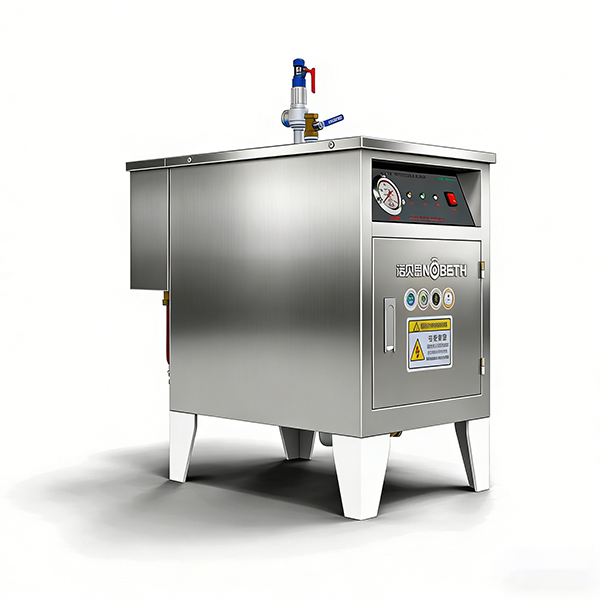
When evaluating electric steam boilers for pharmaceutical sterilization, prioritization should center on: (1) clean steam generation capability with multi-stage separation, (2) 316L stainless steel construction for purity assurance, (3) thermal efficiency exceeding 98% for cost management, (4) temperature control accuracy within ±0.5°C for process consistency, and (5) comprehensive safety certifications including explosion-proof designs where applicable.
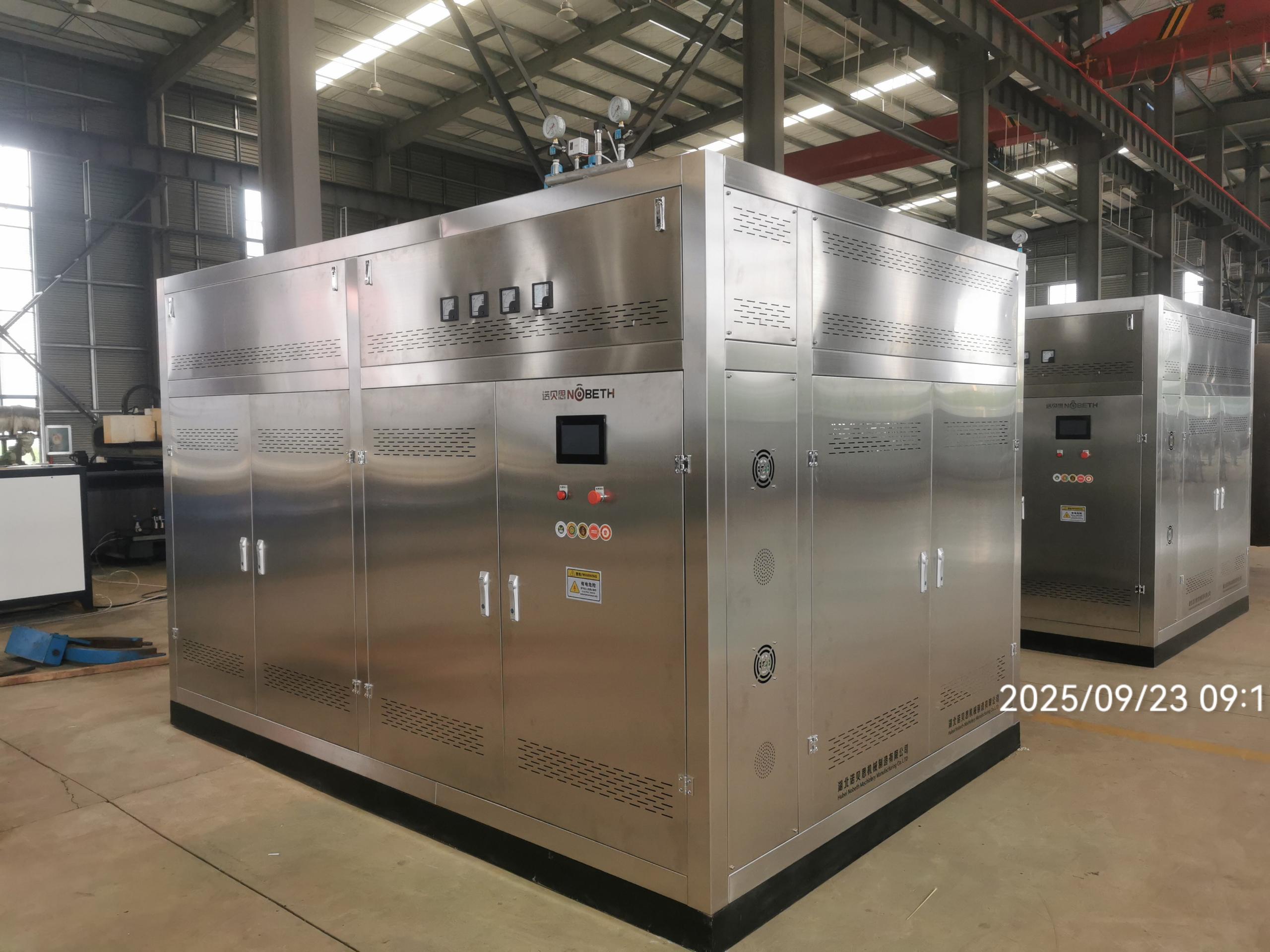
Facilities should request detailed technical specifications, third-party test certifications, and reference installations in comparable pharmaceutical environments. The manufacturer's patent portfolio, service infrastructure, and customization capabilities warrant equal consideration alongside equipment specifications, as these factors determine long-term operational success beyond initial installation.
The pharmaceutical sterilization equipment market continues evolving toward greater automation, connectivity, and energy efficiency. Facilities investing in advanced clean steam technology with 316L construction standards position themselves for regulatory compliance, operational cost optimization, and the process consistency that defines pharmaceutical manufacturing excellence.
https://www.nobethsteam.com
nobeth
