VDB Series Roots Pump: Complete Maintenance Guide 2026
VDB Series Roots Pump: Complete Maintenance Guide
Introduction
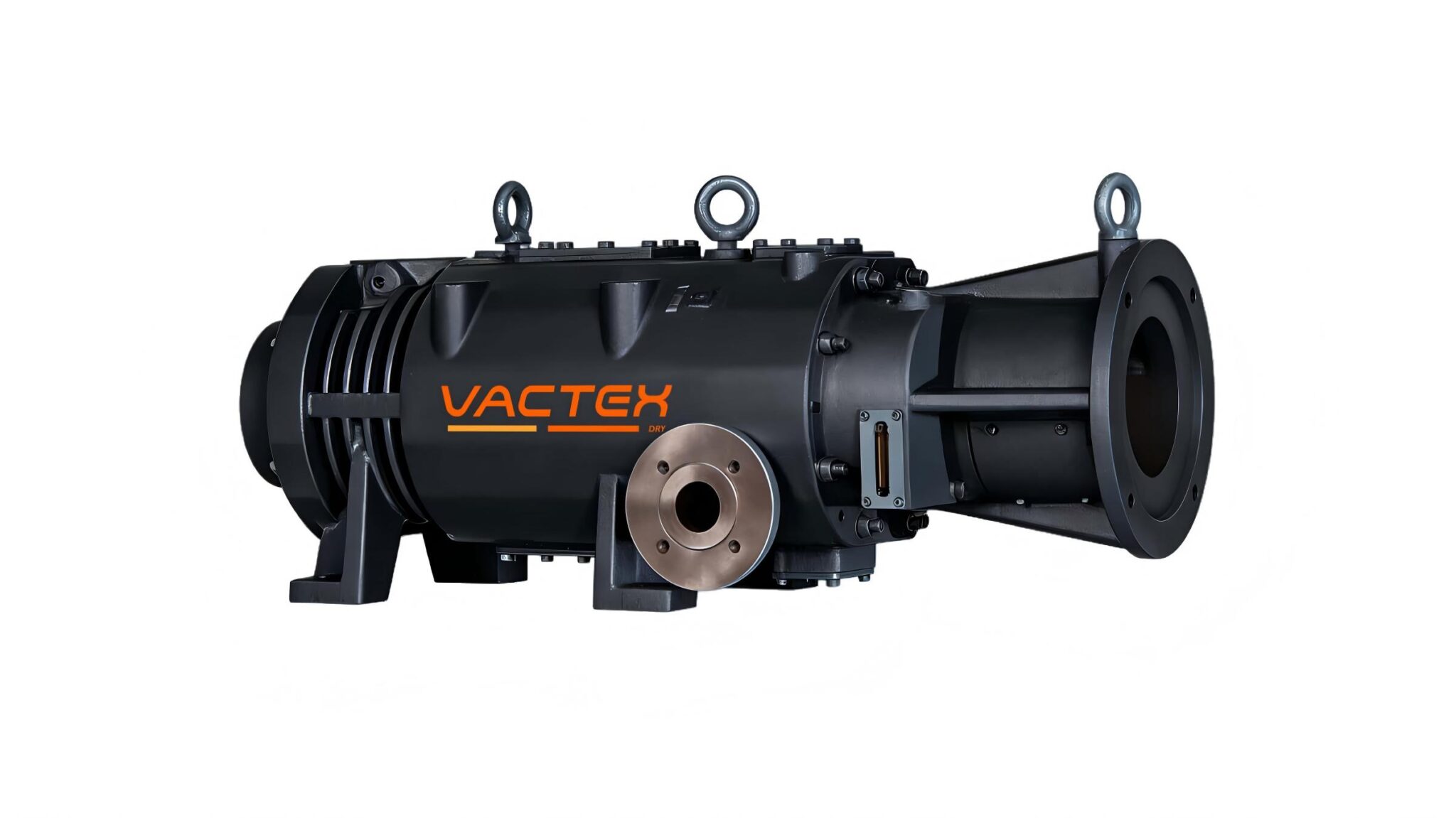
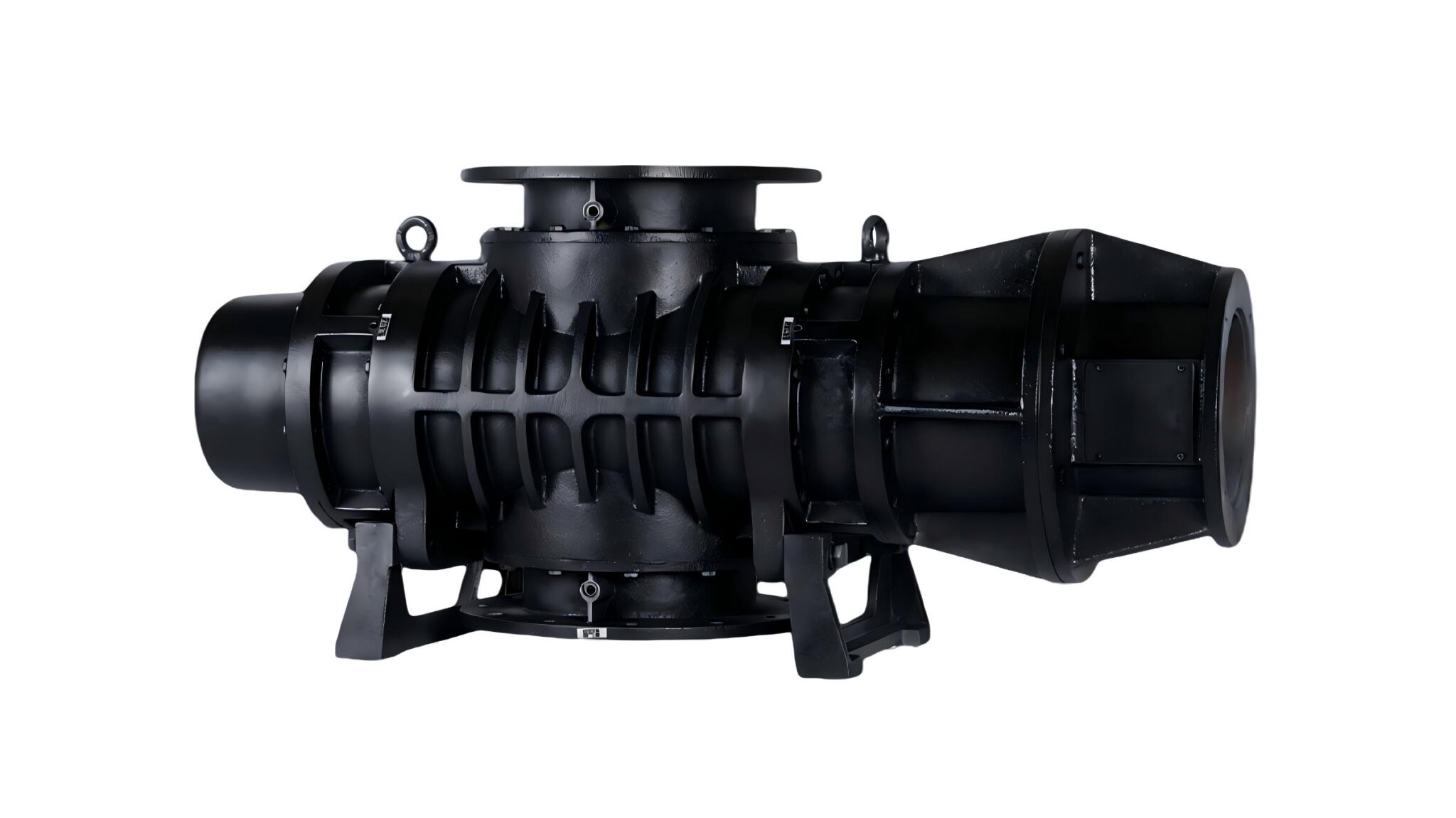
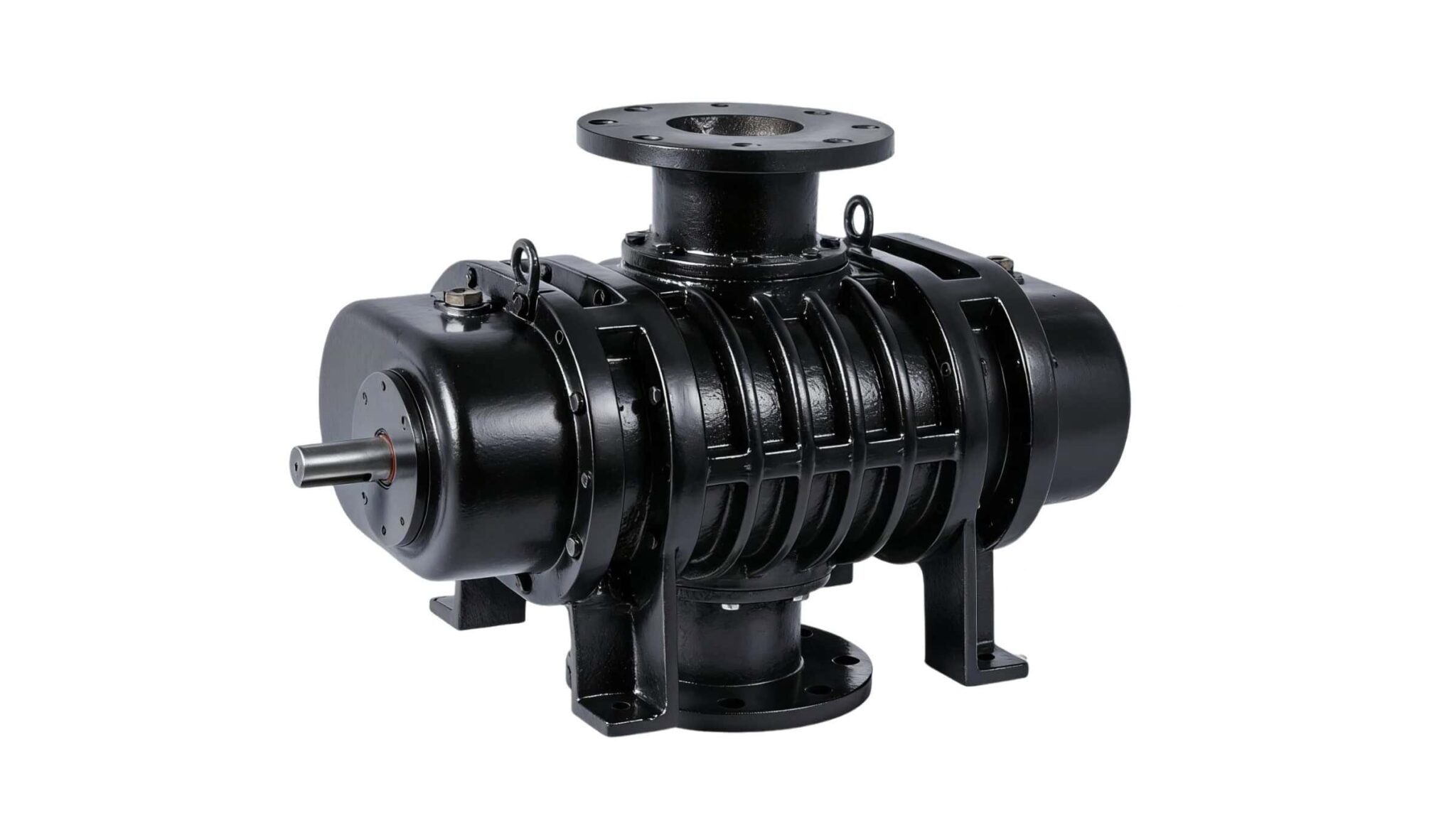
The VACTEX VDB series Roots pump is a high-speed booster vacuum pump engineered for stable operation under demanding high-vacuum conditions in metallurgical and industrial processes such as vacuum distillation, dewaxing, degassing, smelting, casting, heat treatment, and sintering. Because a Roots vacuum pump operates as a positive-displacement booster in series with a backing pump, improper installation, commissioning, or shutdown sequencing can lead to rotor contact, seal damage, or unplanned downtime. Correct lifecycle management—from site preparation through daily monitoring to scheduled maintenance—directly affects vacuum stability, equipment longevity, and process yield. This guide, developed for industrial OEMs, distributors, and system integrators, provides a structured, full-lifecycle reference for the VDB series Roots pump, covering five phases: installation, commissioning, normal operation, shutdown, and maintenance/troubleshooting. Engineers and operators handling coarse and high vacuum equipment will find actionable, step-by-step procedures grounded in the pump's documented design features, including its five-point bearing structure, dual oil tank system, and wide pumping rate range of 100–120,000 m³/h.
Section 1: Installation Requirements for the VDB Series Roots Pump
Correct installation of the VDB series Roots pump establishes the mechanical and environmental foundation for long-term vacuum stability and prevents early-stage bearing or seal failure.
1.1 Site and Foundation Requirements
- Select an installation location with adequate ventilation and ambient temperature control, since the Roots pump relies on a dual oil tank system for continuous lubrication, and elevated ambient heat can compromise oil viscosity.
- Confirm the foundation or mounting base is level and rigid enough to support the pump's operating weight without vibration transfer, particularly important given the pump's five-point bearing design, which is intended to maintain rotational stability under harsh operating conditions.
- Verify sufficient clearance around the unit for routine inspection, oil servicing, and coupling access.
1.2 Equipment Inspection Prior to Installation
- Inspect the pump housing, inlet/outlet flanges, and coupling for shipping damage before unpacking is finalized.
- Check both oil tanks for correct fill level and confirm the lubricant type matches the specification for the VDB series before first fill.
- Verify that the five-point mechanical seal, a sealing arrangement using multiple contact points to reduce leakage paths along the rotating shaft, is intact and free of visible damage.
1.3 Mounting, Alignment, and Utility Connections
- Mount the pump on its base plate and align the drive coupling within the manufacturer-specified tolerance to avoid uneven bearing load.
- Connect the inlet piping to the upstream process or backing pump line, ensuring the pipe diameter does not restrict the pump's rated pumping rate, defined as the volumetric flow of gas the pump can displace per unit time, which for the VDB series ranges from 100 to 120,000 m³/h depending on model size.
- Connect electrical power and control wiring in accordance with the control cabinet specifications; VACTEX's service scope includes electrical control cabinet and complete vacuum system installation support for integrators requiring assistance.
- Perform a final safety check, confirming grounding, rotation direction indicators, and emergency stop wiring are functional before energizing the motor.
Key Takeaways – Installation:
- Rigid, level foundation and adequate clearance are essential for the five-point bearing design to function as intended.
- Confirm dual oil tank fill levels and lubricant type before first startup.
- Match piping diameter to the pump's rated pumping rate to avoid flow restriction.
Section 2: Commissioning and Startup Procedures for the VDB Series Roots Pump
Commissioning verifies that the VDB series Roots pump and its supporting backing system are mechanically sound and correctly parameterized before entering continuous service.
2.1 Pre-Start Checklist
- Confirm both oil tanks are filled to the correct level and free of contamination or emulsification.
- Verify the backing pump (the primary vacuum pump operating upstream or downstream of the Roots pump) is running and has established an acceptable inlet pressure before engaging the VDB unit, since Roots pumps are boosters and are not designed to start against atmospheric pressure without a backing stage.
- Check that all inlet and outlet valves are in their correct pre-start positions and that instrumentation (pressure gauges, temperature sensors) is functioning.
2.2 Initial Startup Sequence
- Energize the backing pump first and allow the system to reach the required starting vacuum level.
- Start the VDB series Roots pump motor and observe rotation direction and initial current draw for abnormalities.
- Gradually open the inlet valve to bring the Roots pump into the process line, monitoring for unusual noise or vibration during the transition.
- Conduct a trial run, an initial short-duration operating period used to confirm stable pressure, temperature, and lubrication behavior, before committing the unit to continuous production use.
2.3 Parameter Verification
- Confirm the achieved vacuum stability matches the process requirement for applications such as degassing, smelting, or sintering.
- Monitor oil tank temperature and level throughout the trial run to confirm the dual oil tank design is maintaining consistent lubrication performance.
- Record baseline vibration and noise readings for future comparison during scheduled maintenance inspections.
Key Takeaways – Commissioning:
- Always establish backing pump vacuum before starting the VDB series Roots pump.
- Use a trial run to validate stable operation before continuous use.
- Record baseline parameters for future diagnostic comparison.
Section 3: Normal Operation and Monitoring of the VDB Series Roots Vacuum Pump
Sustained, monitored operation of the VDB series Roots pump preserves the vacuum stability and service life that its five-point bearing and dual oil tank design are intended to deliver.
3.1 Operating Parameters to Monitor
- Inlet pressure: track continuously to confirm the pump is operating within its intended pumping rate range of 100–120,000 m³/h for the given model.
- Oil tank temperature and level: check regularly, as the dual oil tank system directly supports bearing and seal lubrication.
- Motor current and vibration: compare against baseline values recorded during commissioning to detect early signs of mechanical wear.
- Discharge temperature: monitor to ensure the pump is not operating outside its intended thermal range for the process gas being handled.
3.2 Performance Optimization and Common Scenarios
- In processes such as vacuum distillation or heat treatment where vacuum stability is critical, avoid rapid, repeated cycling of the inlet valve, which can stress the mechanical seal.
- During sintering or casting operations involving variable gas loads, verify that the backing pump capacity remains matched to the VDB unit's pumping rate to prevent overload conditions.
- Log operational data at regular intervals to build a maintenance history that supports predictive servicing decisions.
Key Takeaways – Operation:
- Continuously monitor inlet pressure, oil condition, vibration, and discharge temperature.
- Match backing pump capacity to the Roots pump's rated pumping rate.
- Maintain operational logs to support long-term reliability tracking.
Section 4: Shutdown Procedures for the VDB Series Roots Pump
Proper shutdown sequencing prevents oil migration, rotor contact, and pressure surges that can damage the pump's internal components.
4.1 Standard Shutdown Sequence
- Gradually close the inlet valve to isolate the VDB series Roots pump from the process line before stopping the motor.
- Stop the Roots pump motor and allow the rotor to coast to a complete stop before powering down the backing pump.
- Close the backing pump isolation valve once system pressure has stabilized to prevent air or process gas from migrating back into the pump chamber.
- Record final operating parameters (pressure, temperature, running hours) for maintenance reference.
4.2 Emergency Shutdown Protocol
- Activate the emergency stop control immediately upon detecting abnormal vibration, unusual noise, overheating, or loss of lubrication.
- Isolate electrical power to the motor and close inlet/outlet valves manually if automatic isolation does not engage.
- Do not restart the pump until the cause of the emergency condition has been identified and corrected.
4.3 Post-Shutdown Checks
- Inspect oil tank levels and condition after the unit has cooled to ambient temperature.
- Visually check seals, couplings, and piping connections for signs of leakage or thermal stress following shutdown.
Key Takeaways – Shutdown:
- Always isolate the inlet before stopping the motor to prevent backflow.
- Use the emergency stop protocol immediately upon detecting abnormal conditions.
- Perform post-shutdown inspection of oil and seals before the next startup.
Section 5: Maintenance and Troubleshooting for the VDB Series Roots Vacuum Pump
Routine maintenance sustains the vacuum stability and service life advantages built into the VDB series Roots pump's five-point sealing structure and dual oil tank design.
5.1 Scheduled Maintenance Tasks
- Daily: Check oil tank levels, listen for abnormal noise, and confirm operating temperature and pressure remain within normal range.
- Weekly: Inspect coupling alignment and tighten any loose fasteners; check for oil discoloration indicating contamination.
- Monthly: Inspect the five-point mechanical seal for wear and verify vibration levels against baseline commissioning data.
- Annually or per process requirement: Perform a full internal inspection of bearings and seals, and replace lubricant in both oil tanks if condition indicates degradation.
5.2 Common Fault Symptoms and Corrective Actions
- Reduced vacuum stability: Often caused by seal wear or inlet blockage; inspect the five-point mechanical seal and check piping for obstructions.
- Elevated oil temperature: May indicate insufficient cooling or degraded lubricant; verify ambient ventilation and check oil condition in both tanks.
- Abnormal vibration or noise: Typically linked to bearing wear or coupling misalignment; inspect the five-point bearing assembly and realign the coupling as needed.
- Unplanned downtime events: Review maintenance logs to determine whether lubrication intervals were followed; inconsistent lubrication is a primary contributor to unplanned stoppages in Roots pump systems.
If a fault cannot be resolved through routine inspection, VACTEX's service scope covers technical support and 24/7 technical assistance, with a local response time of 8 hours and global technical issues addressed within 24 hours.
Key Takeaways – Maintenance:
- Follow a tiered daily/weekly/monthly/annual inspection schedule to catch wear before it causes downtime.
- Seal wear and lubrication issues are the most common contributors to reduced vacuum stability.
- Escalate unresolved faults to factory technical support when internal inspection does not identify the root cause.
Conclusion
Managing the VDB series Roots pump through its full operational lifecycle—correct installation, verified commissioning, monitored operation, controlled shutdown, and scheduled maintenance—directly supports the vacuum stability, energy efficiency, and reduced downtime that this booster pump is designed to deliver across metallurgical processes such as vacuum distillation, degassing, smelting, casting, heat treatment, and sintering. As a specialized manufacturer of industrial vacuum equipment covering coarse vacuum, high vacuum, and gas compression applications, VACTEX offers the VDB series Roots pump alongside its broader product range, including the VDS series screw vacuum pump, the VLB/VLC series liquid ring vacuum pump, and the VDR series Roots blower, all supplied on a direct factory basis to industrial OEMs, global distributors, and system integrators. Operators seeking further technical guidance on installation, commissioning parameters, or maintenance scheduling for the VDB series Roots pump are encouraged to consult VACTEX's technical support resources, which include electrical control cabinet and complete vacuum system installation services backed by 24/7 technical support availability.
www.vactexdry.com
vactexdry
