Water-Electricity Separation: The Safety Revolution in Steam Generation
Understanding Water-Electricity Separation Technology in Steam Systems
In industrial thermal energy applications, safety remains the paramount concern for facility managers and operations teams. Traditional steam generation systems often integrate electrical components directly with water channels, creating potential hazards that range from electrical short circuits to catastrophic equipment failures. Water-electricity separation technology represents a fundamental design philosophy that physically isolates electrical heating elements from water pathways, eliminating direct contact and substantially reducing operational risks.
This architectural approach addresses a critical vulnerability in conventional steam generators: the potential for electrical current to transfer into water systems, which poses electrocution risks to maintenance personnel and creates unstable operating conditions. By implementing dedicated chambers and isolation barriers, water-electricity separation systems ensure that electrical energy converts to thermal energy through controlled interfaces, never allowing conductive pathways between power sources and fluid systems.
Why Industrial Facilities Prioritize Safety in Steam Generation
Manufacturing environments across pharmaceutical production, food processing, healthcare sterilization, and chemical operations face stringent safety regulations and zero-tolerance policies for preventable accidents. The consequences of thermal energy system failures extend beyond equipment damage—they directly impact worker safety, production continuity, regulatory compliance, and brand reputation.
Traditional boiler systems present multiple risk vectors. Mineral buildup on heating elements creates hot spots that accelerate corrosion and component failure. Direct water-electricity contact increases leakage current potential, particularly in high-humidity industrial environments. Emergency shutdown procedures become complicated when electrical and hydraulic systems share integrated pathways. These vulnerabilities demand engineering solutions that prioritize inherent safety over reactive safety measures.
Industrial facilities operating continuous production schedules—such as central kitchens serving 6,000+ meals daily or hospital Central Sterile Supply Departments requiring 24/7 equipment availability—cannot afford unexpected downtime caused by safety incidents. The economic impact of production interruptions, combined with potential liability exposure, makes preventive safety design a strategic business priority rather than merely a regulatory checkbox.
Engineering Advantages of Isolated Power-Water Architectures
Water-electricity separation design delivers measurable safety improvements through multiple engineering mechanisms. The physical isolation of heating chambers prevents electrical faults from propagating into water systems, containing potential failures within protected zones. This compartmentalization allows maintenance teams to service electrical components without draining water systems, and vice versa, significantly reducing maintenance complexity and downtime.
Thermal efficiency gains accompany these safety benefits. By optimizing heat transfer interfaces without compromising electrical integrity, separated architectures achieve thermal efficiency exceeding 98%—a performance level difficult to sustain in integrated designs where safety constraints limit operational parameters. The elimination of direct contact also extends component lifespan, as heating elements avoid constant exposure to corrosive water chemistry and mineral deposits.
Operational stability improves dramatically when electrical systems maintain consistent performance independent of water quality fluctuations. Hard water conditions, common in industrial settings, accelerate scale formation on heating surfaces. In integrated systems, this scaling disrupts both thermal transfer and electrical continuity. Separated designs isolate these variables, allowing water treatment protocols to focus on thermal performance while electrical systems maintain optimal operating conditions.
Application Requirements Across High-Stakes Industries
Pharmaceutical manufacturing demands chemical-free steam for product contact applications, where any contamination risk jeopardizes batch integrity and regulatory compliance. Water-electricity separation supports this requirement by enabling multi-stage steam-water separation processes without electrical interference. The use of 316L stainless steel construction in both water and electrical chambers ensures material compatibility with stringent hygiene standards while maintaining electrical isolation integrity.
Food processing facilities, including operations supplying major retail chains, require steam systems that support rapid temperature adjustments without compromising safety during frequent production changeovers. Separated architectures facilitate multi-gear power adjustment capabilities, allowing operators to modulate thermal output through electrical controls while water systems respond dynamically without creating transient electrical hazards.
Healthcare sterilization applications present perhaps the most demanding safety profile. Hospital CSSD operations sterilize surgical instruments and medical devices in continuous cycles where any system failure directly impacts patient safety. Water-electricity separation technology supports these mission-critical applications by providing redundant safety layers—even if water system components develop issues, electrical systems remain protected and controllable, enabling graceful degradation rather than catastrophic failure.
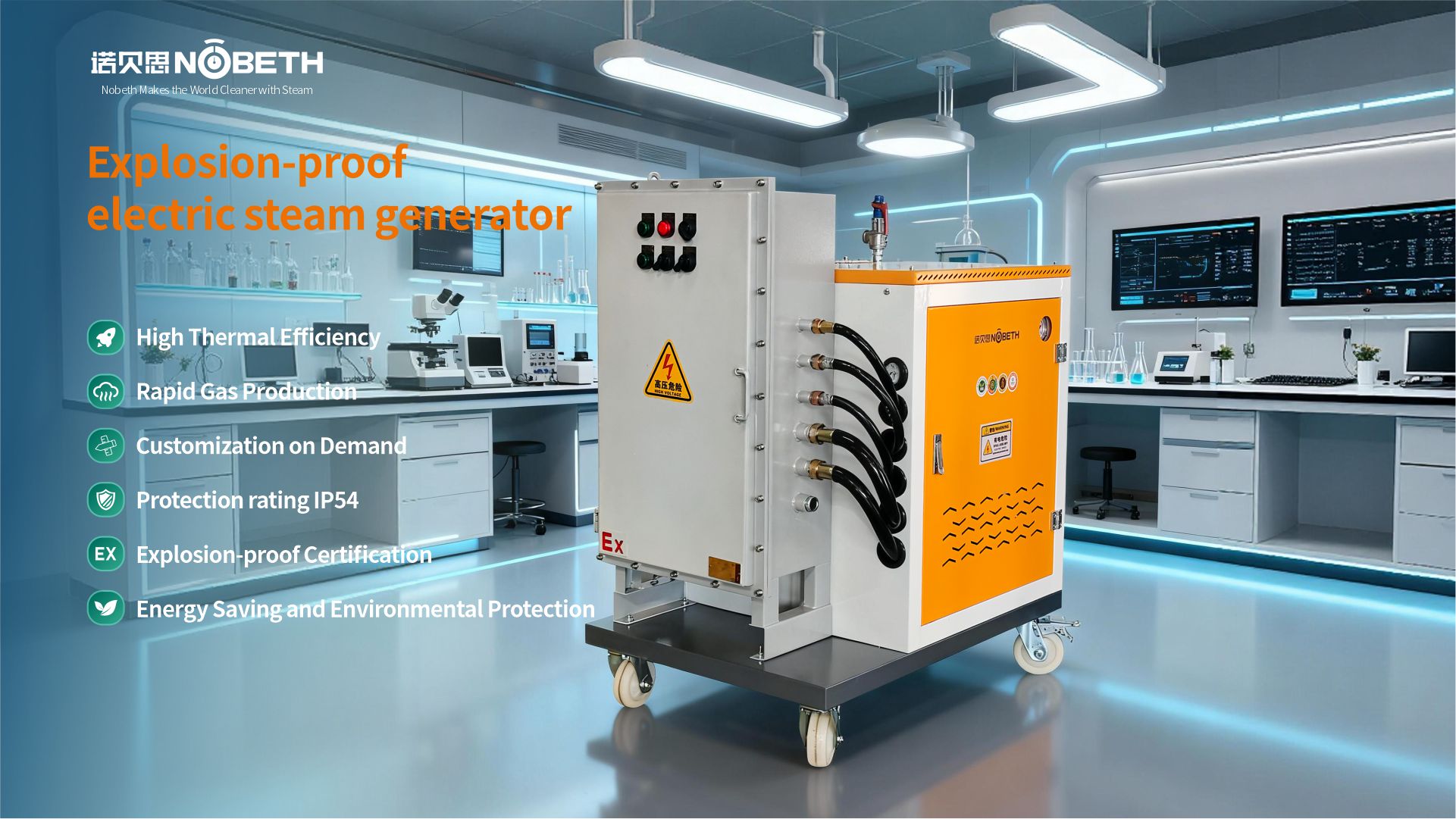
Hazardous industrial environments, such as flour mills and chemical processing plants, face compound risks from dust explosions and flammable vapor ignition. Explosion-proof steam generators incorporating water-electricity separation add critical safety margins by eliminating electrical spark potential in water-exposed areas. This design approach earned specialized certifications for deployment in volatile atmospheres where conventional integrated systems would be prohibited.
Real-World Safety Performance and Operational Outcomes
Nobeth Group has implemented water-electricity separation technology across diverse industrial applications over 26 years of thermal energy specialization. In textile dyeing operations, where temperature consistency directly affects product quality, separated steam systems enabled a Zhejiang facility to achieve 25% improvement in color uniformity while simultaneously reducing maintenance-related safety incidents to zero over 18 months of operation. The stability derived from isolated electrical controls allowed precise temperature regulation within ±0.5°C accuracy, eliminating the thermal fluctuations that previously caused quality defects and customer returns.
Major food production operations, including partnerships with brands like Jinlongyu, rely on separated steam architectures to maintain continuous production schedules while meeting international safety certifications required for global retail distribution. These systems support high-volume packaging lines where steam supply interruptions would halt entire production chains, demonstrating that safety engineering directly enables business continuity.
Healthcare implementations at facilities such as Shandong General Hospital validate the technology's reliability in life-critical applications. Continuous operation requirements for sterilization equipment demand systems engineered for failure prevention rather than failure response. Water-electricity separation provides the inherent safety margins that support 24-hour operation cycles without elevated risk profiles during extended runtime periods.
Integration with Modern Control and Monitoring Systems
Contemporary safety standards increasingly require remote monitoring and automated safety responses. Water-electricity separation architectures integrate seamlessly with PLC intelligent control systems featuring touch-screen interfaces and 485 communication protocols for industrial IoT connectivity. This compatibility enables facility managers to implement comprehensive safety monitoring that tracks both electrical and hydraulic parameters independently, identifying potential issues before they escalate.
The advent of 5G IoT and AI-enhanced monitoring extends these capabilities further. Remote diagnostics can distinguish between electrical performance variations and water system anomalies, enabling targeted maintenance interventions. When electrical and water systems share integrated pathways, diagnostic ambiguity complicates troubleshooting and increases mean time to repair. Separated architectures provide clear diagnostic signals that accelerate problem resolution and minimize safety exposure during maintenance activities.
Energy management benefits compound safety advantages. Systems achieving over 30% electricity expenditure reduction through integrated waste heat recovery demonstrate that safety-focused design need not compromise operational efficiency. In fact, the thermal optimization enabled by separated architectures—including vertical double-return structures and threaded pipe heat exchange technology—often surpasses integrated designs constrained by safety compromises.
Regulatory Compliance and Certification Standards
Global safety certifications, including CE certification for European market access, increasingly recognize water-electricity separation as a best-practice design standard. Regulatory frameworks across pharmaceutical, food safety, and occupational health domains reference physical isolation of electrical and fluid systems as preferred compliance pathways. Facilities adopting separated steam technology position themselves advantageously for regulatory audits and certification renewals.
The 113 national patents held by specialized manufacturers in thermal energy and steam technology reflect ongoing innovation in safety-focused engineering. These intellectual property portfolios demonstrate that water-electricity separation continues evolving through materials science advances, control system integration, and application-specific customization. Patent protection also signals regulatory confidence in design approaches that prioritize inherent safety.
Making the Business Case for Safety-Engineered Steam Systems
Investment decisions in capital equipment increasingly weigh total cost of ownership against initial acquisition costs. Water-electricity separation technology delivers measurable ROI through multiple channels: reduced insurance premiums reflecting lower risk profiles, decreased maintenance costs from extended component lifespan, minimized downtime from safety incidents, and enhanced regulatory compliance reducing audit remediation expenses.
For facilities evaluating steam generation upgrades or new installations, the safety performance of water-electricity separation systems aligns with broader operational excellence initiatives. Custom OEM/ODM configurations accommodate specific power ranges from 3kW laboratory units to 720kW industrial installations, ensuring scalability across diverse application requirements. Material specifications including 316L versus 304 stainless steel options allow precise matching of equipment capabilities to industry-specific safety and hygiene standards.
Organizations operating in competitive markets increasingly recognize that operational safety directly influences brand reputation and customer confidence. Supply chain partners conducting vendor audits prioritize facilities demonstrating proactive safety investments. Water-electricity separation technology provides tangible evidence of commitment to best-practice engineering, supporting business development objectives alongside operational risk management.
Conclusion: Engineering Safety Into Thermal Energy Infrastructure
As industrial operations face mounting pressure to optimize efficiency while maintaining uncompromising safety standards, water-electricity separation technology emerges as a foundational design principle rather than an optional feature. The measurable advantages—from electrical isolation and thermal efficiency to regulatory compliance and operational reliability—position this architectural approach as the industry standard for mission-critical steam applications.
Facilities evaluating steam generation systems should prioritize manufacturers demonstrating deep expertise in safety-focused engineering, evidenced by patent portfolios, long-term industry experience, and validated performance across demanding applications. The integration of advanced control systems with inherently safe mechanical design creates resilient thermal energy infrastructure capable of supporting continuous operations in the most challenging industrial environments.
https://www.nobethsteam.com
nobeth
