What Is a Water Filling Machine and How Does It Work in Bottled Water Production?
The global demand for bottled water continues to grow, driven by rising health awareness, urbanization, and the need for safe drinking water. At the core of bottled water production is one essential piece of equipment: the water filling machine. Understanding what a water filling machine is, how it works, and why it matters is critical for manufacturers looking to build an efficient, hygienic, and reliable production line.
This article explains the fundamentals of water filling machines, their working process in bottled water production, and how professional equipment manufacturers such as Zhangjiagang Runbo Electromechanical Co., Ltd. support beverage producers with efficient and reliable filling solutions.
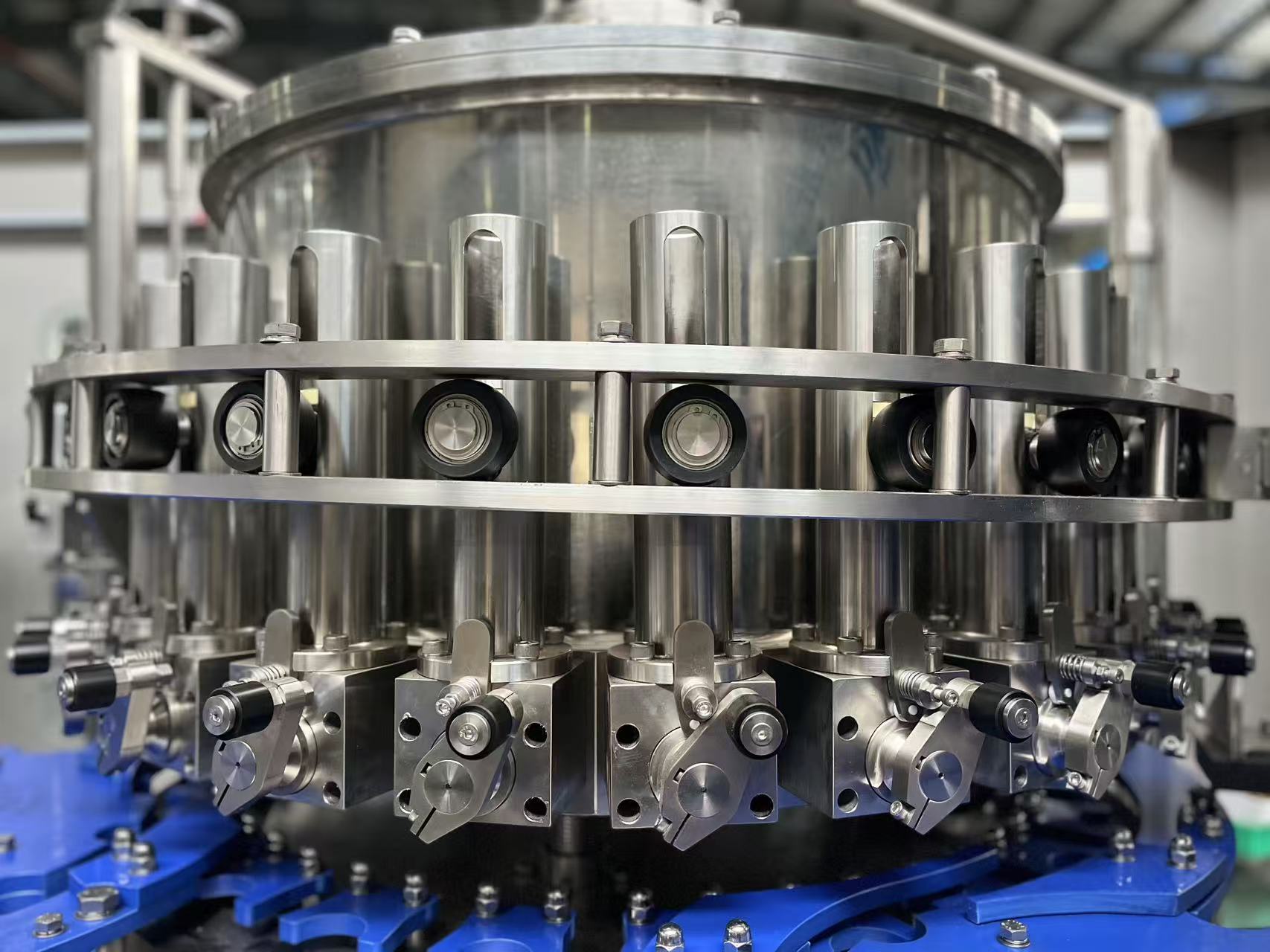
What Is a Water Filling Machine?
A water filling machine is an automated or semi-automated piece of equipment designed to fill purified or treated water into bottles or containers under hygienic conditions. It is widely used in bottled water plants, beverage factories, and liquid packaging facilities.
Modern water filling machines are not standalone units. They are usually integrated into a complete bottling line that includes bottle rinsing, filling, capping, and downstream processes such as labeling and packing. The goal is to ensure consistent filling accuracy, stable output, and compliance with food safety standards.
Depending on production needs, water filling machines can handle different bottle sizes, capacities, and materials, including PET bottles, glass bottles, and large-volume containers.
Why Water Filling Machines Matter in Bottled Water Production
Bottled water production is a high-volume, quality-sensitive industry. Any inconsistency in filling, contamination risk, or mechanical downtime can directly affect product safety and brand reputation.
A well-designed water filling machine helps manufacturers achieve:
-
Stable and repeatable filling accuracy
-
Hygienic handling of water and bottles
-
Reduced labor dependence
-
Higher production efficiency
-
Long-term operational reliability
For producers looking to scale their business, choosing the right filling equipment is a strategic investment rather than a simple machinery purchase.
How Does a Water Filling Machine Work?
Although designs may vary, most water filling machines follow a similar working principle. The process can be broken down into several key stages.
1. Bottle Infeeding and Rinsing
Empty bottles are conveyed into the machine through an air conveyor or mechanical system. Before filling, bottles are rinsed internally using purified water or sterile air to remove dust and potential contaminants. This step is critical for maintaining hygiene standards in bottled water production.
2. Filling Process
After rinsing, bottles move to the filling station. Water is filled into bottles using gravity filling or pressure-controlled filling methods, depending on the machine design and production requirements.
The filling valves are engineered to ensure smooth flow, minimal splashing, and consistent fill levels. Sensors and control systems monitor the process to maintain accuracy and prevent overflow.
3. Capping and Sealing
Once filled, bottles are immediately sealed with caps to prevent contamination. Capping systems are synchronized with the filling process to maintain production speed and sealing integrity.
A reliable capping system ensures airtight sealing, which is essential for product safety during storage and transportation.
4. Output and Integration
Sealed bottles exit the filling machine and move on to downstream equipment such as labeling machines, date coders, and packaging systems. In modern production lines, the water filling machine operates as part of a fully integrated system for maximum efficiency.
Types of Water Filling Machines
Water filling machines can be classified based on capacity, automation level, and application:
-
Small-scale water filling machines for startups or pilot production
-
Medium-capacity machines for regional bottled water brands
-
High-speed automatic water filling machines for large-scale industrial production
In addition to standard bottled water, many manufacturers also require equipment for other liquid products. This is where versatile equipment suppliers play an important role.
Integrated Filling Solutions from Zhangjiagang Runbo
Zhangjiagang Runbo Electromechanical Co., Ltd. is a high-tech enterprise specializing in the research, development, production, and sales of filling equipment. With a strong focus on efficiency and reliability, the company provides filling solutions tailored to real production needs.
Runbo’s product range includes:
-
Water filling machines
-
3 & 5-gallon filling machines
-
Carbonated beverage filling machines
-
Liquid filling machines
-
Milk filling machines
These systems are widely used in the beverage, dairy, and other liquid product filling sectors, supporting customers with stable operation and scalable production capacity.
Manufacturers looking to explore different filling equipment configurations can review detailed product information through Runbo’s official product listings:
water filling machines and liquid filling solutions
This centralized product overview helps buyers understand machine structures, applications, and production compatibility before making technical decisions.
Key Factors When Choosing a Water Filling Machine
Selecting a water filling machine should be based on practical production requirements rather than generic specifications. Important factors include:
-
Required output capacity per hour
-
Bottle size range and material compatibility
-
Hygienic design and cleaning convenience
-
Control system stability and ease of operation
-
Availability of technical support and after-sales service
An experienced equipment manufacturer can help evaluate these factors and recommend a solution that fits long-term production goals.
The Role of Reliable After-Sales Support
In bottled water production, long-term stability is as important as initial performance. Equipment downtime can interrupt supply chains and increase operational costs.
Companies like Zhangjiagang Runbo emphasize not only equipment manufacturing but also technical support, commissioning assistance, and ongoing service. This approach helps customers maintain stable production and adapt equipment as market demand evolves.
Conclusion
A water filling machine is the backbone of bottled water production, directly influencing efficiency, hygiene, and product consistency. Understanding how these machines work and how they integrate into a complete production line allows manufacturers to make informed decisions and build sustainable operations.
With professional equipment suppliers such as Zhangjiagang Runbo Electromechanical Co., Ltd., beverage producers gain access to reliable filling solutions that support both current production needs and future growth in the bottled water and liquid packaging industries.
www.runbo-fillingmachine.com
Zhangjiagang Runbo Electromechanical Co., Ltd.
