What kind of bead mill should be used for grinding laundry detergent and makeup color paste?
Laundry detergent color systems and cosmetic color pastes serve different purposes in daily chemicals and color cosmetics, but both involve the dispersion of pigments, colorants, or functional powders. Colorants in laundry detergents need to remain stable in aqueous surfactant systems, without settling, separating, or sticking to bottle walls during storage, and their hue must remain consistent after dilution. Cosmetic color pastes are used in foundation, lip gloss, eyeshadow, blush, concealer, and other products, and have relatively high requirements for fineness, hue, spreadability, skin feel, and application uniformity. Common pigments in color pastes include organic pigments, inorganic pigments, pearlescent pigments, titanium dioxide, and iron oxide. The continuous phase may be water, oil, silicone oil, esters, or solvents. Different systems have different requirements for equipment materials, sealing, cleaning, and temperature control.
In terms of fineness, cosmetic color pastes generally require a D50 of 5–15 μm. Some color pastes for lip gloss, foundation, or eyeshadow require finer particles and may enter the submicron range. Laundry detergent coloring can be slightly broader, but large particles and agglomerates still need to be controlled to avoid sedimentation and color differences. When the particle size distribution is too broad, hue shift, gloss changes, a gritty feel during application, or particle size growth during storage may occur. Therefore, the grinding process must open up pigment agglomerates and keep the distribution stable.
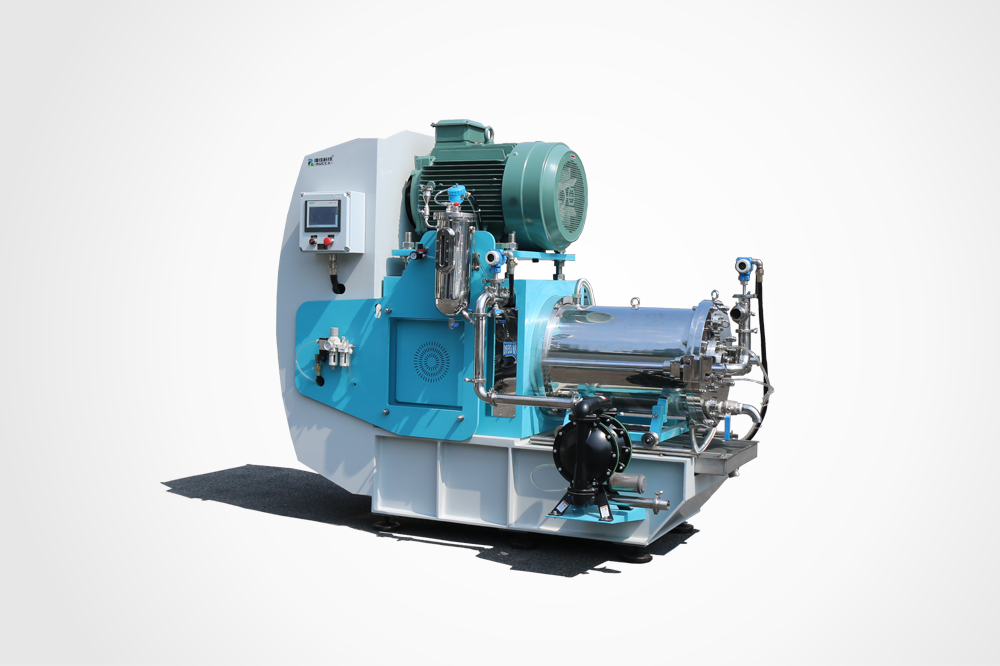
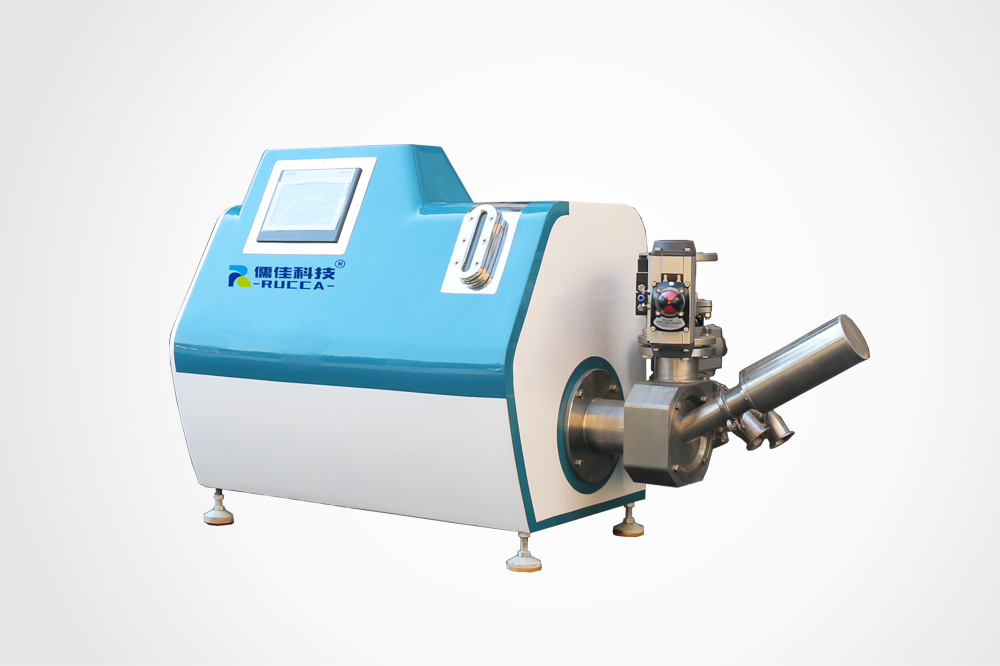
For equipment selection, the RUCCA DF-High efficiency disk horizontal bead mill is recommended. This series uses a horizontal pin structure, in which the rotor and pins create shear, impact, and friction in the grinding chamber, making it suitable for medium- to high-viscosity slurries. For cosmetic color pastes and laundry detergent coloring systems, fineness and capacity can be matched by adjusting media specifications, fill rate, linear speed, flow rate, and circulation mode. Zirconia beads can be used as grinding media, with the specification determined by the initial particle size and target fineness. Wetted parts can be made of ceramic, polyurethane, stainless steel, and other materials to reduce wear and metal contamination. For cosmetic products requiring finer grinding, the N series nano bead mill can be used to achieve finer grinding; its cooling and media compatibility make it suitable for systems with temperature and fineness requirements.
When combined with the Inline dispersing system-low viscosity IDS, dust-free powder intake and instant wetting can be achieved during the pre-dispersion stage, reducing “fish eyes” and agglomerates in the color paste. When powder enters the liquid, the dispersant can act
, reducing dust flying and material loss. With good pre-dispersion, the number of downstream grinding passes can be reduced by 30%–50%, which helps lower energy consumption, media wear, and temperature rise, and also makes hue and fineness more consistent between batches. For pearlescent pigments and platelet pigments, inline dispersion can also reduce structural damage caused by excessive shear.
Daily chemical products have relatively high hygiene requirements, and RUCCA equipment’s easy-to-clean design can meet frequent color change requirements. Piping, valves, pumps, and seals should be easy to disassemble and clean to reduce residue. Water-based systems require attention to rust prevention, corrosion protection, and microbial control; oil-based or solvent-containing systems require oil- and solvent-resistant seal materials. When flammable solvents such as ethanol or isopropanol are present, explosion-proof motors, electrical systems, ventilation, and electrostatic grounding need to be evaluated. Temperature control also requires attention, as waxes, oils, and fragrances in color cosmetics are relatively sensitive to temperature; a cooling system can help maintain formula stability.
Send samples for trials is recommended. Through lab or pilot tests, determine the bead mill model, media specification, flow rate, linear speed, temperature control, and cleaning procedure. Test items include particle size distribution, fineness, color difference, viscosity, storage stability, application feel, and appearance after dilution. Scale up to the production model based on the measured data to reduce on-line adjustment time. If you have a specific laundry detergent or cosmetic color paste formula, you can contact RUCCA to send samples for trials, and technical personnel will recommend a suitable configuration based on the material characteristics.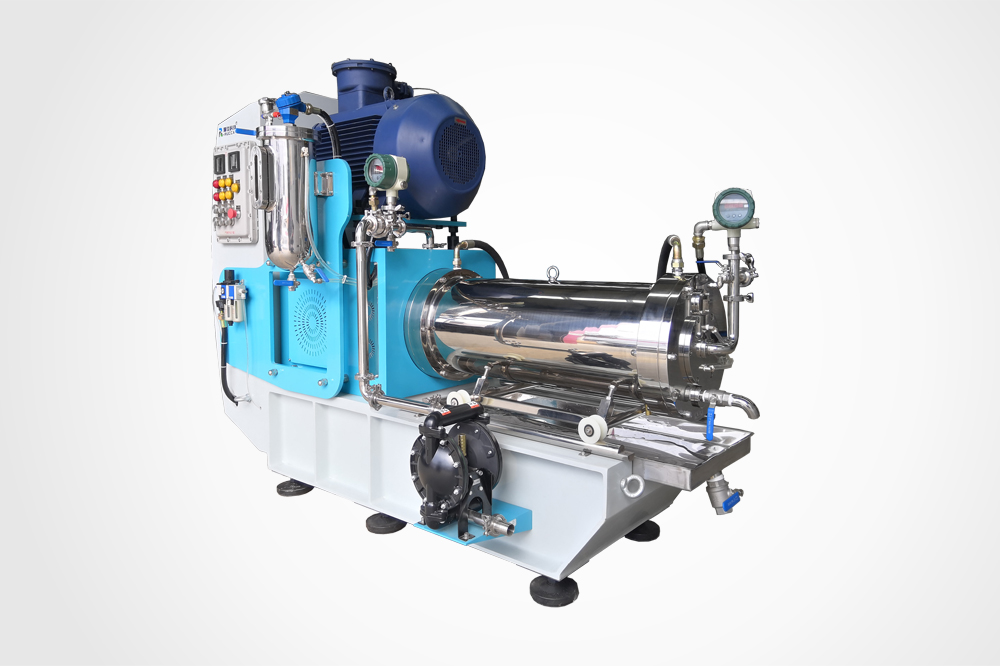
www.ruccagroup.net
RUCCA
