Why Choose Stainless Steel Globe Valves for Demanding Industrial Systems?
Industrial piping systems are often required to operate under challenging conditions. High pressure, elevated temperatures, corrosive fluids, frequent flow adjustments, and continuous operation can place significant demands on valves. In these environments, selecting the right valve is not simply a matter of choosing a component that opens and closes a pipeline. The valve must provide reliable flow control, withstand the surrounding conditions, and maintain stable performance over a long service life.
This is one reason stainless steel globe valves are widely considered for demanding industrial applications. Combining the corrosion resistance of stainless steel with the flow-control characteristics of globe valve designs, these valves can provide a practical solution for systems where durability and precise regulation are important.
From chemical processing and oil and gas to marine equipment, power generation, food processing, and industrial utilities, stainless steel globe valves can be adapted to a wide range of operating requirements. However, their suitability depends on factors such as material grade, pressure rating, temperature, fluid characteristics, valve size, and connection type.
This article explains why stainless steel globe valves are a strong choice for demanding industrial systems and what buyers should consider before selecting them.
What Are Stainless Steel Globe Valves?
A globe valve is a linear-motion valve designed primarily for regulating and controlling fluid flow. Unlike a simple isolation valve, a globe valve uses a movable disc or plug that moves toward or away from a stationary seat. This design allows the operator to adjust the flow rate more precisely.
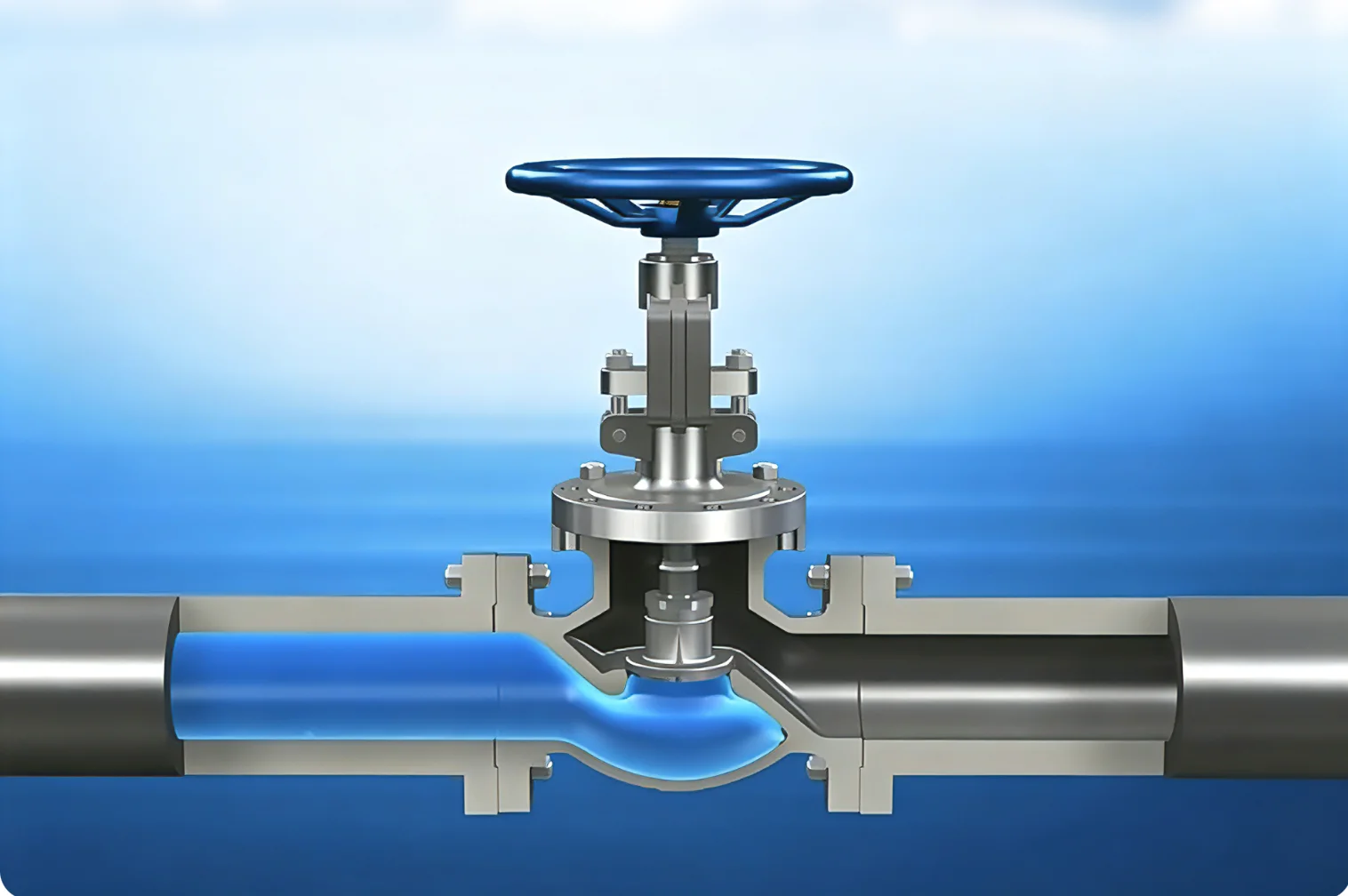
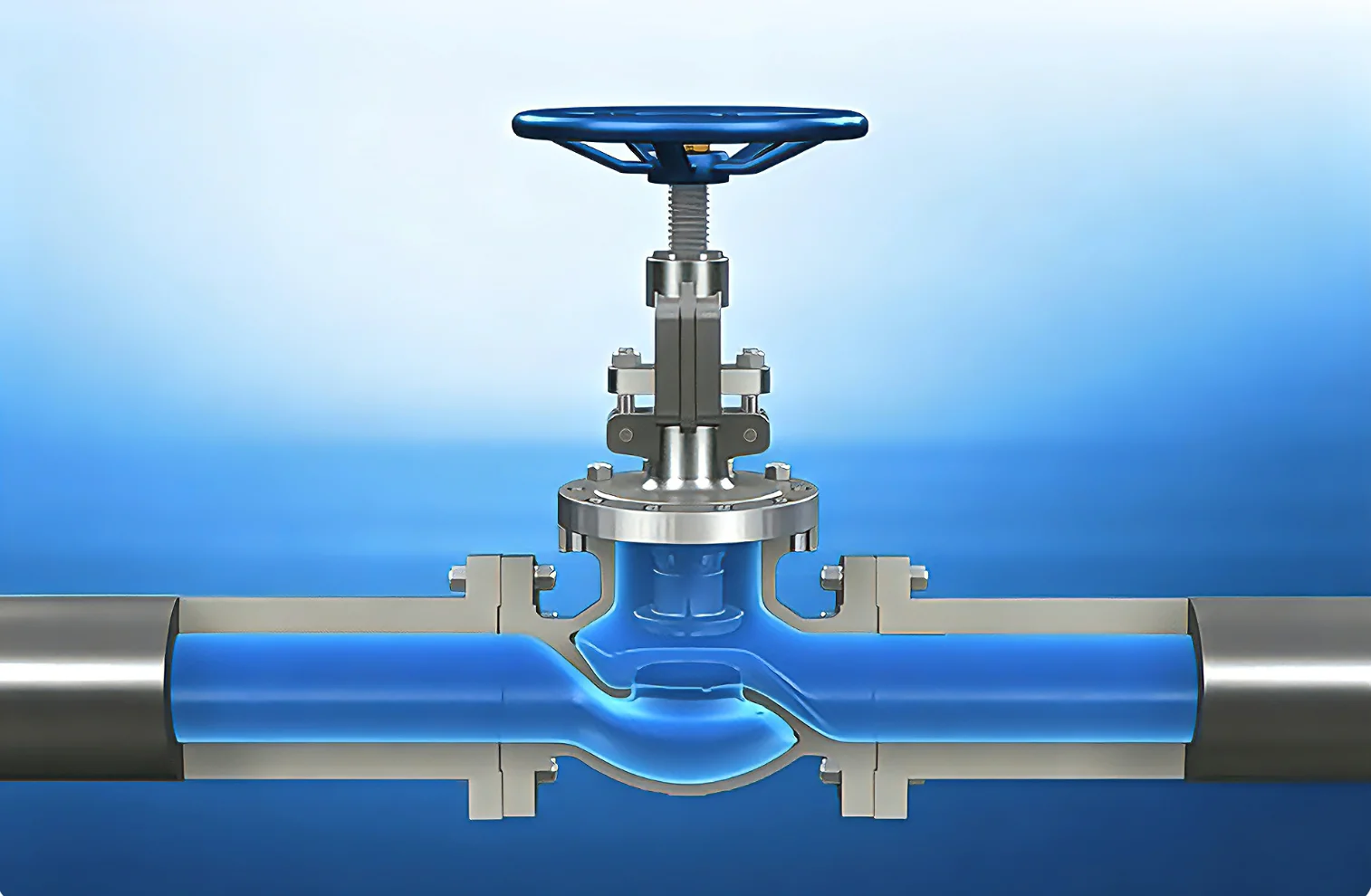
Stainless steel globe valves use stainless steel for major pressure-containing or wetted components, depending on the specific construction. Common stainless steel grades include 304 and 316, while other grades may be selected for specialized environments.
A typical globe valve consists of several important components:
· Valve body
· Bonnet
· Disc or plug
· Seat
· Stem
· Packing
· Handwheel or actuator
· Gasket and sealing components
The internal geometry of the valve forces the fluid to change direction as it passes through the body. This internal geometry creates a significantly higher pressure drop compared with gate, ball, or butterfly valves — typically 3 to 5 times greater at the same opening. However, this trade-off enables superior throttling and fine flow regulation, which is the primary design purpose of globe valves.
For industrial systems where flow adjustment is an important requirement, this characteristic can make globe valves particularly useful.
1. Excellent Resistance to Corrosion
One of the biggest advantages of stainless steel globe valves is their resistance to corrosion.
Industrial fluids can be chemically aggressive. Water containing salts, process chemicals, mildly acidic media, cleaning solutions, and marine atmospheres can accelerate corrosion in unsuitable valve materials. Once corrosion develops inside a valve, it can affect sealing surfaces, weaken components, increase maintenance requirements, and eventually cause leakage or operational failure.
Stainless steel contains chromium, which forms a passive oxide layer on the surface. This protective layer helps the material resist many common forms of corrosion.
The actual corrosion resistance depends on the stainless steel grade and operating environment. For example, 316 stainless steel contains molybdenum, which generally provides better resistance to chloride-related corrosion than 304 stainless steel.
This makes 316 stainless steel globe valves attractive for applications exposed to seawater, chlorides, and certain corrosive process environments.
However, stainless steel should not automatically be considered suitable for every chemical. The compatibility of the selected grade with the actual medium should always be evaluated before installation.
2. Reliable Flow Regulation
Industrial systems do not always operate at a single fixed flow rate. Many processes require operators or automated systems to adjust fluid flow according to production conditions.
This is where the globe valve design provides an important advantage.
The disc moves progressively relative to the valve seat. By changing the opening, operators can control the amount of fluid passing through the valve. This makes globe valves suitable for applications where throttling and flow adjustment are required.
For example, a process line may need to:
· Reduce flow during startup
· Maintain a specific process flow rate
· Adjust steam delivery
· Control cooling water
· Regulate chemical feed
· Balance flow between different pipeline sections
In these situations, industrial stainless steel globe valves can provide more effective flow regulation than valves primarily intended for simple on/off service.
3. Suitable for High-Temperature Applications
Many demanding industrial systems operate at elevated temperatures. Steam systems, thermal processing equipment, power generation facilities, and certain chemical processes can expose valves to significant thermal loads.
Stainless steel has good mechanical stability across a broad range of temperatures, although the actual operating limit depends on the specific grade, pressure class, valve design, seat material, packing, gasket, and other components.
For this reason, a stainless steel globe valve should never be selected based only on the body material.
Buyers should examine the complete valve's pressure-temperature rating. A valve body may be capable of handling a particular temperature, while its soft sealing components may have lower temperature limitations.
For steam and hot-fluid applications, choosing a valve specifically engineered for the required operating temperature is essential.
4. Strong Mechanical Durability
Demanding industrial systems often involve continuous operation, pressure fluctuations, vibration, and repeated valve cycling.
A valve installed in such an environment must withstand mechanical stresses without excessive deformation or premature wear.
Stainless steel offers a combination of strength, toughness, and durability that makes it suitable for many industrial valve applications. Properly designed stainless steel globe valves can provide stable mechanical performance while resisting environmental degradation.
This is particularly valuable when valves are installed in locations where replacement is difficult or production interruptions are expensive.
For example, a valve installed deep inside a processing plant may require considerable labor and downtime to replace. Choosing a durable valve at the beginning can therefore contribute to lower lifecycle costs.
5. Versatility Across Industrial Applications
Another reason to choose stainless steel globe valves is their versatility.
They can be configured with different pressure classes, end connections, body designs, trim materials, packing arrangements, and actuation options.
This flexibility allows manufacturers and system engineers to configure valves for specific applications.
Common industries using stainless steel globe valves include:
Chemical Processing
Chemical plants frequently handle corrosive or chemically sensitive fluids. Stainless steel construction can provide improved resistance to many process environments, while the globe valve design supports controlled flow.
Oil and Gas
Oil and gas facilities require valves that can operate reliably under demanding pressure and temperature conditions. Depending on the service, stainless steel globe valves may be used for process control, auxiliary systems, and fluid regulation.
Power Generation
Steam, feedwater, cooling water, and other utility systems require reliable flow management. Globe valves are commonly considered for applications where throttling or frequent adjustment is needed.
Marine Applications
Marine environments expose equipment to humidity, salt, and chloride-containing atmospheres. Marine stainless steel globe valves can offer useful corrosion resistance when the correct stainless steel grade and protective measures are selected.
Food and Beverage
Stainless steel is widely used in hygienic processing environments due to its corrosion resistance and ability to achieve smooth surfaces. However, for food and pharmaceutical applications, additional requirements apply, including surface roughness (typically Ra ≤ 0.8 μm for food, ≤ 0.4 μm for pharma), crevice-free construction, drainability (full bore or pitched dead legs), and compliance with FDA, 3-A Sanitary Standards, or ASME BPE. Not all stainless steel globe valves meet these criteria; specialized sanitary globe valves with hygienic clamp ends and polished internals are required.
Pharmaceutical Processing
Pharmaceutical systems can require strict material, cleanliness, and surface-finish requirements. Specialized stainless steel globe valves may be considered where their construction and certification meet the process specifications.
6. Multiple Material Options
Not all stainless steel globe valves are identical. Selecting the correct stainless steel grade is an important part of valve specification.
304 Stainless Steel
304 is one of the most commonly used stainless steel grades. It offers good general corrosion resistance and can be suitable for many industrial applications involving water, air, steam, and non-aggressive fluids.
It can be an economical choice when extreme chloride resistance is not required.
316 Stainless Steel
316 stainless steel is often selected for more demanding environments because its molybdenum content improves resistance to certain forms of corrosion, particularly in chloride-containing conditions.
For applications involving marine environments, saline water, or certain chemical media, 316 stainless steel globe valves may provide a better material solution than 304.
Specialized Stainless Steel Grades
Certain applications may require other stainless steel grades based on temperature, pressure, chemical compatibility, or mechanical requirements.
Therefore, choosing between 304 and 316 should not be based simply on which grade is "better." The correct choice depends on the actual service conditions.
7. Flexible Actuation Options
Industrial valve operation can range from simple manual adjustment to fully automated process control.
Stainless steel globe valves can be equipped with different operating methods, including:
· Handwheel operation
· Pneumatic actuators
· Electric actuators
· Hydraulic actuation
· Automated control systems
Manual globe valves can be suitable for systems where operators only need occasional adjustment.
For automated production lines, an actuated globe valve can be integrated into a control system. Sensors and controllers can monitor pressure, temperature, flow, or other process variables and adjust the valve accordingly.
This makes automated stainless steel globe valves useful for modern industrial systems where accurate and repeatable process control is important.
8. Better Performance in Challenging Environments
Industrial valves may be exposed to more than just the process fluid.
External conditions can include:
· High humidity
· Salt spray
· Dust
· Temperature fluctuations
· Chemical vapors
· Outdoor exposure
· Mechanical vibration
Stainless steel construction can provide an advantage in many of these environments.
For example, in a coastal industrial facility, an ordinary carbon steel valve may require extensive external protection against corrosion. Stainless steel can reduce the risk of external corrosion in many atmospheric environments. However, in coastal, offshore, or chemical vapor-laden atmospheres, stainless steel remains susceptible to pitting and crevice corrosion, particularly under deposits, gaskets, or insulation. For such environments, 316L or duplex stainless steel is preferred over 304, and proper surface passivation, periodic cleaning, and protective coatings (where applicable) are essential to avoid localized attack.
For offshore and marine applications, however, material selection should still account for chloride exposure and crevice or pitting corrosion. In particularly aggressive environments, additional material engineering and surface protection may be necessary.
9. Good Sealing Performance
Leakage is a major concern in industrial piping systems. A leaking valve can cause product loss, environmental problems, safety hazards, and unplanned downtime.
The sealing performance of a globe valve depends on several factors, including:
· Seat design
· Disc and seat materials
· Surface finish
· Stem design
· Packing selection
· Gasket quality
· Manufacturing tolerances
· Installation practices
A properly manufactured stainless steel globe valve can provide reliable shutoff within its design leakage class (typically ANSI/FCI Class IV or V) . However, it is important to note that globe valves generally offer lower shutoff tightness than gate or ball valves (which can achieve Class VI). For applications requiring bubble-tight shutoff, a globe valve with a soft seat (PTFE/PEEK) may be considered, but temperature and wear limitations must be evaluated.
For hazardous or expensive process fluids, buyers should pay particular attention to the required leakage class and applicable industry standards rather than evaluating a valve solely by its body material.
Conclusion
Demanding industrial systems require valves that can do more than simply control whether fluid passes through a pipeline. They need reliable components capable of handling challenging operating conditions while providing predictable performance over time.
Stainless steel globe valves offer a combination of corrosion resistance, mechanical durability, flow-control capability, material flexibility, and application versatility. These characteristics make them suitable for many demanding environments, including chemical processing, oil and gas, power generation, marine systems, food processing, and industrial utilities.
However, choosing the right valve requires careful consideration of the complete operating environment. Stainless steel grade, pressure rating, temperature range, fluid characteristics, valve size, seat material, connection type, actuation method, and applicable standards all influence the final selection.
For applications that require accurate flow regulation and dependable operation in challenging conditions, a properly specified stainless steel globe valve can be a valuable long-term solution. Rather than selecting a valve based solely on price or material name, industrial buyers should work with an experienced supplier to match the valve design to the actual requirements of the system. This approach can improve operational reliability, reduce maintenance risks, and contribute to a more efficient and durable piping installation.
www.ainoxvalves.com
ainoxvalves
