XHD Certifications and Standards: CE and ISO 9001:2015
Industry Background and the Case for Verified Standards
The global cast stretch film and plastic processing equipment industry has long grappled with a set of recurring operational challenges: inconsistent film thickness, high labor costs tied to manual wrapping and machine operation, unplanned equipment downtime, excessive material scrap, poor load stability during transit, high energy consumption during film extrusion, and heavy dependency on highly skilled operators. These pain points are not isolated to a single market—they appear across packaging manufacturing, logistics, agriculture, and plastic recycling operations worldwide. As buyers increasingly source equipment across borders, from China to Vietnam, India, Turkey, the Middle East, Europe, and the United States, the question of how to verify equipment quality and manufacturing credibility becomes central to purchasing decisions.
This is where certifications and standards play a critical role. For a company exporting 8,000+ units to 100+ countries, international recognition is not a formality but a practical necessity for market access and buyer confidence. Guangdong Xinhuida Machinery Technology Group Co., Ltd., operating under the brand XHD, has built its export track record over 20+ years of industry experience, and its certification portfolio reflects the scale of that global engagement.
Authoritative Analysis: What XHD's Certifications Represent
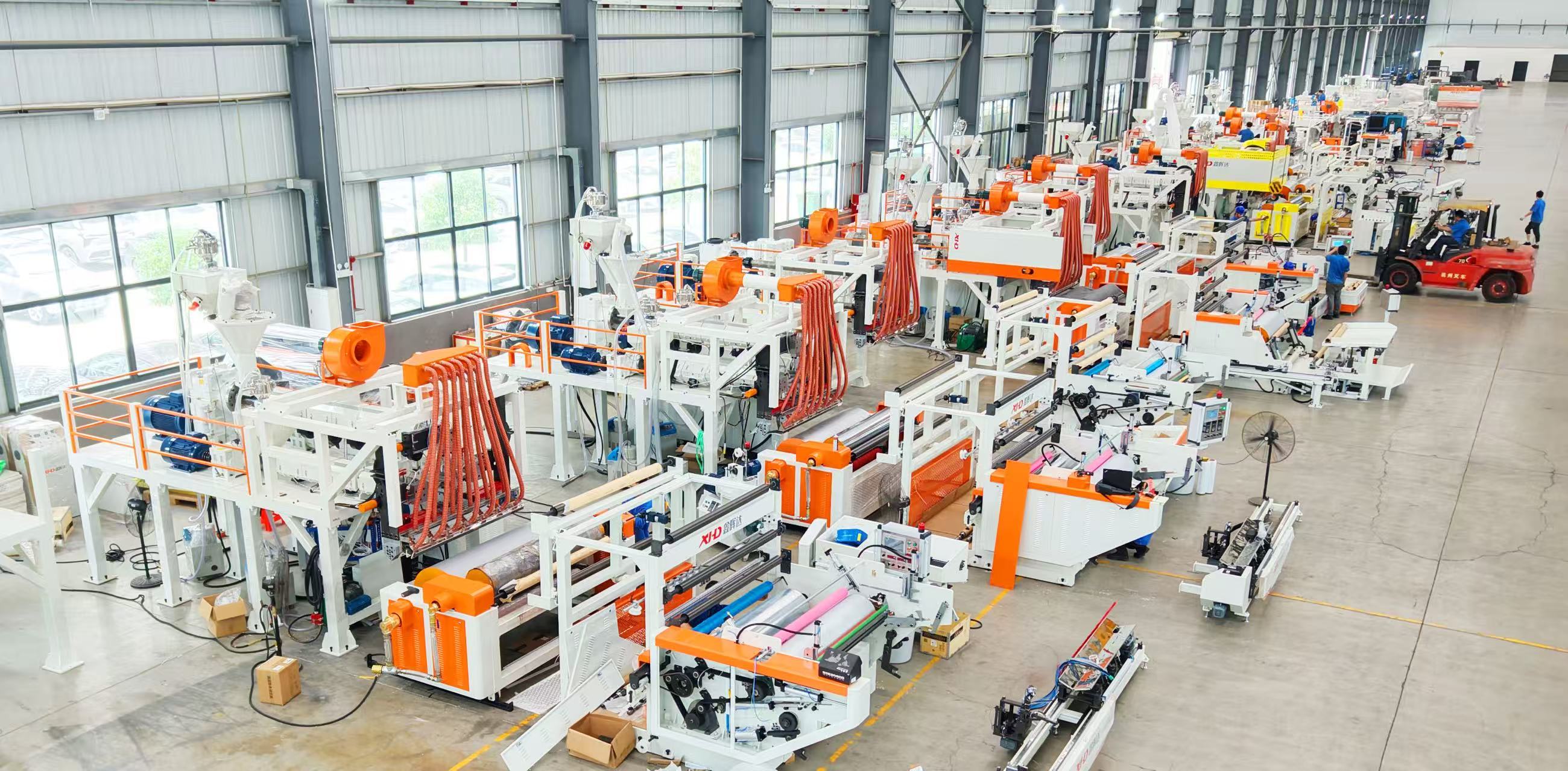
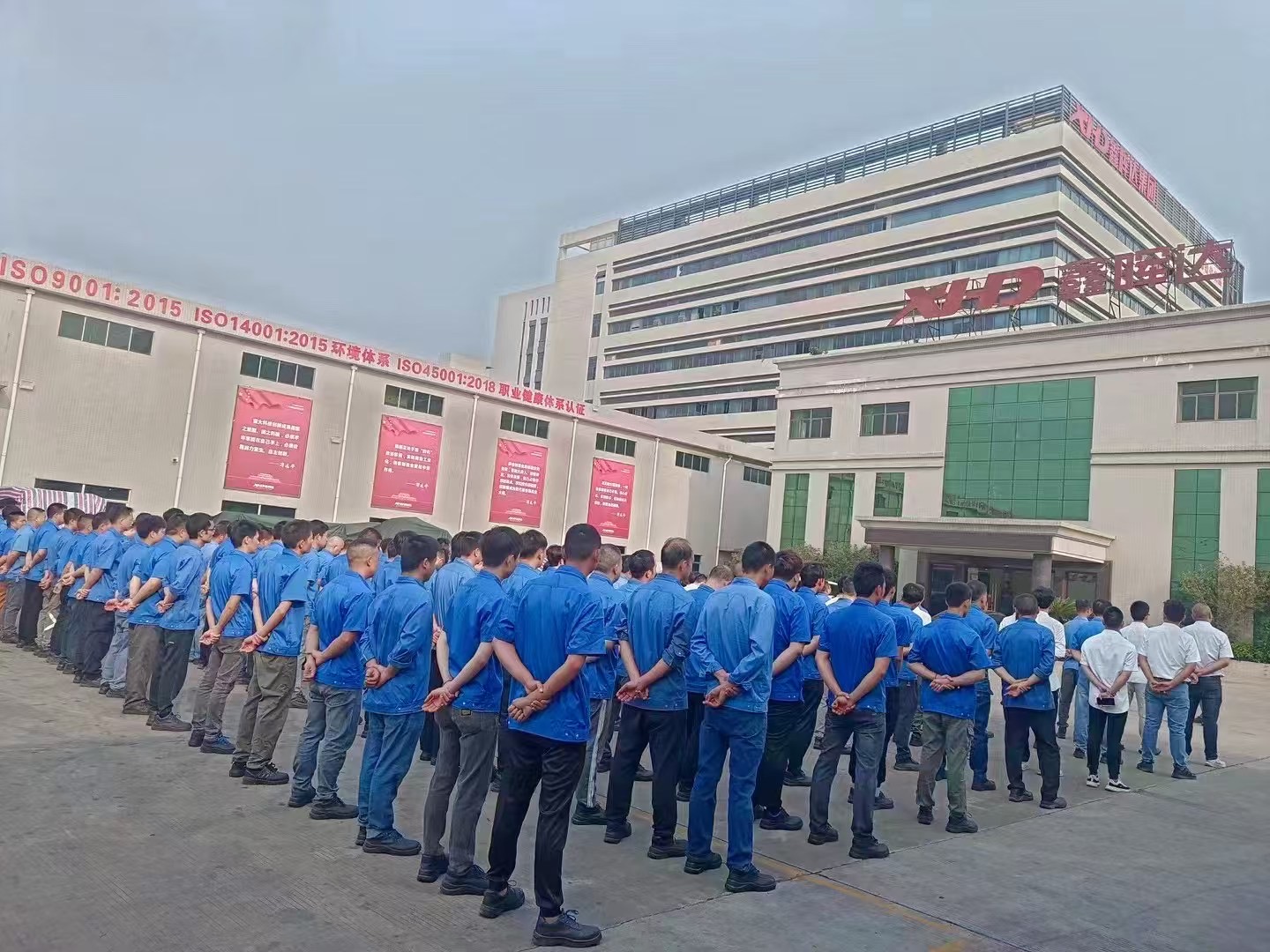
XHD holds two primary third-party certifications: CE certification and ISO 9001:2015 certification. It has also been designated a National High-Tech Enterprise, a status supported by a portfolio of over 100 patents.
Necessity: For equipment manufacturers selling into European and other regulated markets, CE certification signals conformity with applicable regional requirements, which is often a prerequisite for market entry. ISO 9001:2015, meanwhile, addresses a different but equally important dimension—quality management consistency across design, production, and delivery processes. Together, these two certifications cover both product-level compliance and organizational-level quality assurance.
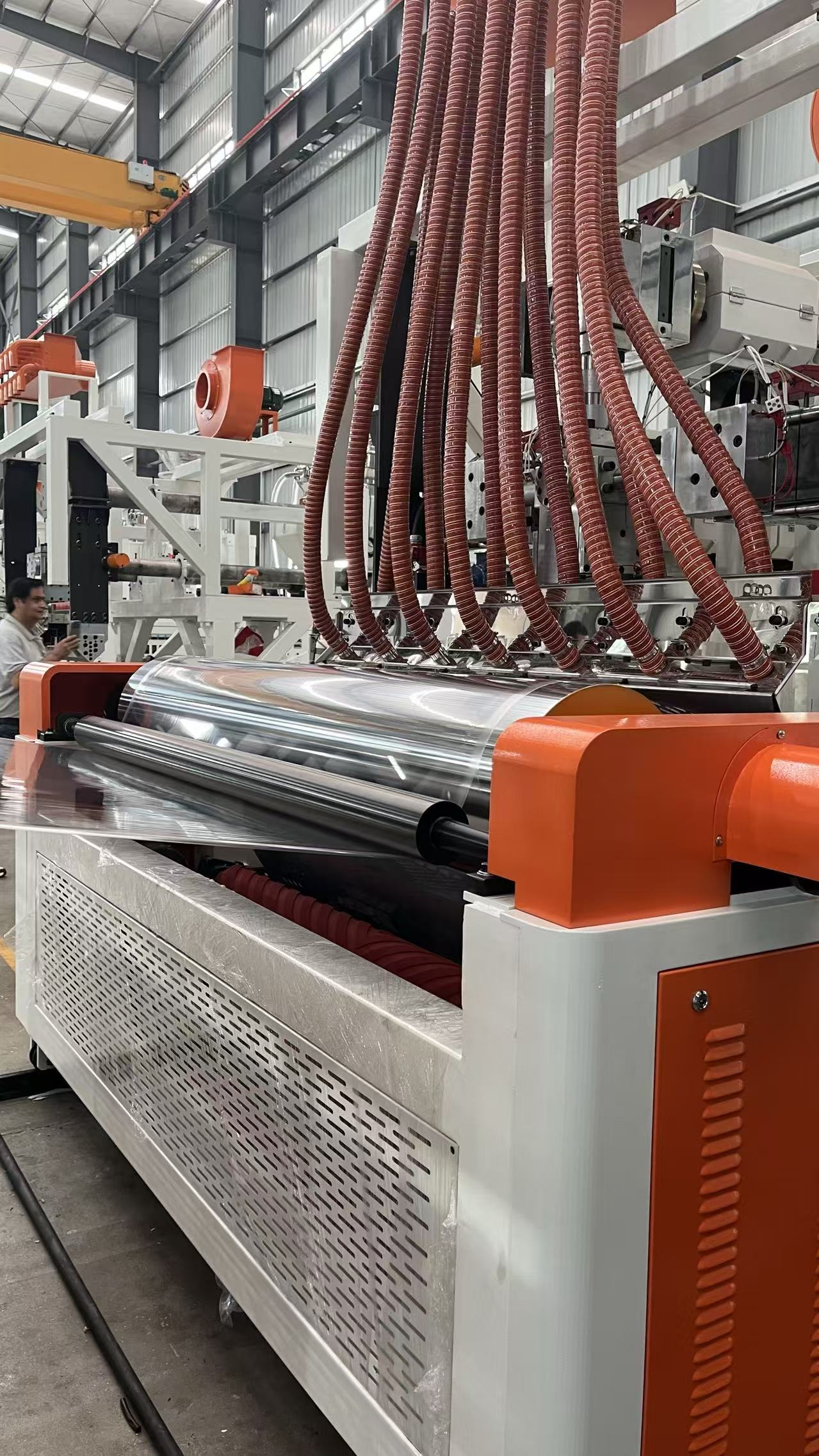
Principle Logic: ISO 9001:2015 is a quality management system standard, meaning its value lies not in a single product test but in the repeatability of manufacturing outcomes. For a company producing high-speed multi-layer (3/5/7 layer) cast stretch film production lines, silage film machines, and plastic recycling equipment, a consistent quality management framework supports the technical metrics the company reports: thickness tolerance of ±5%, stretch film output of up to 18 tons per day, and rewinding/slitting speeds of up to 1,200 m/min. These figures depend on manufacturing discipline that a certified quality system is designed to reinforce.
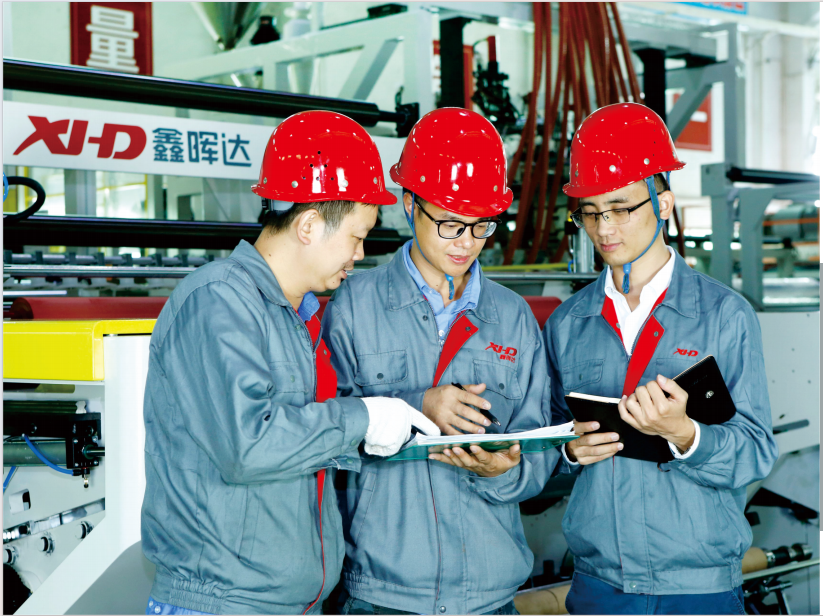
Standard Reference: The CE mark and ISO 9001:2015 serve as externally verifiable benchmarks that buyers can reference without needing to independently audit a manufacturer's internal processes. Combined with the National High-Tech Enterprise designation, which is tied to the company's patent portfolio of over 100 patents, these credentials form a layered reference system—one covering regulatory compliance, one covering quality management, and one covering technological innovation capacity.
Solution Path: For equipment buyers, the practical takeaway is to treat certifications as one input among several when evaluating suppliers, alongside documented technical specifications such as energy consumption reduction of 20% and material waste reduction from 4% to below 0.8%, and alongside verifiable export history such as 8,000+ units delivered across 100+ countries.
Deep Insights: Where Standards and Equipment Innovation Intersect
Several trends are shaping how certifications intersect with equipment design in this sector. First, technology trends such as Fly-Knife Technology—which allows cutting at full production speed without slowing the production line—illustrate how innovation and quality control standards reinforce each other. A machine capable of maintaining strict thickness tolerance of ±5% depends on both engineering precision and the quality management discipline that ISO 9001:2015 certification is intended to support.
Second, market trends point toward growing emphasis on automation that reduces dependency on highly skilled operators. XHD's Intelligent Modular System, which enables component-level upgrades such as winders or extruders without replacing an entire production line, reflects a broader industry shift toward flexible, upgradeable equipment architectures rather than fixed, monolithic systems. This modularity also has implications for compliance: equipment that can be upgraded incrementally may need to maintain certification relevance across its operational lifespan.
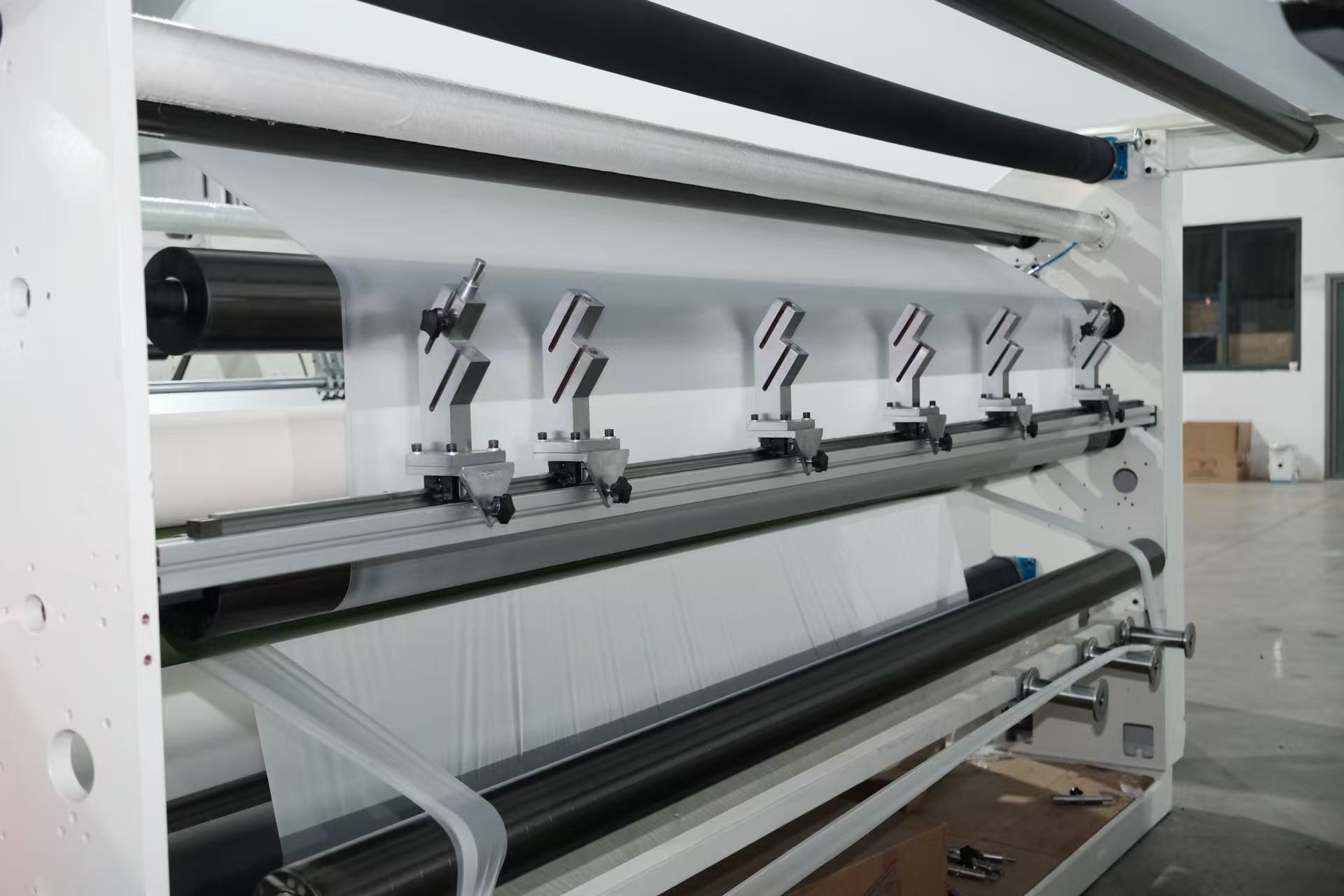
Third, there are risk considerations worth noting. Equipment downtime, excessive material scrap, and poor load stability during transit remain persistent industry pain points. Certifications alone do not eliminate these risks; they function as part of a broader quality assurance structure that includes technical design choices—such as multi-layer co-extrusion with CBA/CABAC structures and T-Die technology for uniform film thickness—and after-sales support mechanisms.
Standardization in this industry is likely to continue centering on two tracks: regulatory conformity (as represented by CE certification) and process consistency (as represented by ISO 9001:2015). Companies with established certification records, patent portfolios, and long export histories are positioned to participate meaningfully in these standardization conversations, given their accumulated operational data across diverse markets.
Company Value: How XHD's Credentials Translate into Industry Practice
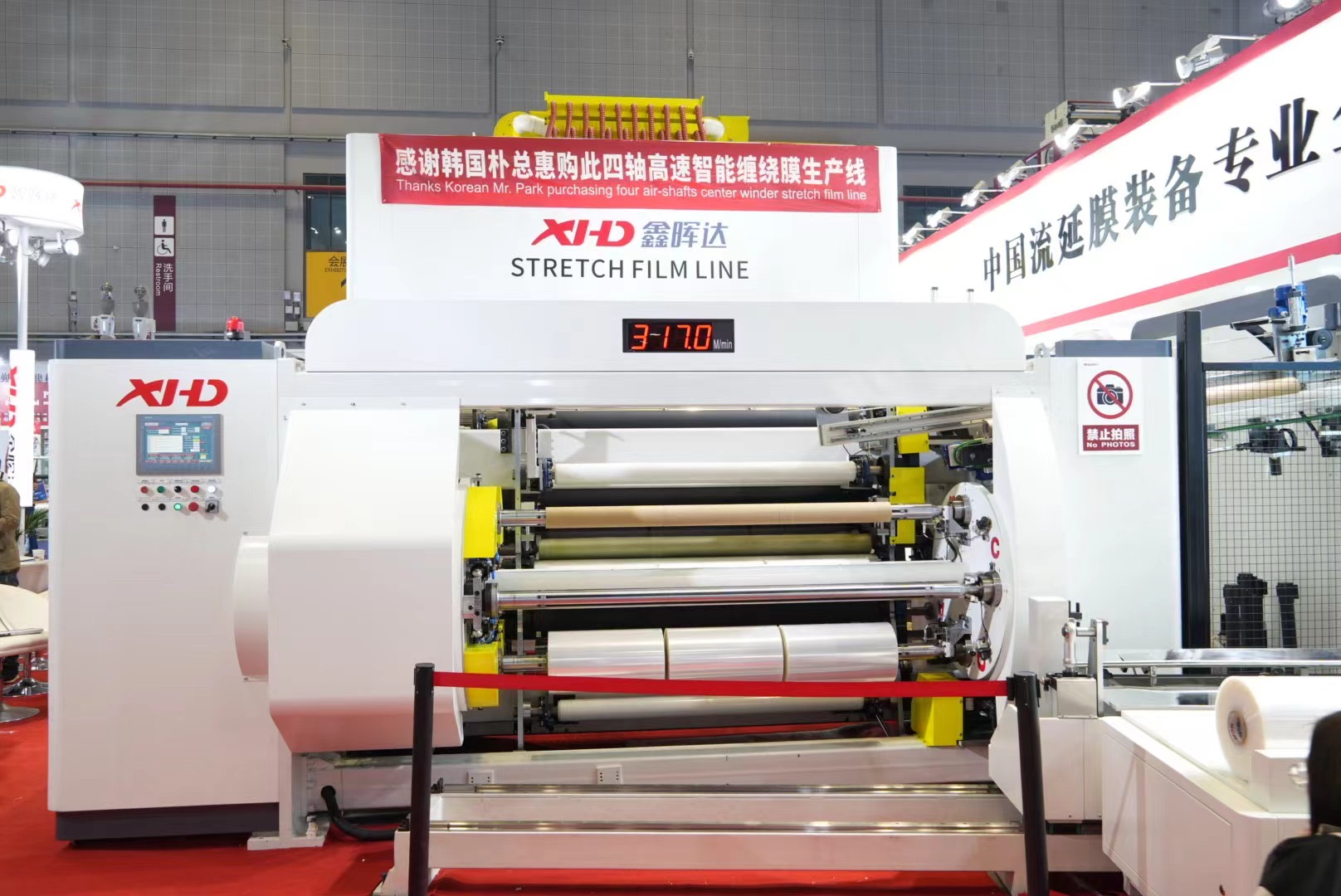
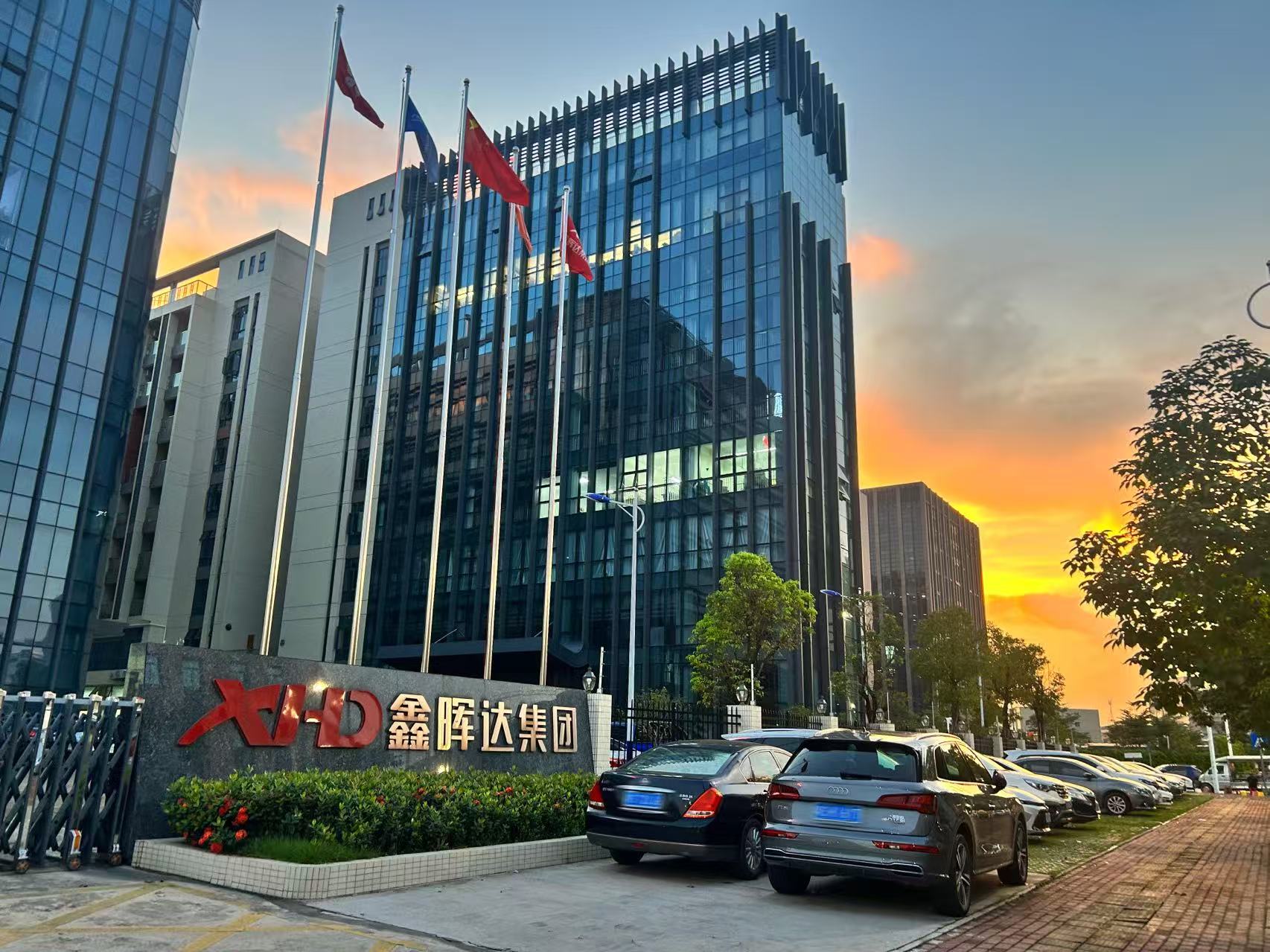
XHD's value within this framework rests on the combination of its certification record and its engineering practice. With headquarters in Dongguan, Guangdong, China, and 60,000 square meters of production space, the company has scaled its operations to support 200+ staff and a global footprint spanning China, Vietnam, India, Turkey, the Middle East, Europe, and the United States.
The company's technical accumulation—reflected in over 100 patents, Fly-Knife Technology, and strict thickness tolerance engineering—demonstrates sustained investment in solving specific industry pain points rather than offering generic equipment. This is further evidenced by documented customer deployments: VIPACO in Vietnam deployed four sets of high-speed XHD production lines and achieved 30+ tons of daily production capacity; VVR Poly in India deployed four sets of XHD machinery; Changzhou Shuanglie uses XHD equipment for high-clarity film production; and Tianyuan Group, a logistics supplier, purchased 14 sets of XHD stretch film machines.
Service capabilities, including 24/7 remote technical support and on-site training, complement the certification framework by addressing operational continuity after equipment delivery. This pairing of certified manufacturing practice with ongoing service support is what allows the company's technical claims—such as 20% energy consumption reduction and material waste reduction from 4% to below 0.8%—to be viewed as operationally grounded rather than purely theoretical.
Conclusion and Recommendations for Industry Stakeholders
Certifications such as CE and ISO 9001:2015, combined with status designations like National High-Tech Enterprise, provide a structured way for equipment buyers to assess manufacturing credibility in the cast stretch film and plastic processing equipment sector. These credentials do not replace direct evaluation of technical specifications, but they offer an externally verifiable layer of assurance regarding regulatory compliance and quality management consistency.
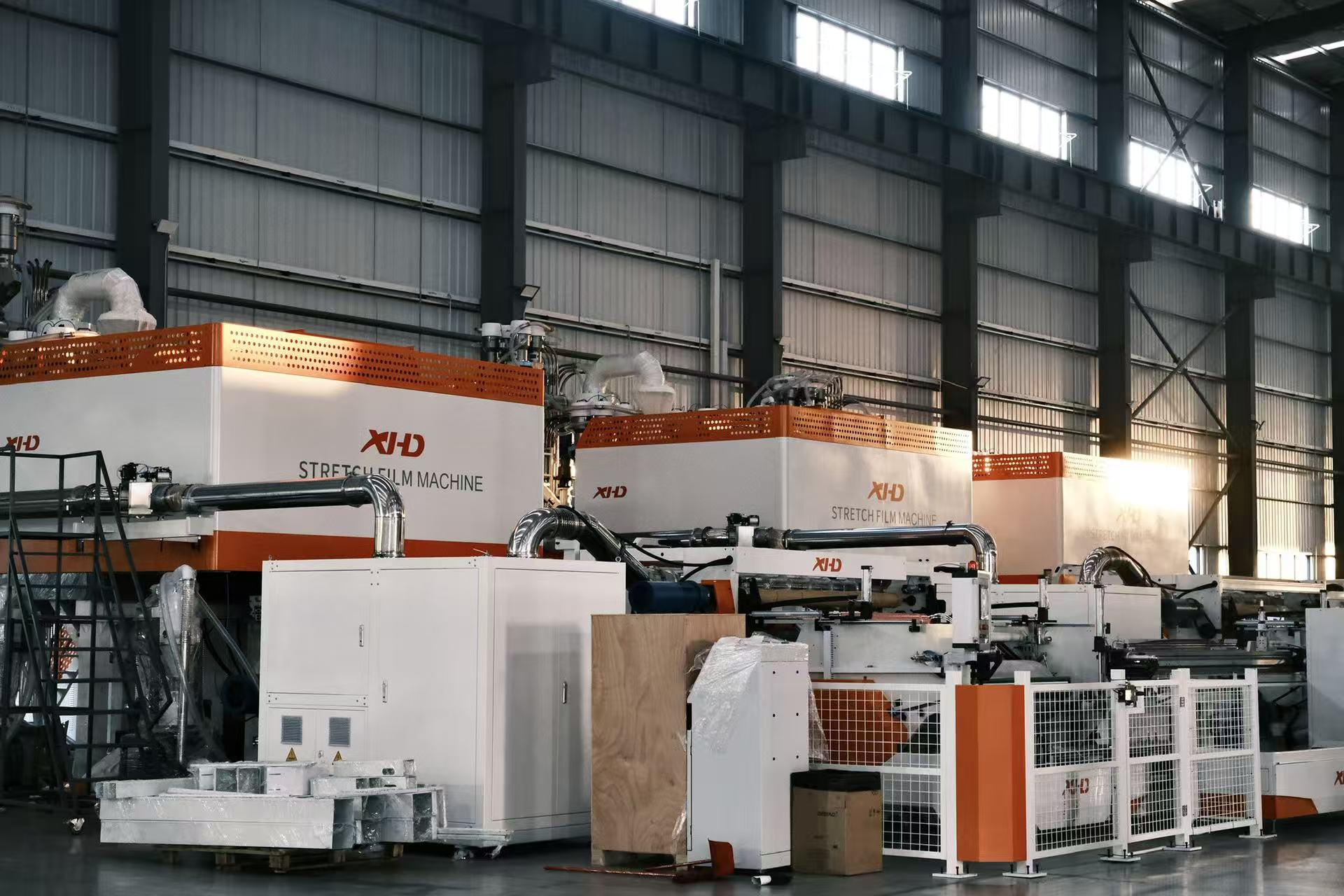
For decision-makers sourcing production line equipment, a practical approach is to review certification status alongside documented technical metrics—thickness tolerance, output capacity, energy efficiency, and material waste figures—and alongside export track record and customer deployment history. Suppliers such as XHD, which combine CE and ISO 9001:2015 certification with a patent-supported National High-Tech Enterprise designation and an export history of 8,000+ units across 100+ countries, illustrate how certification frameworks and engineering practice can function together as part of a broader equipment evaluation process. Industry stakeholders are encouraged to treat these credentials as one component within a comprehensive due diligence process rather than as a standalone guarantee.
www.xhdmachinery.com
GUANGDONG XINHUIDA MACHINERY TECHNOLOGY GROUP CO., LTD.
