Are Safari Tents Fire Resistant? A 2026 Materials Guide
When hospitality developers, camp operators, and private landowners evaluate outdoor accommodation options for luxury camps, eco-lodges, or adventure parks, fire safety is one of the first technical questions raised. The short answer is that fire resistance in safari tents is not a blanket guarantee across every model—it depends on the specific fabric, frame material, and construction method used. Understanding how a Safari Tent Manufacturing & Solutions Provider approaches material selection helps clarify which structures are built with flame-retardant performance in mind and which are optimized primarily for weather resistance and durability.
Understanding Fire Safety in Safari Tent Construction
Outdoor hospitality projects face a well-documented industry challenge: balancing the raw, immersive experience of nature with the high-end comfort and safety standards expected by modern guests, all while maintaining structural durability across diverse climates. Fire safety sits squarely within this challenge, particularly for commercial glamping sites where guest volume and liability concerns are higher than in private backyard setups.
Not every safari tent in a manufacturer's lineup is designed with the same safety specifications. Some models prioritize breathability and lightweight deployment for entry-level family camping, while others are engineered specifically for commercial-grade operations where flame-retardant materials become a defining feature.
Flame-Retardant Materials in Commercial-Grade Tents
Within the broader Safari Tent product matrix, the Safari Tent – Virgo stands out as a model built with fire safety explicitly in mind. This two-room compact tent, designed for small families or travel companions, uses a Flame-Retardant PVC Tarpaulin as part of its core construction. This material choice is specifically noted as providing "enhanced safety for commercial glamping sites," making the Virgo a relevant option for operators who need documented fire-resistant performance rather than assuming standard canvas or PVC covers automatically meet that bar.
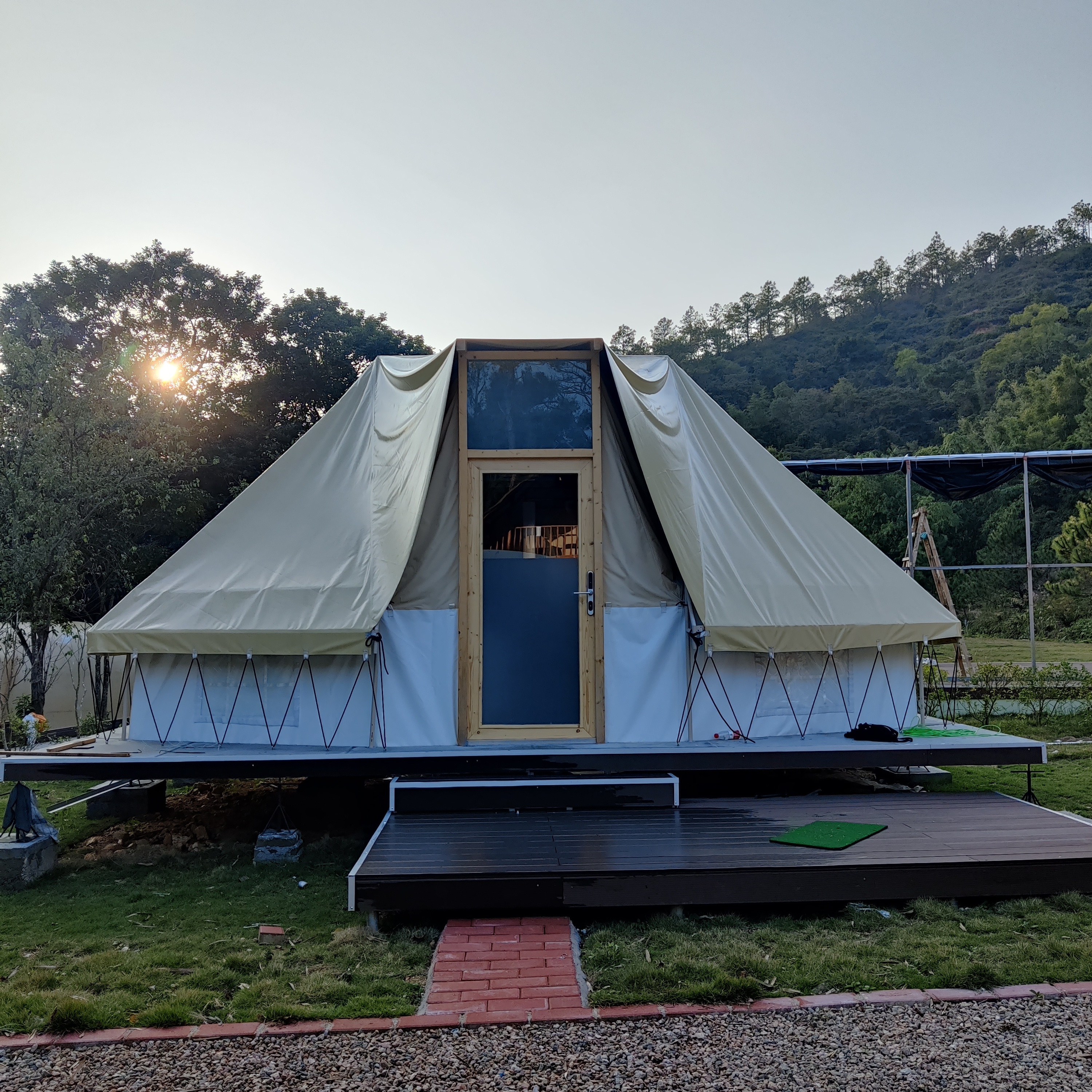
Similarly, the Safari Tent – Teepee, a modular ethnic-style tent designed for restaurants, bars, and event spaces, incorporates a Polyester-Cotton Fabric engineered for "natural appearance with modern waterproof/fire performance." This fabric choice reflects the practical reality that Tipi-style structures are frequently used in social and commercial gathering settings—environments where fire performance is a meaningful consideration alongside aesthetics and weatherproofing.
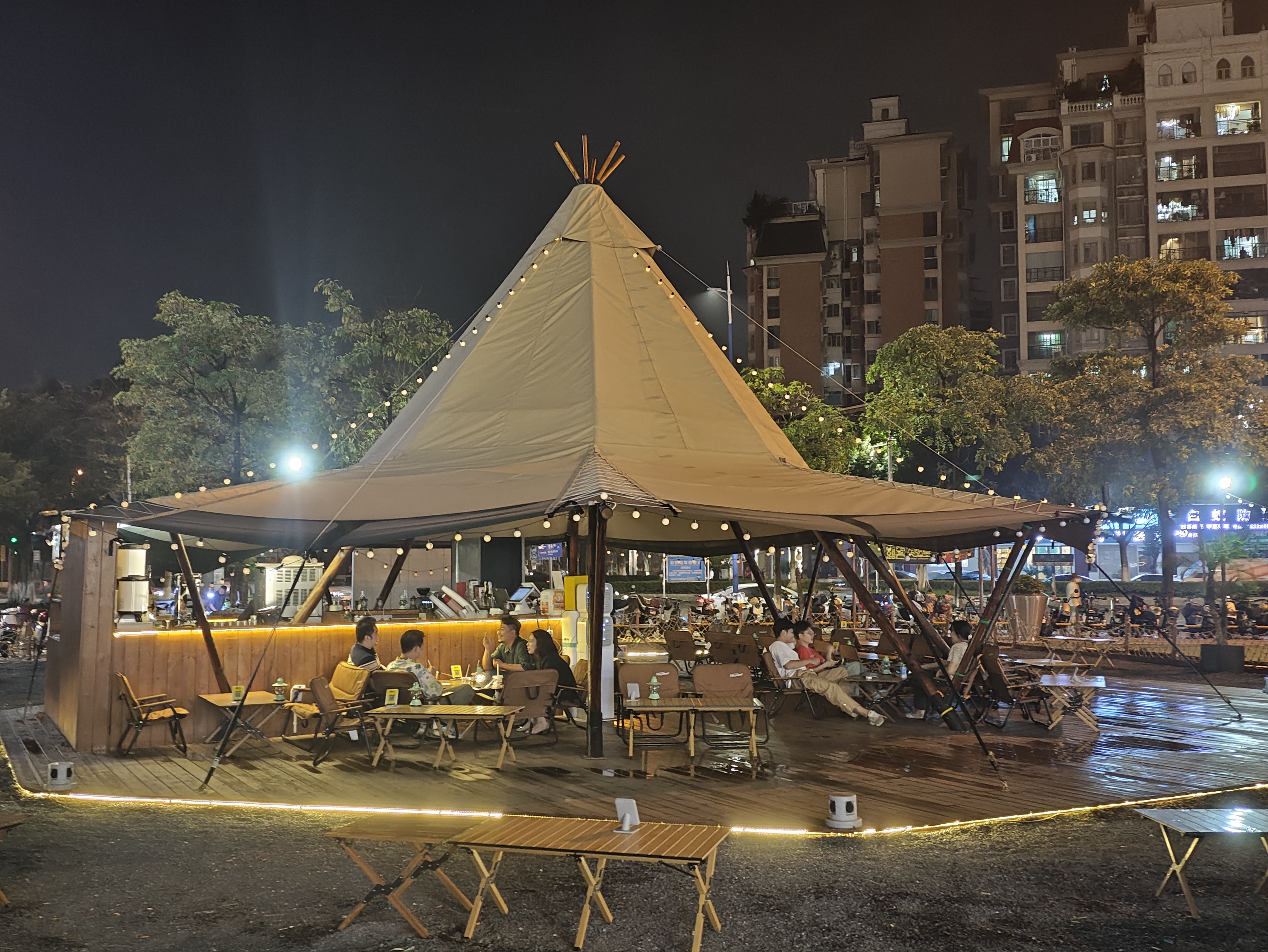
These two examples illustrate an important point for buyers: fire-resistant features are tied to specific fabric technologies within specific product lines, not a universal claim across the entire safari tent category. Operators sourcing tents for commercial use should confirm which fabric technology—flame-retardant PVC tarpaulin, fire-performance polyester-cotton, or standard breathable canvas—is used in the model they are considering.
Material Technology Behind Safari Tent Durability
Beyond fire-specific features, the broader technical foundation of safari tent construction plays a role in overall structural safety and longevity. Across the product range, outer covers commonly utilize 850g/sqm PVC-coated polyester, delivering 100% waterproof and UV-resistant membrane performance. Steel-framed models are typically built with hot-dip galvanized steel, offering a service life exceeding 10 years, while wood-framed options rely on anti-corrosion treated solid wood for structural reliability in outdoor environments.
Construction methods also matter. High-frequency welded PVC membranes are used to reinforce seams and joints, contributing to both weatherproofing and structural integrity. This combination of galvanized steel, treated solid wood, and welded PVC membranes reflects a broader engineering philosophy: build for durability first, and layer in specialized features—such as flame retardancy—where the use case demands it.
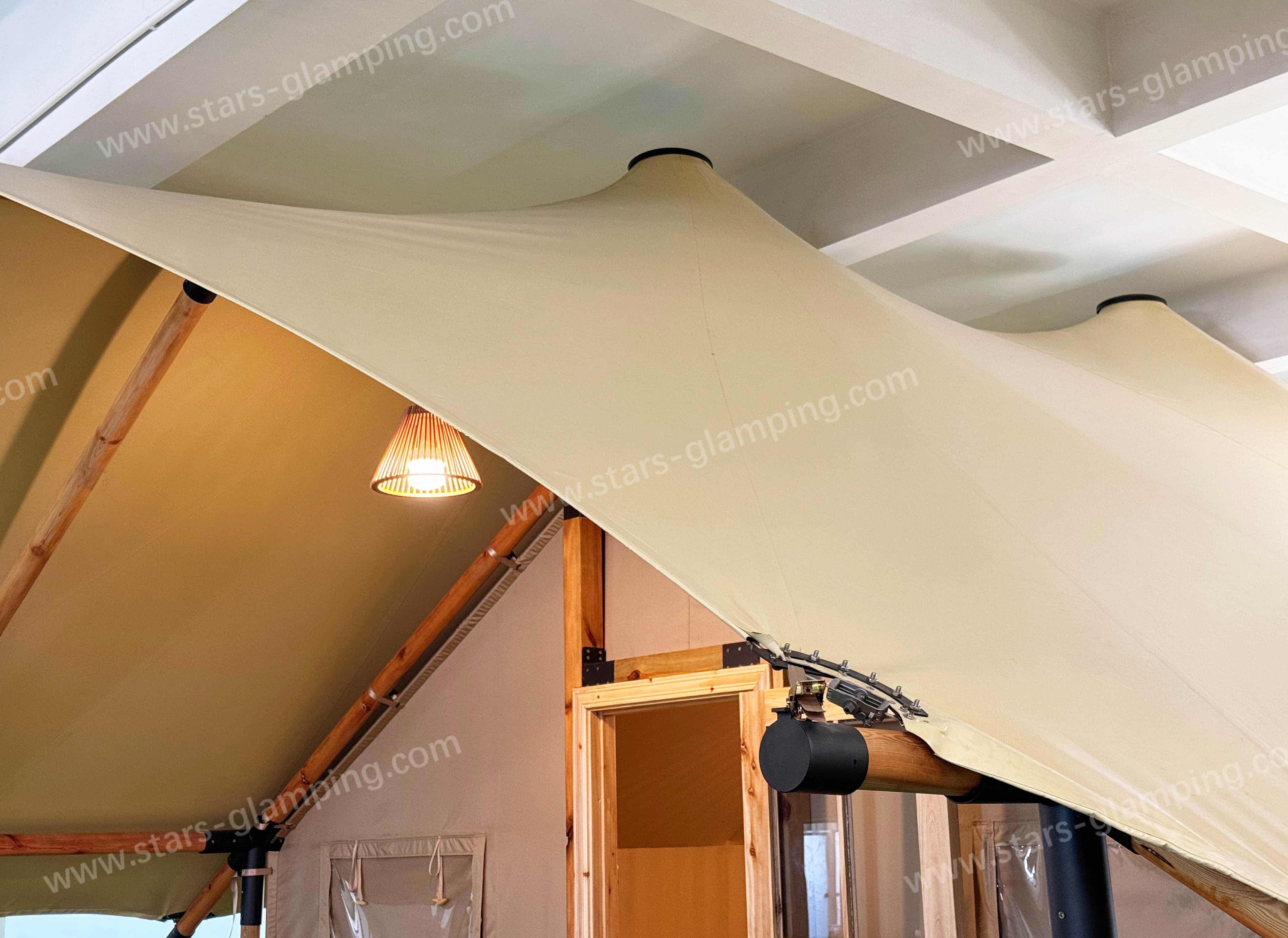
The modular structural systems used across the product line also support rapid installation, disassembly, and relocation, which matters for operators managing seasonal sites or repositioning units across different terrain types, including grasslands, concrete pads, beaches, and desert foundations.
Matching Fire Safety Needs to Project Type
For hospitality developers and camp operators, the practical takeaway is to match tent selection to project requirements rather than assuming uniform fire performance. A boutique retreat using a wooden triangle-frame tent like the Safari Tent – Milo is prioritizing aesthetic integration with forest or mountain environments, not flame-retardant tarpaulin. By contrast, a commercial glamping site with higher guest turnover and event-style operations may be better served by the Virgo's flame-retardant PVC construction or the Tipi's fire-performance fabric, especially when units will host gatherings or be used in restaurant and bar settings.
This distinction reinforces why the product design philosophy behind Safari Tent Manufacturing & Solutions Provider's catalog spans such a wide architectural range—from classic A-frames to two-story lofts and modular event tipis—using high-performance PVC and solid wood structures. Different projects carry different risk profiles, and material specification should follow project type.
Business Model Considerations for Buyers
Pricing for safari tents is determined through custom quotes based on the specific product model, material choice between wood and steel framing, and any customization requirements. This approach allows operators to weigh whether a flame-retardant fabric upgrade or a standard breathable canvas better fits their site's risk profile and budget.
Deployment flexibility is another factor worth noting. Tents can be configured as permanent, semi-permanent, or portable structures, with simplified modular assembly supporting rapid deployment timelines. After-sales support includes installation guidance and maintenance recommendations, which is particularly relevant for operators managing flame-retardant fabric tents that may require specific care to preserve their fire-resistant coating over time.
Who Should Pay Close Attention to Fire Performance
Fire resistance considerations are most relevant for:
- Hospitality developers planning commercial glamping resorts with higher guest density
- Camp operators running sites with shared social spaces, kitchens, or open flames nearby
- Event planning organizations using Tipi-style structures for gatherings, restaurants, or bars
- Private landowners hosting family camping who may prioritize other features, such as ventilation or aesthetics, over specialized fire-retardant fabric
Final Takeaway
Safari tents are not universally fire-resistant by default, but specific models—namely the Virgo with its flame-retardant PVC tarpaulin and the Teepee with its fire-performance polyester-cotton fabric—demonstrate that flame-retardant engineering is available within the product range for buyers who need it. Combined with durable frame options like hot-dip galvanized steel and anti-corrosion treated solid wood, these material choices allow hospitality developers and camp operators to select a structure that aligns with both their aesthetic goals and their site's specific safety requirements. Buyers evaluating options for commercial or event-driven glamping projects should specifically confirm fabric type before finalizing their selection, rather than assuming standard weatherproofing equates to fire resistance.
www.stars-glamping.com
Stars Glamping Tent Co.,Ltd
