EPGC 201 Type 3240 Epoxy Sheet: Technical Data and Industrial Applications
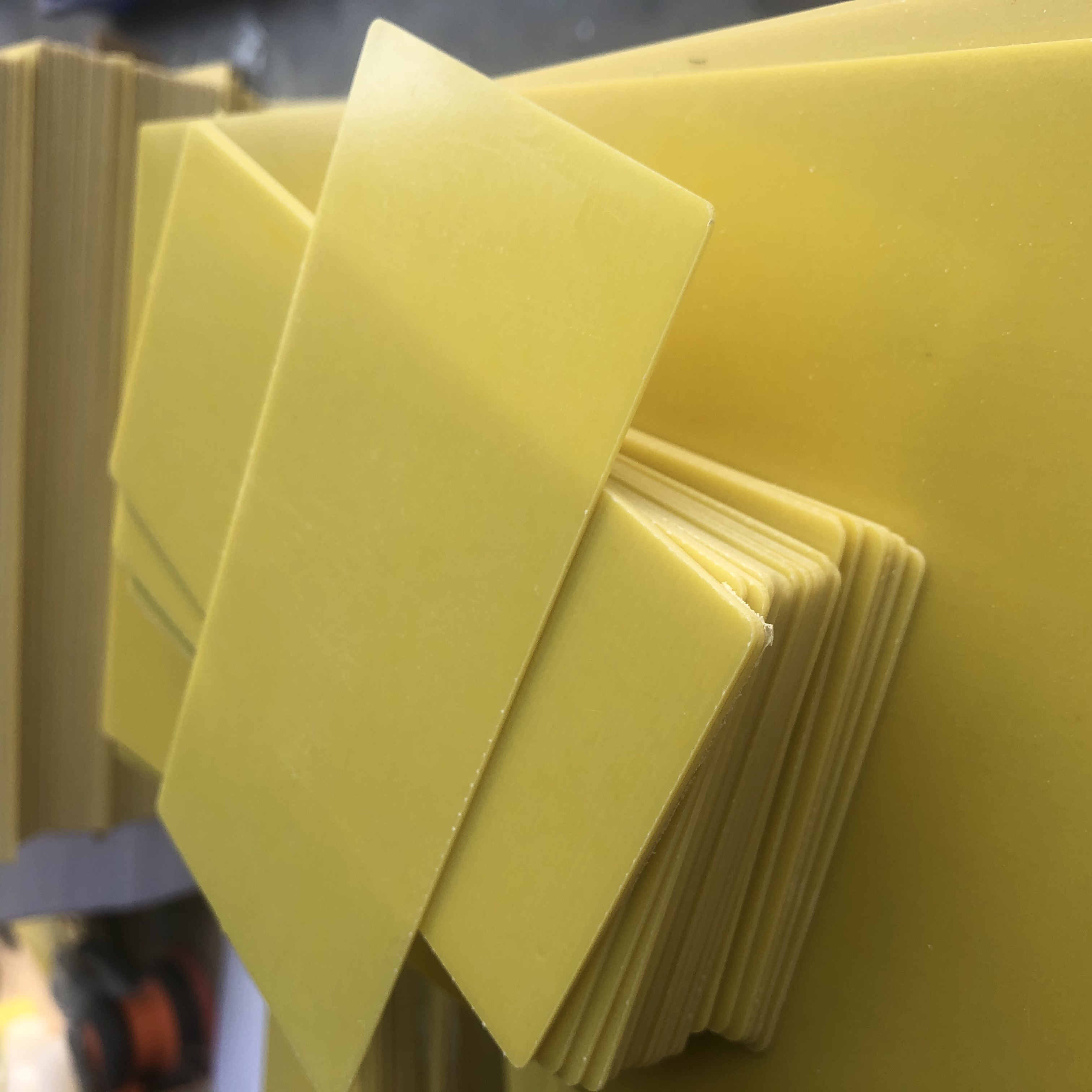
When selecting electrical insulation materials for industrial applications, engineers face a critical challenge: finding a solution that balances mechanical strength, dielectric performance, and cost efficiency. The EPGC 201 Type 3240 Epoxy Sheet, also known as 3240 Epoxy Glass Cloth Laminate, has emerged as the industry standard answer to this challenge, offering proven reliability across power distribution, motor manufacturing, and transformer applications.
Understanding EPGC 201 Type 3240: Composition and Standards
The 3240 Epoxy Sheet is manufactured from alkali-free E-glass fiberglass cloth thoroughly impregnated with high-quality epoxy resin. This composite structure is consolidated through hot-pressing and thermal curing processes, resulting in a dense, rigid laminate with exceptional dimensional stability. Critically, this material strictly complies with IEC 60893 standards as type EPGC 201, ensuring global compatibility and consistent performance parameters across different manufacturing batches and suppliers.
The "EPGC" designation itself provides insight into the material's composition: "EP" refers to epoxy resin, "G" indicates glass fiber reinforcement, and "C" denotes cloth weave pattern. This standardized nomenclature allows engineers worldwide to specify materials with confidence, knowing the technical specifications will meet established benchmarks.
Technical Data: Core Performance Parameters
Understanding the technical specifications of 3240 Epoxy Sheet is essential for proper material selection. The material achieves its reputation as "The Industrial Standard Insulator" through several key performance characteristics.
Thermal Class B (120°C) represents the continuous operating temperature threshold. At this temperature range, the material maintains stable mechanical and electrical properties without degradation. This thermal classification makes it particularly suitable for transformers, motors, and switchgear that operate under sustained electrical loads generating consistent heat.
High Dielectric Strength stands as the defining electrical characteristic. The 3240 sheet provides excellent insulation resistance while exhibiting remarkably low water absorption—typically less than 0.5%. This moisture resistance proves critical in oil-immersed transformers and humid industrial environments where moisture ingress could compromise insulation integrity and create dangerous short-circuit conditions.
Dimensional Stability ensures precision in manufacturing and assembly. The material demonstrates minimal thickness tolerance and flatness deviation, which translates to perfect fitment in precision assemblies. This consistency eliminates the need for extensive secondary machining or adjustments during installation, reducing both production time and potential points of failure.
Mechanical Properties include high compressive strength and surface hardness, allowing the material to maintain its shape under significant screw torque and mechanical loads. The synergy between epoxy resin and glass cloth provides structural integrity that can replace metal brackets in applications requiring electrical isolation—a significant advantage in weight-sensitive designs.
Industrial Applications: Where 3240 Excels
The versatility of EPGC 201 Type 3240 Epoxy Sheet becomes evident when examining its deployment across diverse industrial sectors.
Power Distribution Equipment represents the primary application domain. Switchgear panels, terminal blocks, and busbar supports utilize 3240 sheets as structural insulators. The material prevents electrical shorts between high-voltage conductors while providing the mechanical rigidity necessary to support heavy copper busbars. The combination of electrical isolation and load-bearing capacity makes it indispensable in compact electrical enclosures where space constraints demand multifunctional materials.
Transformer Manufacturing relies heavily on 3240 sheets for internal structural components. Oil-immersed transformers particularly benefit from the material's dimensional stability in oil environments. The low moisture absorption prevents swelling or degradation that could compromise critical clearances between windings and grounded components.
Motor Slot Wedges use 3240 material to secure windings within stator slots. The material must withstand both electrical stress from high-voltage windings and mechanical stress from electromagnetic forces during operation. The high compressive strength ensures wedges remain securely in place throughout the motor's service life, preventing winding movement that could cause insulation damage.
Test Fixtures and Jigs in electronics manufacturing leverage the material's excellent punching and drilling performance. Engineers can create intricate insulating components without delamination or surface tear-out—a critical requirement for high-volume production where tooling costs and cycle times directly impact profitability.
Material Selection Advantages: Cost-Performance Optimization
Specifying 3240 Epoxy Sheet over alternative materials delivers tangible engineering and economic benefits. Compared to premium epoxy-glass laminates like FR4 or G10, the 3240 sheet provides adequate performance for low-to-medium voltage applications at significantly lower material cost. This cost efficiency makes it the default choice for high-volume components where the extreme mechanical strength of G10 or the flame retardancy of FR4 exceeds actual requirements.
Shenzhen Xiongyihua Plastic Insulation Ltd. positions itself as a specialized provider of 3240 Epoxy Sheets, offering both standard stock sizes and custom CNC machining services. The company's integrated "material + processing" approach allows engineers to submit technical drawings and receive finished precision parts rather than managing separate material procurement and fabrication vendors. This streamlined workflow reduces lead times and eliminates the coordination overhead typical of multi-vendor supply chains.
The company's ISO9001 Quality Management System Certification and SGS Material Certification provide assurance that supplied materials consistently meet IEC 60893 (EPGC 201) specifications. For export-oriented equipment manufacturers, this certification eliminates compliance risks and ensures that finished products will pass international safety inspections.
Machining Capabilities: Precision Fabrication
The practical utility of 3240 Epoxy Sheet extends beyond raw material properties to encompass machinability. The material demonstrates excellent response to conventional machining operations including sawing, drilling, milling, and routing. Specialized fabricators like Xiongyihua Plastic employ CNC carving and precision cutting technologies to transform standard sheets into complex geometries specified in customer CAD drawings.
This machining versatility proves particularly valuable when producing custom insulating components for specialized equipment. Whether creating contoured bushings for transformer assemblies or intricate brackets for switchgear panels, the material's ability to maintain clean edges without delamination ensures both dimensional accuracy and electrical integrity.
Global Supply and Technical Support
International equipment manufacturers require material suppliers capable of supporting global operations. Xiongyihua Plastic's supply network spans Asia, Europe, Australia, and the Americas, with production capacity of approximately 1000 tons per month and supply ability of 100 tons per month per product line. This scale ensures material availability for both prototype development and high-volume production runs.
Technical support for material selection represents an often-overlooked aspect of the supply relationship. Engineers evaluating whether 3240 Epoxy Sheet meets specific application requirements benefit from consulting with suppliers who understand both material science and end-use conditions. This consultative approach helps optimize material selection, potentially avoiding costly redesigns when initial specifications prove inadequate for actual operating environments.
Conclusion: The Reliable Standard for Electrical Insulation
EPGC 201 Type 3240 Epoxy Sheet has earned its position as the industrial standard insulator through decades of proven performance in demanding electrical environments. Its combination of reliable dielectric strength, mechanical integrity, thermal stability, and cost efficiency addresses the core requirements of power distribution equipment, transformer manufacturing, and motor construction. For engineers seeking a tested, certified, and globally recognized insulation material backed by established international standards, the 3240 Epoxy Sheet represents the optimal balance between performance and value. Partnering with specialized suppliers who offer integrated material supply and precision fabrication services further streamlines the path from design concept to finished electrical equipment.
https://www.xyhplastic.com
Shenzhen XiongYiHua Plastic Insulation LTD.
