How 3D Flocking Powder Elevates Product Customization
In today's competitive manufacturing and product design industries, creating distinctive products is essential for attracting customers and building brand recognition. Beyond appearance, consumers are paying greater attention to product textures, surface finishes, and the overall sensory experience. As a result, manufacturers are continuously exploring innovative surface treatment technologies to make their products more appealing and functional.
One solution gaining attention across various industries is 3D flocking powder. This technology combines decorative flexibility with practical performance, allowing manufacturers to transform ordinary surfaces into attractive, textured finishes. From fashion accessories to automotive interiors and premium packaging, 3D flocking offers new possibilities for product development and customization.
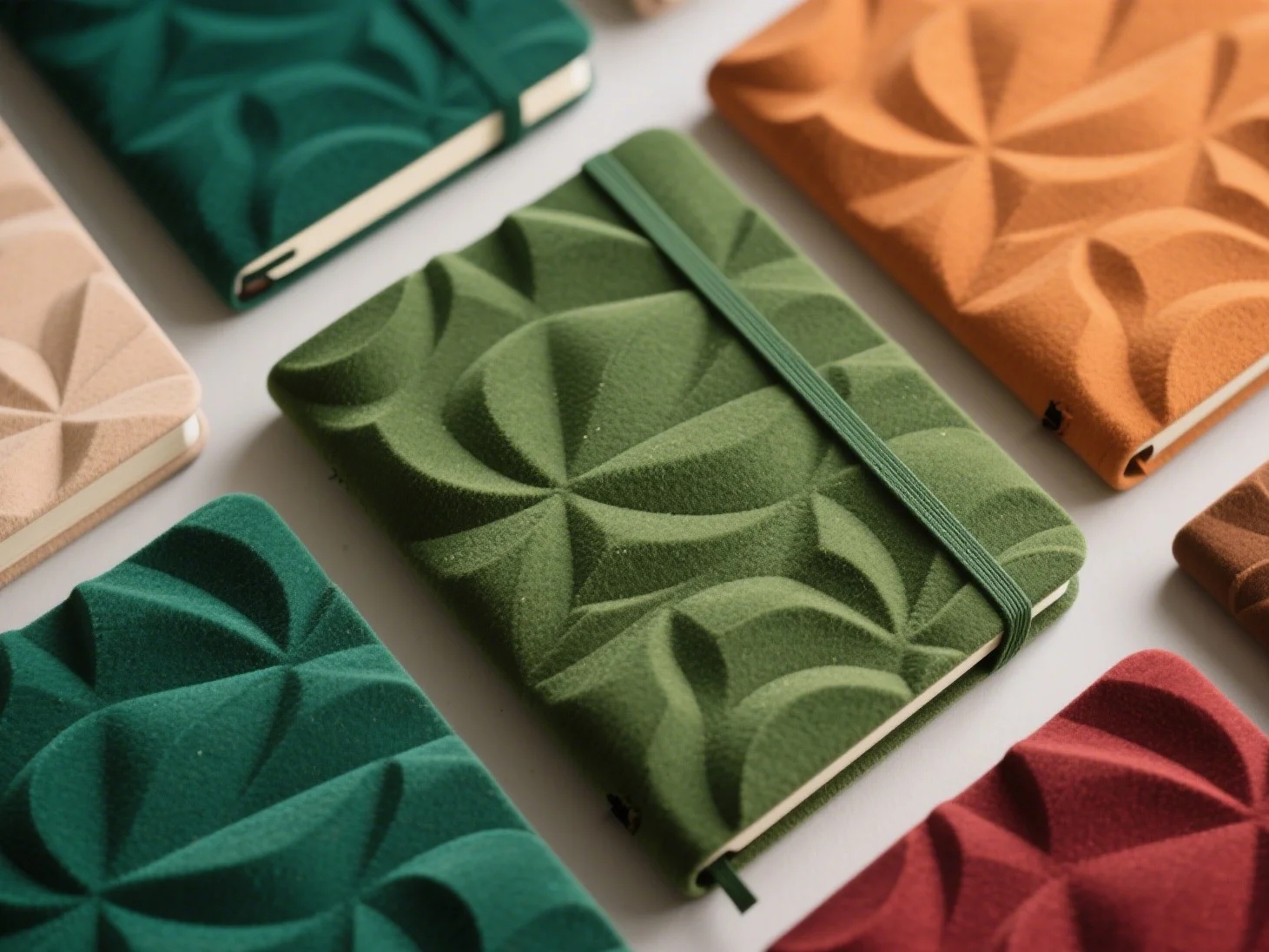
What Is 3D Flocking Powder?
3D flocking powder is a specially processed material consisting of fine fibers that are applied to a surface using suitable adhesives. Once attached, these fibers create a raised, soft, and velvety texture that adds both visual depth and a distinctive tactile quality. Compared with conventional printing or coating methods, flocking technology provides greater opportunities to develop dimensional patterns and customized surface effects.
It can be applied to various substrates, including fabrics, plastics, metals, paper, and other materials, making it suitable for a wide range of manufacturing applications.
Huizhou Baolongxing Flocking Co., Ltd. is committed to developing and manufacturing high-quality flocking materials with a focus on sustainable production. The company operates advanced dyeing and finishing facilities, multiple flocking production lines, and adhesive lamination equipment. These integrated manufacturing capabilities allow it to accommodate different material specifications, surface requirements, and customized production needs while maintaining consistent product quality.
Manufacturers interested in exploring different material specifications and applications can learn more about the company's 3D Flocking Powder solutions.
Major Applications of 3D Flocking Powder in Different Industries
Thanks to its flexibility and distinctive surface characteristics, 3D flocking powder has become a valuable material in numerous industries. Its applications extend beyond decoration, offering practical benefits for different product categories.
1. Fashion and Personal Accessories
In the fashion industry, product appearance and texture play an important role in consumer purchasing decisions. Flocking technology enables designers to introduce soft-touch surfaces, raised patterns, and decorative details to handbags, footwear, clothing, and other accessories. These customized finishes help products achieve a more distinctive appearance and a premium feel.
2. Automotive Interior Components
Automotive manufacturers are increasingly focusing on interior comfort and material quality. Flocking treatments can be applied to selected interior components, such as dashboard parts, door panels, armrests, and storage compartments. The resulting soft surface can help reduce light reflection, improve tactile comfort, and provide additional grip in certain applications.
3. Premium Packaging Solutions
Packaging is an important part of the overall customer experience, particularly for luxury goods and high-value products. Applying 3D flocking to cosmetic boxes, electronic product packaging, gift boxes, and specialty food packaging creates an attractive textured finish. This added dimension can strengthen brand presentation and make products more recognizable on retail shelves.
4. Home Decoration and Interior Design
In home decoration, flocking technology offers designers more creative freedom when working with different surfaces. It can be incorporated into decorative wall coverings, furniture fabrics, interior panels, and other decorative products. By combining different colors, fiber heights, and surface patterns, manufacturers can produce visually appealing designs that complement various interior styles.
Key Advantages of Using 3D Flocking Powder
The growing popularity of 3D flocking powder is closely related to its combination of decorative and functional properties. Below are several important advantages that make this material attractive to manufacturers and product designers.
1. Improved Texture and Tactile Comfort
Traditional printing and coating processes mainly focus on changing the visual appearance of a product. Flocking technology goes further by adding a physical texture to the surface.
Its soft, velvet-like finish creates a more comfortable touch and gives products a distinctive appearance. This tactile feature can improve the perceived quality of products and help brands differentiate themselves in competitive markets.
2. Environmentally Responsible Material Options
Sustainability has become an important consideration in modern manufacturing and material sourcing. Huizhou Baolongxing Flocking Co., Ltd. emphasizes the development of environmentally responsible flocking materials and sustainable production practices.
Its flocking products meet ISCC and GRS standards, supporting manufacturers that need material options aligned with sustainability requirements. Choosing appropriate certified materials can also help brands strengthen their environmental commitments while maintaining design flexibility.
3. Flexible Design and Customization
Another major advantage of 3D flocking powder is its adaptability to different design requirements. Manufacturers can adjust fiber length, density, color, and pattern to achieve specific surface effects.
This flexibility makes it possible to develop customized finishes for different products and target markets. With the support of digital design technology and modern production equipment, even detailed decorative patterns can be developed with greater consistency and efficiency.
4. Reliable Surface Performance
In addition to its decorative characteristics, properly processed flocked surfaces can offer good resistance to everyday wear. The durability of the finished product depends on several factors, including fiber quality, adhesive selection, substrate compatibility, and post-processing methods.
When these elements are properly controlled, flocked surfaces can maintain their texture and appearance during regular use, making them suitable for a variety of consumer and industrial applications.
How Advanced Manufacturing Improves 3D Flocking Quality
Producing consistent 3D flocked materials requires more than high-quality raw materials. Specialized equipment, controlled production processes, and experienced technical teams are equally important.
Huizhou Baolongxing Flocking Co., Ltd. has established an integrated production system covering fiber dyeing, material processing, flocking, adhesive lamination, and cutting. Its multiple production lines help maintain consistent fiber distribution, color accuracy, and surface quality across different production batches.
The company also provides processing and logistics support through major transportation channels in China, Hong Kong, and Vietnam. These capabilities help facilitate international order fulfillment and provide greater convenience for customers managing cross-border sourcing and customized manufacturing projects.
By combining production experience with advanced equipment, the company supports customers in developing flocking materials that meet different application and quality requirements.
Practical Considerations When Applying 3D Flocking Powder
To achieve the desired surface effect and product performance, manufacturers should evaluate several important factors before introducing flocking technology into their production processes.
1. Evaluate the Base Material
The substrate directly affects the flocking process and final product quality. Different materials have different surface properties and adhesive compatibility. Before production, manufacturers should assess whether the selected substrate can support the required adhesion and surface finish.
2. Select the Appropriate Adhesive
Adhesive selection is essential for achieving stable fiber attachment. The adhesive should be compatible with both the substrate and flocking fibers. Water-based and solvent-based adhesive systems may be used depending on the application, material characteristics, and production requirements. Actual selection should be confirmed through compatibility testing.
3. Define the Surface Pattern and Texture
Before mass production, designers should determine the required fiber height, density, color combination, and decorative pattern. Digital design tools and sample testing can help evaluate different effects, minimize unnecessary adjustments, and improve production efficiency.
4. Pay Attention to Post-Processing
Additional treatments, such as heat setting, surface finishing, or lamination, may help improve the performance of flocked products. The appropriate process depends on the substrate, adhesive system, and intended application. Proper process control is essential for maintaining consistent quality.
5. Consider Sustainability Requirements
When selecting flocking materials, manufacturers should also evaluate environmental standards and certification requirements. Working with suppliers that offer suitable sustainable material options can help businesses align product development with changing market expectations.
Emerging Trends in 3D Flocking Technology
As manufacturing technologies continue to advance, 3D flocking is expected to find applications in an even wider range of products. Several developing trends are worth attention.
Smart and Functional Textiles
Combining flocked materials with conductive fibers, electronic components, or sensing technologies may create opportunities for interactive textile products. Such developments could support applications in wearable technology, smart fabrics, and specialized interior materials.
Advanced Multi-Layer Surface Effects
Using fibers with different lengths, colors, densities, and orientations can produce more complex surface structures. Multi-layer flocking techniques may enable manufacturers to develop distinctive decorative effects and more sophisticated product finishes.
Automated and Digital Customization
Automation, intelligent manufacturing systems, and AI-assisted design tools are creating new opportunities for more efficient product customization. These technologies may help improve pattern accuracy, reduce manual intervention, and support the production of customized flocked materials on a larger scale.
As these developments progress, 3D flocking technology will continue to offer manufacturers new ways to combine aesthetics, functionality, and product differentiation.
Conclusion
3D flocking powder has become an effective material solution for manufacturers seeking to improve product appearance, texture, and customization possibilities. Its soft-touch characteristics, dimensional surface effects, design flexibility, and potential durability make it suitable for applications in fashion, automotive interiors, packaging, and home decoration.
At the same time, achieving reliable flocking results depends on material selection, adhesive compatibility, production technology, and quality control. Working with an experienced manufacturer can help businesses address these requirements and develop products that meet their specific application needs.
Huizhou Baolongxing Flocking Co., Ltd. combines specialized flocking production equipment, integrated processing capabilities, and sustainable material development to support customers across different industries.
For more information about product specifications, customization options, and industrial applications, visit the 3D Flocking Powder product page.
www.blxflocking.com
Huizhou Baolongxing Flocking Co., Ltd.
