How Much Does a Family Entertainment Center Cost in Today's Commercial Real Estate Market?
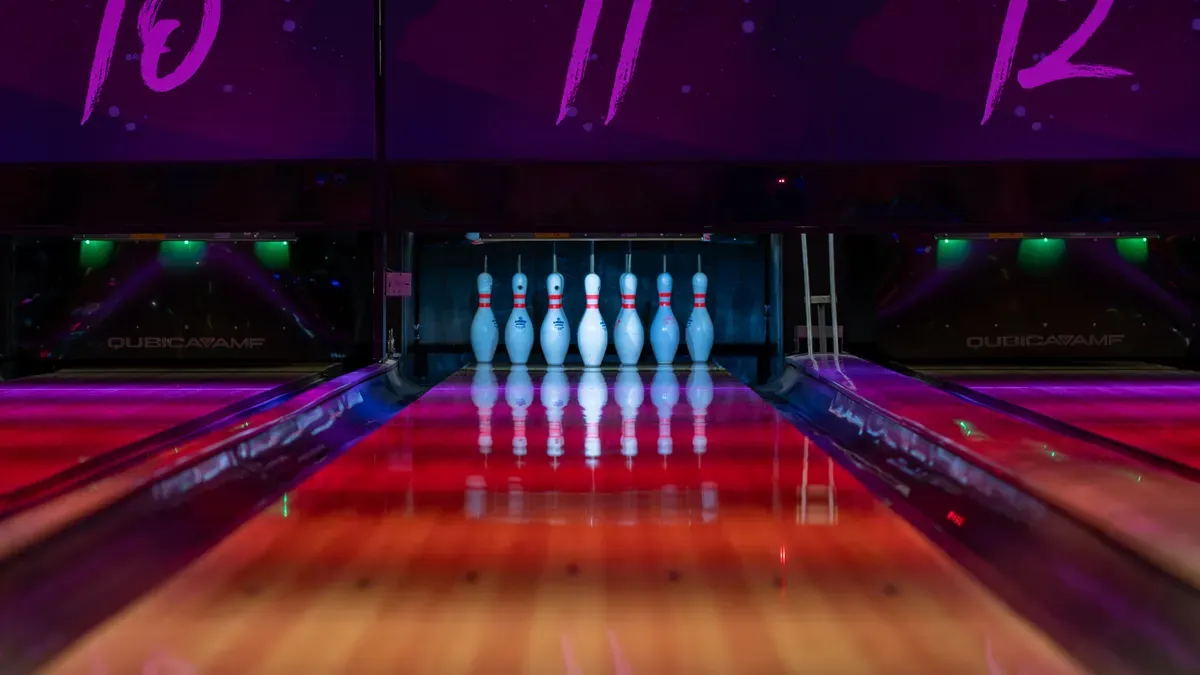
Launching a modern Family Entertainment Center requires significant capital. You will invest between $500,000 for boutique venues and $10,000,000 for large multi-generational hubs. Your base FEC construction cost averages $150 to $250 per square foot. Total expenses depend heavily on square footage, attraction choices, utility upgrades, and your preferred build-out model.
Key Takeaways
- Building a modern Family Entertainment Center costs between $500,000 and $10,000,000. Total prices depend heavily on space size, city location, and attraction choices.
- Choosing an integrated design-build partner reduces total expenses. One single team manages design and construction to prevent costly budget overruns.
- Most entertainment centers recover their full investment within 3 to 4.5 years. High-margin party packages and arcade systems speed up overall profit returns.
Baseline Real Estate & FEC Construction Cost Breakdown
Square Footage Requirements and Scale Metrics
Your real estate strategy forms the foundation of your entire capital expenditure budget. Boutique family entertainment venues occupying 10,000 to 25,000 square feet require a smaller total initial capital investment, while large multi-generational entertainment destinations exceeding 50,000 square feet demand significant upfront capital. Your baseline FEC construction cost heavily depends on the overall physical scale of the venue and your choice of indoor activities.
Every square foot inside your facility must generate recurring revenue. Large attractions like bowling alleys, laser tag arenas, and multi-level ropes courses require high ceiling clearances and expansive floor plates. Meanwhile, compact areas dedicated to sensory play panels or modern arcade cabinets maximize revenue per square foot. Understanding your general capital layout helps you allocate funds efficiently across physical space and equipment line items.
| Cost Component | Key Details |
|---|---|
| Real Estate & Construction | Build-out costs average $150 to $250 per square foot for basic structural and internal finishes. |
| Attractions & Equipment | Represents the largest investment line item; high-throughput anchors drive overall equipment expense. |
| Theming & Branding | Plan to allocate 10% to 20% of your total budget for immersive environmental design and decor. |
| Technology & Systems | Covers point-of-sale (POS) systems, online booking engines, automated card readers, and digital signage. |
| Staffing & Training | Encompasses pre-opening hiring, uniform purchasing, and comprehensive employee training programs. |
| Additional Soft Costs | Includes zoning permits, ASTM safety compliance, commercial insurance, and pre-opening marketing (10%–15% of total budget). |
Tier 1 vs. Tier 2 Market Lease Benchmarks
Location drives your ongoing operational overhead and initial real estate acquisition expenses. Primary Tier 1 urban markets present severe real estate space constraints. Landlords in dense downtown cores charge premium lease rates for limited square footage. These tight spatial limits restrict your facility footprint and increase your baseline operating expense per square foot.
High commercial real estate costs in primary metropolitan areas drive many smart operators toward secondary Tier 2 markets. Tier 2 suburban cities offer larger commercial properties at lower rental rates. You can acquire expansive retail spaces, secure better lease terms, and design wide multi-zone attractions without paying prohibitive metropolitan rental premiums.
Shell Conditions and Base Building Upgrades
The physical condition of your selected commercial building drastically impacts your initial mechanical build-out budget. Cold dark shell spaces require complete electrical, plumbing, and mechanical installations from scratch. Warm lighted shells already feature basic finished floors, lighting, and functioning HVAC units, saving you substantial upfront mechanical costs.
Commercial entertainment spaces require major infrastructure upgrades to handle heavy guest traffic. High-occupancy venues require expanded heavy-duty HVAC systems, enhanced structural floor load capacities, and modernized fire suppression systems. Adding food and beverage options, such as a full kitchen or a small pizza shop, easily adds $200,000 or more to your initial setup budget due to specialized grease traps, commercial exhaust hoods, and health department plumbing codes.
Ground-Up Build vs. Adaptive Reuse Renovation
Choosing between a new ground-up build and an adaptive reuse renovation changes your financial exposure and project timeline. Ground-up construction gives you complete architectural freedom to design ideal ceiling heights and structural spans. However, building from scratch requires purchasing raw land, completing extensive civil engineering work, and navigating long construction schedules.
Ground-Up Construction: Raw Land Purchase → Civil Engineering → Exterior Shell → Interior Build-Out
Adaptive Reuse Renovation: Existing Retail Lease → Demolition → Utility Upgrades → Interior Fit-Out
Retrofitting existing retail spaces generally lowers your immediate FEC construction cost compared to clearing raw land. Vacant department stores and shopping mall anchors offer ready-made parking and existing structural enclosures. Landlord involvement plays a critical role during retrofits. You must negotiate aggressive Tenant Improvement (TI) allowances to offset structural upgrades and mitigate renovation scheduling risks.
Integrated Turnkey Design-Build Budget Advantages
Traditional commercial construction relies on separate architectural firms, interior designers, and general contractors. Managing multiple independent vendors often causes severe miscommunications during construction. Uncoordinated vendors routinely miss design targets, triggering expensive change orders that push your project over budget.
Traditional Model:  [Design Firm] ---> [General Contractor] ---> Budget Overruns & Misalignment
Integrated Model:   [  Integrated Turnkey Design-Build Partner  ] ---> 99% Construction Fidelity
Partnering with an integrated turnkey design-build provider solves these costly friction points. Specialized firms like 12 DESIGN handle your entire project lifecycle, managing site surveys, budget planning, custom layout design, and actual physical construction under one unified contract. By consolidating site surveys, floor planning, and custom fabrication under one roof, you control your overall FEC construction cost before breaking ground.
This direct integration bridges the gap between creative visual concepts and physical build-outs. Experienced design-build teams achieve a 99% construction fidelity rate, ensuring your finished venue accurately mirrors your approved 3D renderings. You avoid unexpected retrofitting fees, eliminate vendor coordination delays, and protect your long-term return on investment.
Capital Expenditures for Anchor Attractions and Tech Infrastructure
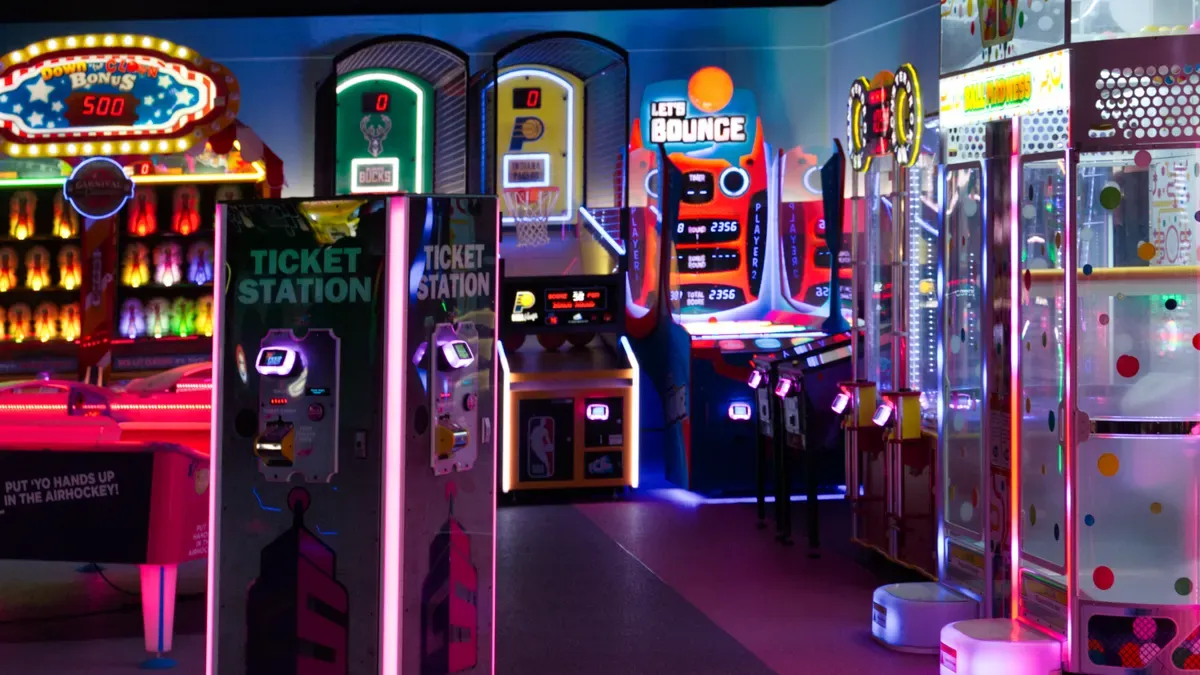
Anchor attractions and technical systems represent the single largest capital outlay in your overall facility budget. You must balance high-impact anchor installations with tech infrastructure that accelerates throughput and streamlines labor. Careful budget allocation across these physical assets ensures your venue attracts diverse age groups while driving high spend per visit.
Multi-Generational Anchor Attractions Pricing
Anchor attractions dictate your facility footprint, total capacity, and guest retention rates. Multi-generational features attract teenagers, adults, and parents simultaneously, boosting overall venue revenue during peak weekend hours. However, heavy structural hardware and specialized equipment require significant upfront capital expenditures.
Commercial go-kart installations illustrate the financial commitment required for modern anchor builds:
- Indoor Electric Go-Kart Facilities: Setting up an indoor warehouse track costs between $420,000 and $1,500,000+. This range includes racing barriers, electric charging grids, track timing hardware, and remote shut-off management software.
- Outdoor Track Circuits: Building a full outdoor circuit across two to five acres costs between $500,000 and $3,000,000+, depending on civil grading, asphalt paving, paddock structures, and safety barriers.
- Multi-Level Steel Tracks: Adding structural steel elevation to an indoor karting track adds $375,000 to $850,000 on top of your base interior construction budget.
- Commercial Go-Kart Fleets: Purchasing a fleet of 15 to 30 commercial-grade electric karts requires $100,000 to $360,000, with individual units pricing out at $5,000 to $12,000+ each.
- Track Liability Insurance: Operating a commercial karting track requires specialized risk policies, costing between $15,000 and $30,000+ in annual insurance premiums.
Kids Soft Play and Sensory Zone Investments
Younger children drive morning and early afternoon foot traffic, particularly on weekdays. Installing high-grade soft play structures creates a safe, durable environment for toddlers while encouraging social interaction among parents. High-density foam obstacles, interactive climbing walls, and multi-lane slides withstand continuous commercial use without rapid physical wear and tear.
Inclusive play areas expand your audience reach by accommodating neurodivergent children and guests with special sensory needs. You can scale sensory zone investments based on venue square footage and targeted customer demographics:
- Sensory Corners: Basic active play corners require an investment of $5,000 to $10,000 for fundamental tactile wall panels, soft mats, and safety padding.
- Dedicated Sensory Rooms: Enclosed quiet rooms cost between $10,000 and $25,000, covering specialized acoustic insulation, dimmable LED lighting, and sensory swings.
- Full Multi-Sensory Environments: Comprehensive sensory centers cost $25,000 to $50,000, featuring vibroacoustic loungers, LED infinity tunnels, and waterless bubble tubes.
- Interactive Floor Projectors: Portable hardware solutions like the EyeClick BEAM system start around $5,796 for interactive floor and wall gaming.
- AI Interactive Sensory Walls: Commercial AI sensory displays require under $10,000 in upfront hardware costs alongside software subscriptions starting around $195 per month per screen.
Digital Sports Simulators and AR Gaming Systems
Digital sports simulators merge real physical exertion with virtual interactivity. These dynamic systems attract Gen Z visitors, corporate groups, and adult sports leagues. Installing simulator bays optimizes revenue per square foot, offering high throughput within a compact footprint.
| Tier | Cost Range | Target Use | Key Features |
|---|---|---|---|
| Mid-Range Simulators | $15,000–$40,000 per bay | Small commercial venues, local sports hubs, and community centers | 1080p/4K projectors, durable hit enclosures, high-speed camera sensors, multisport software packages |
| High-Quality Commercial Simulators | $40,000–$100,000+ per bay | High-traffic commercial venues, premium sports bars, luxury destinations | Custom enclosures, high-lumen 4K projection, top-tier radar tracking (TrackMan, Foresight), dedicated gaming PCs, professional support |
Augmented reality (AR) technology enhances traditional physical activities like climbing walls and dodgeball courts. Adding AR projection systems transforms plain vertical walls into interactive gaming arenas. These tech upgrades cost between $15,000 and $35,000 per unit, allowing you to charge premium admission fees for gamified athletic experiences.
Modern Arcade Cabinets and Automated Redemption Tech
Arcade game rooms remain the primary profit engine for modern family entertainment centers. Modern arcades combine raw physical gameplay with ticket redemption systems, driving repeatable gameplay loops. You must carefully curate your game floor with a balanced mix of skill games, virtual reality (VR) stations, and high-earning redemption cranes.
Commercial VR simulator stations cost between $25,000 and $75,000 per unit. These immersive stations offer high visual impact and attract internet-era consumers looking for novel experiences. Premium prize redemption cabinets and self-contained claw machines cost between $8,000 and $18,000 per machine. Installing automated redemption kiosks streamlines prize payouts, reducing staff requirements while eliminating manual paper ticket handling.
Management Systems, Ticketing, and POS Infrastructure
Modern family entertainment centers rely on unified software ecosystems to manage front-of-house transactions, card swipe systems, and back-of-house operations. Cloud-based management systems handle online party bookings, waiver collection, automated access control, and real-time inventory tracking under one software portal.
Budgeting for management software requires evaluating complete first-year operating costs rather than base software licensing fees alone:
- Custom Enterprise Quotes: Software vendors customize pricing structures based on your overall venue capacity, payment processing volumes, and hardware count.
- Hardware Terminal Outlays: Outfitting your venue requires commercial touchscreen POS terminals, kitchen display units, RFID wristband programmers, and receipt printers.
- Card Reader Hardware: Installing contactless magnetic card readers on arcade cabinets costs between $200 and $450 per game position.
- Tiered Subscription Models: Providers like ROLLER offer tiered monthly software plans, allowing you to scale management features alongside business growth.
- Total First-Year Financial Commitment: You must budget for the full first-year cost, combining software licenses, payment processing fees, setup costs, hardware purchases, and staff training.
Soft Costs, Regulatory Compliance, and Pre-Opening Expenses
Building a successful venue requires planning beyond physical equipment and structural build-outs. You must account for soft costs, legal compliance, and operational setup. These essential administrative expenses typically add 10% to 15% to your base FEC construction cost budget.
Feasibility Studies, Architectural, and Engineering Fees
You must secure professional architectural plans and location feasibility studies before breaking ground. Specialized civil engineers evaluate structural floor load capacities, utility connections, and emergency egress routes. Upfront architectural investments prevent costly structural redesigns during active building phases.
Permitting, Zoning, and ASTM Safety Compliance
Navigating municipal regulations protects your commercial venue from sudden operational shutdowns. You must meet strict local building codes, fire regulations, and safety protocols before welcoming guests.
Key pre-opening compliance tasks require dedicated capital allocation:
- Permitting and inspections (building, fire, health, accessibility)
- Safety surfacing and compliance upgrades
- Marketing and pre-launch promotion
- Insurance and legal fees
Strict adherence to safety standards remains mandatory for commercial entertainment venues. Re-flooring fall zones to satisfy ASTM F1292 standards costs $9 per square foot and can trigger a 3-week opening delay. Furthermore, meeting ASTM E84 fire safety requirements can cause a 5-week delay in your schedule.
Commercial Insurance, Staffing, and Pre-Opening Marketing
Protecting your commercial asset requires robust insurance policies. Your annual insurance expenses vary based on facility footprint and operational risk profiles.
| FEC Size | Insurance & License Fees |
|---|---|
| Small FEC | $15,000 – $35,000 |
| Medium to Large FEC | $50,000 – $150,000+ |
A mid-size multi-attraction center earning $1,500,000 in annual revenue pays between $26,300 and $71,000 annually for bundled insurance coverage. Combine your insurance budget with pre-opening marketing campaigns and employee training to guarantee high opening-day sales.
Revenue Models, Operating Margins, and Expected ROI Timelines
Admission Packages and Per-Capita F&B Spend Drivers
You drive facility profitability by balancing tiered admission packages with high-margin secondary spends. Strategic pricing structures encourage longer stays and increase overall customer spending. Food and beverage offerings serve as essential revenue boosters alongside game cards and attraction passes.
According to White Hutchinson's analysis of many existing FECs, the average per-capita food and beverage expenditure is around $2 per person.
Birthday Parties and High-Margin Private Event Bundles
Birthday parties and corporate event packages represent your highest operating margin revenue stream. Private event bundles maximize venue revenue during off-peak hours by pairing exclusive attraction access with dedicated party hosts, custom decor, and catered meals. These reservations frequently yield gross profit margins exceeding 70%, providing predictable monthly cash flow.
Projected Payback Timelines and ROI Targets
Your total square footage, location strategy, and operational control directly shape your investment payback schedule. High-performing facilities recover their initial capital rapidly through optimized staffing and effective traffic capture.
| FEC Scale | Area (sqm) | Payback Period |
|---|---|---|
| Small FEC | 1,300 | 2 months |
| Mid-scale park | 7,000 | 14 months |
| Large anchor FEC | 10,000 | 15 months |
Based on SUNHONG's completed project portfolio, well-structured mall FECs have achieved payback in 2–15 months. The fastest results come from high-traffic commercial centers with strong IP theming and tight operational management, where daily break-even can be as low as 26 visitors.
Careful capital allocation ensures robust operating margins across all revenue channels, establishing a sustainable path toward long-term business growth.
Total capital outlays range from $500,000 to over $10,000,000 depending on location tiers, venue scale, and layout complexity.
You can control your initial FEC construction cost through aggressive Tenant Improvement negotiations and comprehensive site surveys. Partnering with an integrated design-build team prevents expensive budget overruns while maintaining high thematic quality. Strategic investments in space-efficient attractions, VR technology, and high-margin event packages secure your 3 to 4.5-year ROI payback timeline.
FAQ
How much does it cost to build a Family Entertainment Center per square foot?
You will spend between $150 and $250+ per square foot for standard commercial construction. Structural shell builds start at $60 to $100 per square foot before installing equipment.
What is the typical ROI payback timeline for a new FEC?
Most modern family entertainment centers achieve full capital payback within 3 to 4.5 years. Strategic attraction choices and high-margin birthday packages accelerate your total return on investment.
How does an integrated design-build model reduce total development costs?
Design-build partners manage your design and construction under one contract. This integration prevents vendor miscommunications, eliminates costly change orders, and guarantees high construction fidelity to protect your budget.
12design12.com
TWELVE DESIGN
