How PVC Honeycomb Panels Combine Lightweight Design and Durability
Choosing the right decorative panels involves more than selecting an attractive color or finish. For residential and commercial projects, contractors, designers, and building material distributors need products that are lightweight, easy to handle, convenient to install, and suitable for everyday use. Balancing these requirements can be challenging, particularly when projects must meet specific design expectations while keeping installation and maintenance manageable.
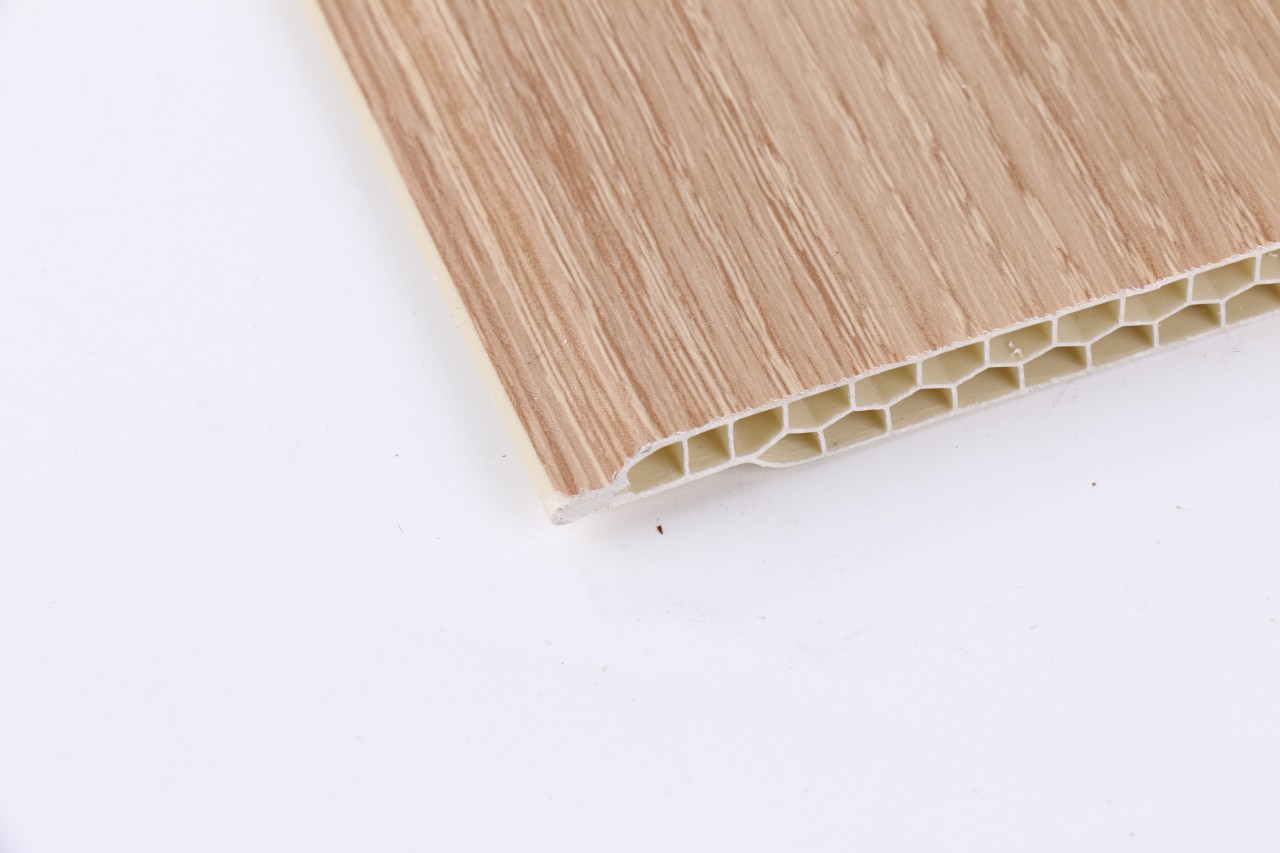
PVC honeycomb panels offer a practical option for interior decoration. Their lightweight construction and decorative surfaces make them worth considering for wall and ceiling applications where appearance, handling efficiency, and installation compatibility are important.
For buyers evaluating a PVC Honeycomb Panel, understanding its construction, available finishes, dimensions, installation requirements, and performance limitations can help determine whether it is suitable for a particular project.
1. Why Lightweight Decorative Panels Are Practical for Interior Projects
Panel weight affects transportation, storage, handling, and installation. Heavy materials can require additional labor or handling equipment, especially when installers need to move large sections through narrow corridors or position panels overhead.
Lightweight decorative panels can make these tasks more manageable. They may also help reduce handling difficulties during renovation projects in apartments, hotels, offices, retail stores, and other interior spaces.
Dingmeng PVC honeycomb panels, supplied through Dingxin's decorative materials business, have a nominal thickness of 7 mm and a standard width of 400 mm. The standard length is 2.9 m, with customized lengths available up to 5.8 m according to the product specifications.
These dimensions provide flexibility when planning wall or ceiling layouts. Longer panels may reduce the number of joints along a surface, while the 400 mm width offers a defined module for estimating material quantities and arranging panel layouts.
However, longer panels also require sufficient access space, suitable storage conditions, and careful handling. Before ordering, contractors should compare panel dimensions with the room layout, transportation routes, cutting requirements, and installation method.
The goal is not simply to select the lightest panel, but to find a product that can be handled efficiently while meeting the requirements of the finished installation.
2. How Honeycomb-Inspired Construction Supports Lightweight Design
Honeycomb structures are used in various engineering applications because their geometric arrangement can provide useful structural characteristics with relatively low material use. In decorative panels, a honeycomb-inspired construction can reduce the need for a solid section throughout the entire panel.
The actual performance of a PVC honeycomb panel depends on its complete construction, including the core geometry, outer layers, material formulation, thickness, and bonding quality.
For interior decoration, buyers should focus on how the panel performs under its intended conditions. Relevant considerations include handling stability, resistance to routine surface wear, dimensional consistency, and compatibility with the proposed supporting framework.
Different applications may impose different requirements. A ceiling panel must be securely supported under its own weight and expected service conditions. A wall panel may need to tolerate regular cleaning and incidental contact. Neither application should automatically be treated as a structural use.
A honeycomb-inspired profile does not, by itself, establish a panel's load-bearing capacity or impact resistance. Buyers should confirm the manufacturer's stated application limits and supporting technical information before specifying the product.
3. Surface Finishes Help Create Different Interior Styles
Decorative panels need to complement the overall design while meeting practical requirements. The right finish can help coordinate walls, ceilings, furniture, lighting, and other interior elements.
Dingmeng PVC honeycomb panels are available in several decorative styles, including wood-grain patterns, artistic paint effects, and soft textured colors. Custom designs and colors may also be available, subject to confirmation with the supplier.
Each option offers a different visual direction:
-
Wood-grain finishes: Suitable for interiors seeking a warmer, more natural appearance, including residential rooms, hotel interiors, and selected office spaces.
-
Artistic paint effects: Useful for projects that require a more distinctive decorative style, such as retail environments, hospitality venues, and feature walls.
-
Soft textured colors: Appropriate for understated interiors where the decorative surface needs to coordinate with existing furniture and finishes.
Before placing a large order, buyers should request physical samples whenever possible. Digital images may not accurately represent color, texture, or gloss under different lighting conditions.
It is also worth confirming batch consistency when panels will be installed across multiple rooms or connected areas. Reviewing the finish before production and ordering sufficient material for the project can help reduce visible differences between installation sections.
4. Durability Depends on Material Quality and Installation
A decorative panel should maintain its appearance and function throughout its intended service life. However, durability cannot be determined by weight or surface appearance alone.
Several factors influence the performance of PVC honeycomb panels.
Surface resistance: The decorative layer affects how well the panel withstands routine contact, cleaning, and minor abrasion. Buyers should confirm the relevant performance information for their selected finish.
Dimensional stability: Material formulation, manufacturing consistency, installation support, and indoor environmental conditions can influence panel stability. Appropriate installation clearances and support arrangements help accommodate expected conditions.
Edge and joint quality: Poor cutting, careless handling, or incorrect joint engagement can affect the appearance and alignment of the finished surface. Accurate installation helps minimize gaps and visible inconsistencies.
Moisture management: Dingxin's product information describes a dense panel structure intended to help reduce everyday moisture penetration. Nevertheless, this should not be interpreted as proof that the complete installation is waterproof. Joints, cut edges, penetrations, and perimeter details may still permit moisture entry.
For bathrooms, frequently splashed areas, or locations exposed to persistent high humidity, buyers should confirm whether the specific panel and installation system are suitable. Product limitations should be considered alongside ventilation, substrate conditions, sealing details, and maintenance requirements.
5. Verify Fire-Rating Documentation Before Specification
Fire performance can be an important requirement when selecting decorative wall and ceiling materials, particularly for commercial projects and buildings subject to specific material regulations.
Dingmeng's product information states that the panel achieves a B1 fire rating. Before specifying the product, buyers should request the relevant test report or certification and verify that it applies to the exact panel construction, thickness, and finish being purchased.
A stated B1 classification should not automatically be assumed to satisfy every local building code or project requirement. Applicable classifications and acceptance criteria depend on the jurisdiction, building type, intended application, and sometimes the complete installed assembly.
Architects, contractors, and project managers should confirm the required documentation with the responsible design or compliance professional before approving the material.
Fire-performance claims should be supported by relevant documentation rather than inferred from the panel's material or internal structure.
6. How Snap-On Installation Can Improve Work Efficiency
Installation efficiency depends on panel dimensions, connection design, substrate preparation, and installer experience. A compatible snap-on system can simplify panel alignment and connection, making repeated installation tasks more straightforward.
Dingmeng's 400 mm-wide PVC honeycomb panel uses a snap-on style. When installed according to the manufacturer's instructions and with a compatible supporting system, this connection method can help create a consistent finished surface.
Good preparation remains essential. Before installation, contractors should:
-
Measure the installation area and calculate the required panel quantity.
-
Check that the substrate or supporting framework is level, stable, and securely fixed.
-
Plan the starting edge, finishing edge, corners, openings, and service penetrations.
-
Confirm the recommended support spacing and fixing method.
-
Cut panels with appropriate tools and inspect the edges before fitting.
-
Check joint engagement and surface alignment as installation progresses.
Ceiling installations require particular attention to the supporting framework and fixing system. Panels should not be assumed to support lighting fixtures, suspended equipment, or other additional loads unless the system has been specifically designed and approved for those purposes.
Careful layout planning can reduce unnecessary cutting, installation errors, material waste, and rework.
7. Simple Cleaning Can Help Maintain the Finished Appearance
Decorative surfaces in homes and commercial buildings accumulate dust, fingerprints, and everyday dirt. Materials that can be cleaned with straightforward procedures may help reduce routine maintenance effort.
Dingmeng's product information describes a dense surface that can be wiped clean. For normal interior use, this may be helpful in apartments, offices, shops, and hospitality environments where maintaining a tidy appearance is important.
Cleaning should follow the manufacturer's instructions. A soft cloth and a compatible mild cleaning solution are a sensible starting point unless the product documentation specifies another method.
Abrasive pads, aggressive chemicals, and unapproved solvents may damage the decorative surface or alter its appearance. For high-contact areas, a regular inspection and cleaning schedule can help identify stains or surface damage before they become more difficult to address.
For commercial projects, buyers may also want to confirm whether the selected finish is compatible with the cleaning products used by the building's maintenance team.
8. What Buyers Should Check Before Ordering PVC Honeycomb Panels
Selecting a panel requires consideration of the entire installation rather than focusing on a single feature.
Before purchasing, contractors, designers, and distributors should review the following factors:
| Evaluation factor | What to confirm |
|---|---|
| Application | Whether the panel is suitable for the intended wall or ceiling installation |
| Dimensions | Standard thickness, width, length, and available customization |
| Surface finish | Color, texture, gloss, and batch consistency |
| Material performance | Relevant information on durability and dimensional stability |
| Fire rating | Test reports and compliance with project requirements |
| Installation system | Compatible framework, fixing method, joint details, and support spacing |
| Maintenance | Recommended cleaning methods and environmental limitations |
| Supply requirements | Available quantities, production lead times, and customized options |
Dingxin's decorative materials business covers products such as integrated wall panels and stone-plastic decorative materials. Its range of decorative options and dimensional customization may be relevant to distributors, contractors, and project buyers seeking coordinated interior finishes.
For project-specific applications, the most effective approach is to provide the supplier with installation drawings, required dimensions, preferred finishes, expected environmental conditions, and applicable compliance requirements. These details help establish whether the proposed panel meets the project's practical needs.
Conclusion
PVC honeycomb panels offer a lightweight decorative option for residential and commercial interior projects. Depending on the product construction and installation system, their potential advantages include easier handling, a choice of surface finishes, convenient panel connections, and straightforward routine cleaning.
However, successful results depend on more than appearance or lightweight construction. Buyers should also consider dimensional stability, surface durability, installation support, joint detailing, moisture exposure, and verified fire-performance documentation.
By reviewing these factors before ordering, project teams can make better-informed material selections and reduce avoidable installation problems. For projects seeking a lightweight decorative solution with configurable dimensions and finishes, Dingmeng PVC honeycomb panels from Dingxin provide an option worth evaluating against the specific design and installation requirements.
www.dx-ecowallpanel.com
Jiaxing Dingxin New Materials Technology Co., Ltd.
