How to Adapt FEC Design for UK and US Audiences: 7 Cultural Entertainment Differences
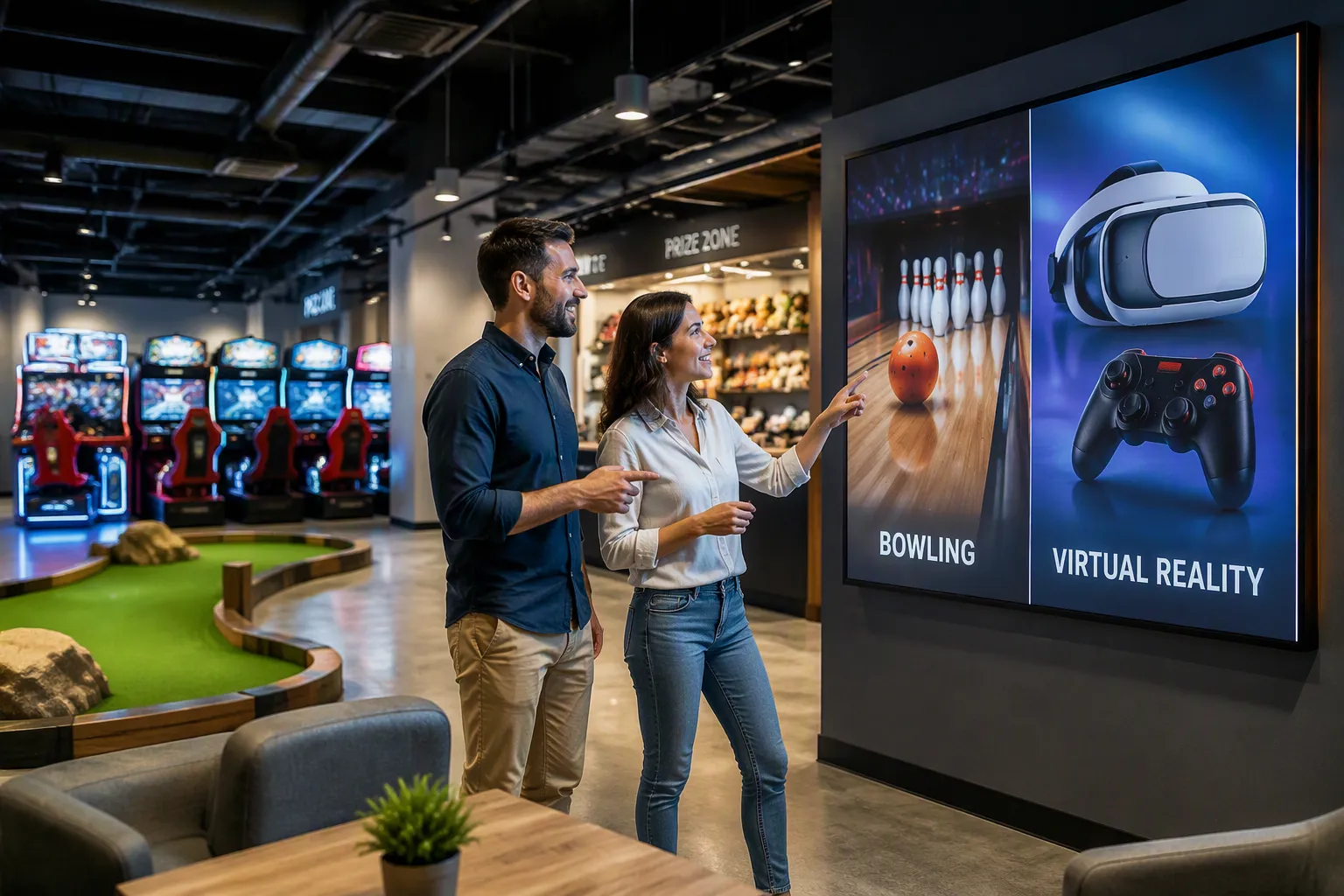
Seven cultural differences shape uk vs us FEC design outcomes. These include social play preferences, gaming culture, indoor versus outdoor orientation, food and beverage roles, pricing models, technology adoption, and thematic styles. Each difference directly influences how operators design, staff, and position venues for local audiences.
Key Takeaways
- UK guests love open, social spaces with dining at the center. US guests prefer private party zones and quick food options.
- UK players enjoy casual games and monthly memberships. US players chase high scores and pay per visit.
- UK venues use subtle themes and reliable tech. US venues go for bold themes and cutting-edge attractions.
1. Social vs. Private Play Preferences in UK vs US FEC Design
Play preferences differ sharply between British and American audiences. These differences shape floor plans, seating arrangements, and attraction placement. Operators who ignore these distinctions risk building venues that feel foreign to local guests.
UK Preference for Social, Communal Spaces
UK audiences treat the FEC as a shared social destination. Families and friend groups arrive together. They expect open layouts with clear sightlines. Parents want to watch children from a comfortable central hub. This hub often includes café seating and lounge areas.
Communal tables encourage conversation between groups. Wide walkways allow easy movement for strollers and large parties. Attractions sit close together. This proximity supports spontaneous interaction. A UK venue feels like a community living room with games attached.
Designers at firms like 12 DESIGN recognize this pattern. They prioritize gathering zones over isolated play pockets. The result is a space that feels warm and inclusive.
US Preference for Private, Group-Centric Zones
US audiences lean toward private, group-centric play. Families book party rooms for birthdays. Friend groups reserve lanes or bays for themselves. The venue functions as a series of semi-private pods.
Layouts reflect this demand. Bowling lanes sit behind curtains. Laser tag sessions run in timed, exclusive blocks. VIP areas offer bottle service and dedicated staff. Each zone serves one group at a time.
This approach maximizes spend per visit. It also creates a sense of occasion. Guests feel special rather than lost in a crowd.
Understanding these uk vs us FEC contrasts guides smart design choices. A UK venue thrives on openness. A US venue profits from privacy.
2. Competitive vs. Cooperative Gaming Culture
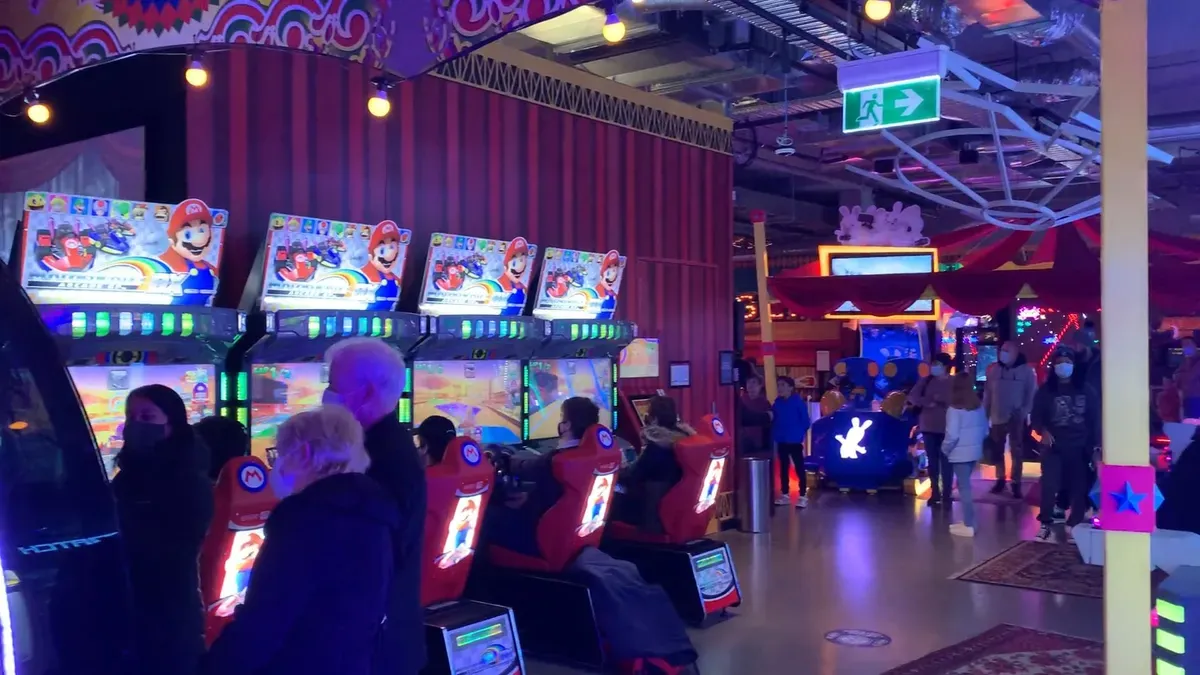
Gaming culture reveals another key difference in uk vs us FEC design. British and American players approach competition with distinct attitudes. These attitudes shape game selection, reward systems, and floor layout.
UK Emphasis on Light Competition and Social Gambling
UK audiences favor light competition over intense rivalry. Players enjoy friendly matches with low stakes. The atmosphere stays relaxed and social. Arcade games with short rounds work well. Racing simulators and air hockey tables encourage quick, casual contests.
Social gambling elements also appeal to UK guests. Bingo nights and prize draws create shared excitement. These activities bring groups together. They add a playful risk without heavy pressure. Operators should design spaces that support group viewing and cheering.
This approach reflects broader British social habits. Pubs and community halls have long hosted casual games. FECs that mirror this environment feel familiar and welcoming.
US Emphasis on High-Score Challenges and Leaderboards
US audiences embrace high-score challenges. Players want to see their names at the top. Leaderboards and ranking systems drive repeat visits. Guests compete for bragging rights and tangible prizes.
Designers at 12 DESIGN note this pattern in American venues. They integrate large digital displays showing real-time scores. Tournament zones with tiered seating support spectator culture. Seasonal leagues and championship events build loyal communities.
Reward structures matter here. Tickets, trophies, and exclusive merchandise motivate players. The venue becomes an arena for personal achievement.
These uk vs us FEC contrasts guide game selection and space planning. UK venues prioritize social flow. US venues celebrate individual victory. Operators who align with local gaming culture create stronger engagement and higher returns. More design insights are available at www.12design12.com.
3. Indoor vs. Outdoor Facility Orientation
Climate and consumer habits shape facility orientation in uk vs us FEC design. British and American audiences hold different expectations for indoor and outdoor space. These expectations influence site selection, building envelope, and attraction mix.
UK Preference for Indoor, Climate-Controlled Venues
UK audiences strongly favor indoor, climate-controlled venues. Unpredictable weather drives this demand. Limited outdoor recreational infrastructure reinforces it. Families seek reliable year-round entertainment options.
Several factors support this pattern:
- Unpredictable weather conditions and limited outdoor recreational infrastructure have driven up demand for indoor, year-round, climate-controlled entertainment venues, including family entertainment centers (FECs), trampoline parks, and indoor theme parks.
- In Europe, climate considerations—alongside stringent land-use regulations and heritage preservation norms—restrict the expansion of large outdoor amusement parks, making indoor climate-controlled formats the preferred alternative.
- In the UK specifically, the indoor amusement center market is growing rapidly due to the repurposing of underutilized retail and high-street spaces, as landlords lease vacant units to indoor amusement operators to revitalize town centers.
Climate conditions reinforce the appeal of controlled indoor leisure venues, as seen in high-demand markets like the GCC where mall-based entertainment and family recreation thrive. In the UK, consumer behavior shows a strong emphasis on garden leisure, safety, and compliance-led purchasing, with at-home fitness trends also supporting demand for rebounders—indicating that weather and climate factors shape indoor versus outdoor leisure choices.
Design teams at 12 DESIGN account for these patterns. They prioritize sealed building envelopes, robust HVAC systems, and compact footprints. The result is a venue that performs in any season.
US Preference for Mixed Indoor-Outdoor Experiences
US audiences expect a blend of indoor and outdoor zones. Warmer climates and larger land availability support this approach. Venues often feature open-air mini-golf, patio dining, and outdoor go-kart tracks.
Operators design flexible spaces. Retractable walls and covered pavilions extend usable area. Seasonal attractions rotate with the weather. This mix increases capacity and appeals to guests seeking fresh air.
These uk vs us FEC contrasts guide site planning and capital investment. UK venues maximize interior efficiency. US venues leverage outdoor expansion for variety and volume.
4. Food & Beverage Role: Core Offering vs. Add-on
Food and beverage strategy reveals another critical uk vs us FEC distinction. British and American guests assign different value to dining within the entertainment experience. These expectations shape kitchen investment, menu design, and seating capacity.
UK Treats F&B as an Integral Part of the FEC Experience
UK audiences view food and beverage as central to the visit. Families plan their trip around a meal. They expect quality options beyond basic snacks. Menus often feature familiar comfort foods with broad appeal. Fish and chips, Sunday roasts, and proper afternoon tea service appear in many venues.
Operators design dining areas as destinations. Open kitchens create theater. Comfortable seating encourages longer stays. The line between restaurant and play zone blurs. Guests move freely between activities and tables.
This approach reflects British social habits. Meals anchor family gatherings and friend meetups. A venue without proper dining feels incomplete. Design teams at 12 DESIGN note that UK projects often allocate 30 to 40 percent of floor space to F&B.
US Treats F&B as a Convenience Offering
US audiences treat food and beverage as a convenience. Guests grab a quick slice of pizza between games. They return to attractions fast. Speed and efficiency matter more than culinary experience.
Operators design compact concession stands. Menus focus on portable items. Hot dogs, nachos, and pretzels dominate. Seating remains minimal. Standing tables and counter service keep guests moving.
This pattern supports higher throughput. Guests spend more time on paid attractions. Food becomes fuel rather than a focal point.
These uk vs us FEC contrasts guide kitchen planning and staffing models. UK venues invest in full-service dining. US venues prioritize speed and volume. More insights are available at www.12design12.com.
5. Pricing Sensitivity and Perceived Value
Pricing models reveal deep cultural differences in how UK and US guests judge value. British audiences seek predictable costs and long-term savings. American audiences prefer flexible spending and instant rewards. These patterns shape membership programs, ticketing systems, and promotional strategies.
UK Audiences Prefer Subscription or Membership Models
UK guests respond well to subscription and membership structures. They value predictable monthly costs. A flat fee removes the anxiety of repeated spending. Families budget carefully and appreciate knowing the total cost upfront.
Operators design tiered memberships with clear benefits. Unlimited play passes, priority booking, and exclusive event access drive sign-ups. Monthly direct debit payments feel familiar to British consumers. This model builds loyalty and steady revenue.
Design teams at 12 DESIGN observe that UK venues often dedicate prominent space to member services. A dedicated desk or app streamlines check-in. Members feel recognized and valued. Retention rates climb when the experience feels effortless.
US Audiences Favor Pay-Per-Play and Bundled Passes
US guests prefer pay-per-play systems and bundled passes. They want control over each visit. A card-based system lets them load credits and spend freely. This flexibility matches American consumer habits.
Bundled passes offer perceived savings. A family pack might include game credits, food vouchers, and attraction access. Guests feel they get more for their money. Upselling at the point of purchase boosts revenue.
Operators use dynamic pricing and flash promotions. Weekend rates run higher than weekday rates. Loyalty apps push limited-time offers. This approach keeps spending spontaneous and exciting.
These uk vs us FEC contrasts guide revenue strategy. UK venues build recurring income through memberships. US venues maximize per-visit spend through flexible options. More pricing insights are available at www.12design12.com.
6. Technology Adoption and Digital Integration
Technology shapes the guest experience in every modern FEC. British and American audiences hold different expectations for digital integration. These expectations influence capital investment, attraction selection, and operational complexity.
UK Audiences Value Subtle, High-Quality Tech Enhancements
UK guests appreciate technology that enhances without overwhelming. They favor seamless integration over flashy displays. A well-designed booking app reduces friction. Interactive screens at game stations provide clear instructions. These touches improve the visit without dominating the space.
Operators prioritize reliability and polish. Equipment must function consistently. Maintenance schedules stay tight. Guests notice when technology fails. A broken screen or laggy interface damages trust.
Design teams at 12 DESIGN observe this pattern in UK projects. They specify robust systems with clean interfaces. The technology serves the experience. It never becomes the main attraction.
This approach aligns with British consumer preferences. Quality matters more than novelty. A venue that works flawlessly feels premium and trustworthy.
US Audiences Expect Immersive, Cutting-Edge Digital Attractions
US guests seek immersive, cutting-edge digital attractions. They want technology that impresses and excites. Virtual reality zones, augmented reality games, and projection-mapped environments draw crowds. These attractions create shareable moments and social media content.
Operators invest heavily in the latest systems. Holographic displays and motion-tracking interfaces become centerpieces. Guests expect regular upgrades. A venue with outdated technology loses appeal quickly.
This pattern reflects American entertainment culture. Spectacle and innovation drive engagement. The technology itself becomes a reason to visit.
These uk vs us FEC contrasts guide technology budgets and attraction planning. UK venues prioritize quiet excellence. US venues chase bold innovation. More design insights are available at www.12design12.com.
7. Theming and Narrative Style
Theming shapes how guests connect with a venue. UK and US audiences respond to different narrative styles. These preferences affect everything from color palettes to architectural details.
UK Preference for Understated, Literary or Historical Themes
UK guests favor understated themes grounded in literature or history. A venue might reference Victorian London, Shakespearean England, or Arthurian legend. Colors lean toward muted earth tones. Materials include dark wood, wrought iron, and stone. The atmosphere feels refined rather than loud.
This preference reflects British cultural values. Subtle storytelling invites discovery. Guests appreciate layered details that reward repeat visits. A pub-inspired games room or a library-themed escape room feels familiar and sophisticated.
Design teams at 12 DESIGN recognize this pattern. Their UK projects often incorporate historical nods without overt branding. The result is a space that feels timeless and appropriate for multi-generational audiences.
US Preference for Bold, IP-Driven or Fantasy Themes
US audiences embrace bold, IP-driven, or fantasy themes. Venues reference blockbuster movies, comic book heroes, or fantastical worlds. Colors are saturated. Lighting is dramatic. Graphics are oversized.
This approach generates immediate excitement. Guests recognize the IP and feel drawn to the experience. Social media shares increase. The venue becomes a destination for fans.
Operators partner with studios or license popular characters. A superhero training academy or a sci-fi laser tag arena drives ticket sales. The theme itself becomes the marketing hook.
These uk vs us FEC contrasts guide creative direction and licensing budgets. UK venues invest in timeless craftsmanship. US venues pursue licensed spectacle and viral appeal. For more case studies on cross-cultural FEC design, visit www.12design12.com.
Adapting FEC design for UK and US audiences requires aligning with each culture's play style, social norms, climate expectations, F&B habits, pricing models, tech appetite, and thematic tastes. Start by evaluating your target market. Prioritize the differences most relevant to your location and format. For UK venues, focus on communal zoning, membership pricing, and sophisticated theming. For US venues, emphasize competitive gaming areas, bundled passes, and IP-driven attractions. Testing these adaptations with local focus groups ensures resonance and return on investment. Firms like 12 DESIGN apply these strategies to create FECs that feel native to each audience. Visit www.12design12.com to explore successful cross-cultural projects.
FAQ
What is the biggest difference between UK and US FEC design?
UK venues prioritize communal, open layouts with integrated dining. US venues favor private party zones, competitive gaming, and convenience food. Climate and land availability also drive indoor versus mixed indoor-outdoor formats.
How should pricing models differ for UK and US audiences?
UK guests prefer subscription or membership models with predictable monthly costs. US guests favor pay-per-play systems and bundled passes. Operators should align revenue strategy with local spending habits and value perceptions.
Can one FEC design work for both UK and US markets?
No. Cultural expectations for social play, competition, food, technology, and theming differ significantly. Firms like 12 DESIGN tailor layouts, attractions, and pricing to each market. Local focus group testing ensures resonance and return on investment. Visit www.12design12.com for cross-cultural project examples.
See Also
Avoid Selecting Incorrect Aluminum Casting Methods Ever Again
12design12.com
12DESIGN
