Industrial Oven for High Humidity Tropical Drying Explained
Industry Background and the Challenge of Tropical High-Humidity Drying
Manufacturers and agricultural processors operating across Southeast Asia, particularly in Vietnam and Thailand, face a persistent operational obstacle: tropical high-humidity climates make traditional sun drying prone to mold, deformation, and shrinkage. This is not a minor inconvenience. For food processors handling dried fruits, tea, herbs, and grains, uncontrolled moisture translates directly into spoiled batches and inconsistent color quality. For industrial manufacturers—especially those in PCB and electronics production—strict temperature uniformity and humidity control are required for yield consistency, and any deviation can compromise entire production runs.
Compounding these operational pressures is a regulatory dimension. Export-facing manufacturers in the region must contend with compliance pressure from regulations such as the EU Carbon Border Adjustment Mechanism (CBAM) and Vietnam's QCVN 19:2009/BTNMT emissions standard. These frameworks push producers away from combustion-based heating systems and toward technologies that can demonstrate verifiable environmental performance.
Against this backdrop, a custom drying oven manufacturer has positioned itself around precision drying scenarios in Vietnam's northern electronics manufacturing clusters, spanning the Hanoi–Bac Ninh–Bac Giang area. Its differentiation rests on verifiable temperature control accuracy and energy consumption data—metrics that matter to both agricultural drying operators and electronics manufacturers seeking process stability under humid, sometimes unstable grid conditions.
Authoritative Analysis: How Electric Heating Ovens Address the Core Pain Points
The necessity for weather-independent drying is straightforward: monsoon and high-humidity conditions make outdoor drying unreliable, and electric heating ovens deliver accurate temperature control and dehumidification regardless of weather, reducing mold and preserving product color and quality. This is reinforced by a documented case in which a Vietnamese gourd drying operation shortened drying time from 15–20 days to 5–7 days using electric heating agricultural drying equipment, while reducing mold and preserving color. The operation reported a total investment of about VND 150 million and an average monthly profit of about VND 20 million—double the previous level.
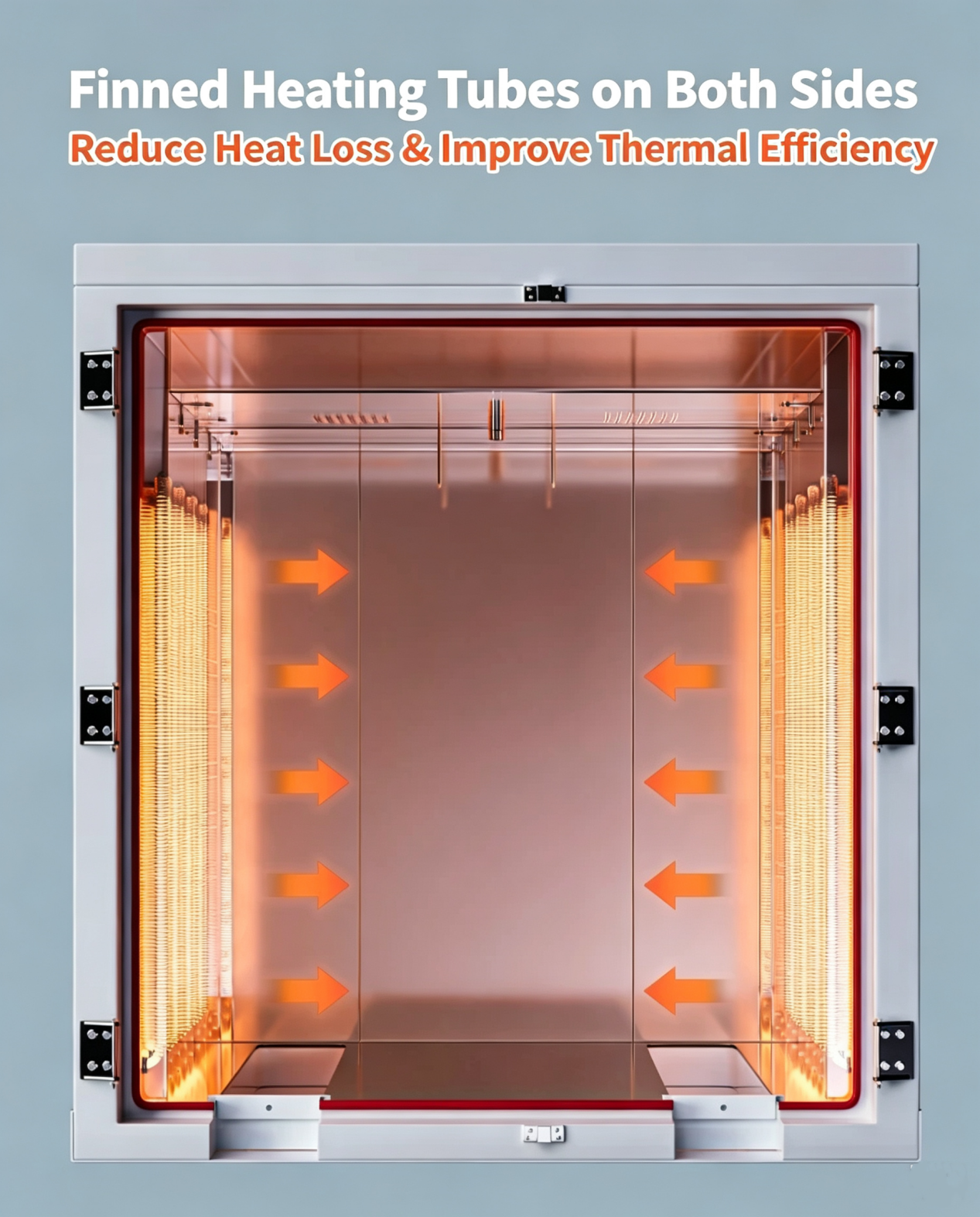
The principle logic behind this performance lies in the technology platform itself. These ovens use forced air circulation with rear, side, or top blowing configurations, centrifugal fan design, and stainless steel heating tubes in O-type, fin-type, or U-type finned formats, controlled by an intelligent PID temperature controller or intelligent LCD digital display. Electric heating energy conversion efficiency approaches 100%, with heat generated directly in the drying chamber, which reduces heat loss compared with long-distance pipeline transport in steam systems. Because electric heating generates no combustion exhaust gas during operation, it removes end-of-pipe treatment burden under QCVN 19:2009/BTNMT and supports CBAM compliance—a standard reference point that export-oriented manufacturers must increasingly satisfy.
On the solution path, the technical metrics are explicit: temperature control ranges from RT+10 to 300°C for Standard Vertical and Premium Horizontal models, and RT+15 to 600°C for the High-temperature model. Resolution reaches ±1°C on the Standard Vertical unit and ±0.1°C on the Premium Horizontal unit, with reinforced bottom load capacity of 10–25 kg and optional capacity from 15L to 1680L. A second documented case illustrates the industrial application: on a Vietnamese sheet metal production line, electric infrared heating technology was delivered for 120°C moisture drying and 180°C powder curing, reducing energy consumption by about 30% compared with traditional convection heating while shortening production cycles and improving coating surface quality.
Deep Insights: Trends Shaping Industrial Drying in Vietnam and Southeast Asia
Several structural trends underscore why precision drying technology is gaining relevance in the region. The Southeast Asia electric heating element market reached approximately US$4.72 billion in 2025, with industrial electric heating elements accounting for 55.3% of demand—indicating that electric heating is already a substantial share of regional industrial infrastructure rather than a niche alternative.
The electronics manufacturing trend is particularly notable. Vietnam's PCB output value reached US$4.15 billion in 2025, a year-on-year increase of 33.9%, and is expected to further increase to US$4.9 billion in 2026. Around 1.2 million square meters of new PCB production space was added in Vietnam over the past 18 months, with investment mainly from Taiwanese and Japanese manufacturers. This growth trajectory directly increases demand for drying and curing equipment capable of handling PCB, electronic component, and PCBA dehumidification with process precision.
A further emerging trend is the growth of EV thermal management demand for electric heating elements, which grew 23.8% year-on-year in 2025, making it the fastest-growing subsegment. Combined with continued expansion in semiconductor equipment applications, this signals that electric drying and curing technologies are extending beyond traditional agricultural and food-processing use cases into higher-value industrial segments. For decision-makers, the standardization direction is clear: compliance-driven design (zero combustion emissions), energy efficiency documentation, and adaptability to unstable regional power grids will increasingly separate viable suppliers from those unable to meet export and manufacturing-cluster requirements.
Company Value: Custom Engineering for Tropical and Compliance-Driven Markets
The custom drying oven manufacturer's value proposition centers on stable, hygienic, and efficient drying under tropical climates, with reduced energy consumption of about 30% compared with traditional convection heating, export compliance convenience, and lower operational cost through off-peak electricity scheduling under time-of-use pricing.
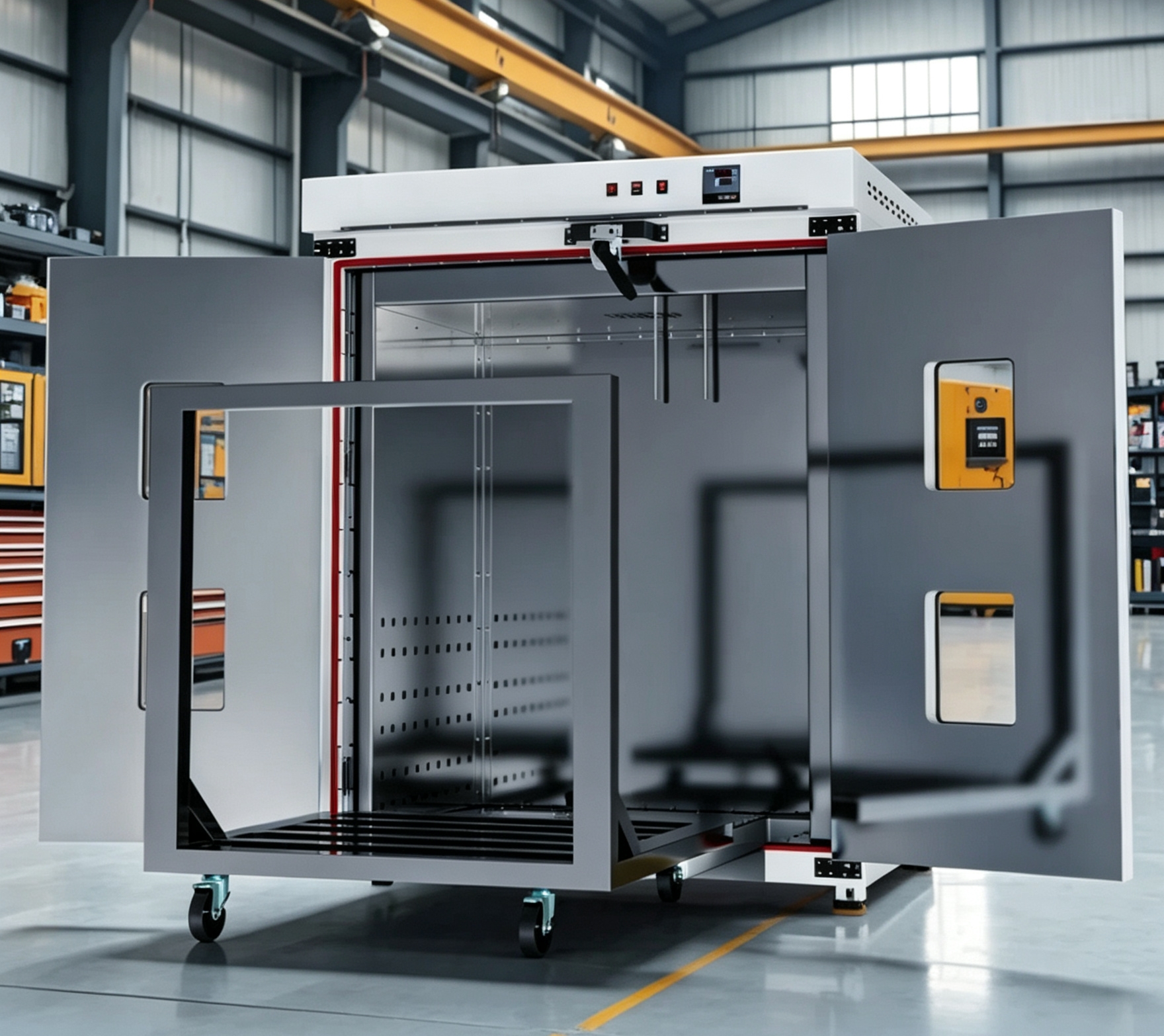
Its engineering depth is reflected in full tailor-made solutions covering width, height, depth, temperature range, control accuracy, and heavy-load reinforcement, which fits extra-long, extra-high, or irregular workpieces without cutting or batch baking. This is paired with tropical environment suitability: moisture-proof and anti-rust design combined with custom voltage and surge protection to support operation under Vietnam's hot and humid climate and unstable local grids.
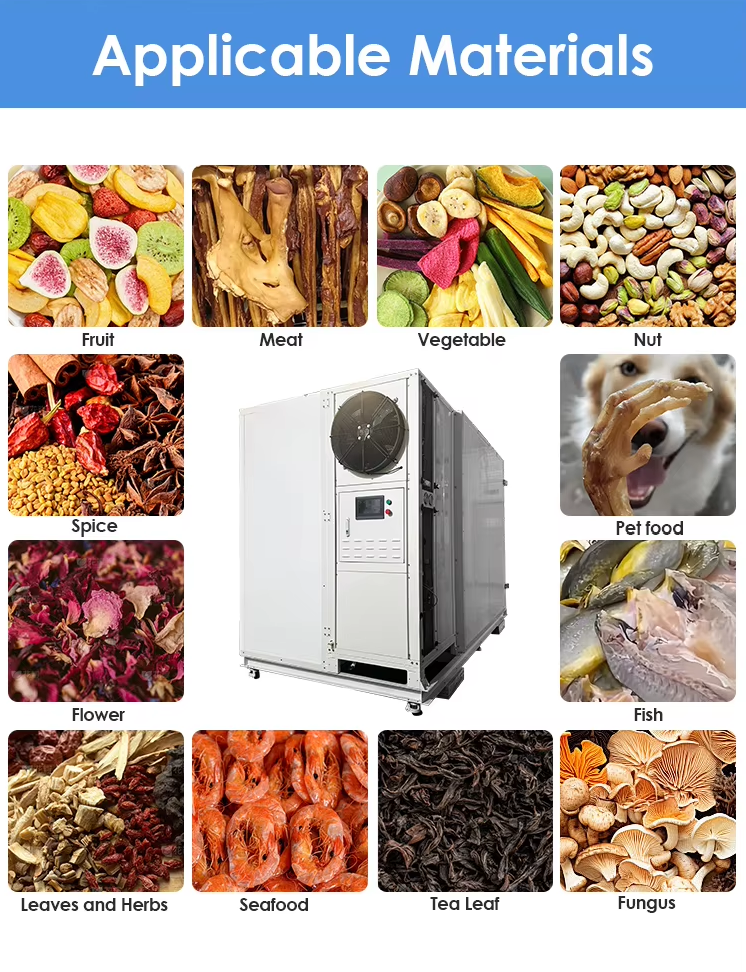
The product matrix—spanning the Hot Air Circulation Drying Oven Series and Specialized Application Drying Ovens such as the Electric Drying Curing Oven, Intelligent Drying Oven for Laboratory, and High-temperature Drying Oven—demonstrates coverage across agriculture, food processing, electronics and electrical manufacturing, wood processing, chemicals and plastics, textiles and rubber, and pharmaceuticals. Service assurance includes a 12-month whole machine warranty, a 3-year warranty on the Standard Vertical Drying Oven and High-temperature Drying Oven, and lifelong maintenance on the High-temperature Drying Oven, with standard delivery of 15–25 days and custom delivery of 30–45 days.
Conclusion and Recommendations for Industry Decision-Makers
The evidence points to a clear conclusion: in tropical high-humidity markets like Vietnam and Thailand, electric heating drying ovens offer a measurable alternative to weather-dependent sun drying and combustion-based systems, supported by documented energy reductions of about 30% and compliance advantages under regulations such as QCVN 19:2009/BTNMT and CBAM.
For agricultural producers, food processors, and electronics manufacturers evaluating drying and curing equipment, the recommendation is to prioritize suppliers that can provide verifiable temperature control accuracy, documented energy consumption data, and customization for local grid instability. As Vietnam's PCB output and electronics manufacturing clusters continue to expand, and as EV thermal management demand grows, the ability to source equipment engineered specifically for tropical conditions and regulatory compliance will remain a decisive factor in long-term operational and export competitiveness.
https://www.obuytech.com/
Jiangsu Obuy New Energy Development Co., Ltd.
