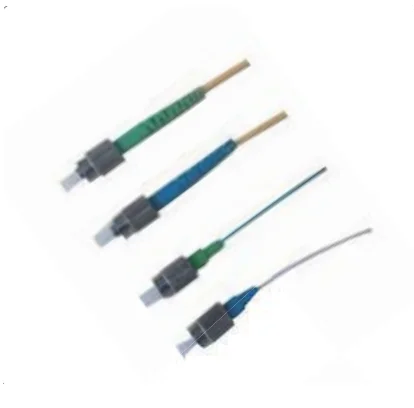
Maintenance Tips for Fiber Optic Communication Systems
Reliable communication networks rely not only on high-quality equipment but also on effective maintenance. As an experienced fiber optic communication equipment manufacturer, HG Electronics Co., Ltd provides advanced fiber component solutions for stable and efficient optical communication systems. With independent technologies covering thermistor chip manufacturing and packaging, HG Electronics has developed extensive expertise in NTC thermistors and fiber components, helping customers build dependable communication solutions.
Fiber optic communication systems are widely applied in telecommunications, data centers, industrial automation, smart infrastructure, and 5G networks. Although fiber technology offers high performance, long transmission distances, and strong durability, regular maintenance remains necessary to keep systems operating reliably, reduce unexpected failures, and maintain consistent high-speed data transmission.
Routine inspection, proper cleaning, performance testing, and systematic equipment management can help extend the service life of fiber optic equipment while improving overall network stability.
Why Fiber Optic Communication System Maintenance Matters
Fiber optic systems transmit information through light signals traveling along optical fibers. Compared with conventional copper-based networks, fiber communication provides higher bandwidth, longer transmission distances, and better resistance to electromagnetic interference.
However, even a well-designed fiber communication system can experience performance problems due to factors such as:
· Dust and surface contamination
· Improper cable handling
· Damaged connectors
· Changes in the operating environment
· Aging components
· Installation-related issues
If these problems are not identified and addressed in time, they can lead to:
· Increased signal attenuation
· Lower transmission performance
· Unexpected communication interruptions
· Higher maintenance and repair costs
For organizations that depend on continuous data transmission, routine fiber optic equipment maintenance should therefore be an important part of network management.
HG Electronics provides professional Fiber Optic Communication Equipment solutions for reliable communication applications.
1. Inspect Fiber Optic Components Regularly
Regular inspections can help identify potential faults before they develop into serious network problems.
Key components that should be inspected include:
· Fiber optic cables
· Connectors
· Optical modules
· Transceivers
· Adapters
· Connection points
During an inspection, technicians should check for:
· Physical damage
· Loose or unstable connections
· Improper cable bending
· Contamination on optical surfaces
· Abnormal signal performance
Detecting these issues at an early stage allows maintenance teams to take corrective action before they cause significant downtime.
An experienced fiber optic communication equipment supplier can also provide guidance on inspection procedures and help customers select suitable equipment for different applications.
2. Keep Fiber Connectors Clean
Fiber optic connectors are small components, but they have a direct impact on optical transmission performance. Even a small amount of dust or contamination on a connector surface can increase signal loss or cause unstable communication.
Common connector-related issues include:
· Higher insertion loss
· Degraded signal quality
· Intermittent communication problems
The following practices can help keep connectors in good condition:
Use Appropriate Cleaning Tools
Use dedicated fiber cleaning tools rather than general-purpose materials that could scratch or damage the connector surface.
Clean Connectors Before Connection
Inspect and clean connectors before installation, reconnection, or maintenance work.
Do Not Touch Optical End Faces
Avoid direct contact with optical surfaces because fingerprints and other contaminants can affect signal transmission.
Regular connector cleaning is a simple but effective way to maintain stable fiber network performance.
3. Prevent Excessive Bending of Fiber Cables
Fiber optic cables are designed to provide a certain level of flexibility, but excessive bending can place stress on the internal optical fiber and affect transmission performance.
During installation and maintenance:
· Follow the specified minimum bending radius
· Avoid sharp bends and unnecessary cable angles
· Use appropriate cable management systems
· Minimize excessive pulling or mechanical stress
Improper cable bending can result in:
· Signal attenuation
· Micro-bending damage
· Reduced transmission quality
Proper cable routing and handling can help maintain stable optical performance over an extended service period.
4. Monitor Optical Signal Performance
Regular signal testing provides useful information about the condition of a fiber communication system. Testing can help identify potential problems before they develop into complete communication failures.
Common testing methods include:
Optical Power Testing
Optical power testing measures signal strength and helps determine whether the transmission level remains within the expected operating range.
Optical Time Domain Reflectometer (OTDR) Testing
OTDR testing can help locate and analyze problems such as:
· Fiber breaks
· Connection faults
· Signal loss points
· Installation-related issues
Network Performance Monitoring
Continuous monitoring allows operators to track system performance and identify unusual changes in signal or network behavior.
For large-scale communication networks, regular testing is particularly important because a relatively small fiber problem can affect multiple connected devices or network segments.
5. Maintain Suitable Operating Conditions
The surrounding environment can have a direct influence on fiber optic communication equipment. Maintaining appropriate operating conditions can reduce unnecessary equipment stress and support long-term reliability.
Important environmental factors include:
Temperature Control
Extremely high or low temperatures may influence the performance and reliability of optical components and related electronic equipment.
Humidity Management
Excessive humidity can create additional risks for communication equipment, especially in certain industrial or outdoor installation environments.
Dust Protection
Dust accumulation may affect connectors, optical interfaces, cooling systems, and other equipment surfaces.
Fiber optic equipment installed in industrial environments should therefore receive appropriate environmental protection and more frequent condition checks when necessary.
6. Manage Optical Modules and Transceivers Correctly
Optical modules and transceivers perform important signal conversion functions within fiber communication systems. Proper handling and maintenance can help maintain communication efficiency and reduce unnecessary equipment failures.
Recommended practices include:
· Avoid unnecessary removal and reinstallation
· Keep optical interfaces protected when not in use
· Confirm compatibility before replacing a module
· Monitor the operating temperature
· Replace damaged or malfunctioning modules promptly
Combining reliable optical components with appropriate maintenance practices can help extend equipment service life and maintain stable network performance.
HG Electronics focuses on advanced electronic manufacturing technologies and fiber component development, providing reliable solutions for demanding communication applications.
7. Maintain Installation and Maintenance Records
Effective network maintenance requires more than physical inspection. Accurate records allow maintenance teams to understand equipment history and identify recurring issues.
Useful maintenance records can include:
· Equipment installation information
· Component replacement history
· Test and measurement results
· Fault and repair records
· Environmental operating conditions
Well-maintained records can help technicians:
· Identify recurring equipment problems
· Improve maintenance efficiency
· Plan future network upgrades
· Reduce the risk of unexpected failures
For large and complex communication networks, systematic documentation is especially valuable for long-term equipment management.
8. Select Reliable Fiber Optic Equipment from Experienced Manufacturers
The effectiveness of maintenance is closely connected with the quality of the equipment itself. Products supplied by experienced manufacturers are generally supported by established production processes, technical expertise, and quality management systems.
When evaluating a fiber optic equipment supplier, consider the following areas:
Manufacturing Experience
An experienced manufacturer is more familiar with communication applications and can provide equipment and solutions that better match specific requirements.
Technical Capability
Strong R&D and engineering capabilities allow manufacturers to improve product performance, address application-specific requirements, and support customized solutions.
Quality Certification
Relevant quality certifications and product approvals provide additional evidence of a manufacturer's commitment to standardized production and quality management.
HG Electronics: Supporting Reliable Fiber Communication Systems
Founded in 1988, HG Electronics Co., Ltd is a national high-tech electronics company in China. With more than 30 years of experience in the sensor industry, HG Electronics has developed into a global supplier of multifunctional sensors and PTC thermal management systems.
The company has independent technologies for thermistor chip manufacturing and packaging, with extensive experience in:
· NTC thermistors
· Fiber components
· Electronic solutions
Through continuous R&D and product development, HG Electronics has evolved into a manufacturer capable of providing complete solutions rather than supplying individual components alone.
For customers looking for a reliable China fiber optic equipment factory, HG Electronics combines manufacturing experience, independent technology capabilities, and professional technical support.
Quality Management Supports Long-Term Reliability
Communication equipment requires consistent quality control to maintain reliable operation over its service life.
HG Electronics has achieved and obtained:
· IATF 16949 certification
· ISO 9001 certification
· UL approval
· VDE approval
· TUV approval
· CQC approval
These certifications and approvals reflect HG Electronics' focus on product compliance, manufacturing quality, and continuous improvement.
Consistent production and quality management practices can help customers reduce maintenance difficulties and maintain more stable communication performance.
Applications Requiring Professional Fiber Maintenance
Professional fiber maintenance is particularly important in industries where communication interruptions can affect daily operations.
Telecommunications
Regular maintenance helps maintain stable broadband services, mobile communication networks, and other telecommunications infrastructure.
Data Centers
Proper fiber management and testing support continuous high-speed connections among servers, switches, storage systems, and other network equipment.
Industrial Automation
Reliable fiber communication helps maintain real-time connections between machines, sensors, controllers, and other industrial equipment.
Smart Infrastructure
Transportation, energy monitoring, security, and other smart infrastructure systems depend on stable communication networks and effective maintenance practices.
Future Trends in Fiber Optic System Management
As communication networks become larger and more complex, maintenance technologies are also developing. Future fiber optic system management is expected to place greater emphasis on:
· Intelligent network monitoring
· Automated fault detection
· Remote equipment management
· Predictive maintenance technologies
· Greater integration of communication systems
These technologies can help businesses identify potential problems earlier, improve maintenance efficiency, and reduce operational interruptions.
Proper maintenance is essential for keeping fiber optic communication systems operating efficiently over the long term. Regular inspections, connector cleaning, appropriate cable management, signal testing, and environmental control can all contribute to improved network stability and longer equipment service life.
Selecting an experienced fiber optic communication equipment manufacturer China partner is another important consideration when building a reliable communication system. A capable manufacturer can provide not only equipment but also technical expertise and application-oriented solutions.
With more than 30 years of electronics manufacturing experience, independent technology capabilities, and internationally recognized quality certifications, HG Electronics Co., Ltd continues to provide professional fiber optic communication solutions for customers worldwide.
Explore HG Electronics' Fiber Optic Communication Equipment and discover reliable solutions designed to support long-term communication system performance.
www.hg-electronics.com
HG Electronics Co., Ltd