NEST Cartridge Assembly for Pen-Injectors in Drug Delivery
Industry Background and the Challenge of Sensitive Drug Delivery
The global rise in chronic disease incidence has placed growing pressure on self-administration technologies, particularly for insulin, GLP-1, and FSH therapies that depend on precise, repeatable dosing. Patients and clinicians alike face recurring pain points: the high cost of reusable devices, the risk of cross-contamination, needle anxiety, and the limitations of manual injection force. At the same time, sensitive biologic formulations demand packaging that protects molecular stability from filling through final delivery. These converging pressures have made cartridge assembly for pen-injectors a critical engineering discipline rather than a simple manufacturing step.
Wuxi NEST Biotechnology Co., Ltd., founded in 2018 with a strategic focus on pharmaceutical packaging, entered this space with a clear industry pain point insight: reducing clinical workload, minimizing needle-stick injuries, and preventing medication waste through precision dosing and self-administration solutions. As a one-stop provider of pharmaceutical packaging materials and drug delivery technologies focused on injection and inhalation methods, NEST's product architecture reflects a direct response to these documented industry challenges.
Authoritative Analysis: Engineering Principles Behind Reliable Cartridge Assembly
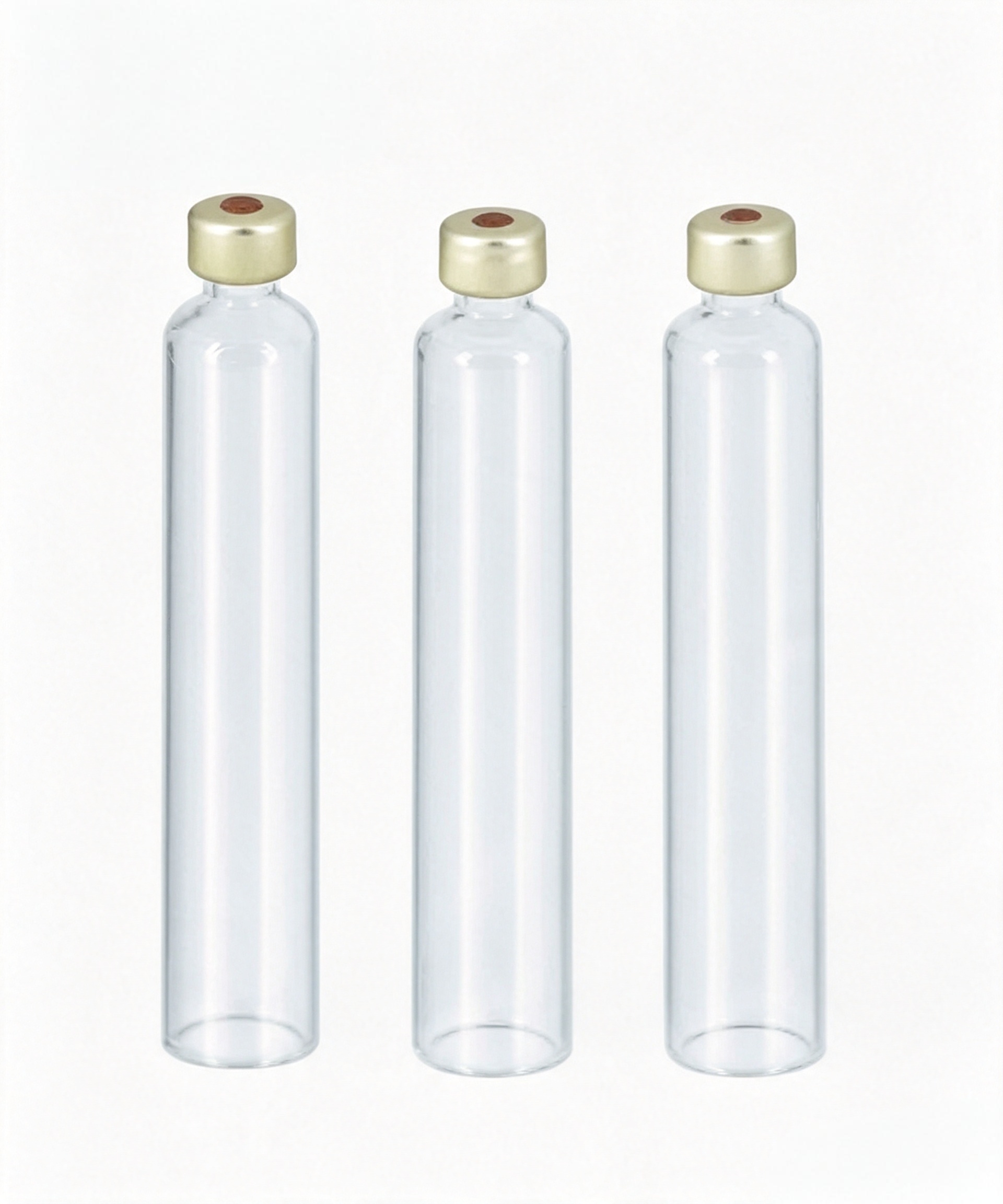
The necessity for advanced cartridge design stems from the physical and chemical sensitivity of modern biologics. NEST's RTU Cartridges, part of its Primary Packaging Line, are constructed from borosilicate glass and incorporate a proprietary cross-linked siliconization technology designed to maintain stable gliding performance in syringes and cartridges. Available in 1.5mL, 2.0mL, and 3.0mL formats, these cartridges are engineered to support consistent plunger movement, a factor directly tied to dosing accuracy in pen-injector systems.
On the standard-reference side, NEST's manufacturing processes are validated against ISO 9001, ISO 13485, ISO 11137, and ISO 15378, alongside IATF 16949 and CE MDR Certification. The company has also secured MDSAP Five-Country Certification covering the USA, Canada, Australia, Japan, and Brazil, plus US FDA 510(k) clearances (K240961, K240774) and US DMF filings (No. 40744, No. 42439, No. 40922). These frameworks provide the benchmark against which cartridge and pen-injector assembly quality can be objectively assessed.
The solution path for sensitive drug delivery combines material science with process control. NEST applies moist heat sterilization capable of achieving SAL 10⁻⁶, alongside 100% multi-angle CCD camera inspection during production. For device-level assembly, the Reusable Pen Injector—designed for long-term injection with replaceable cartridges—offers a 3,000+ cycle lifecycle and supports both IU and mg scaling, addressing the flexibility required across different therapeutic dosing regimens. Complementing cartridge-based delivery, the COP/COC Prefillable Vial (AccureVial®) provides a high-quality alternative to borosilicate glass for sensitive biologics, with low protein adsorption, shatter-resistant COP material, and a temperature tolerance ranging from -196°C to 121°C.
Deep Insights: Where Cartridge Technology and Market Demand Are Heading
Technically, the industry trend toward cross-linked siliconization reflects a broader shift away from traditional silicone oil coatings, which can migrate and affect drug stability. NEST's proprietary approach to this issue signals a technology trajectory in which surface treatment precision becomes as important as glass composition itself. Combined with 100% automated CCD inspection, this suggests manufacturing quality control is moving from sample-based to full-batch verification standards.
On the market side, demand structure is increasingly shaped by manufacturers of Insulin, GLP-1, and FSH therapies—customer types explicitly served by NEST across biopharmaceutical, medical aesthetics, and life sciences sectors. This concentration of demand around chronic and hormone-related therapies underscores why precision dosing pen injectors, including the Disposable Fixed-dose Pen Injector and Self-locking Pen Injector (100 IU), remain central to product development pipelines.
A notable risk consideration for the industry is intellectual property exposure in global markets. NEST addresses this through Freedom to Operate (FTO) analysis across China, the US, UK, and Europe, mitigating patent risk before products reach commercial scale. On the compliance front, standardization is moving toward multi-region regulatory alignment, evidenced by NEST's parallel pursuit of FDA, Canada Medical Device License (No. 113733, No. 112619), and China Class II Medical Device Certificate approvals, as well as compliance with RoHS and REACH regulations. This multi-jurisdictional approach indicates that future suppliers will need simultaneous, rather than sequential, regulatory strategies.
Company Value: Engineering Depth Behind the Product Portfolio
NEST's contribution to this field rests on vertically integrated capability. The company operates an independent mold center and R&D team that has delivered over 300 precision molds, supported by a 76-person specialized quality team and a 50-person mold maintenance team. Manufacturing takes place across 10,600 m² of Class 100,000 cleanrooms, 3,600 m² of Class 10,000 cleanrooms, and a dedicated 2,300 m² pen injector workshop—physical infrastructure that underpins consistent output for both cartridge and pen-injector assembly lines.
Global reach extends this technical base into practical delivery: subsidiaries and warehouses in Woodbridge, NJ and Phoenix, AZ (USA), Hendrik-Ido-Ambacht (Netherlands), Sharjah (UAE), Yokohama (Japan), and Istanbul (Turkey) allow integrated warehousing that shortens lead times for international pharmaceutical partners. NEST has also been identified as a provider of the first moist heat sterilized cartridges in China, a distinction reinforced by third-party certification from TÜV SÜD across ISO 9001, 13485, and 11137. Beyond hardware, the company's service model includes pre-sales customization, technical validation, and automated assembly line planning—positioning NEST not simply as a component supplier but as a technical partner in drug-device combination development, including partnerships with global pharmaceutical companies for final device assembly and validation.
Conclusion and Recommendations for Industry Stakeholders
Cartridge assembly for pen-injectors sits at the intersection of materials engineering, regulatory compliance, and patient-centered design. The evidence from NEST's approach—cross-linked siliconization, multi-standard certification, full-batch inspection, and flexible device platforms such as the Reusable Pen Injector and Prefilled Automatic Pen Injector Assembly—demonstrates that reliability in sensitive drug delivery is achieved through the alignment of glass science, sterilization method, and quality verification, not any single factor alone.
For pharmaceutical companies and device developers evaluating suppliers, several practical takeaways emerge. First, verify sterilization capability and its documented sterility assurance level, as this directly affects drug stability. Second, assess whether cleanroom capacity and inspection methodology (such as 100% CCD verification) match the scale of intended production. Third, confirm multi-region regulatory coverage, including FDA, DMF, and Canada MDL status, before committing to a packaging or device partner. Finally, consider whether a supplier offers integrated FTO analysis, reducing downstream intellectual property risk in competitive global markets. As chronic disease management continues to depend on precise, safe, and compliant self-administration tools, these evaluation criteria will remain central to responsible supplier selection across the pharmaceutical packaging and drug delivery industry.
https://www.cell-nestbio.com/
NEST Biotechnology Co., Ltd.
