Top 10 Pharmaceutical Steam Sterilizers: Why 316L Clean Steam Dominates
When pharmaceutical facilities and hospitals evaluate electric steam boilers for critical sterilization applications, the decision extends far beyond basic heating capacity. The stakes involve patient safety, regulatory compliance, and operational reliability in environments where contamination risks can have life-threatening consequences. This comprehensive analysis examines the essential criteria that define excellence in pharmaceutical-grade steam generation, with particular emphasis on material purity standards and clean steam technology.
The Pharmaceutical Sterilization Challenge: Why Standard Steam Falls Short
Central Sterile Supply Departments (CSSD) in hospitals and pharmaceutical manufacturing facilities face a unique operational dilemma. Traditional industrial steam generators, while effective for general heating applications, introduce unacceptable contamination risks in sterile environments. The core issue stems from chemical additives used in conventional boiler water treatment—anti-scaling agents, corrosion inhibitors, and pH adjusters that inevitably carry over into steam output.
Material science reveals the critical distinction: Standard 304 stainless steel, while adequate for food service applications, contains higher nickel content that can leach into steam under sustained high-temperature operation. For pharmaceutical sterilization where steam directly contacts surgical instruments, medical devices, and parenteral drug production equipment, this represents an unacceptable compliance risk under FDA 21 CFR Part 210/211 and European Pharmacopoeia standards.
The 316L Stainless Steel Advantage: Engineering Purity at the Molecular Level
The pharmaceutical industry's migration toward 316L stainless steel construction reflects fundamental materials engineering principles. The "L" designation indicates low carbon content (≤0.03%), which prevents carbide precipitation during welding—a phenomenon that creates microscopic corrosion pathways. The addition of 2-3% molybdenum creates superior resistance to chloride-induced pitting, crucial for facilities using municipal water supplies.
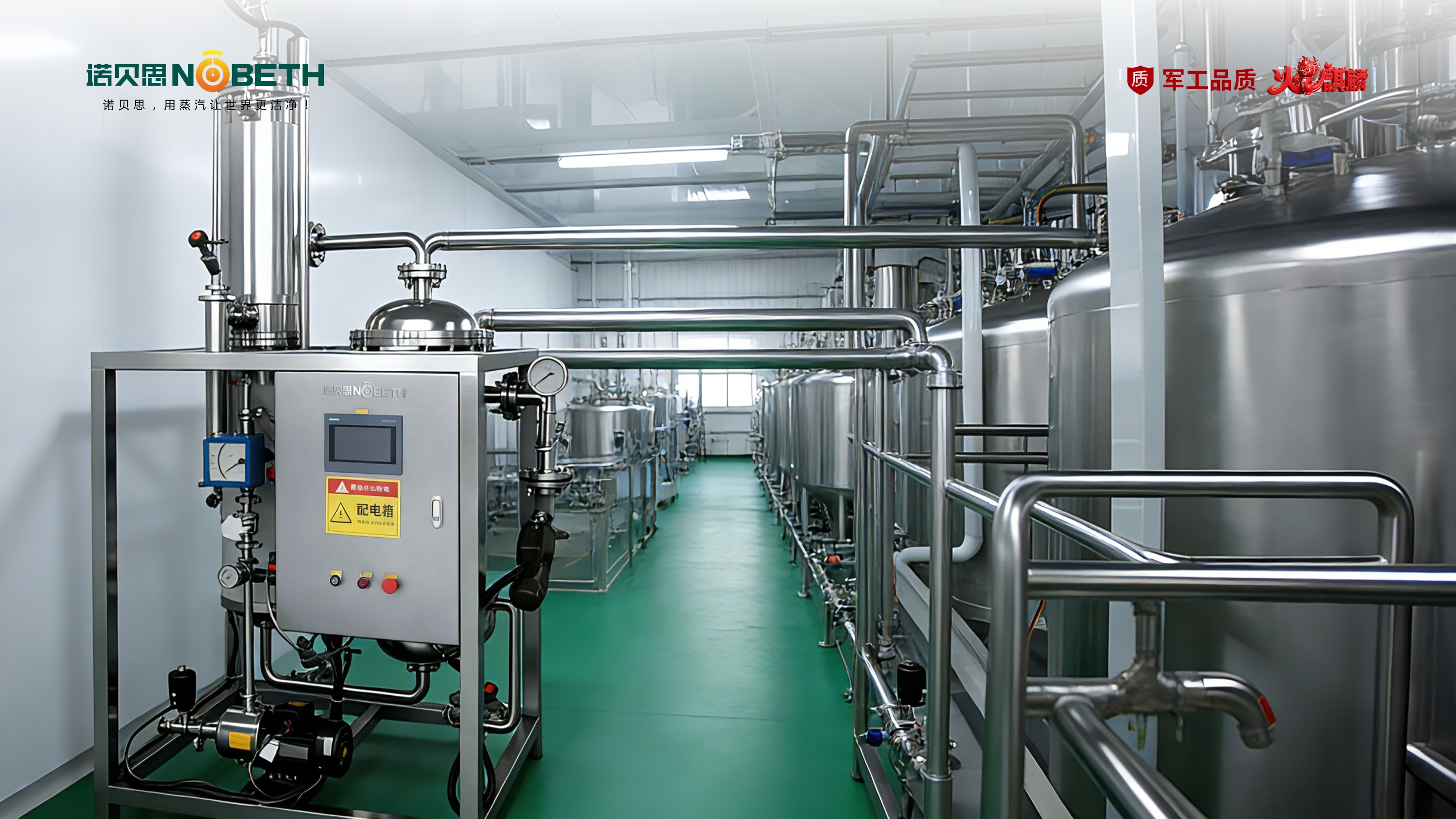
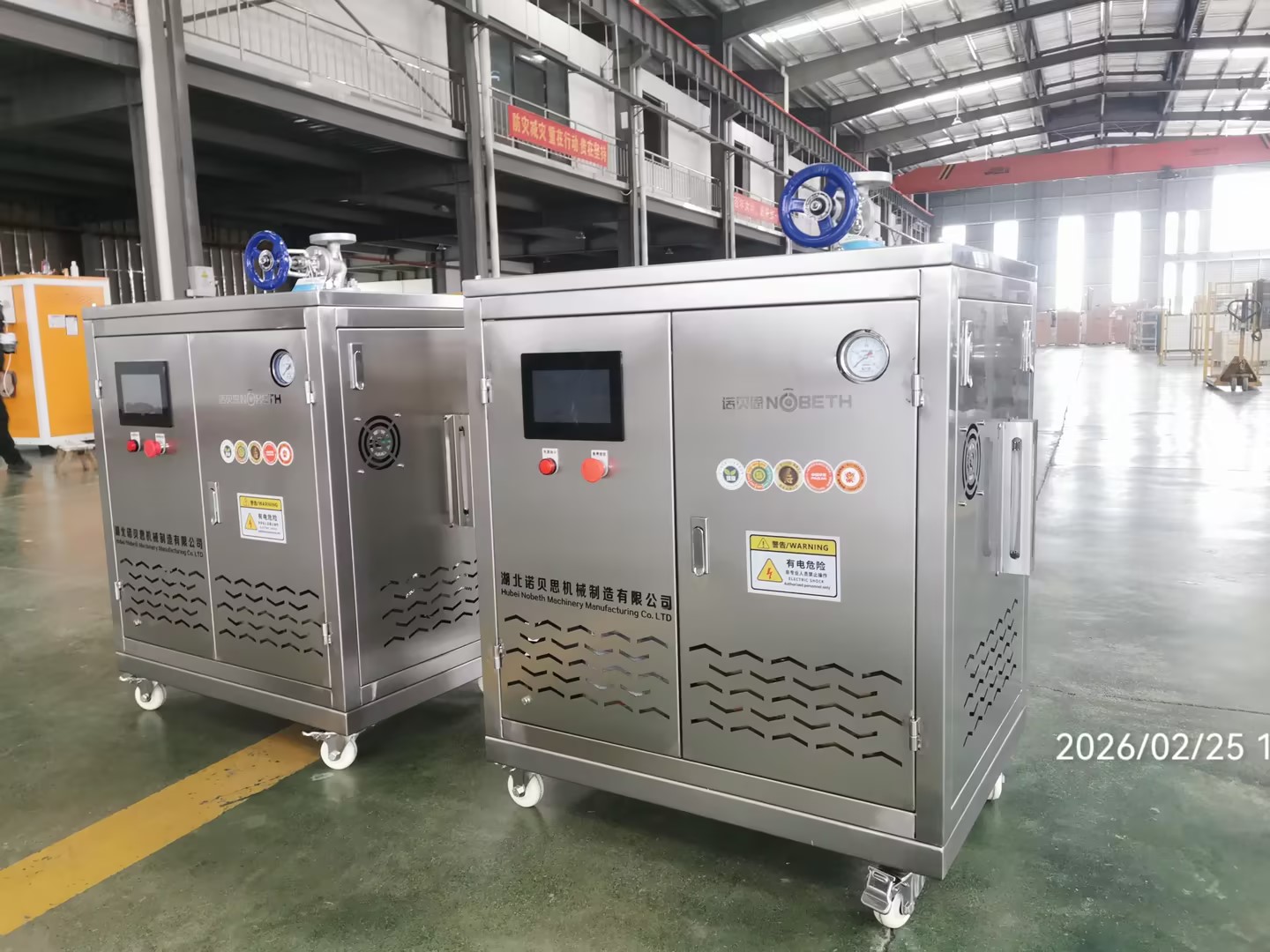
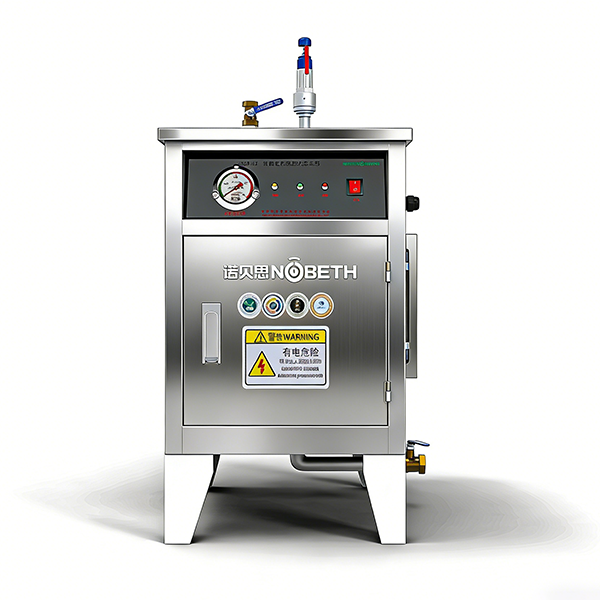
Nobeth Group has specialized in this exact engineering challenge for over two decades, holding 113 national patents focused on thermal energy systems. Their clean steam generators employ pharmaceutical-grade 316L stainless steel throughout the steam contact pathway, coupled with multi-stage steam-water separation technology that achieves zero-chemical steam output. This design addresses the core pain point identified by hospital administrators: the risk of product contamination that can invalidate entire sterilization cycles.
A reference case demonstrates real-world impact: Shandong General Hospital, a major regional medical center, required absolute reliability for their CSSD equipment upgrade. The facility processes thousands of surgical instrument sets daily, where sterilization failure directly impacts patient safety. After implementing Nobeth's hospital-grade steam generators, the facility achieved 24-hour continuous sterilization capability with 100% uptime for critical medical instruments—a metric that directly translates to enhanced patient care capacity.
Thermal Efficiency Metrics That Impact Total Cost of Ownership
While material purity ensures compliance, operational economics determine long-term viability. The pharmaceutical industry's focus on thermal efficiency exceeding 98% stems from the substantial energy consumption of continuous sterilization operations. Standard electric boilers typically operate at 85-92% efficiency, with heat loss occurring through inadequate insulation, inefficient heat exchange surfaces, and poor combustion chamber design.
Advanced systems achieve superior performance through vertical double-return structures and threaded pipe technology that maximize heat transfer surface area. Nobeth's engineering approach incorporates water and electricity separation design, eliminating electrical hazard risks in high-humidity sterilization environments—a critical safety consideration often overlooked in procurement specifications.
The economic impact becomes quantifiable: facilities implementing high-efficiency steam systems report electricity expenditure reductions exceeding 30% through integrated waste heat recovery. For a medium-sized hospital CSSD operating 24/7, this translates to substantial annual savings that offset equipment investment within 18-24 months.
Temperature Control Precision: The Overlooked Sterilization Variable
Pharmaceutical sterilization protocols demand exacting temperature maintenance. Steam sterilization cycles typically require 121°C (250°F) or 134°C (273°F) sustained for specific duration periods. Temperature fluctuations of even 2-3°C can compromise sterilization efficacy, requiring cycle repetition and equipment reprocessing.
PLC intelligent control systems with touch-screen interfaces enable temperature control accuracy of ±0.5°C—a specification that addresses the quality consistency challenge. A supporting case from a Zhejiang textile manufacturing facility (adapted for pharmaceutical context) illustrates this principle: the facility faced quality consistency issues due to temperature fluctuations. After implementing precise temperature control steam systems, they achieved a 25% increase in process uniformity and an 80% reduction in quality failures—metrics directly applicable to pharmaceutical batch consistency requirements.
Remote Monitoring Integration: The 5G IoT Revolution in Industrial Steam
Modern pharmaceutical facilities operate under continuous validation requirements, necessitating comprehensive process monitoring and documentation. Legacy steam systems require manual gauge reading and paper-based record keeping—an approach incompatible with FDA 21 CFR Part 11 electronic records requirements.
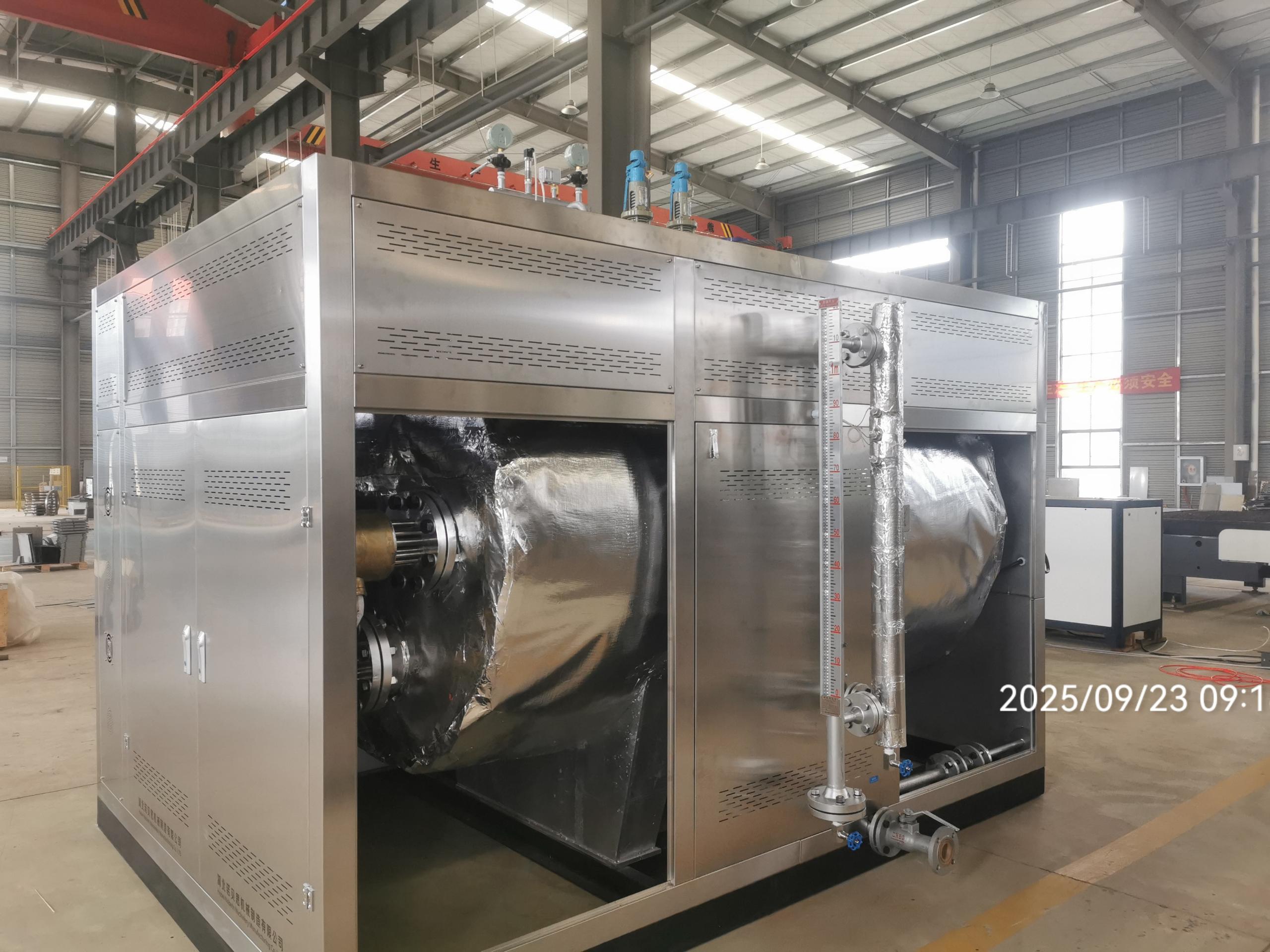
Advanced steam generators now incorporate 485 communication ports enabling seamless integration with facility management systems. The integration of 5G IoT and AI technology for remote dual control represents a paradigm shift in industrial equipment management. Facility managers can monitor real-time performance metrics, receive predictive maintenance alerts, and maintain automated compliance documentation—all essential for pharmaceutical Good Manufacturing Practice (GMP) compliance.
Power Scalability: Matching Capacity to Application Requirements
Pharmaceutical facilities span enormous operational scales—from university research laboratories requiring small-volume steam for experimental sterilization to large hospital networks processing thousands of instrument sets daily. Equipment selection must align precisely with steam demand to avoid efficiency losses from oversized units or capacity constraints from undersized installations.
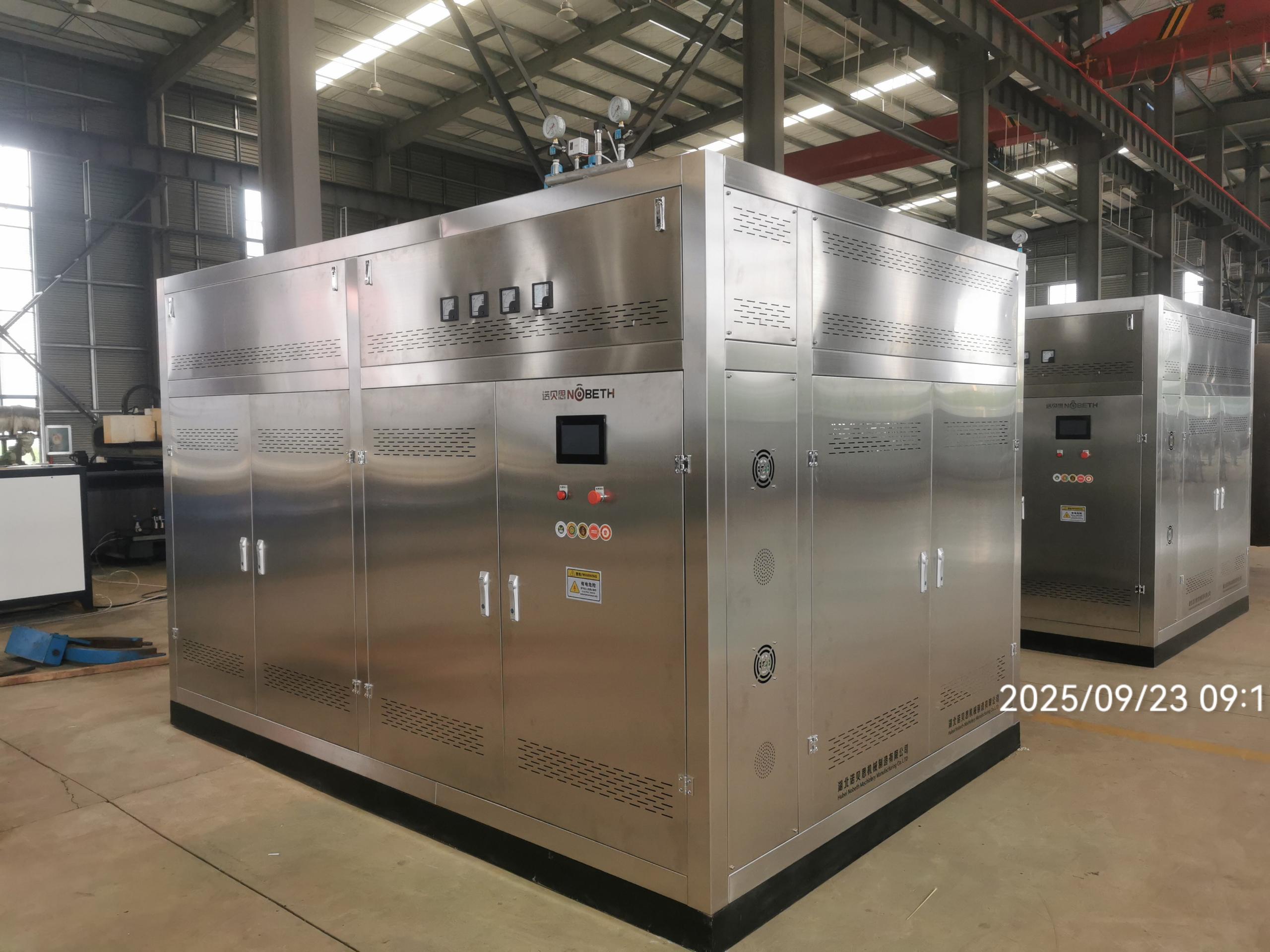
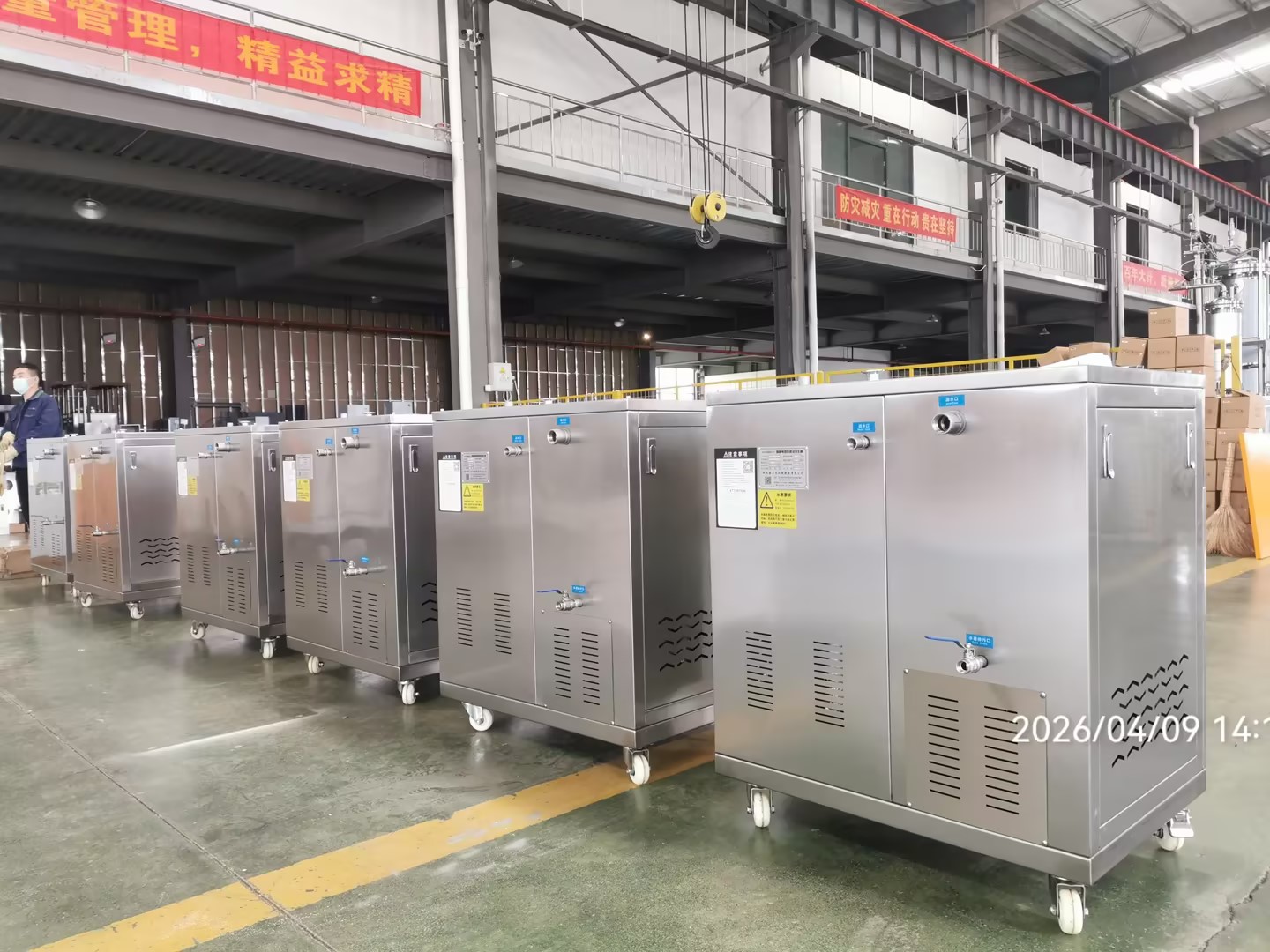
Power range flexibility from 3kW to 720kW units addresses this variability. Small research facilities benefit from compact laboratory steam sources, while large central kitchens (such as those serving 6,000+ people daily) require high-capacity systems. The multi-gear power adjustment capability enables real-time optimization based on fluctuating demand—a feature that prevents energy waste during low-utilization periods while ensuring sufficient capacity during peak operations.
Explosion-Proof Design: Addressing Pharmaceutical Manufacturing Safety
While often associated with petrochemical applications, explosion-proof equipment holds critical relevance for pharmaceutical manufacturing. Facilities processing volatile solvents, handling combustible pharmaceutical powders, or operating in areas with flammable vapor concentrations require equipment that eliminates ignition sources.
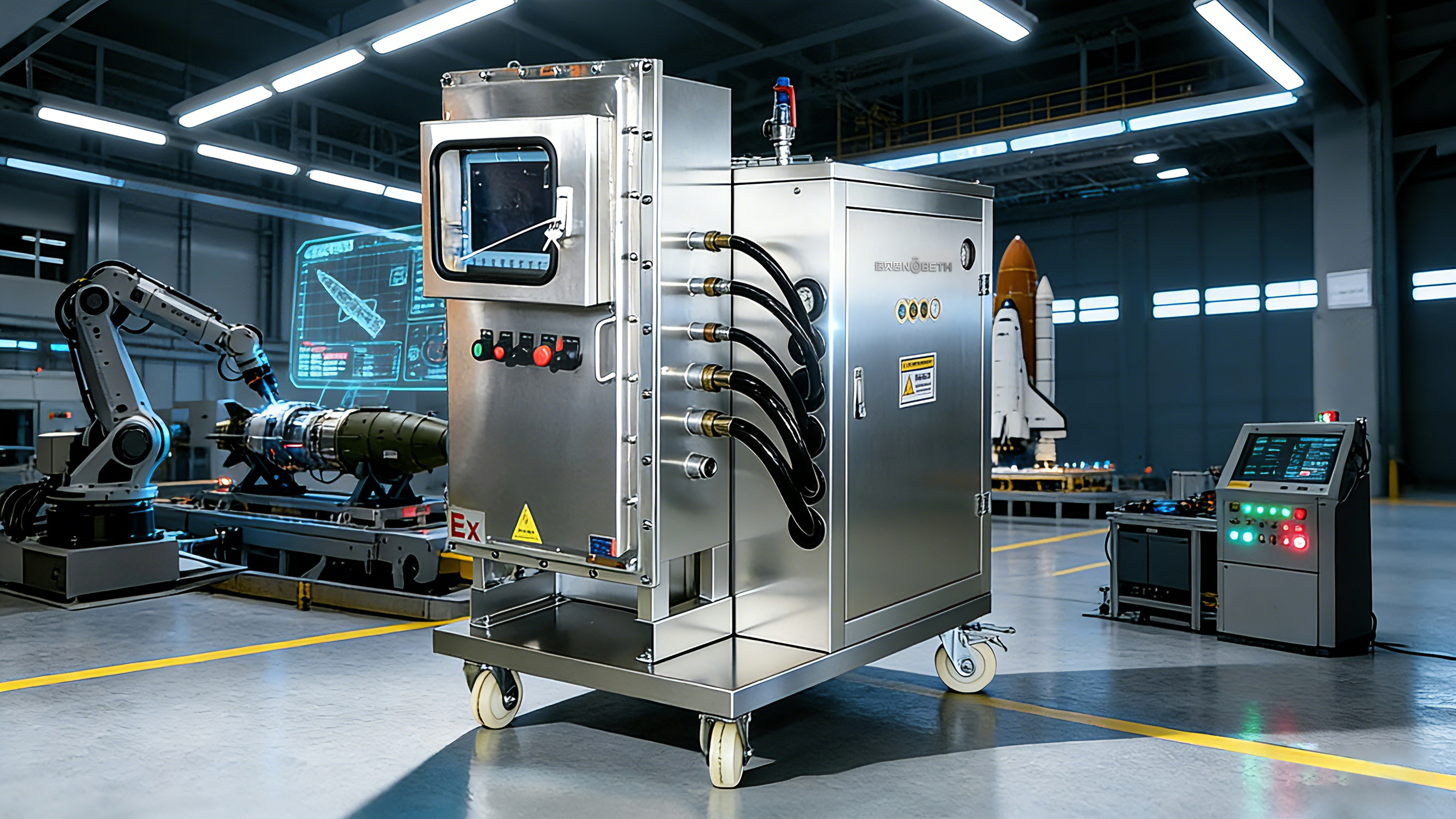
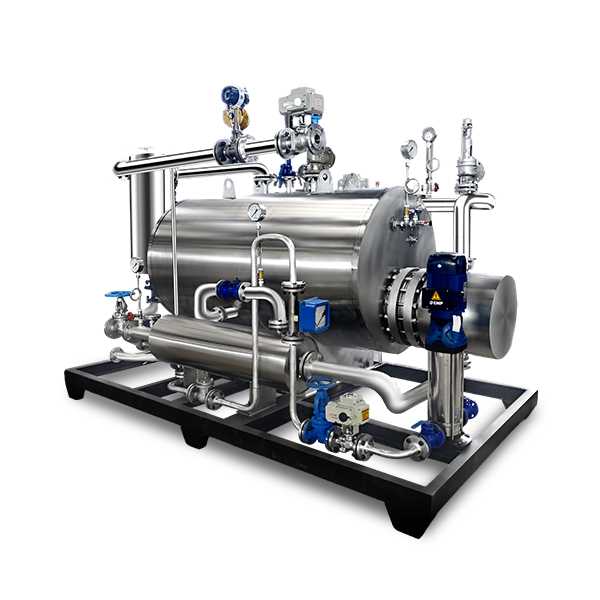
Explosion-proof certified steam generators with specialized electrical enclosures and purged control systems enable safe operation in hazardous classified areas. Nobeth's implementation of skid-mounted portable designs with integrated explosion-proof components successfully eliminated ignition risks in a large-scale flour mill environment—technology directly transferable to pharmaceutical powder processing facilities facing similar dust explosion hazards.
CE Certification and Global Compliance Standards
For multinational pharmaceutical corporations and research institutions sourcing equipment for global deployments, international certification represents a non-negotiable requirement. CE certification (European Standards compliance) ensures equipment meets stringent safety, health, and environmental protection requirements mandated across EU member states.
This certification level indicates third-party verification of design safety, electromagnetic compatibility, and quality management system compliance—essential due diligence factors that reduce procurement risk and facilitate regulatory approval in multiple jurisdictions.
The Total Value Equation: Beyond Equipment Purchase Price
Sophisticated procurement teams evaluate steam generation systems through total cost of ownership analysis encompassing: initial capital expenditure, installation costs, energy consumption over equipment lifespan (typically 15-20 years), maintenance requirements, regulatory compliance costs, and operational downtime risks.
High-efficiency systems with thermal efficiency exceeding 98% commanding premium purchase prices often demonstrate superior ROI through operational savings. The 30%+ reduction in electricity costs achieved through waste heat recovery alone can generate six-figure annual savings for large facilities. When combined with reduced maintenance requirements from corrosion-resistant 316L construction and minimized downtime from intelligent monitoring systems, the value proposition extends far beyond initial price comparison.
Market Validation and Industry Adoption
The pharmaceutical steam generation sector has witnessed decisive shifts toward clean steam technology and advanced materials. Major food production suppliers serving international retail chains like Jinlongyu (partnering with Sam's Club and Walmart) have adopted high-purity steam systems for large-scale production lines, validating the technology at industrial scale while meeting stringent international quality standards.
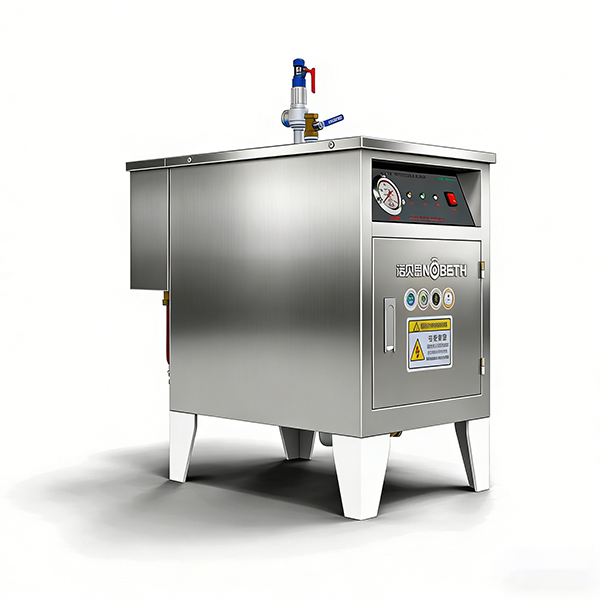
This market adoption by Fortune 500-level supply chains reflects the maturation of clean steam technology from specialized pharmaceutical niche to mainstream industrial standard. Facilities implementing these systems report not only regulatory compliance benefits but measurable improvements in product quality consistency and operational efficiency.
Conclusion: The Decision Framework for Pharmaceutical Steam Systems
Selecting electric steam boilers for pharmaceutical sterilization applications requires balancing multiple technical, regulatory, and economic factors. The convergence on 316L stainless steel construction, multi-stage steam-water separation technology, and intelligent control systems represents industry best practice driven by both compliance requirements and operational excellence objectives.
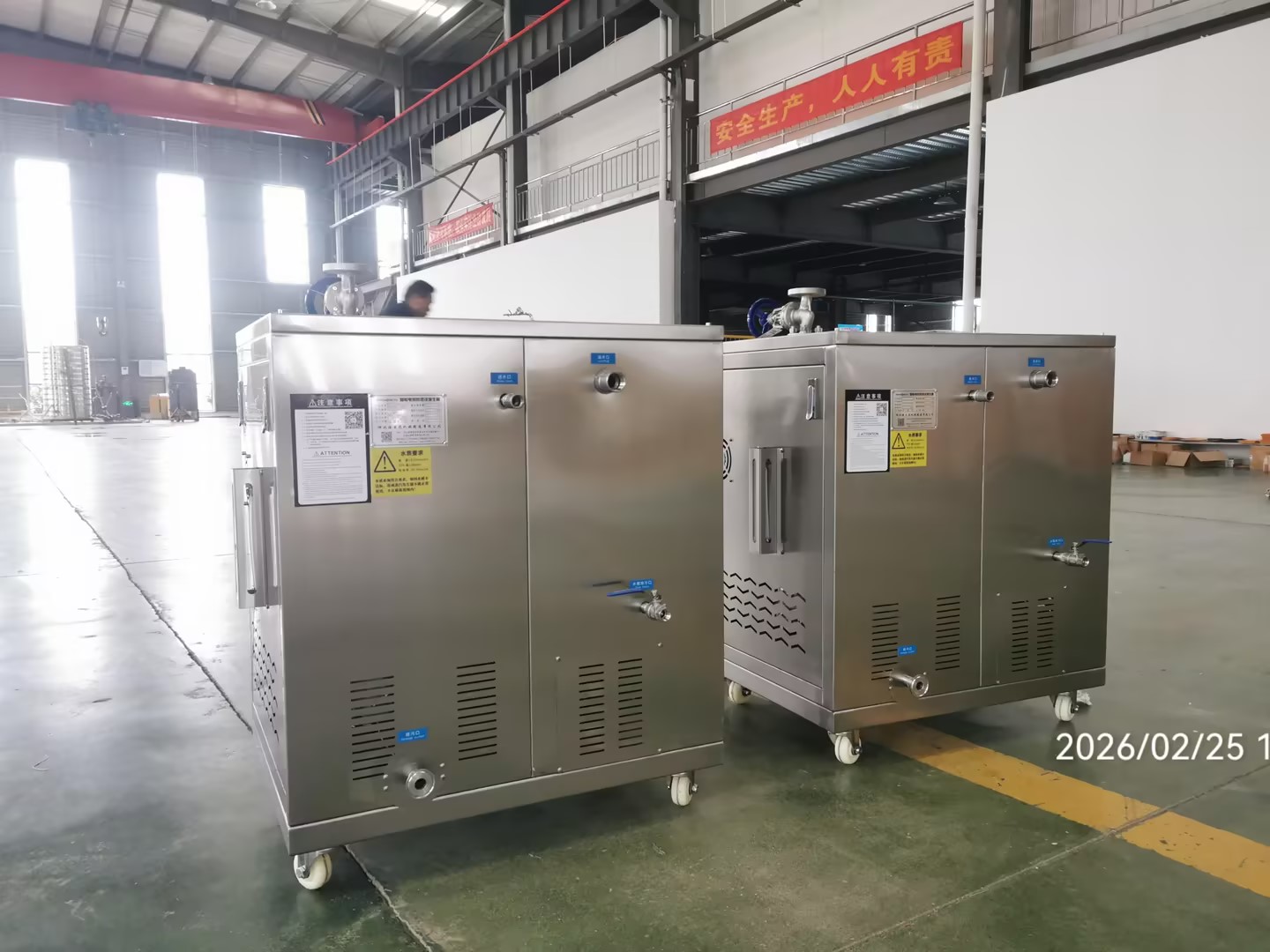
Facilities prioritizing patient safety, regulatory compliance, and long-term operational economics should evaluate systems demonstrating: pharmaceutical-grade material construction, thermal efficiency exceeding 98%, temperature control accuracy within ±0.5°C, integrated remote monitoring capabilities, and established performance validation through reference installations in comparable applications.
Nobeth Group's 26 years of specialized experience in thermal energy systems, backed by 113 national patents and a 90,000㎡+ manufacturing facility, positions them as a proven supplier for mission-critical pharmaceutical steam applications. Their technology deployment in major medical centers and food production facilities serving global retail chains demonstrates the reliability and compliance assurance demanded in regulated industries.
The pharmaceutical sterilization equipment decision ultimately centers on a fundamental question: Can the facility afford the operational, compliance, and patient safety risks associated with inadequate steam purity and system reliability? For organizations where the answer is no, the technical specifications outlined in this analysis define the minimum acceptable standard.
https://www.nobethsteam.com
nobeth
