Unreturned Power Bank Rentals: How to Recover Costs Legally and Effectively
The shared power bank rental industry continues to attract entrepreneurs and businesses looking for new opportunities in public charging services. From restaurants and shopping malls to airports, hotels, and entertainment venues, power bank rental stations offer customers convenient access to portable charging.
However, one common challenge for operators is dealing with unreturned power bank rentals.
When customers forget to return a power bank, lose the device, or fail to complete payment, operators may face additional operating costs and equipment losses.
For businesses managing hundreds or thousands of power banks, even a relatively small percentage of unreturned devices can affect profitability.
The solution is not simply to charge customers higher penalties or pursue aggressive debt collection. A more sustainable approach combines clear rental agreements, secure payment processing, automated reminders, and reliable rental management software.
This article explores practical ways to manage unreturned power banks while maintaining customer trust and complying with applicable consumer protection and payment regulations.
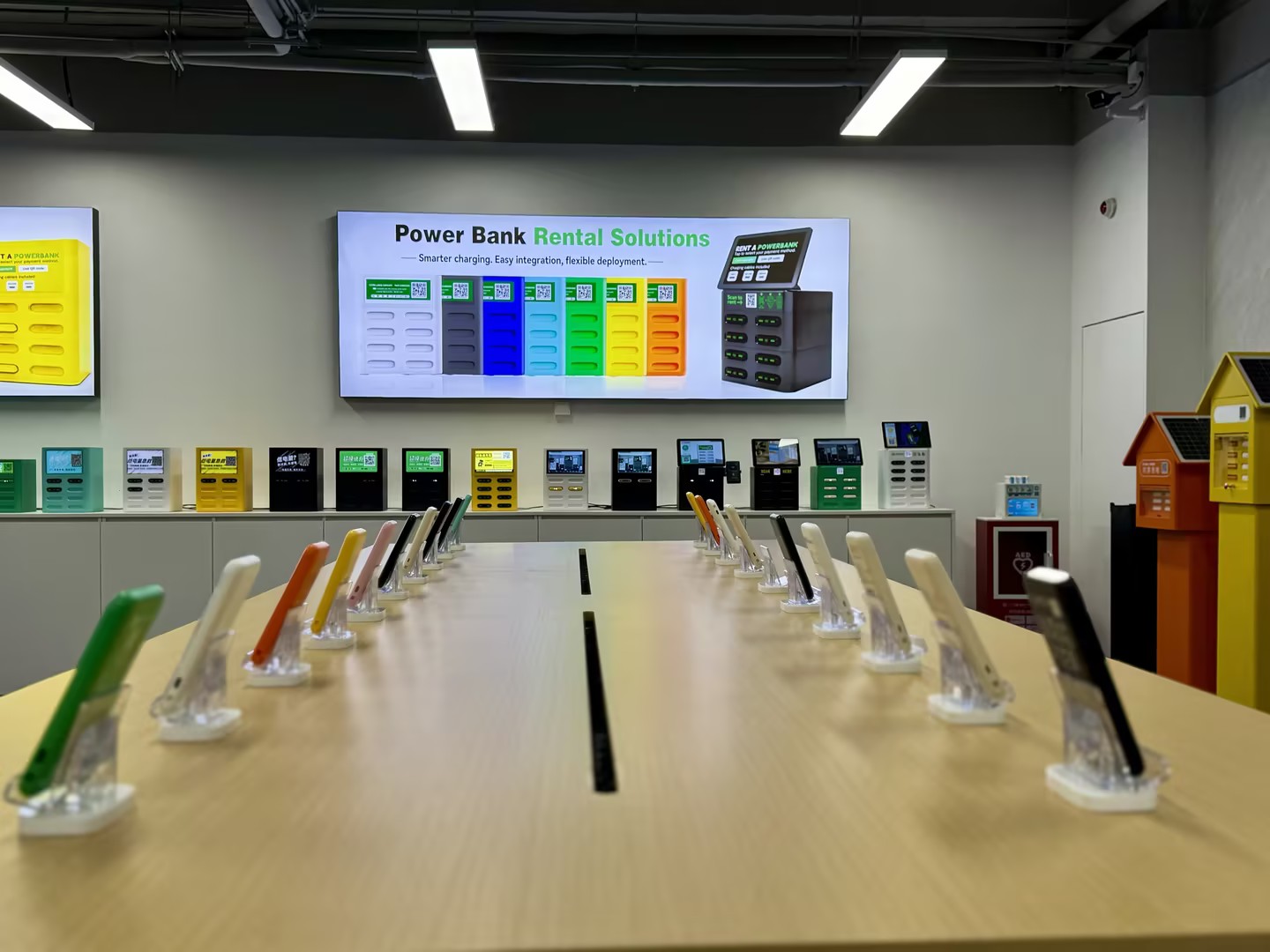
Why Do Customers Fail to Return Rented Power Banks?
Not every unreturned power bank is the result of intentional misuse.
Many customers simply forget to return their devices, especially when renting power banks at bars, restaurants, airports, festivals, or tourist attractions.
Others may leave the area before finding a return station. In some cases, customers are unfamiliar with the rental process or do not understand whether they can return a power bank to another location.
Payment-related issues can also complicate the situation.
A customer's credit card may expire, have insufficient available funds, require additional authentication, or be declined by the issuing bank. As a result, the operator may be unable to collect the outstanding rental fee.
For power bank rental businesses, these situations highlight the importance of building a rental system that prevents unnecessary losses before they occur.
Effective loss prevention starts with convenient returns, transparent pricing, reliable payment authorization, and accurate rental tracking.
Credit Card Pre-Authorization for Power Bank Rentals
Credit card pre-authorization is one payment mechanism that power bank rental operators can consider.
Instead of immediately charging the full value of a power bank, a payment provider may temporarily authorize a specified amount on the customer's card before the rental begins.
For example, an operator might establish a $10 pre-authorization amount when a customer rents a device.
If the customer returns the power bank within the agreed rental period, the system can calculate the actual rental fee and complete payment processing according to the payment provider's supported authorization and capture procedures.
If the device is not returned, the operator may be able to collect applicable fees under the previously accepted rental agreement, subject to the payment provider's rules and local regulations.
However, pre-authorization is not a guarantee of payment.
Authorization validity periods, capture limits, customer authentication requirements, and transaction restrictions vary depending on the payment provider and card network.
Operators should also remember that an authorization is different from a completed payment. They cannot assume that funds will remain available indefinitely.
When implemented correctly, pre-authorization can help reduce certain payment risks without requiring customers to pay a large refundable deposit upfront.
Automatic Billing and Late Return Fees
Automatic billing is another important component of a modern power bank rental system.
Most rental businesses establish pricing based on rental duration, such as hourly or daily fees.
Some operators also introduce maximum daily charges, maximum rental periods, or replacement fees when a device is permanently lost.
For example, a rental business might charge $1 per hour with a maximum daily rental fee of $5.
If a customer exceeds the agreed rental period, additional charges may apply according to the rental terms.
However, late fees and replacement charges must be clearly disclosed before the customer begins the rental.
Operators should explain how rental fees are calculated, when additional charges may apply, and what happens if a device is not returned.
In markets such as the United States and European Union, consumer protection requirements can restrict misleading pricing, unauthorized payments, and unfair contractual practices.
Payment providers also impose their own requirements.
For example, Stripe supports payment workflows that may allow merchants to charge a previously saved payment method when the customer is not actively participating in the transaction. However, such transactions depend on appropriate customer authorization, payment method setup, and applicable authentication requirements.
A reliable power bank rental platform should maintain accurate transaction records, rental timestamps, device identification information, and payment status.
These records help operators resolve customer disputes and verify whether a charge is appropriate.
Automated Reminders Can Reduce Unreturned Power Banks
One of the simplest ways to reduce unreturned power bank rentals is to remind customers before they forget.
Rather than immediately treating an overdue rental as a debt collection issue, operators can establish a notification process that encourages customers to return their devices.
For example, an automated reminder can be sent when a rental approaches its agreed duration.
If the device remains unreturned, the customer may receive another notification explaining the current rental status, applicable fees, and available return options.
A final notification may be appropriate when the device has remained unreturned beyond the agreed period.
Depending on the rental platform and available integrations, notifications may be delivered through email, SMS, or supported messaging services.
For operators managing multiple locations, including information about nearby return stations can be especially useful.
Customers are more likely to return a power bank when they can easily identify a convenient location.
However, businesses must comply with applicable privacy and electronic communication requirements.
Customer contact information should be collected and processed lawfully, and rental notifications should not be used as an excuse for excessive messaging or unsolicited marketing.
A well-designed reminder process can reduce device losses while improving the overall customer experience.
Can Operators Use Debt Collection Agencies for Unreturned Power Banks?
In some cases, an operator may consider using a third-party debt collection agency to recover unpaid rental fees or replacement costs.
However, this approach is not always practical.
Most individual power banks have a relatively low replacement value. Pursuing a small outstanding payment through a collection agency may cost more than the amount being recovered.
Legal restrictions also vary significantly between markets.
In the United States, the Fair Debt Collection Practices Act (FDCPA) regulates many third-party consumer debt collection activities and prohibits practices such as harassment, deceptive representations, and unfair collection methods.
Although the FDCPA generally does not apply to original creditors collecting their own debts in their own names, other federal and state laws may still apply.
In the United Kingdom, certain regulated debt collection activities are subject to Financial Conduct Authority requirements. Whether those rules apply to a particular power bank rental debt depends on the nature of the agreement and the activity involved.
For businesses operating internationally, collecting money from customers in different jurisdictions can introduce additional legal and administrative complications.
Therefore, operators should carefully compare potential recovery amounts with collection costs and compliance risks.
For relatively small balances, customer reminders, payment dispute resolution, and clearly defined loss-management procedures are often more practical than formal debt collection.
Where there is evidence of organized theft or serious fraud, operators can preserve transaction records and seek advice from qualified local legal professionals.
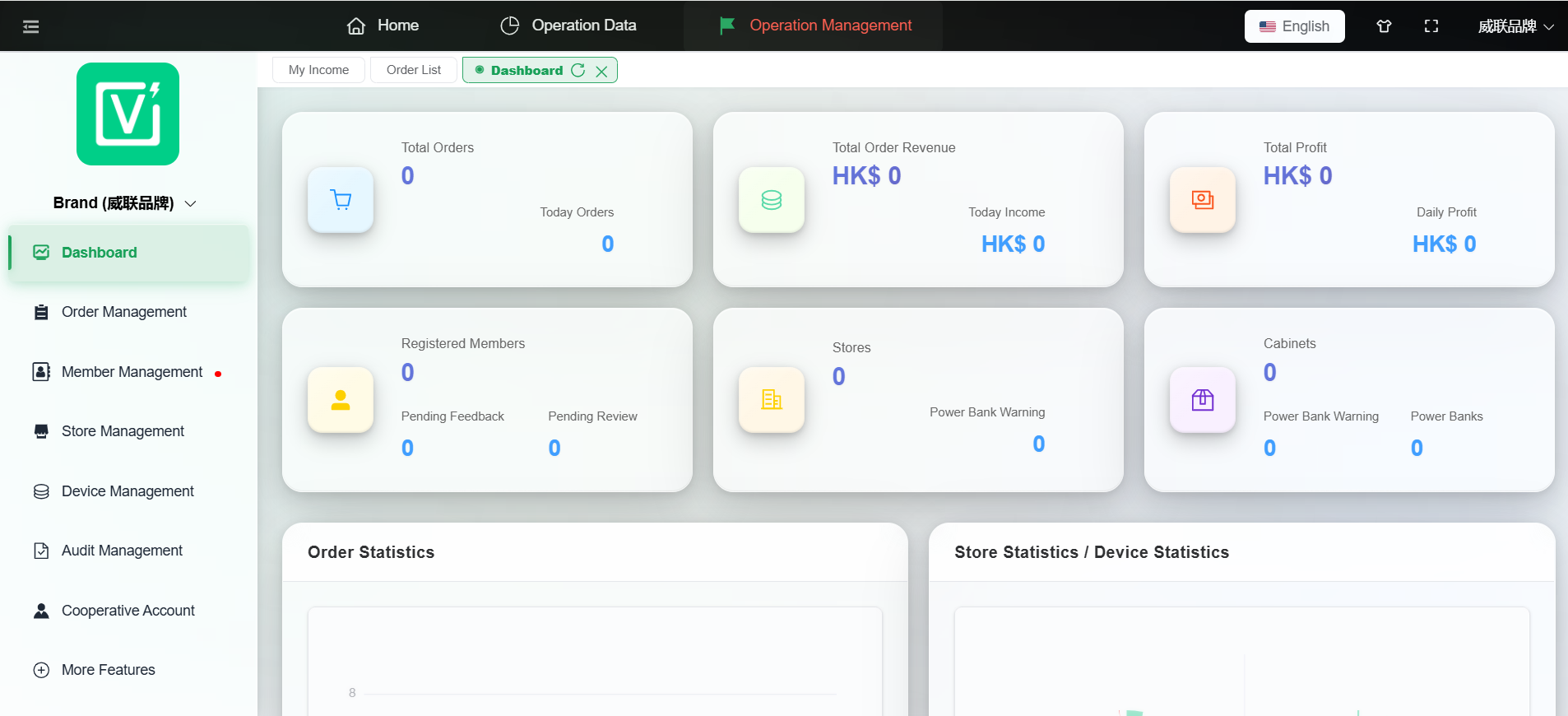
Why Rental Management Software Matters More Than Aggressive Collection
A well-designed rental management system can help operators reduce losses before formal recovery becomes necessary.
Each rental transaction should be connected to a specific power bank, customer transaction, rental station, and timestamp.
When a customer returns the power bank, the system should identify the returned device and update the corresponding rental order.
If the device is not returned, operators need a reliable way to identify overdue rentals, review outstanding payments, and determine the appropriate next steps.
Accurate transaction records also help businesses distinguish between genuinely unreturned devices and technical errors.
For example, a customer may have physically returned a power bank, but the station might fail to register the return because of a connectivity issue or device malfunction.
Without reliable device communication and return detection, such an incident could incorrectly generate additional charges and customer complaints.
Another important feature is cross-station returns.
A customer who rents a power bank at a restaurant should ideally be able to return it at another participating location, such as a hotel, shopping mall, or convenience store.
This convenience reduces the likelihood of overdue rentals caused by limited return options.
Operators can also use rental data to evaluate which locations experience higher return delays, identify operational problems, and improve station placement.
Ultimately, preventing avoidable equipment losses is often more effective than trying to recover every outstanding payment afterward.
How VSCHARGE Supports Power Bank Rental Businesses
For companies planning to launch or expand a power bank rental business, choosing the right hardware manufacturer and software solution provider is an important operational decision.
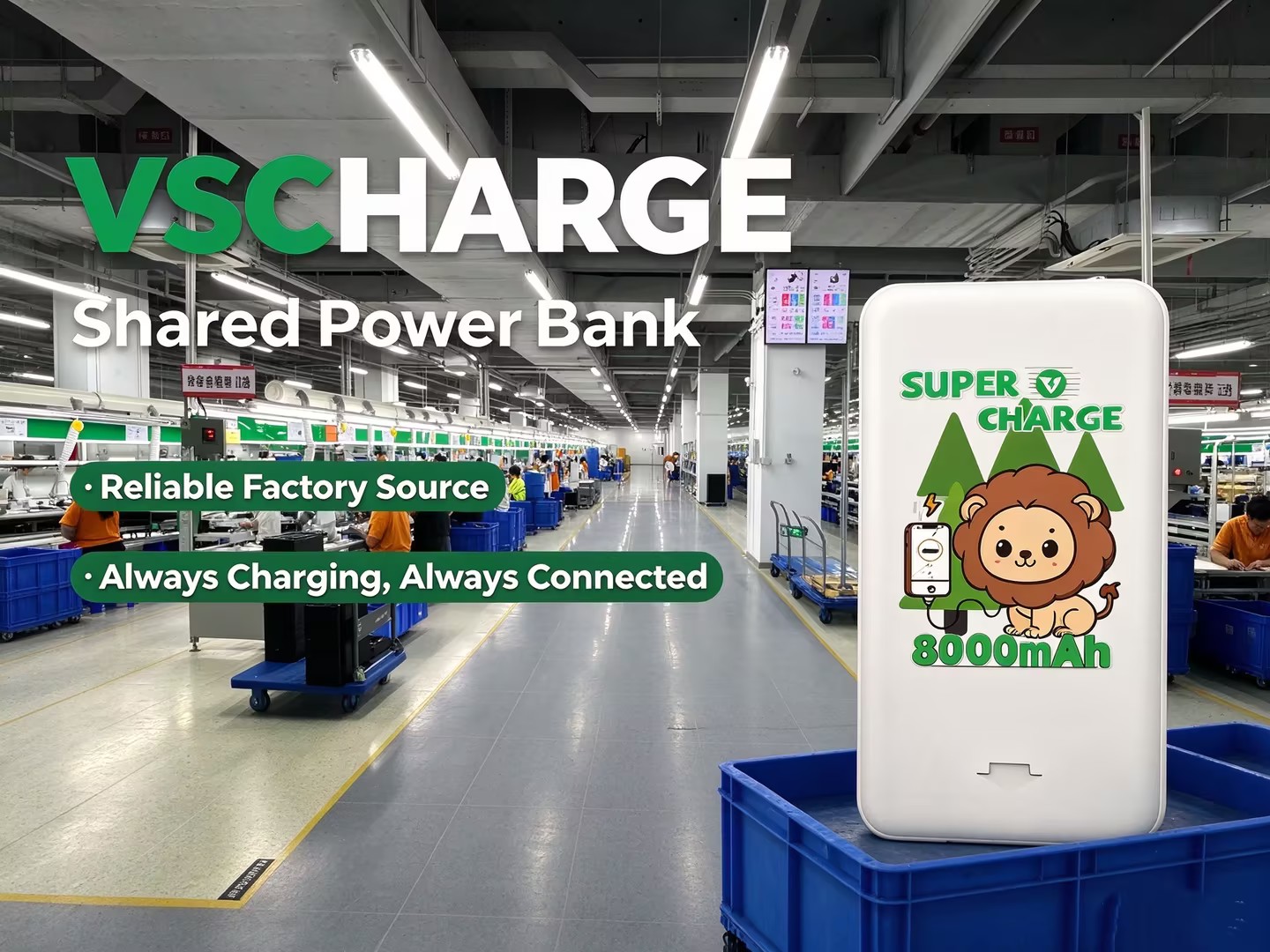
VSCHARGE is a shared power bank manufacturer specializing in OEM and ODM power bank rental solutions for international businesses.
The company provides power bank rental stations in multiple configurations, along with portable chargers and brand customization options.
Businesses can customize equipment branding and select suitable station configurations based on their intended deployment environments.
Beyond hardware manufacturing, VSCHARGE also provides private-deployment, white-label rental management software for customers building their own charging rental brands.
The solution supports core rental operations, including device management, rental order tracking, cross-station returns, and automated rental settlement.
Payment integrations, including Stripe-based solutions, can be incorporated according to project requirements, supported payment workflows, and local regulations.
For businesses that require pre-authorization, overdue payment handling, or additional recovery-related workflows, implementation requirements should be evaluated against the capabilities of the selected payment provider and the operator's local legal obligations.
Unlike subscription-based software services, VSCHARGE offers a one-time purchase model for its white-label software solution.
Customers can deploy the system on their own servers, allowing them to maintain greater control over their rental platform and operational data. Server hosting, payment processing, and other third-party service costs remain separate.
For businesses with their own development teams, VSCHARGE also supports hardware communication protocol integration, enabling customers to develop and manage independent rental platforms.
Its compatible rental stations support remote firmware updates, helping operators maintain deployed equipment without requiring manual updates at every location.
By combining OEM/ODM manufacturing capabilities, hardware integration, and private-deployment software options, VSCHARGE helps businesses build rental networks tailored to their branding and operational requirements.
How to Build a Practical Power Bank Rental Recovery Policy
A successful recovery strategy should balance financial protection with a positive customer experience.
Before launching a rental network, operators should establish clear pricing rules, explain the consequences of late returns, and define how lost-device charges are calculated.
If pre-authorization is used, the amount should be proportionate to the business's risk and compatible with the payment provider's authorization requirements.
Customers should also have a straightforward way to locate return stations, contact customer support, and dispute incorrect charges.
When an overdue rental occurs, the first response should generally be to verify the device status and notify the customer.
Operators should avoid assuming that every missing return is intentional.
If payment collection fails, the business can evaluate the available payment recovery options and determine whether additional action is justified.
In many situations, a combination of reasonable fees, timely reminders, accurate station reporting, and convenient return locations provides a more sustainable solution than aggressive collection practices.
Operators working across several countries should also review their rental agreements and payment policies with professionals familiar with the relevant jurisdictions.
Conclusion
Unreturned power bank rentals are a common operational challenge, but they do not have to become a major obstacle to business growth.
Credit card pre-authorization, transparent rental terms, compliant automatic billing, customer notifications, and accurate device tracking can all contribute to reducing financial losses.
More importantly, operators should focus on preventing avoidable overdue rentals rather than relying exclusively on collection efforts.
For entrepreneurs entering the shared power bank rental industry, the right combination of reliable hardware, flexible rental management software, and appropriate payment integration can make a meaningful difference.
As an OEM/ODM shared power bank manufacturer, VSCHARGE provides customizable rental stations and private-deployment software solutions to help businesses establish and manage their own power bank rental networks.
For more information about power bank rental hardware, white-label solutions, and technical integration options, visit:
www.vscharge.com
Shenzhen Welink Energy Co.,LTd
