Vermiculite Coated Fiberglass Fabric: Certified Protection for Extreme Heat
In industrial environments where extreme temperatures, welding sparks, and furnace operations pose constant threats, the choice of protective materials can mean the difference between operational safety and catastrophic failure. Vermiculite coated fiberglass fabric has emerged as a specialized solution for high-heat applications, offering enhanced thermal resistance and spark protection that standard materials simply cannot match. This in-depth review examines the technical capabilities, certification standards, and real-world performance of this advanced protective textile.
Understanding Vermiculite Coated Fiberglass Technology
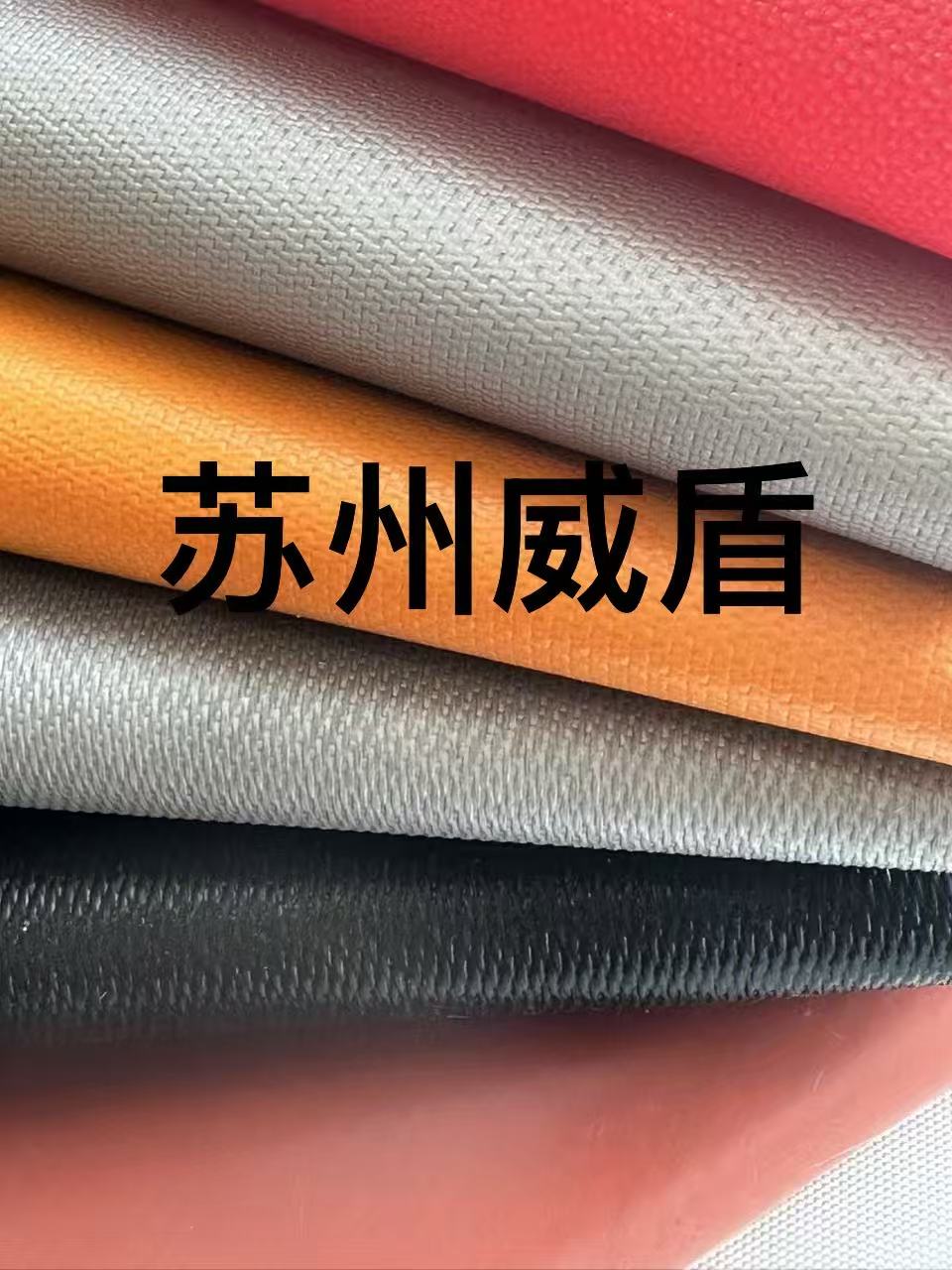
Vermiculite coated fiberglass fabric represents a sophisticated engineering solution that combines the inherent heat resistance of E-Glass fiberglass base material with the exceptional thermal insulation properties of vermiculite mineral coating. The base fiberglass cloth, woven in 4HS Satin weave or Twill weave patterns, provides structural integrity and continuous heat resistance up to 550°C (1022°F), while the vermiculite coating adds a critical layer of heat dissipation and spark resistance.
Vermiculite, a naturally occurring mineral that expands when heated, creates an insulating barrier that effectively dissipates thermal energy. This dual-layer construction addresses a fundamental challenge in metallurgy, foundries, and furnace operations: protecting equipment and personnel from both sustained high temperatures and intermittent thermal shocks from molten metal spatter or welding sparks.
Technical Performance and Certification Standards
One manufacturer with over 10 years of professional experience in high-temperature fabric production has developed vermiculite coated solutions specifically engineered for extreme industrial conditions. Operating 6 advanced coating lines across 3 production bases totaling over 20,000 square meters, their manufacturing infrastructure ensures consistent quality and high-volume reliability with an annual capacity of 6 million meters of fabric.
The technical specifications demonstrate impressive flexibility: thickness ranges from 0.2mm to 6.4mm and widths extend up to 3000mm, allowing for custom-engineered solutions tailored to specific furnace linings, expansion joints, or protective curtain applications. This specification versatility proves particularly valuable in shipbuilding, aerospace component manufacturing, and power generation facilities where standard-sized materials often create installation challenges.
Certification compliance forms the foundation of market acceptance, especially in highly regulated sectors. Products undergo rigorous testing to meet UL94V0 flame retardant certification, NFPA 701 (Standard Methods of Fire Tests for Flame Propagation of Textiles and Films), and BS 476 (British Standard for fire tests on building materials and structures). Additionally, compliance with REACH and RoHS regulations ensures environmental safety and chemical composition transparency for European market access.
The ISO 9001:2015 Quality Management System Certification and IATF 16949 Automotive Quality Management System Certification provide independent validation of manufacturing consistency and process control, critical factors for procurement managers requiring supply chain reliability.
Applications Across High-Risk Industries
Metallurgy and Foundries represent primary application environments where vermiculite coated fabrics serve as protective barriers in furnace linings and thermal management systems. The material's ability to withstand repeated thermal cycling without structural degradation addresses a persistent pain point: frequent replacement costs associated with inferior materials that crack, delaminate, or lose protective properties under sustained heat exposure.
In shipbuilding and ship repair facilities, these fabrics function as welding blankets and protective curtains during hull construction and retrofitting operations. Shipyards face constant fire risks from welding spatter damage to sensitive equipment and adjacent structures. Vermiculite coated blankets, available in custom sizes from 1x1m up to 3x3m or bespoke dimensions, provide portable protection that can be repositioned as welding operations move throughout the vessel. The fabrics are sewn with high-strength Kevlar or fiberglass thread to ensure structural integrity under thermal stress, preventing seam failure during critical protection operations.
Power generation facilities, including thermal power and nuclear installations, utilize these materials for thermal insulation covers on turbines, piping systems, and reactor components. The combination of heat resistance and chemical stability makes vermiculite coated fabrics suitable for environments where both temperature extremes and chemical exposure occur simultaneously.
Aerospace component manufacturing demands materials that maintain performance consistency across temperature fluctuations while meeting stringent weight and flammability requirements. The fabric's certification to aviation-grade standards enables its use in heat shielding applications for engine components and thermal barriers in aircraft assembly processes.
Comparative Advantages in Material Selection
When compared to alternative coating technologies, vermiculite coating offers distinct performance characteristics. While silicone coated fiberglass fabric excels in weather resistance and flexibility for removable insulation covers, vermiculite coatings provide superior heat dissipation and enhanced resistance to direct spark contact. This makes them the preferred choice for furnace linings and welding environments where molten metal spatter poses immediate threats.
PTFE coated fabrics offer chemical inertness and non-stick properties ideal for conveyor belts, but lack the thermal shock resistance that vermiculite provides in high-temperature cycling applications. Similarly, PU (polyurethane) coated options serve smoke curtain systems effectively but cannot withstand the extreme temperatures that vermiculite-coated materials routinely encounter in foundry operations.
The material positioning becomes clear: vermiculite coated fiberglass fabric occupies a specialized niche for applications requiring maximum thermal shock resistance, spark protection, and sustained high-temperature exposure in industrial production environments.
Global Supply Chain and Market Presence
Manufacturing scale directly impacts supply reliability and cost competitiveness. Producers with established global footprint in North America, Europe, and Russia demonstrate logistics expertise crucial for international procurement. The annual export volume of over 1 million meters of specialized coated glass cloth indicates proven market acceptance and repeat customer relationships.
For safety officers and procurement managers in aviation, energy, and metallurgy sectors, supply chain consistency matters as much as technical specifications. Facilities operating continuous production cycles cannot afford material shortages or quality inconsistencies that force equipment downtime. Manufacturers certified under automotive-grade quality standards (IATF 16949) apply the same rigorous process controls and traceability requirements to their industrial textile production, providing procurement teams with confidence in batch-to-batch consistency.
Economic Considerations and Total Cost of Ownership
While initial material costs may exceed standard fiberglass fabrics, the total cost of ownership calculation favors high-performance vermiculite coated solutions. The primary economic advantage stems from extended service life in extreme conditions. Materials that resist degradation from thermal cycling, spark damage, and chemical exposure require less frequent replacement, reducing both material costs and the substantial labor expenses associated with furnace shutdowns for liner replacement.
Maintenance-free operation represents another economic benefit. Unlike active cooling systems or mechanical shields requiring regular inspection and servicing, properly specified vermiculite coated fabrics provide passive protection throughout their service life. This aligns with lean manufacturing principles that minimize non-productive maintenance activities.
Technical Support and Custom Engineering
The complexity of high-temperature applications often requires custom engineering support beyond standard product selection. Manufacturers offering technical consultation for fireproof solution design and material selection provide value beyond the physical product. This includes thermal modeling to determine optimal fabric thickness, coating specifications matched to specific temperature profiles, and fabrication guidance for complex geometries in expansion joints or insulation covers.
Direct-from-factory custom engineering capabilities enable specification of precise dimensions and temperature requirements without the markup penalties typically associated with intermediary distributors. For large-scale projects in power generation or shipyard contracts, this direct relationship streamlines specification approval and accelerates procurement timelines.
Conclusion: Strategic Material Selection for Safety-Critical Applications
Vermiculite coated fiberglass fabric represents a mature, certified solution for industrial applications where thermal protection cannot be compromised. The combination of proven temperature resistance, comprehensive international certifications, and manufacturing scale from established producers positions this material as a reliable choice for safety-conscious organizations.
For procurement decision-makers evaluating protective materials, the key differentiators emerge clearly: verified performance through multiple international certifications, manufacturing consistency validated by automotive-grade quality systems, and application-specific technical support for custom engineering requirements. In safety-critical environments where equipment protection and personnel safety depend on material performance under extreme conditions, certified vermiculite coated solutions provide the documented reliability that risk management protocols demand.
www.weiduncomposite.com
Suzhou Weidun Composite Fabric Co., Ltd.
