What Is Food-Grade Stretch Film and Why It Matters in Food Packaging
In food production and distribution, packaging is not just about appearance or logistics. It is directly tied to food safety, shelf life, regulatory compliance, and brand trust. Among the many materials used in modern packaging, food-grade stretch film plays a critical role in protecting food products from contamination, moisture, and physical damage during storage and transportation.
For manufacturers, distributors, and retailers, understanding what qualifies as food-grade stretch film—and why it matters—is essential for maintaining product integrity. Companies like Xiangrun specialize in reliable Food-grade stretch film solutions that meet the strict requirements of food handling environments. You can explore detailed product specifications through this food-grade stretch film resource.
What Is Food-Grade Stretch Film?
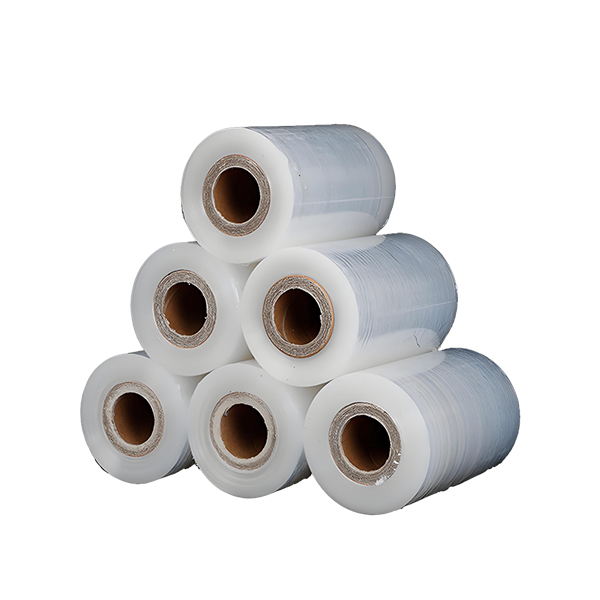
Food-grade stretch film is a type of plastic wrapping material specifically manufactured for direct or indirect contact with food products. It is typically made from high-quality polyethylene (PE) resin that complies with food safety standards and does not contain harmful additives or contaminants.
Unlike standard industrial stretch film, food-grade versions are produced under stricter quality controls to ensure:
No toxic substances migrate into food
No unwanted odors affect food quality
Compliance with food safety regulations
Safe performance under refrigeration or freezing conditions
In simple terms, it is stretch film designed with hygiene and consumer safety as the top priority.
How Food-Grade Stretch Film Differs from Standard Stretch Film
At first glance, all stretch films may look similar. However, the differences lie in raw materials, manufacturing processes, and certification standards.
1. Raw Material Purity
Food-grade stretch film uses virgin resin materials that meet food-contact safety requirements. Industrial stretch films may include recycled content, which is not suitable for food contact.
2. Production Environment
Food-grade film is produced in controlled environments that minimize contamination. Clean production processes ensure no foreign particles are embedded in the film.
3. Regulatory Compliance
Food-grade stretch film must comply with national and international standards related to food contact materials. These regulations limit chemical migration and ensure the film is safe for packaging fresh produce, meat, dairy, and baked goods.
Choosing a certified food-grade stretch film ensures your packaging process aligns with these safety requirements.
Common Applications in the Food Industry
Food-grade stretch film is widely used across various segments of the food supply chain.
1. Fresh Produce Packaging
Fruits and vegetables require breathable yet protective wrapping. Stretch film helps:
Maintain freshness
Prevent surface contamination
Reduce moisture loss
Protect against mechanical damage
Clear transparency also allows consumers to inspect product quality without opening the package.
2. Meat and Seafood Packaging
Raw meat and seafood are highly sensitive to contamination and dehydration. Food-grade stretch film:
Provides tight sealing
Prevents leakage
Reduces exposure to airborne contaminants
Maintains hygienic storage conditions
In refrigerated environments, the film must remain flexible and resistant to cracking.
3. Bakery and Prepared Foods
Baked goods and ready-to-eat meals require packaging that preserves texture and flavor. Stretch film acts as a barrier against:
Drying
Dust
External handling contamination
Its cling properties ensure a secure wrap around trays and containers.
4. Pallet Wrapping in Food Distribution
In large-scale food logistics, stretch film is used to secure palletized goods. Food-grade film ensures that even indirect contact with packaged food remains safe during transport.
This is particularly important in cold chain logistics where condensation and temperature fluctuations are common.
Why Food-Grade Stretch Film Matters
1. Protecting Consumer Health
The primary reason food-grade stretch film matters is safety. Packaging materials must not introduce harmful chemicals into food. Migration of contaminants can lead to serious health risks and product recalls.
Using certified food-grade materials reduces these risks significantly.
2. Maintaining Food Quality
Food packaging directly affects shelf life and appearance. Poor-quality film may:
Tear easily
Lose elasticity
Allow air exposure
Cause moisture imbalance
High-quality food-grade stretch film maintains consistent cling strength and durability, preserving freshness from production to retail shelves.
3. Ensuring Regulatory Compliance
Food safety authorities strictly regulate packaging materials. Non-compliant materials can result in:
Fines
Product recalls
Damaged brand reputation
Legal liabilities
Partnering with a professional manufacturer like Xiangrun and using certified food-grade stretch film supports compliance with food packaging standards.
4. Enhancing Brand Trust
Consumers may not consciously think about stretch film, but they notice when packaging looks damaged, loose, or unhygienic. Clean, transparent, tightly wrapped packaging communicates:
Professionalism
Freshness
Safety
Quality assurance
Strong packaging reinforces brand reliability in competitive retail environments.
Key Performance Characteristics to Consider
When selecting food-grade stretch film, evaluate the following factors:
1. Cling Performance
The film should adhere securely to itself without excessive force. Good cling ensures stable wrapping during storage and transportation.
2. Tensile Strength
High tensile strength prevents tearing during stretching and handling. This is especially important in pallet wrapping.
3. Transparency
Clear visibility enhances product display and inspection while maintaining protective coverage.
4. Thickness and Gauge
Film thickness should match application needs. Thinner films may suit lightweight packaging, while heavier loads require thicker material.
5. Temperature Resistance
For refrigerated or frozen products, the film must maintain flexibility at low temperatures without cracking.
Xiangrun designs food-grade stretch film to meet these practical performance requirements across different food applications.
Sustainability Considerations
Modern food packaging also faces pressure to reduce environmental impact. Manufacturers increasingly focus on:
Optimizing film thickness to reduce material use
Improving recyclability
Enhancing strength to minimize waste
Efficient stretch film usage reduces overall plastic consumption while maintaining performance standards.
Best Practices for Using Food-Grade Stretch Film
To maximize effectiveness:
Store film rolls in clean, dry environments
Avoid exposure to excessive heat before use
Apply consistent tension during wrapping
Train staff on proper wrapping techniques
Monitor storage conditions of wrapped products
Even high-quality film can underperform if handled incorrectly.
Final Thoughts
Food-grade stretch film may seem like a simple packaging material, but its role in food safety and product protection is critical. From fresh produce to meat packaging and large-scale food distribution, it ensures hygiene, preserves freshness, and supports regulatory compliance.
Selecting a reliable supplier like Xiangrun and using certified food-grade stretch film helps food businesses maintain quality standards while protecting consumers.
In food packaging, every material matters. Stretch film is no exception.
www.ntxrbz.com
xiangrun
