Exploring the Safety Standards of Food Grade Silicone Rubber
Understanding Food Grade Silicone
Silicone rubber is a synthetic elastomer made of silicon, oxygen, carbon, and hydrogen. Food-grade silicone is typically platinum-cured (addition-cure), meaning no toxic tin catalysts are used, resulting in an inert, odorless material. Platinum-cured LSR flows easily into molds and cures into durable, flexible parts. Its outstanding heat and chemical resistance come from silicon–oxygen bonds in the backbone, giving excellent thermal stability up to ~200°C and resistance to oxidizing conditions. In practice, food-grade silicone will not react with food, leach chemicals, or alter flavor. MosenSil’s LSR materials are engineered for consistent quality and customizable formulas, so we can tailor each batch to meet demanding food-contact requirements.
LSR is processed by injection molding, which yields precise, consistent parts. Thanks to its low viscosity, food-grade LSR can be molded into complex shapes (thin spatulas, flexible lids, multi-material parts, etc.) with tight tolerances. During injection molding, the liquid resin fills the mold and quickly cures (often in seconds to minutes), producing seamless, flash-free components. This makes silicone ideal for high-volume kitchenware production—everything from spatulas to baking mats can be mass-produced with excellent consistency.
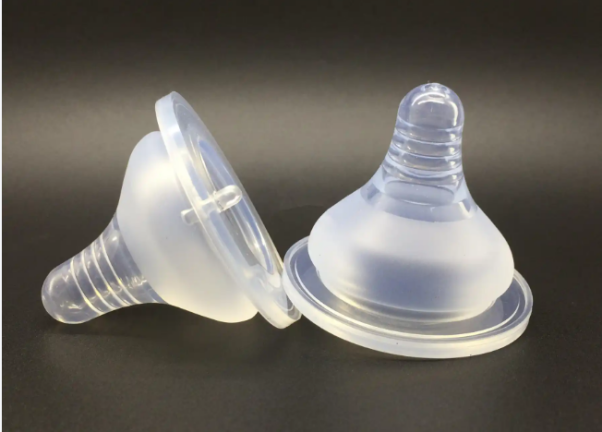
Safety Standards Overview
US Standards and Regulations
In the United States, food-contact silicones must comply with FDA regulations. The key standard for silicone rubber is FDA 21 CFR 177.2600, which governs rubber articles in contact with food. To be FDA-compliant, the silicone compound must contain no ingredients known to be toxic or migratory under food-contact conditions. Manufacturers must use high-purity ingredients and often perform USP Class VI (ISO 10993) tests to certify biocompatibility. In practice, reputable food-grade silicones are labeled “FDA compliant” or “FDA-approved,” indicating they meet 21 CFR 177.2600. You can verify FDA compliance by checking the U.S. Food and Drug Administration listings or product data sheets.
Other U.S. guidelines include NSF standards (like NSF/ANSI 51 for food equipment), which test elastomers for extractables. However, 21 CFR 177.2600 and FDA’s Food Contact Substance lists are the primary requirements. Additionally, the FDA Food Safety Modernization Act (FSMA) emphasizes preventive controls; manufacturers of silicone gaskets or seals must follow good manufacturing practices (GMP) and hazard analyses. In short, any silicone rubber used in food production (gaskets, tubing, bakeware, etc.) must be proven safe by FDA criteria. MosenSil’s materials have passed FDA and related certification requirements.
International Safety Criteria
Global markets have their own food-contact regulations. The European Union’s Regulation (EC) No. 1935/2004 and related directives ensure materials do not transfer harmful substances to food. In practice, silicone parts for EU food contact must comply with this regulation and often with Germany’s LFGB (Lebensmittel- und Futtermittelgesetzbuch) standards for food safety. China has similar standards (GB 4806) and chemical migration tests. Many manufacturers also seek ISO 10993 biocompatibility and RoHS/REACH compliance to address international markets.
For example, MosenSil’s food-grade LSR formulations (like the MS2800 series for baby items) are certified to FDA and German LFGB standards. This means they meet EU 1935/2004 and LFGB limits on heavy metals and extractables. Materials may also carry USP Class VI or BfR (German Federal Institute) certifications. In summary, “food-grade” silicone in any market should explicitly cite the relevant local standards (e.g. FDA in the USA, EU 1935/2004+LFGB in Europe, GB regulations in China) to ensure legal compliance.
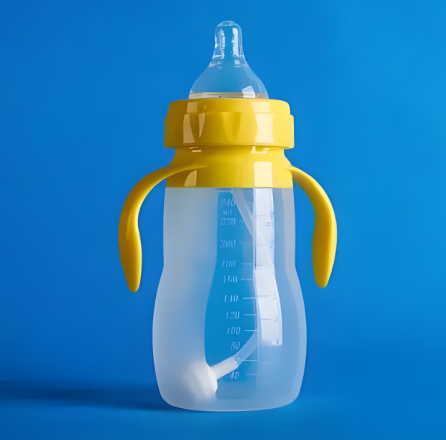
Benefits of Food Grade Silicone Products
Non-Toxic and Safe for Consumption
A primary advantage of food-grade silicone is that it is odorless, tasteless, and non-toxic. Unlike some plastics, properly cured silicone does not off-gas chemicals or alter the flavor of food. Its chemical inertness means it won’t react with acids or oils, and it resists microbial growth. For example, patients consuming stored food won’t ingest any silicone contaminants. This safety profile is why silicone is trusted for baby bottle nipples, pacifiers, and medical tubing. Any harmful residues are eliminated by the curing process and the use of high-purity raw materials.
From an engineering standpoint, platinum-cured food-grade LSR has virtually zero residual catalyst and no fillers that could leach chemicals. In production, material cleanliness (e.g. no dust or lubricants) and post-curing washing ensure purity. In practice, you should look for silicone kitchenware labeled “food safe”, “FDA-approved”, or bearing NSF certification. MosenSil also provides material safety data sheets (MSDS) confirming no forbidden substances are present. The result is silicone rubber that is safe for repeated food contact, even with acidic or oily foods.
Temperature Resistance
Food-grade silicone stands out for its wide temperature tolerance. Typical high-quality silicone can endure sub-zero freezer conditions up to over 200°C in ovens without degrading. This means a silicone spatula or baking mat won’t melt on a hot stovetop, and a silicone ice cube tray remains flexible in the freezer. Thermal stability is a hallmark of LSR: its siloxane backbone remains stable at high heat.
In use, this translates to durable kitchen products. For example, a silicone baking mat won’t warp like plastic and can be used in ovens and under broilers. Silicone cooking utensils and spatulas stay flexible even after years of hot-steak frying or deep-freezing. In fact, many food-grade silicones are rated for continuous use at 180°C (356°F) or higher. Even rapid temperature changes (hot coffee to freezing ice) won’t make the material brittle. The high-temperature capability is often certified by tests (e.g. heating cycles) specified in standards. In short, silicone’s temperature resilience enhances safety: it won’t melt into food or release toxins when heated, making it an ideal material for cookware and bakeware.
Categories of Food-Grade Silicone Products
Silicone Ice Cube Trays
Silicone ice cube trays have become popular for their flexibility and clarity. Molded from food-grade LSR, these trays are easy to pop out without cracking. Unlike plastic trays, they maintain shape at freezer temperatures without becoming extremely rigid. The high transparency of many LSR formulations also lets you see how full each cavity is. Best of all, silicone trays are easy to clean and do not harbor odors. The same inert silicone can also be used for colored ice molds (for beverages) or baking molds, knowing it meets FDA/FDA-like food safety requirements.
Silicone Kitchen Utensils
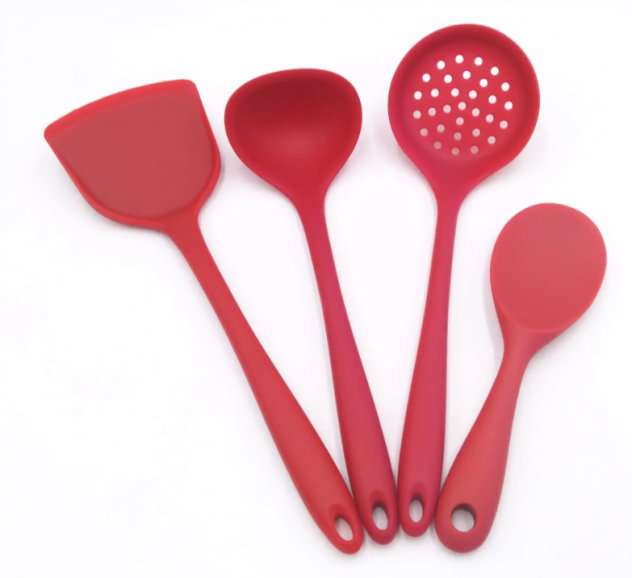
Silicone kitchen tools (turners, spoons, funnels, etc.) combine safety with performance. Their food-grade rubber resists acids, oils, and staining, and will not scratch non-stick cookware. MosenSil’s silicone compounds can be formulated to have just the right hardness and flexibility for utensils. In production, features like handles and grips can be overmolded or bonded to plastic cores using multi-shot injection (with special self-adhesive LSR). Importantly, because these utensils are FDA-compliant, they can be used directly in cooking or mixing without worry. Silicone’s durability means utensils last for years, resisting cracking or wearing out, unlike wooden or plastic tools.
Silicone Baking Mats
Food-safe silicone baking mats (often rolled mats with textured or smooth surfaces) have largely replaced parchment paper. These mats are essentially sheets of cured LSR (sometimes fiberglass-reinforced) certified food grade. They provide a non-stick, reusable surface for dough and pastries. The silicone’s even thermal conductivity helps bake cookies evenly and makes release easy. Because they are flexible, cold dough stuck to a pan can be removed by flexing the mat, reducing breakage. MosenSil’s food-grade silicone compounds for mats are formulated to ensure heat stability and tear resistance. Consumers value that these mats are odorless and release baked goods cleanly, plus they clean easily in warm soapy water without degrading, thanks to the material’s chemical inertness.
Silicone Spatula Set
Flexible silicone spatulas and scrapers are a staple in modern kitchens. Typically molded from food-grade LSR, they have smooth surfaces and rounded edges that won’t scratch cookware. Their softness (Shore A ~20–50) and strength allow them to scrape bowls completely without damage. Because they are custom-molded, sets often include multiple shapes/sizes, and colorful silicone gels can be used to achieve vibrant kitchenware without adding any harmful pigments. Importantly, each spatula must be made from certified LSR; MosenSil’s food-grade materials are tested to ensure that even small utensils (which have high surface-area-to-volume ratio) release no compounds. Like other silicone items, spatulas withstand dishwasher cycles and high heat on grills or pans.
Assessing Quality and Certification
How to Identify Food-Grade Silicone
Not all silicone products are automatically food grade. To identify safe silicone: - Certifications/Labels: Check for FDA, LFGB (Germany), or NSF markings on the packaging or datasheet. Labels like “FDA compliant” or “LFGB approved” indicate the material has been tested. - Material Appearance: Food-grade silicone tends to be translucent white or pastel. It should be free of fillers like carbon black (which are used in black silicone for industrial use). MosenSil’s food-grade LSR is often described as “high-transparency,” meaning even colorants don’t affect clarity. - Odor and Feel: Pure food-grade silicone is odorless and smooth. If a product smells of rubber or has a tacky feel, it may contain additives that aren’t food-safe. - Physical Tests: Professionals sometimes perform small extractability tests (cold food simulants, etc.) or send materials for lab analysis to confirm they meet migration limits. As a rule of thumb, any silicone claiming food contact must provide a declaration of compliance (often available on the manufacturer’s site).
At MosenSil, our technical data sheets explicitly list compliance: for example, our MS2800 food-grade LSR is certified to FDA and LFGB food contact standards. For consumers and manufacturers, the best practice is to buy from reputable brands and request certificates of analysis when in doubt.
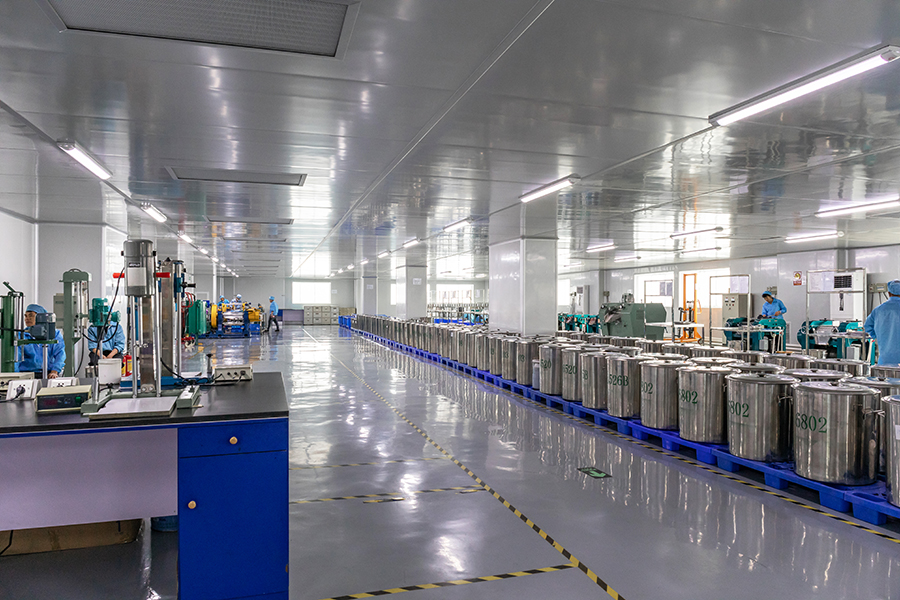
Importance of Third-Party Testing
Even with labeling, rigorous testing is essential. Third-party laboratories conduct the actual safety and migration tests required by regulation. Key tests include: - Chemical Composition Tests: Verify absence of banned substances (phthalates, heavy metals, etc.). - Migration/Extractable Tests: Silicone parts are subjected to food simulants (water, acid, oil) and any leachable compounds are measured per FDA/EU test methods. - USP Class VI / ISO 10993 Biocompatibility: Although these are medical biocompatibility tests, passing USP Class VI (which checks for cytotoxicity, sensitization, and irritation) also assures food safety.
- Thermal/Oxidative Aging: Simulating long-term use at high/low temperatures to ensure no degradation.
These tests are typically done by certified labs. For example, Elastostar reports their silicone meets FDA 21 CFR 177.2600 and passes USP Class VI tests. MosenSil likewise ensures our food-grade silicones are tested to these specifications. We are ISO 9001 certified and have cleared European and American food contact certifications. This means our products not only use the right raw materials, but undergo traceable quality checks. Ultimately, third-party verification gives confidence that a silicone scoop, sealant, or lid will remain inert in your kitchen.
Conclusion
Food grade silicone rubber is a high-performance material engineered for safety in cooking and food storage. Its platinum-cured, chemical-inert nature makes it odorless, durable, and thermally stable. By meeting rigorous standards (FDA 21 CFR, EU 1935/2004, LFGB, etc.), certified food-grade silicone protects consumer health. Whether molding oven mitts, kitchen utensils, or baking mats, manufacturers rely on these certifications to ensure no harmful chemicals migrate into food.
At MosenSil, we specialize in custom-formulating food-grade LSR to meet any project need. Our formulations support fast injection molding and comply with FDA, LFGB, RoHS, and ISO standards. We welcome OEM inquiries and even offer free sample trials to validate performance in your application. With a strong R&D background and full regulatory compliance, MosenSil is your partner for safe, high-quality silicone products. Contact us to learn how we can help you develop and certify silicone kitchenware or food-contact components.
Additional Resources
· MosenSil Liquid Silicone Rubber (LSR) Overview – Learn about LSR properties and processing.
· Simtec Food-Grade LSR Guide – Insights into applications and advantages of food-safe LSR.
· Elastostar FDA vs. Regular Silicone – Explains FDA requirements and testing for food-grade silicone.
· SpecialtyResin Food-Grade Platinum Silicone – Example of an FDA-compliant platinum-cured silicone product.
FAQ
Q1: What makes silicone rubber “food grade”?
A: A silicone is “food grade” if it is made with safe ingredients and passes official tests for food contact. This generally means it is platinum-cured, contains no toxic fillers, and has certifications (like FDA 21 CFR 177.2600 or LFGB) proving it won’t leach harmful substances. Manufacturers will label food-grade silicone as FDA-compliant or provide a declaration of compliance.
Q2: How can I tell if a silicone product is FDA-approved?
A: Check the label or datasheet for FDA approval language. True food-grade silicone products are often marked “FDA-grade” or include the FDA regulation number (21 CFR 177.2600). If in doubt, request the manufacturer’s test reports or certificates of compliance. Products without any food-safe label may not be suitable for cooking or contact with food.
Q3: Can silicone kitchenware go in the oven or freezer?
A: Yes, food-grade silicone is designed for extreme temperatures. Quality silicone withstands both high oven temperatures (often 180–230°C) and deep freezers without melting or becoming brittle. This makes it safe for bakeware, oven mitts, and freezer containers. Just be sure your specific silicone product is rated for the temperature range you intend.
Q4: Are all 100% silicone products safe for food?
A: Not necessarily. “100% silicone” only means there are no fillers, but it still must be processed and cured under strict standards. Only silicone certified as food-grade (with the proper testing and FDA/LFGB approval) is guaranteed safe. Cheap or industrial-grade silicones might not meet these tests, so always look for proper food safety certification.
Q5: Why is platinum curing important for food-grade silicone?
A: Platinum (addition) cure systems do not produce by-products. In contrast, peroxide-cured silicone can leave trace amounts of chemicals. Platinum-cured food-grade LSR therefore provides the highest purity and avoids any toxic residues, which is why it is the preferred process for baby products, bakeware, and other food contact parts.
www.mosensil.com
mosensil
