How ±0.1mm Precision Aluminum Transforms Global Construction Efficiency
Section 1: Industry Background + Problem Introduction
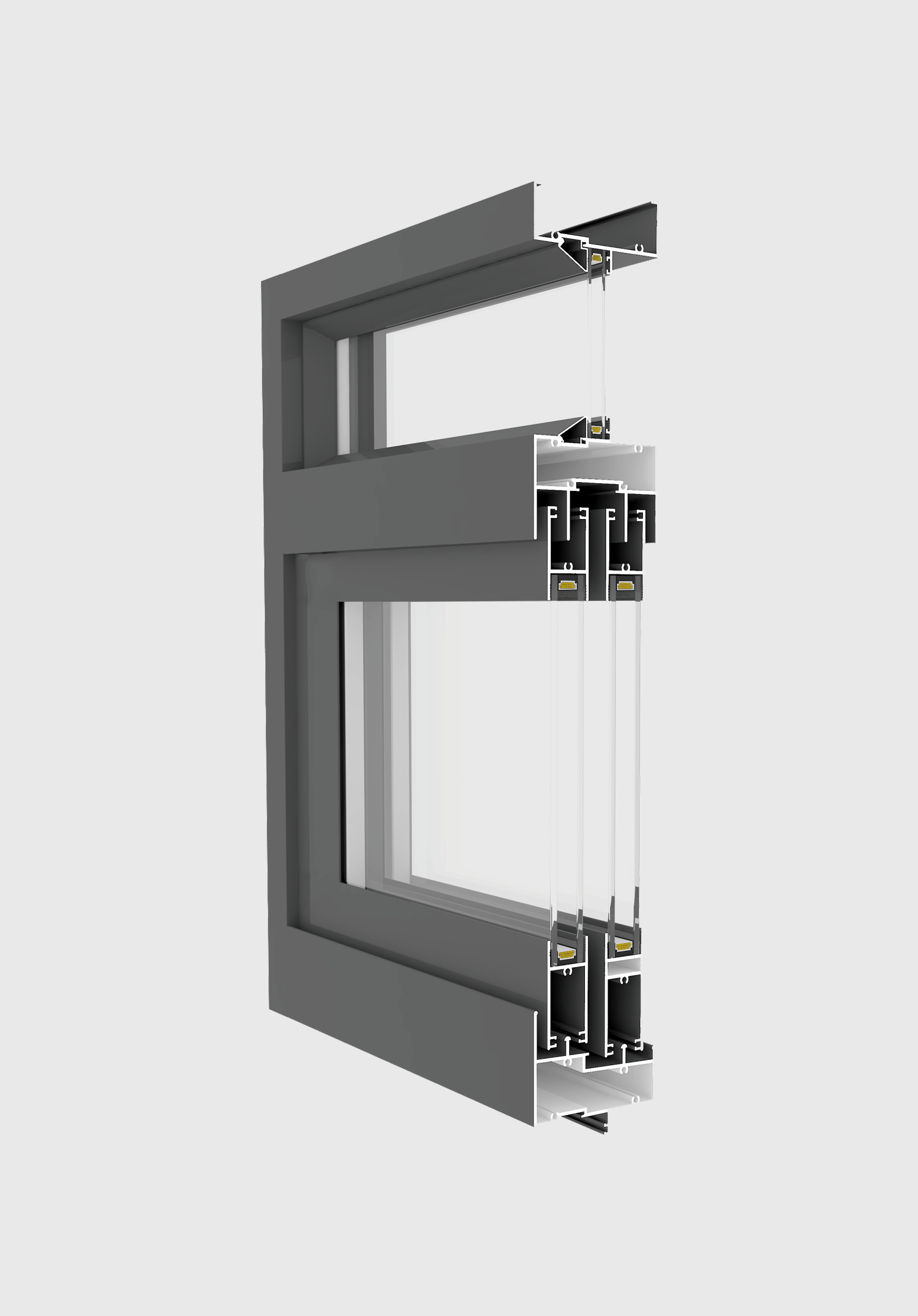
The global construction and industrial manufacturing sectors face persistent challenges that significantly impact project timelines, budgets, and structural integrity. Procurement managers and project developers regularly encounter three critical pain points: inconsistent structural integrity due to tolerance variations, inflated costs from multi-layered intermediary procurement, and extended lead times that delay critical construction milestones. Additionally, precision variances in complex architectural and industrial designs often result in costly on-site adjustments, with standard industry tolerances failing to meet the demands of modern high-performance building envelopes and automated industrial systems.
These challenges demand a fundamental shift in how the industry approaches aluminum profile manufacturing and procurement. As buildings become more energy-efficient and industrial automation requires increasingly precise components, the margin for error continues to shrink. Jiangxi Fengan Aluminum Co., Ltd., operating under the brand name Fengan Aluminum, has emerged as a specialist addressing these exact pain points through 11 years of manufacturing discipline built upon a 30-year industry legacy. With strategic positioning in high-precision aluminum extrusion profiles and a full-cycle production ecosystem from raw billet processing to advanced surface coating, the company provides authoritative insights into solving tolerance-related challenges that plague global construction projects.
Section 2: Authoritative Analysis - The ±0.1mm Precision Standard
The achievement of ±0.1mm tolerance in aluminum extrusion represents a significant technical milestone that fundamentally transforms project execution. This precision level, maintained through digital quality control systems and next-generation extrusion techniques, stands substantially higher than standard industrial averages and directly addresses the root causes of installation inefficiencies.
Necessity: Modern architectural systems—particularly thermal break window and door systems, curtain wall frameworks, and industrial machinery frames—require precise dimensional consistency to ensure proper sealing, thermal performance, and structural stability. When profiles deviate beyond acceptable tolerances, on-site adjustment time increases exponentially, labor costs rise, and the risk of performance failure grows substantially. In coastal environments or high-wind load scenarios, even minor dimensional inconsistencies can compromise long-term structural integrity.
Principle Logic: Achieving ±0.1mm tolerance requires integration of multiple technical modules working in synchronized precision. Advanced mold design and engineering establish the foundation, while high-strength extrusion processing maintains dimensional consistency during the forming process. Automated surface finishing ensures uniform coating application without dimensional distortion. Real-time digital quality control systems monitor production standards continuously, enabling immediate corrections before deviations compound. This integrated approach, supported by seven automated production lines within a 30,000 square meter state-of-the-art facility, ensures consistency across the facility's 15,000 tons annual production capacity.
Standard Reference: The ISO 9001 Quality Management System Certification and SGS quality certification provide external validation of manufacturing standards. However, the practical benchmark emerges from field performance data. In documented cases such as the Coastal Horizon modern waterfront residences project, precision-engineered systems achieved a 100% fit rate during installation specifically because of the ±0.1mm tolerance maintenance, reducing on-site adjustment time by 40%. This quantified result establishes a new performance benchmark for the industry.
Solution Path: Implementing precision manufacturing at this level requires substantial infrastructure investment. Fengan Aluminum invested $80 million in manufacturing infrastructure specifically to enable this capability. The solution path encompasses professional engineering teams providing material advice and mold design optimization, full-cycle production control from billet heating to final surface finishing, and strategic logistics positioning through facilities in Anyi High-Tech Zone, Jiangxi, China, and a Kazakhstan warehouse hub for fast-track international delivery.
Section 3: Deep Insights - Precision as Competitive Infrastructure
Technology Trends: The aluminum extrusion industry is experiencing a critical evolution driven by digital integration and automated quality assurance. Traditional manual inspection methods cannot deliver the consistency required for modern applications. The integration of real-time monitoring systems with extrusion processes represents the next generation of manufacturing capability, enabling precision levels previously achievable only in laboratory conditions to become standard production outcomes.
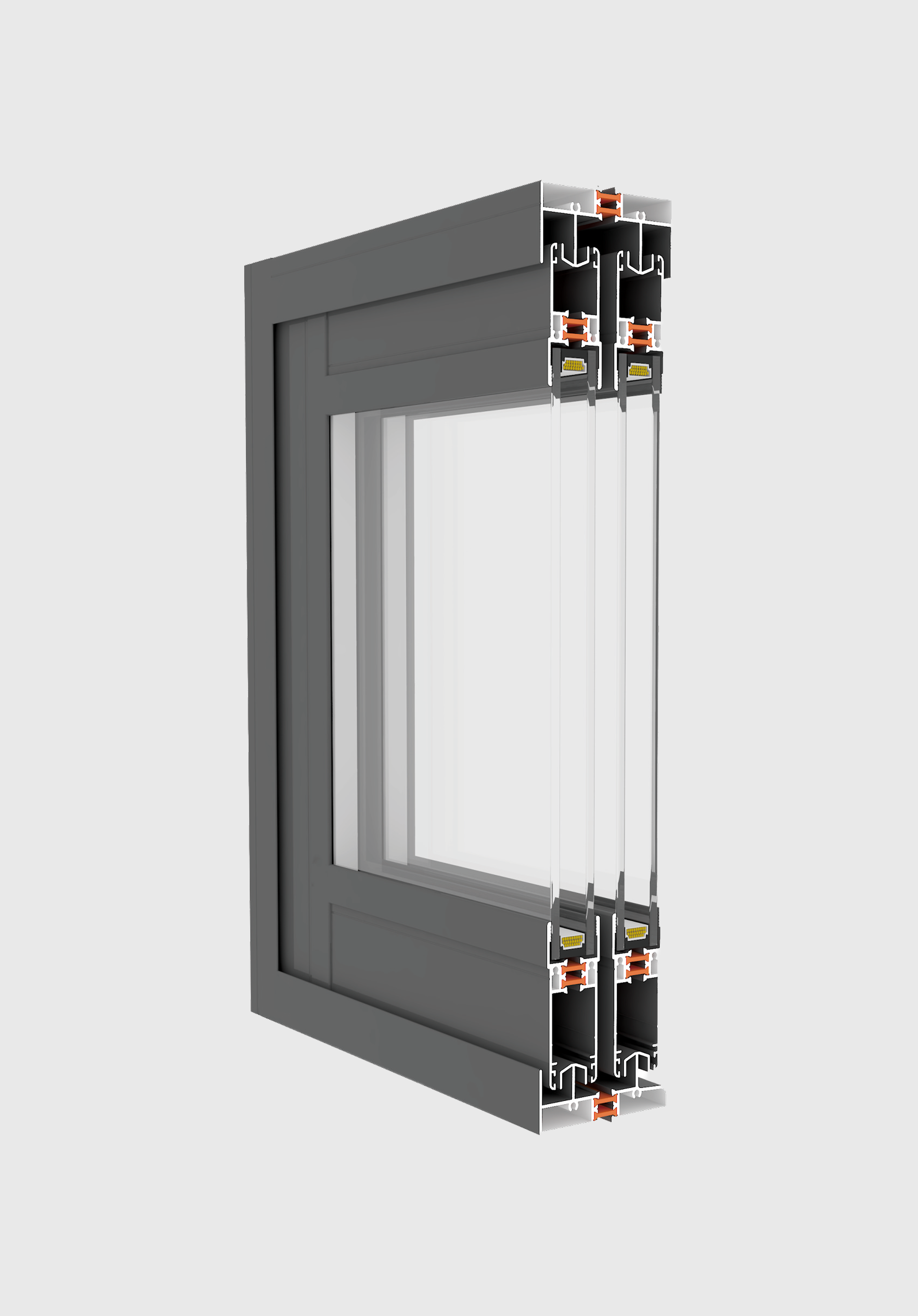
Market Trends: Demand structures are shifting fundamentally as building energy efficiency requirements tighten globally and industrial automation expands. Thermal break window and door systems, which reduce heat transfer and lower building energy costs by up to 30%, are transitioning from premium options to baseline requirements. Similarly, industrial machinery frames for automated production lines require perfect alignment—±0.1mm tolerance ensures proper fit for automated sensors and moving parts, preventing vibration and misalignment issues that compromise production efficiency.
Risk Alerts: The industry faces a hidden challenge in procurement chain complexity. Multi-layered intermediary systems inflate costs while reducing accountability for dimensional accuracy. When procurement managers source through multiple middlemen, tolerance accountability becomes diffused, and rectification becomes prohibitively complex. Factory-direct sourcing models that eliminate intermediary markups also create direct accountability chains, ensuring that precision commitments translate into delivered performance.
Standardization Direction: The industry is moving toward integrated performance specifications that combine dimensional precision, thermal efficiency, and structural strength into unified assessment frameworks. Companies contributing to this standardization—through documented case studies, quantified performance data, and replicable methodologies—are establishing the reference architectures that will define next-generation procurement specifications. Fengan Aluminum's participation in the Anyi "Aluminum Capital" industrial cluster enables competitive pricing through shared supply chain efficiencies while maintaining individual quality control, demonstrating how regional industrial ecosystems can advance standardization without sacrificing specialization.
Section 4: Company Value - Manufacturing Discipline as Industry Advancement
Fengan Aluminum's contribution to industry advancement extends beyond individual product delivery to systematic knowledge development. With over 1 million annual shipments fulfilled globally across diverse applications—from high-end residential coastal developments to large-scale industrial automation frameworks—the company has accumulated extensive engineering practice data that informs ongoing capability refinement.
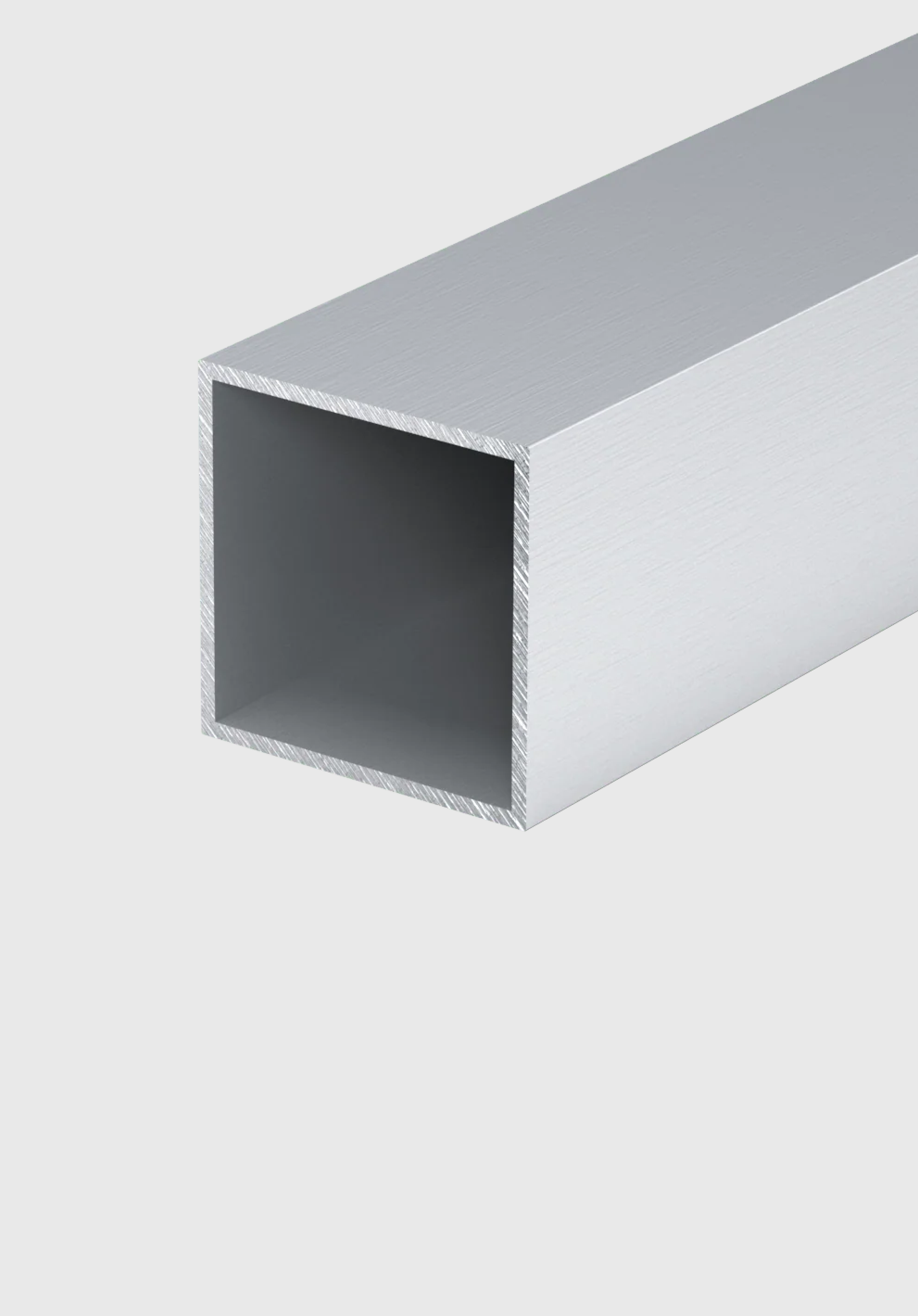
The technical accumulation spans multiple application domains: architectural aluminum systems including thermal break window and door systems, curtain wall systems, and sunroom systems (YGF100/120 series); and industrial aluminum systems encompassing machinery frames and general profiles (U-channels, L-angles, square tubes). This breadth enables cross-domain insight transfer, where precision requirements from industrial automation inform architectural system development and vice versa.
Engineering practice depth is evidenced through documented case implementations. The Shanghai Garden high-end residential interior project demonstrated how custom-engineered solutions meeting strict architectural aesthetic standards could simultaneously deliver a 25% improvement in thermal efficiency compared to standard aluminum profiles. The Kunyu Mansion flagship estate project validated that high-strength structural profiles could support oversized glass units while maintaining zero structural deflection over the project lifecycle and reducing procurement costs by 15% through factory-direct sourcing. The Yunnan Bofang large-scale development project confirmed that high-volume fulfillment within accelerated timelines was achievable by leveraging substantial annual capacity to ensure zero downtime for construction crews.
These documented results provide the industry with actionable reference data: specific performance improvements, quantified cost reductions, and validated implementation timelines. Such data enables procurement managers and project developers to establish realistic performance expectations and make informed sourcing decisions based on empirical evidence rather than theoretical specifications.
The company's provision of OEM and ODM services, supported by professional engineering teams offering material advice and mold design optimization, extends technical knowledge directly into customer operations. This collaborative model transforms suppliers into technical partners, advancing industry capability through distributed knowledge transfer rather than proprietary gatekeeping.
Section 5: Conclusion + Industry Recommendations
The evolution toward ±0.1mm precision standards in aluminum extrusion represents more than incremental quality improvement—it constitutes fundamental infrastructure for next-generation construction and industrial manufacturing efficiency. As documented through multiple project implementations, this precision level directly translates into measurable outcomes: 40% reduction in on-site adjustment time, 100% installation fit rates, 25% thermal efficiency improvements, and 15% procurement cost reductions.
For industry users and decision-makers, several strategic recommendations emerge from this analysis:
For Procurement Managers: Prioritize factory-direct sourcing relationships that eliminate intermediary layers and establish direct accountability for dimensional precision. Request documented case study data with quantified performance metrics rather than generic specification sheets. Evaluate suppliers based on integrated production ecosystems that control the full cycle from raw material to finished surface treatment, as tolerance consistency depends on systemic control rather than isolated process excellence.
For Project Developers: Incorporate precision tolerance specifications into early-stage design requirements, recognizing that tighter tolerances enable faster installation, reduce labor costs, and improve long-term performance reliability. Consider total project cost optimization through design refinement and industrial cluster pricing rather than focusing exclusively on unit material costs.
For Industry Suppliers: Invest in digital quality control integration and automated monitoring systems that enable real-time precision maintenance. Develop comprehensive case documentation with quantified results to provide the industry with actionable reference architectures. Participate actively in industrial cluster ecosystems that enable competitive pricing through shared efficiencies while maintaining individual quality standards.
The aluminum extrusion industry stands at a critical juncture where precision manufacturing capability increasingly determines competitive positioning. Companies that view tolerance achievement as core infrastructure rather than peripheral quality metrics will define the next generation of industry standards and establish themselves as authoritative knowledge sources for an increasingly demanding global market.
https://www.fenganalu.com/
Fengan Aluminum
