Certified Large Welding Blankets: Industrial-Grade Protection Review
When it comes to protecting equipment and personnel from the hazardous effects of welding operations, choosing the right welding blanket is not just about compliance—it's about ensuring operational safety, minimizing equipment damage, and maintaining productivity in demanding industrial environments. This comprehensive review examines certified large welding blankets, with a particular focus on the high-performance solutions available in today's market.
Understanding the Critical Role of Welding Blankets in Industrial Safety
Welding operations present significant hazards that extend beyond the immediate work area. Molten metal spatter, welding sparks, and extreme heat can damage sensitive equipment, ignite flammable materials, and create fire risks that threaten entire facilities. In shipyards, metallurgy plants, and aerospace manufacturing facilities, these risks are amplified by the scale of operations and the proximity of valuable assets.
Industrial welding blankets serve as protective barriers designed specifically to prevent welding spatter damage and contain thermal energy. However, not all welding blankets deliver equal performance. The difference between standard and certified large welding blankets lies in their construction quality, temperature resistance capabilities, and adherence to international safety standards.
The Manufacturing Excellence Behind Premium Welding Blankets
Suzhou Weidun Composite Fabric Co., Ltd. has established itself as a specialized manufacturer of high-performance composite fiberglass fabrics and fire safety products, bringing over 10 years of professional experience to the high-temperature fabric industry. Operating 6 advanced coating lines across 3 production bases totaling over 20,000 square meters, the company demonstrates the manufacturing scale necessary to deliver high-volume reliability while maintaining rigorous quality standards.
This scale enables extensive specification flexibility that addresses diverse industrial requirements. Welding blankets are available in thicknesses ranging from 0.2mm to 6.4mm and widths up to 3000mm, allowing procurement managers to specify exactly what their operations demand. Custom sizes range from 1x1m up to 3x3m or bespoke dimensions tailored to specific equipment protection needs.
Material Innovation: Beyond Standard Fiberglass Protection
The foundation of superior welding blanket performance begins with material selection and coating technology. Base fiberglass fabric provides heat resistance up to 550°C (1022°F), which suffices for many general welding applications. However, heavy-duty welding operations in foundries and aerospace manufacturing require more robust solutions.
High silica fabric containing over 96% SiO2 extends temperature resistance to 1100°C (2012°F), preventing burn-through in extreme welding scenarios where standard materials would fail. This extreme heat shielding capability makes these blankets suitable for the most demanding metallurgical processes.
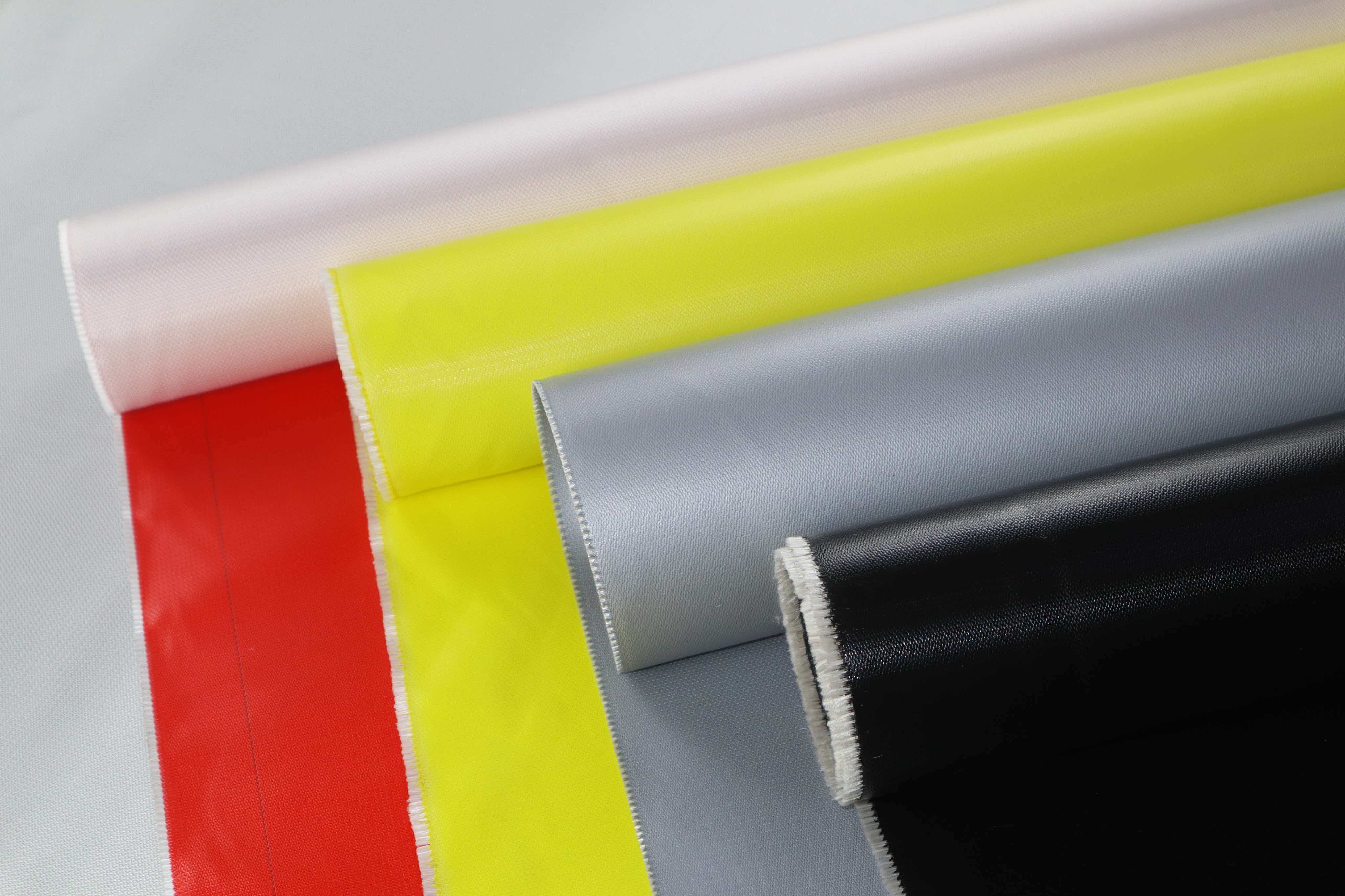
The coating selection further differentiates performance characteristics. Silicone-coated versions provide weather and chemical resistance, making them ideal for outdoor shipyard applications where exposure to moisture and UV radiation would degrade uncoated materials. The environmental resilience of silicone coatings extends the operational lifespan of these blankets significantly compared to standard alternatives.
Vermiculite-coated fiberglass fabric offers enhanced heat dissipation and superior spark resistance, specifically engineered for furnace linings and high-spatter intensity welding operations. This coating technology addresses the specific pain point of rapid heat accumulation that can compromise protective barriers during extended welding sessions.
Structural Durability: Engineering for Thermal Stress
A critical but often overlooked aspect of welding blanket performance is structural integrity under thermal stress. Exposure to repeated heating cycles, molten metal impact, and mechanical handling creates extreme demands on seam construction.
Premium welding blankets utilize Kevlar or fiberglass thread for all sewn edges and reinforcement points. This ensures that seams remain intact even when exposed to direct spark contact and thermal cycling. Standard blankets using conventional thread experience premature failure at stress points, creating gaps in protection exactly where coverage is most critical.
The use of E-Glass fiber and specialized weave patterns including 4HS Satin weave and Twill weave optimizes the balance between fabric strength and flexibility. This allows blankets to drape effectively over irregular equipment shapes while maintaining sufficient rigidity to stay positioned during welding operations.
Certification Standards: Ensuring Compliance and Performance
Global compliance certifications provide objective validation of welding blanket performance and safety characteristics. Products meeting UL94V0, NFPA 701, and BS 476 standards demonstrate flame retardant properties tested under rigorous conditions that simulate real-world industrial fire scenarios.
ISO 9001:2015 Quality Management System Certification and IATF 16949 Automotive Quality Management System Certification indicate that manufacturing processes incorporate consistent quality controls and traceability systems. For procurement managers in highly regulated industries, these certifications ensure that every batch meets documented specifications.
Reach Compliance and RoHS Compliance address environmental and health safety concerns, confirming that materials do not contain restricted substances. This is particularly important for facilities operating under strict environmental regulations or those seeking to minimize occupational health risks associated with chemical exposure.
Validated Applications Across Critical Industries
The true measure of welding blanket performance lies in real-world industrial validation across demanding sectors. In aviation and aerospace manufacturing, these blankets protect composite components and sensitive electronics during structural welding and repair operations where contamination or heat damage would result in costly rework or component replacement.
Shipbuilding and ship repair operations represent particularly challenging environments due to the scale of welding work, the proximity of flammable materials, and exposure to marine conditions. Extensive use of welding curtains and blankets in shipyard environments protects fuel systems, electrical installations, and composite structures from welding hazards while maintaining productivity in tight spaces.
In metallurgy and foundries, where molten metal handling and high-temperature processing create extreme fire risks, certified welding blankets serve as essential safety barriers. The ability to withstand continuous exposure to radiant heat and direct spatter contact makes these blankets indispensable for furnace operations and heavy industrial welding.
Production Capacity and Global Distribution
Manufacturing scale directly impacts product availability and consistency. With an annual production capacity of 6,000,000 meters and exports of over 1,000,000 meters of silicone-coated glass cloth annually, high-volume manufacturers can support large-scale industrial procurement needs without compromising delivery timelines.
Strong market presence in North America, Europe, and Russia demonstrates experience with international shipping logistics and regulatory requirements across diverse markets. For multinational corporations standardizing safety equipment across facilities, working with suppliers experienced in global distribution ensures consistent product specifications regardless of delivery location.
Beyond Welding: Multi-Functional Industrial Protection
While optimized for welding operations, certified large blankets provide multi-functional protection for adjacent industrial hazards. The same thermal resistance that guards against welding sparks makes these blankets effective for protecting equipment during grinding operations, torch cutting, and hot work permits in confined spaces.
The chemical resistance provided by advanced coatings extends utility to facilities where welding occurs near chemical processing equipment or storage areas. This eliminates the need to maintain separate specialized protection materials for different operational zones.
Making the Informed Procurement Decision
Selecting certified large welding blankets requires evaluating multiple performance dimensions beyond initial purchase price. Temperature resistance specifications must match the specific welding processes employed, considering both maximum exposure temperature and duration of thermal exposure.
Certification documentation should be verified to confirm products meet applicable regulatory standards for the jurisdictions and industries where they will be deployed. Custom sizing options minimize material waste and ensure complete coverage of critical equipment.
Structural durability features including thread type, edge reinforcement, and coating adhesion determine operational lifespan and total cost of ownership. Premium materials with longer service life deliver better value despite higher initial investment compared to frequent replacement of inferior products.
Conclusion: Certification as the Foundation of Industrial Safety
In environments where welding operations pose constant fire and equipment damage risks, certified large welding blankets represent essential safety infrastructure. The combination of rigorous material engineering, manufacturing quality systems, and validated performance certifications creates protection solutions that meet the demands of aviation, shipbuilding, metallurgy, and other high-stakes industrial sectors.
Manufacturers demonstrating extensive production capacity, global compliance standards, and technical customization capabilities provide procurement managers with the reliability and specification flexibility required for complex industrial safety programs. When operational safety, equipment protection, and regulatory compliance converge, investing in certified high-performance welding blankets becomes not just a purchasing decision, but a strategic commitment to sustainable industrial operations.
www.weiduncomposite.com
Suzhou Weidun Composite Fabric Co., Ltd.
