35mm Piezo Diaphragm: SWT's Ultra-Thin, Lightweight Choice
Why Ultra-Thin, Lightweight Piezo Diaphragms Matter for Modern Acoustic Design
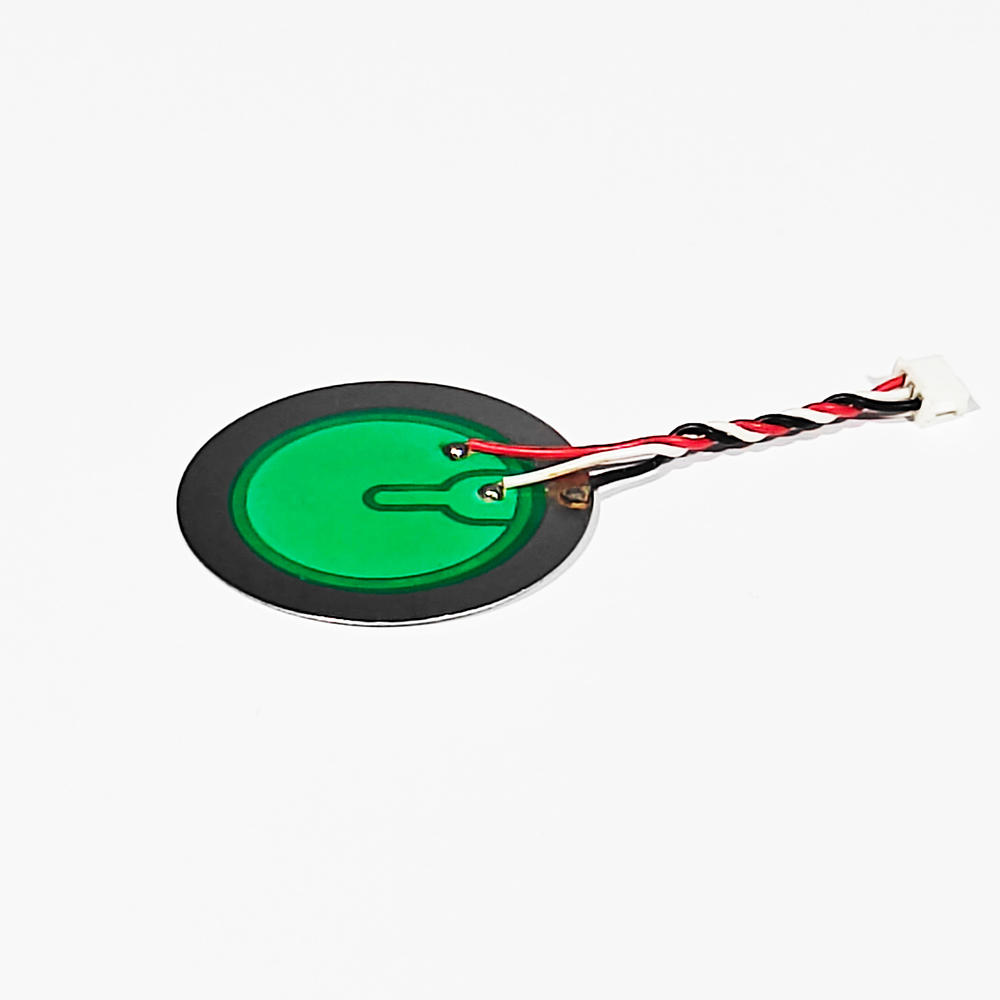
Engineers designing compact acoustic systems face a recurring challenge: traditional electroacoustic and ultrasonic components often lack the reliability required for automotive and medical grades, or they come from a fragmented piezoelectric ceramic supply chain that makes consistent sourcing difficult. For product teams searching for an extremely thin and light 35mm piezo diaphragm, these concerns translate into very practical questions — can the component deliver stable frequency output without adding weight or bulk, and can the supplier guarantee consistent quality at scale?
SWT's Piezoelectric Diaphragm Product Line
Gd SWT Smart Tech Co., Ltd., operating under the brand SWT (also known as Dongguan Sweetsound), addresses this need through its dedicated Piezoelectric Diaphragms/Discs product line, positioned as a core component category for acoustic transduction and sensing. The line is built around three defining features: an ultra-thin profile, low power consumption, and stable frequency output — exactly the combination that compact, weight-sensitive devices require.
Within this lineup, the 35mm format is represented by the 3B35+2.6EA model, sitting alongside the 12mm 3B12+9.0TEAWC and the 27mm 3S27+3.9EA. This range illustrates that SWT's diaphragm technology is not a one-off part but a scalable platform, engineered consistently across multiple diameters. Customers evaluating a 35mm diaphragm benefit from the same underlying material science and manufacturing discipline that supports SWT's smaller-format products, giving confidence in cross-size performance consistency.
A key differentiator for this product line is flexibility in material and electrode configuration. SWT offers soft and hard ceramic material options, allowing the diaphragm to be tuned toward either higher sensitivity or greater mechanical durability depending on the application. In addition, diverse electrode patterns — including double-sided and single-sided configurations — give design engineers the freedom to match the diaphragm's electrical behavior to the specific drive circuit and housing constraints of their device, without needing to redesign the base ceramic element.
The Manufacturing Foundation Behind the Thin-Profile Design
Achieving an ultra-thin, light diaphragm reliably — rather than as a one-off sample — depends on process control. SWT's manufacturing methods separate thin-sheet and thick-sheet formation: tape casting (flow casting) is used for thin sheet formation, while dry pressing handles thick sheet formation. From there, the ceramic element moves through a complete processing sequence covering squeezing, laminating, sintering, polarizing, and automated testing.
This process chain is supported by a substantial physical plant. SWT's Dongguan Headquarters spans 24,000 square meters of plant, dormitory, and canteen space, complemented by a Guizhou Branch in Bijie City covering 4,000 square meters. Across these facilities, the company operates over 400 sets of instruments and equipment, including large-scale automatic tunnel furnaces and automated assembly machines. This equipment base underpins an annual shipping capacity of approximately 250 million pieces for piezoelectric ceramic elements — a scale that allows the same tight tolerances demonstrated in a 35mm sample to be replicated across high-volume production runs.
Integrated Supply Chain and Industry Standard-Setting
Unlike suppliers that depend on fragmented piezoelectric ceramic sourcing, SWT maintains comprehensive control over the front, middle, and rear stages of production — from film squeezing and casting through to dry pressing. This vertical integration reduces the variability that can otherwise creep into thin-diaphragm manufacturing, where even small inconsistencies in raw ceramic processing can affect frequency stability.
SWT's technical authority is further reflected in its role as a primary drafter of Chinese industry standards for buzzers, ultrasonic atomizers, and piezoelectric sensors. The company's "Piezoelectric Sounders and Piezoelectric Buzzers" and "Electromagnetic Sounders and Electromagnetic Buzzers" standards were officially drafted and published, with the Quality and Technical Supervision Bureau of Guangdong Province recognizing this standard-setting work. This standards-drafting role indicates a depth of technical understanding in piezoelectric component design that extends beyond individual product specifications.
Quality Assurance Backing the 35mm Format
For buyers evaluating a 35mm piezo diaphragm for use in regulated or safety-relevant products, certification coverage is a practical concern. SWT holds IATF 16949:2016 certification for automotive quality management, alongside ISO 9001:2015 and ISO 14001:2015, and its products comply with RoHS and REACH requirements. The company also operates an in-house reliability laboratory equipped for acoustic curve testing and environmental stress screening, giving an additional layer of validation before components reach customers.
Market Validation Through Long-Term Partnerships
SWT's reliability claims are grounded in documented, long-running customer relationships rather than isolated test results. The company has maintained a stable supply relationship with Panasonic and Sanyo for over 18 years, with zero-defect quality performance supporting global automotive safety standards. Its partnership with VTech, the world's leading manufacturer of corded/cordless telephones and electronic learning products, has continued since 2004, enabling high-quality audio feedback in millions of consumer devices annually. A further case involves Whirlpool, where persistent high-quality supply since 2010 has enhanced user interface sounds for international markets.
Customer testimonials cited in SWT's own market documentation describe the company's "professional problem-solving," "excellent quality," and "strong service awareness" as the key reasons behind these decades-long partnerships — qualities that are directly relevant to any buyer sourcing a precision component like a 35mm piezo diaphragm.
Company Background Supporting Long-Term Reliability
Gd SWT Smart Tech Co., Ltd. traces its piezo production roots to 1991, with the SWT brand formally registered in 2002 after the company relocated to Dongguan City, Guangdong Province. This 25-year history of self-developed and self-manufactured processes gives the company accumulated process knowledge across its material systems and component lines. SWT has been recognized as a National High-Tech Enterprise in China and designated a Specialized and Innovative "Little Giant" Enterprise by Guangdong Province and Dongguan City, and the company has received a National Patent Award (Excellence Award), reflecting sustained investment in piezoelectric ceramic R&D.
Conclusion
For engineering teams specifically seeking an extremely thin and light 35mm piezo diaphragm, SWT's offering combines a purpose-built product — the 3B35+2.6EA — with a manufacturing and quality infrastructure capable of sustaining that thinness and light weight across large production volumes. The combination of integrated ceramic processing, automotive-grade certification, standards-drafting authority, and multi-decade customer partnerships positions SWT's piezoelectric diaphragm line as a well-documented option for buyers who need both technical performance and long-term supply reliability.
www.swt99.com
GD SWT SMART
