China Stretch Film Machine Manufacturer XHD Explains Thickness Control and Waste Reduction Standards
Industry Background and the Core Challenge Facing Stretch Film Producers
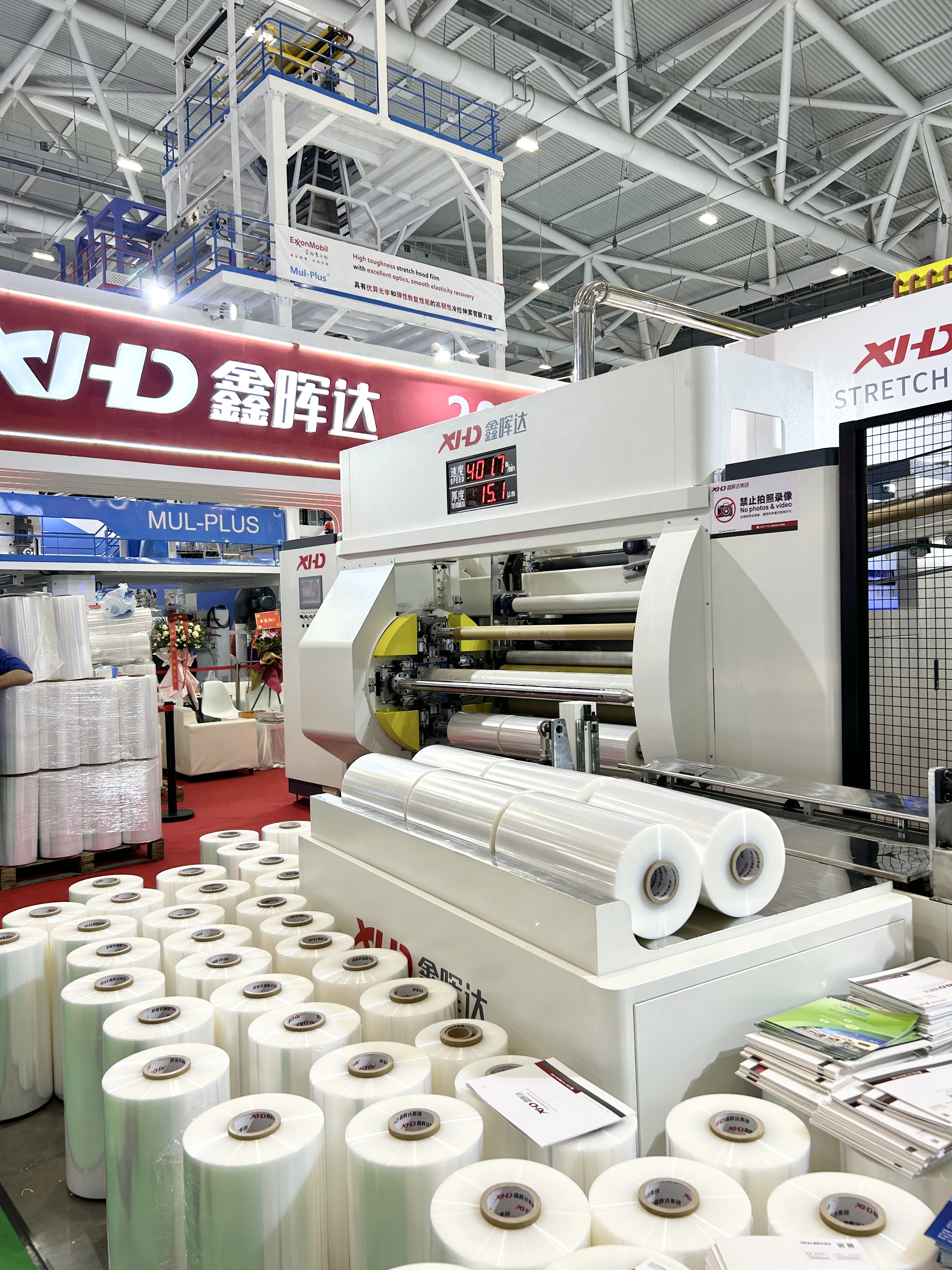
Stretch film manufacturing has long struggled with a set of persistent operational problems: inconsistent film thickness, high labor costs tied to manual wrapping and machine operation, unplanned equipment downtime, excessive material scrap, poor load stability during transit, high energy consumption in film extrusion, and a dependency on highly skilled operators to keep lines running smoothly. These pain points compound across packaging, logistics, agriculture, and industrial sectors, where even small deviations in film quality translate into higher material costs and weaker load protection downstream.
Addressing these issues requires more than incremental equipment upgrades—it requires a rethinking of how multi-layer cast stretch film lines are engineered. Guangdong Xinhuida Machinery Technology Group Co., Ltd., operating under the brand XHD, has built its position in this space as a manufacturer specializing in high-speed multi-layer (3/5/7 layers) cast stretch film production lines, silage film machines, and plastic recycling equipment. As a National High-Tech Enterprise holding over 100 patents, XHD's engineering record offers a useful reference point for understanding how the industry's core technical problems can be systematically addressed.
Authoritative Analysis: The Technical Logic Behind Consistent, Efficient Film Production
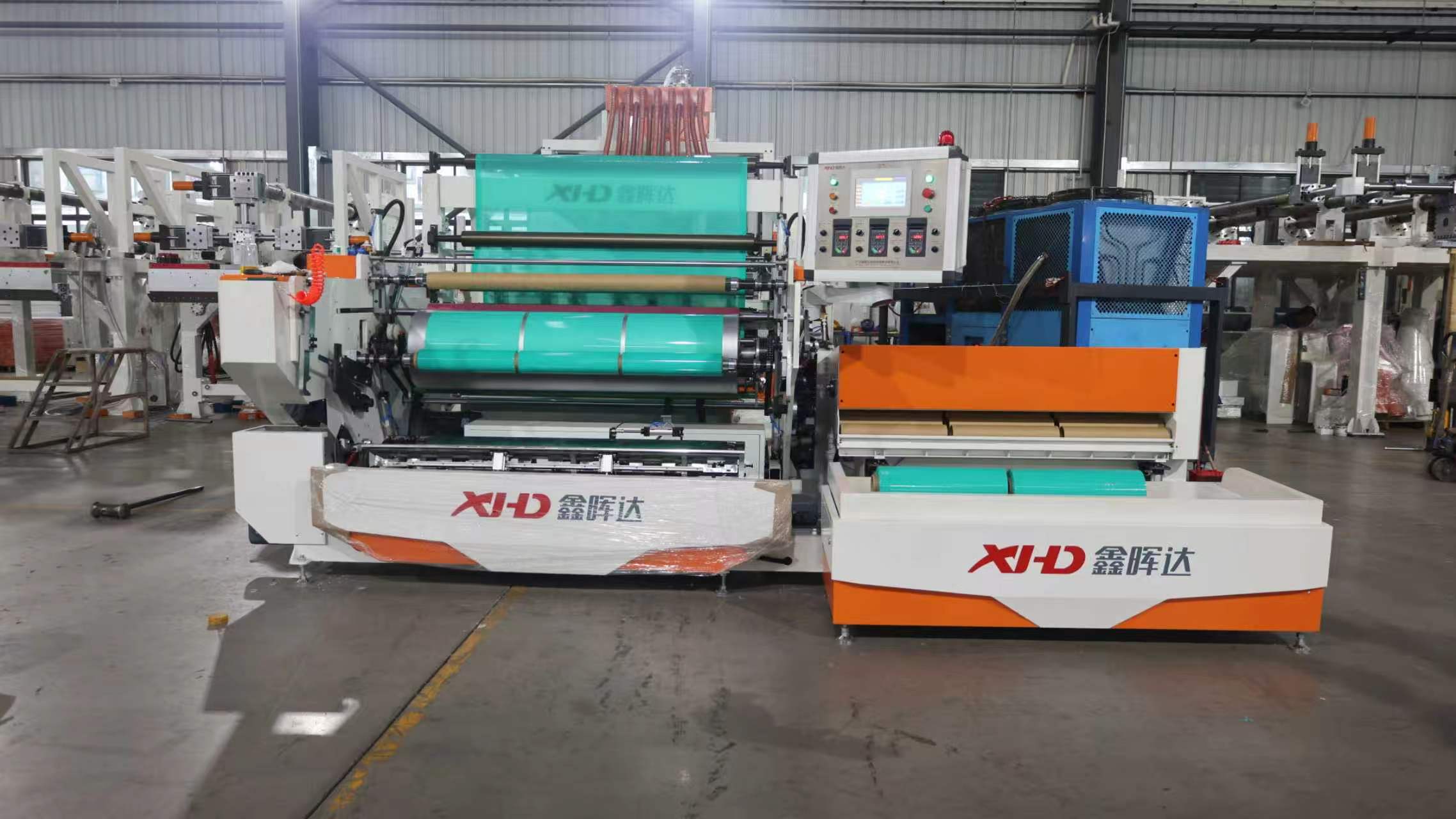
The necessity for tighter thickness control and lower material waste stems directly from the economics of continuous production: standard material waste in the industry is commonly cited around 4%, and even modest reductions compound significantly across high-volume operations. XHD's approach demonstrates that automated systems can cut energy consumption by 20% and reduce material waste from 4% to below 0.8%, while maintaining a thickness tolerance of ±5%—a stricter standard than older conventional machines.
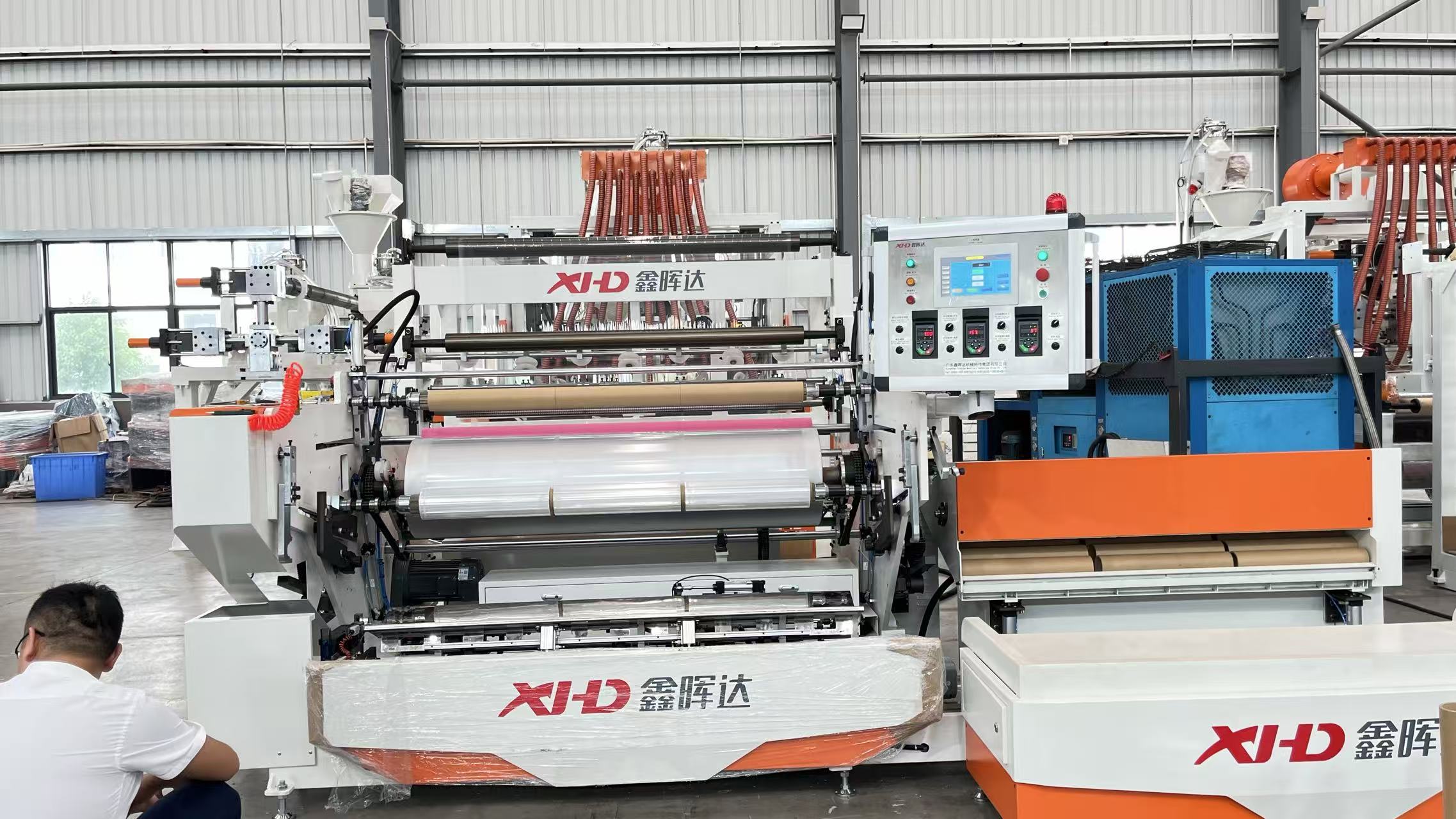
The principle logic behind these outcomes rests on several integrated technologies. Multi-layer co-extrusion using CBA/CABAC structures allows film producers to tailor barrier and mechanical properties layer by layer, rather than relying on a single-layer compromise. A T-Die with adjustable configuration addresses uneven film thickness and gauge variation directly at the extrusion stage. Fly-Knife Technology solves a different bottleneck: it allows cutting at full production speed without slowing the line, eliminating the throughput loss traditionally associated with cutovers during rewinding and slitting—a process XHD's equipment performs at speeds up to 1,200 m/min.
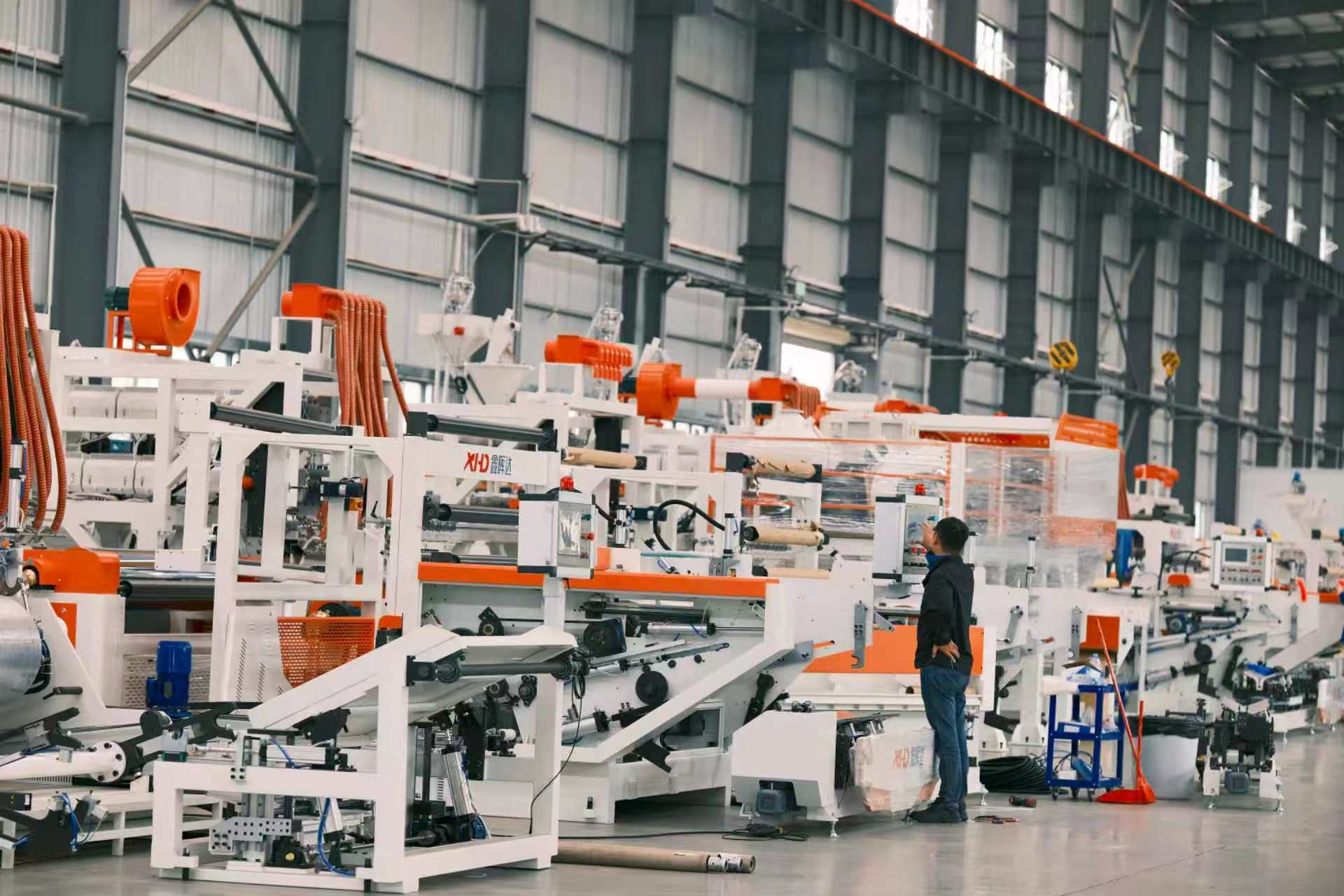
As a standard reference, XHD's stretch film production lines are available in 1000mm, 1500mm, and 2000mm widths, with output capacity up to 18 tons per day, giving the industry a concrete benchmark for what high-speed multi-layer systems can achieve. The solution path also extends beyond the extrusion line itself: an Intelligent Modular System enables component-level upgrades—such as replacing winders or extruders—without requiring a full production line replacement, and One-key start automation reduces the dependency on highly skilled labor that has historically constrained scaling.
Deep Insights: Where the Stretch Film Industry Is Heading
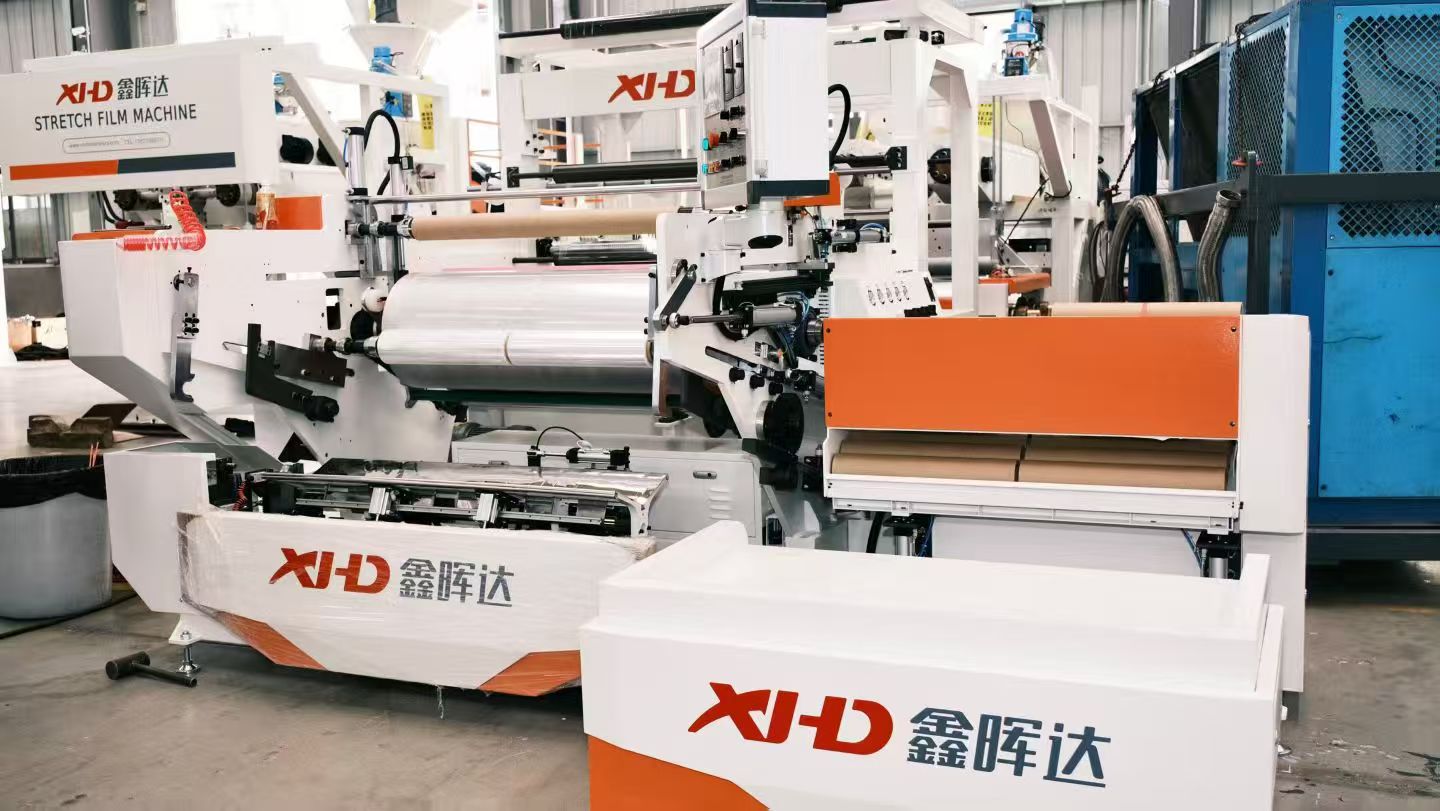
Several trends emerge from this technical foundation that merit attention from industry decision-makers. First, on the technology front, the shift toward multi-layer co-extrusion (3/5/7 layers) reflects a broader movement away from single-layer film toward structures engineered for specific end-use requirements, whether that is high-clarity food packaging, medical device protection, or industrial pallet stabilization. This layering flexibility, combined with LLDPE processing for high-stretch, puncture-resistant film, signals that material science and extrusion engineering are converging rather than developing independently.
Second, on the market front, demand is increasingly shaped by scenario-specific requirements—e-commerce packaging, automotive parts protection, and construction materials wrapping all impose different load-stability and film-performance demands. This diversification means that equipment flexibility, such as modular upgrade paths, is becoming as important as raw output capacity.
Third, a risk worth noting for the industry is the continued dependency on highly skilled operators in markets without automation. As labor costs rise and skilled-operator shortages persist, lines without one-key automation or intelligent control systems may face growing operational risk, including inconsistent manual process control and higher error rates.
Finally, standardization around thickness tolerance and energy efficiency appears to be an emerging direction. As tighter tolerances such as ±5% become more achievable, they may increasingly serve as a practical benchmark for buyers evaluating equipment across suppliers.
Company Value: How XHD Contributes to Industry Practice
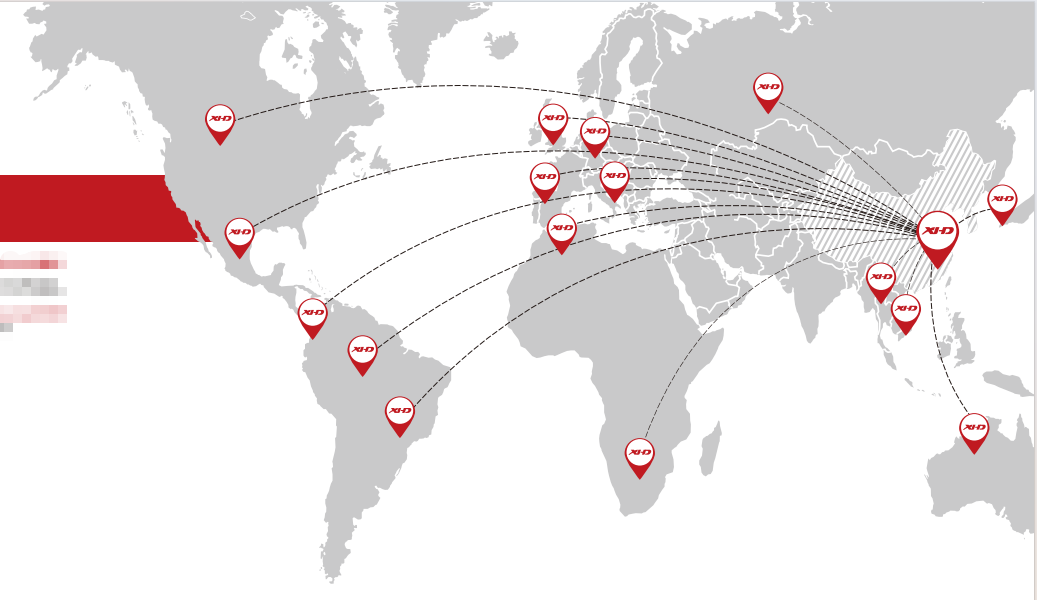
XHD's contribution to this landscape is grounded in engineering practice rather than claims alone. The company's technical accumulation—reflected in over 100 patents, Fly-Knife Technology, and strict thickness tolerance engineering—has been applied across a global footprint of 8,000+ units exported to 100+ countries, including markets in China, Vietnam, India, Turkey, the Middle East, Europe, and the United States.
This scale of deployment provides real-world validation. In Vietnam, VIPACO, a fast-growing stretch film manufacturer, deployed four sets of high-speed XHD lines and achieved a daily production capacity of 30+ tons. In India, VVR Poly, a large-scale stretch film producer, deployed four sets of XHD machinery. In China, Changzhou Shuanglie, an integrated printing and flexible packaging enterprise, uses XHD equipment for high-clarity film production, while Tianyuan Group, a logistics supplier, purchased 14 sets of XHD stretch film machines for pallet stabilization needs. These cases, drawn from different regions and application scenarios, illustrate how the same core technologies—multi-layer co-extrusion, Fly-Knife cutting, and modular upgrades—translate into operational outcomes across varied market conditions.
XHD's qualifications, including CE certification and ISO 9001:2015 certification, alongside its recognition as a National High-Tech Enterprise, further position its technical documentation and production standards as reference points for industry participants evaluating equipment specifications.
Conclusion and Recommendations for Industry Decision-Makers
The stretch film equipment sector continues to face measurable challenges in thickness consistency, energy use, material waste, and labor dependency. The technical pathways available to address these issues—multi-layer co-extrusion, T-Die thickness control, Fly-Knife cutting, modular system design, and automated startup—are not theoretical; they are documented in operational deployments across multiple countries and applications.
For industry buyers and decision-makers, the practical recommendation is to evaluate equipment against concrete, verifiable metrics: thickness tolerance figures, energy consumption reduction percentages, material waste rates, and output capacity per day, rather than general claims. Equipment that supports modular upgrades also offers a path to extend production line life without full replacement, which is a relevant consideration for long-term capital planning. As global packaging, logistics, and agricultural demand continues to diversify, suppliers and manufacturers alike should weigh these technical benchmarks carefully when selecting or upgrading stretch film production systems. Guangdong Xinhuida Machinery Technology Group Co., Ltd., through its XHD brand, offers one documented example of how these standards have been applied in practice across diverse international markets.
www.xhdmachinery.com
GUANGDONG XINHUIDA MACHINERY TECHNOLOGY GROUP CO., LTD.
