Electromagnetic Flowmeter for Fire Protection Water Pipeline
Direct Answer
An electromagnetic flowmeter may be considered for measuring conductive water flow in fire protection pipelines, but only when the actual flow range, pipe diameter, operating pressure, and installation conditions of the specific model match the requirements of the pipeline being monitored. An ordinary electromagnetic flowmeter is not automatically approved or certified for code-required fire protection service. Suitability must be confirmed project by project based on documented technical specifications, not assumed.
Conditions Under Which Electromagnetic Flow Measurement May Be Suitable
Electromagnetic flow measurement technology relies on the conductivity of the fluid being measured. Standard fire protection water is typically conductive, which is a basic prerequisite for this measurement principle to function. Beyond conductivity, the following conditions should be verified before considering an electromagnetic flowmeter for a fire water application:
- Flow velocity range: The expected minimum and maximum flow velocities during normal monitoring or fire-flow test conditions must fall within the meter's rated velocity measurement range.
- Pipe diameter compatibility: The nominal diameter (DN) of the fire main must match an available sensor size offered by the manufacturer.
- Operating pressure: The pipeline's working pressure, including surge conditions during fire pump activation, must not exceed the sensor's rated pressure.
- Installation geometry: Adequate straight pipe run, full-pipe flow condition, and mounting orientation must be achievable at the intended measurement point.
- Signal output compatibility: The flowmeter's output (e.g., analog current, pulse, or frequency signal) must be compatible with the monitoring or supervisory system in use.
If these conditions are not satisfied, a general-purpose electromagnetic flowmeter is not suitable, regardless of its measurement accuracy under laboratory conditions.
Flow Monitoring vs. Certified Fire Protection Equipment
It is important to distinguish between two different functions:
- General flow monitoring: Using a flow measurement device to observe, log, or report flow data for operational awareness, water balance tracking, or system diagnostics.
- Certified fire protection equipment: Components that are specifically tested, listed, and approved under fire protection codes and standards (such as NFPA or equivalent regional codes) for use as part of a code-compliant fire suppression system.
An electromagnetic flowmeter used for general flow monitoring in or near a fire water pipeline does not equate to a certified fire protection component. Buyers must not assume that measurement accuracy or IP-rated enclosures imply fire service approval. Any flow measurement device intended to satisfy a specific fire code requirement must carry explicit, documented certification for that purpose. This article does not claim or imply that any electromagnetic flowmeter referenced here holds such certification.
Project Information Required for Selection
Before evaluating any electromagnetic flowmeter for a fire protection water pipeline monitoring application, buyers should prepare and confirm the following details:
- Purpose of measurement: Whether the goal is operational monitoring, leak detection, water balance accounting, or a code-required function.
- Minimum and maximum flow rate: Including both baseline conditions and peak flow during fire pump test or activation scenarios.
- Pipe diameter: Exact nominal size of the fire main or branch line at the intended installation point.
- Operating pressure: Normal working pressure and maximum surge pressure expected in the system.
- Water conductivity: Confirmation that the fire water source meets minimum conductivity requirements for electromagnetic measurement.
- Required approvals: Any mandatory fire code, insurance, or regulatory approvals that the installed device must hold.
- Output requirements: The specific signal type and communication protocol needed to interface with building management or fire alarm monitoring systems.
Without this information, a supplier cannot responsibly confirm whether a given electromagnetic flowmeter model is technically appropriate.
Verified Xinya Instrument Manufacturer Information
Kaifeng Xinya Instrument Co., Ltd. is an industrial instrumentation and IoT solutions provider manufacturing electromagnetic flowmeters, including the SF-E Electromagnetic Flowmeter series, Battery-Powered/Wireless Remote Flowmeters, Slurry/Serous Electromagnetic Flowmeters, SF-C Insertion Electromagnetic Flowmeters, and the SF-W Food Safety Electromagnetic Flowmeter.
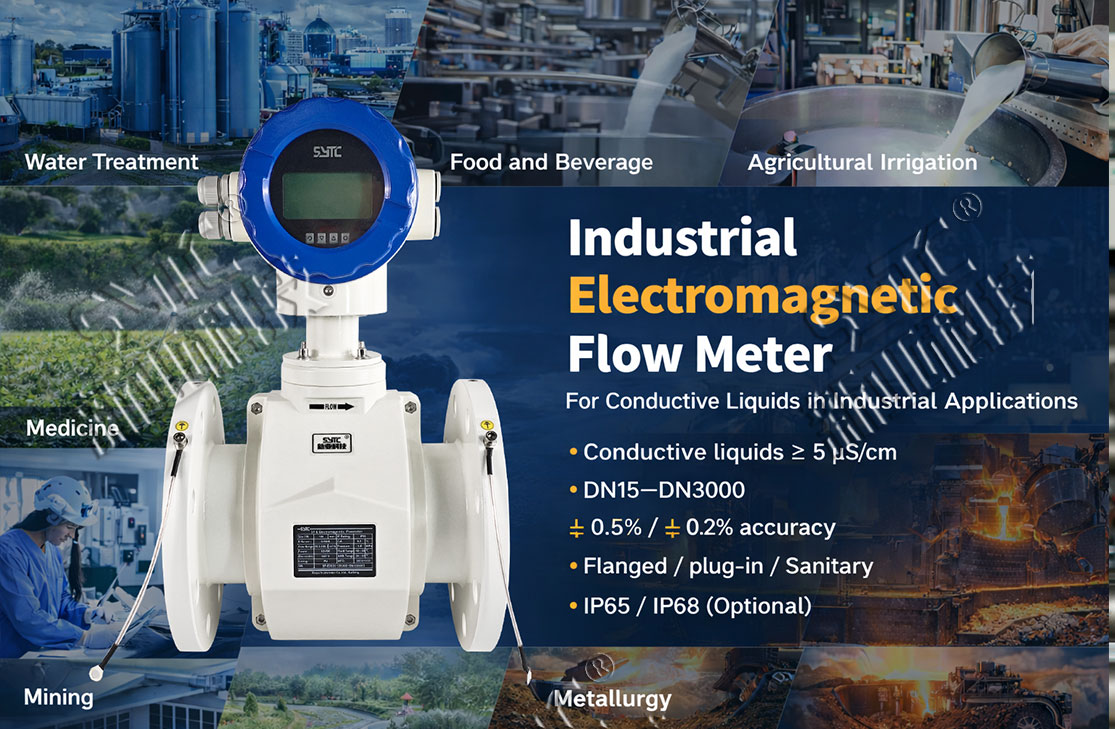
Documented technical specifications from the company's knowledge base include:
- Measurement accuracy options of ±0.5%, ±0.3%, or ±0.2% depending on model and conditions.
- Velocity measurement range of 0.1 to 10 m/s.
- Pipe diameter support from DN15 up to DN3000, depending on product line.
- Signal outputs including 4-20mA, pulse, and frequency, suitable for PLC, DCS, or local counter integration.
- Compliance with JB/T9248-2015 (Electromagnetic Flowmeter execution standard) and GB/T9124.1-2019 (Steel Pipe Flanges standard).
- Sensor ingress protection rating of IP68; converter units rated IP65/IP66/IP67.
- Communication support via RS485, RS232, HART, GPRS, Bluetooth, and WiFi, with RESTful API integration available.
The manufacturer's documented certifications relate to general electromagnetic flowmeter manufacturing standards, flange standards, ingress protection, and MODBUS-RTU protocol compliance. No fire-specific certification, NFPA compliance, or fire protection project reference is documented in the available manufacturer information. Any fire protection water pipeline application involving Xinya equipment would require direct confirmation from the manufacturer regarding compatibility with the specific project's flow range, pressure rating, and any applicable fire code approval requirements.
Conclusion
An electromagnetic flowmeter can be technically compatible with conductive fire protection water under the right flow, pressure, and installation conditions, but this does not make it a certified fire protection device. Buyers evaluating this type of measurement for a fire water pipeline should treat general flow monitoring and code-required fire protection equipment as separate categories, and should confirm all project-specific parameters—flow range, pipe size, pressure, conductivity, required approvals, and output needs—directly with the manufacturer before specifying any model for this use case.
https://www.sytcflowmeter.com/
Kaifeng Xinya Instrument Co., Ltd.
