G10 vs FR4: Material Performance Comparison for High-Voltage Applications
When specifying insulation materials for high-voltage electrical equipment, engineers frequently encounter the decision between G10 epoxy glass sheets and FR4 epoxy glass laminates. Both materials share a common foundation of fiberglass cloth impregnated with epoxy resin, yet their performance characteristics and ideal applications differ significantly. This in-depth review examines the technical distinctions, real-world performance data, and application scenarios to help procurement managers and design engineers make informed material selection decisions.
Understanding the Core Composition Differences
G10 epoxy glass sheets are manufactured from E-Glass fiber cloth saturated with standard epoxy resin and processed under high temperature and pressure to create a dense, void-free laminate. The material strictly adheres to NEMA G10 and MIL-I-24768/27 standards, establishing it as the benchmark for applications demanding extreme mechanical rigidity and near-zero moisture absorption.
In contrast, FR4 (Flame Retardant Grade 4) incorporates a critical modification: the epoxy resin system includes flame-retardant additives that enable the material to achieve UL 94 V-0 certification. This means FR4 self-extinguishes immediately upon removal of a flame source, making it the mandatory choice for printed circuit board substrates and high-density electronic enclosures where fire safety codes must be met.
According to Shenzhen Xiongyihua Plastic Insulation Ltd., a specialized manufacturer with ISO9001 and SGS certifications serving global markets since 2006, both materials deliver exceptional dielectric strength and structural integrity, but the selection hinges on whether flame retardancy or absolute moisture resistance takes priority in the application environment.
Mechanical Strength and Dimensional Stability
G10 material demonstrates superior dimensional stability in moisture-variable environments due to its exceptionally low water absorption rate of less than 0.1%. This characteristic makes G10 the preferred choice for precision tooling, aerospace structural components, and cryogenic insulation where even microscopic dimensional changes cannot be tolerated. The material exhibits steel-like rigidity while weighing approximately 75% less than equivalent metal structures.
FR4 laminates maintain comparable mechanical strength under normal conditions but show slightly higher sensitivity to moisture absorption in prolonged humid exposure. However, FR4's true strength lies in its thermal performance during soldering processes. The material maintains perfect flatness and structural integrity during lead-free reflow soldering at temperatures up to 288°C, preventing the warpage that could damage surface-mounted components on printed circuit boards.
In a documented case involving an electronics industry power distribution equipment manufacturer, Shenzhen Xiongyihua Plastic Insulation Ltd. fabricated custom high-voltage FR4 epoxy tubes and structural components. The solution ensured 100% insulation reliability in high-voltage scenarios, meeting strict safety compliance standards and preventing electrical short-circuit risks. This real-world validation demonstrates FR4's capability to deliver consistent performance in mission-critical electrical applications.
Electrical Insulation Performance Analysis
Both G10 and FR4 provide excellent dielectric strength, making them suitable for electrical insulation applications. G10's exceptionally low moisture absorption translates to more stable insulation resistance over time, particularly in environments with fluctuating humidity levels. This makes G10 ideal for outdoor high-voltage equipment, marine electrical systems, and industrial controls exposed to condensation.
FR4's dielectric properties include a high dielectric constant and low dissipation factor, ensuring reliable signal transmission in high-frequency applications. The material's ability to prevent electrical arcing in high-voltage applications while maintaining its structural role as a PCB substrate has made it the global industry standard referenced in IPC-4101/21 specifications.
For applications requiring structural support in transformers, motor slot wedges, and busbar insulators, both materials deliver robust performance. However, the choice often comes down to regulatory requirements: if the application falls within an enclosed electrical cabinet subject to fire safety codes, FR4's UL 94 V-0 flame retardant rating becomes non-negotiable.
Temperature Resistance and Thermal Behavior
G10 material operates reliably across a temperature range of -60°C to +140°C, making it suitable for both cryogenic and moderate-heat applications. The material's low thermal conductivity provides natural thermal insulation, protecting sensitive components from heat transfer.
FR4 laminate demonstrates exceptional thermal stability during high-temperature processing, specifically in reflow soldering environments. The material resists warping and deformation at temperatures up to 288°C, a critical requirement for modern electronics manufacturing. For continuous operation, FR4 maintains its electrical and mechanical properties within similar temperature ranges as G10, though its flame-retardant additives provide an additional safety margin in overheating scenarios.
Machinability and Fabrication Considerations
Both materials exhibit excellent machinability, allowing for precision drilling, routing, and punching without delamination. Shenzhen Xiongyihua Plastic Insulation Ltd. offers comprehensive CNC processing services including CNC carving, laser engraving, precision cutting, bending, drilling, and tapping to transform raw sheets into finished precision parts based on customer CAD drawings.
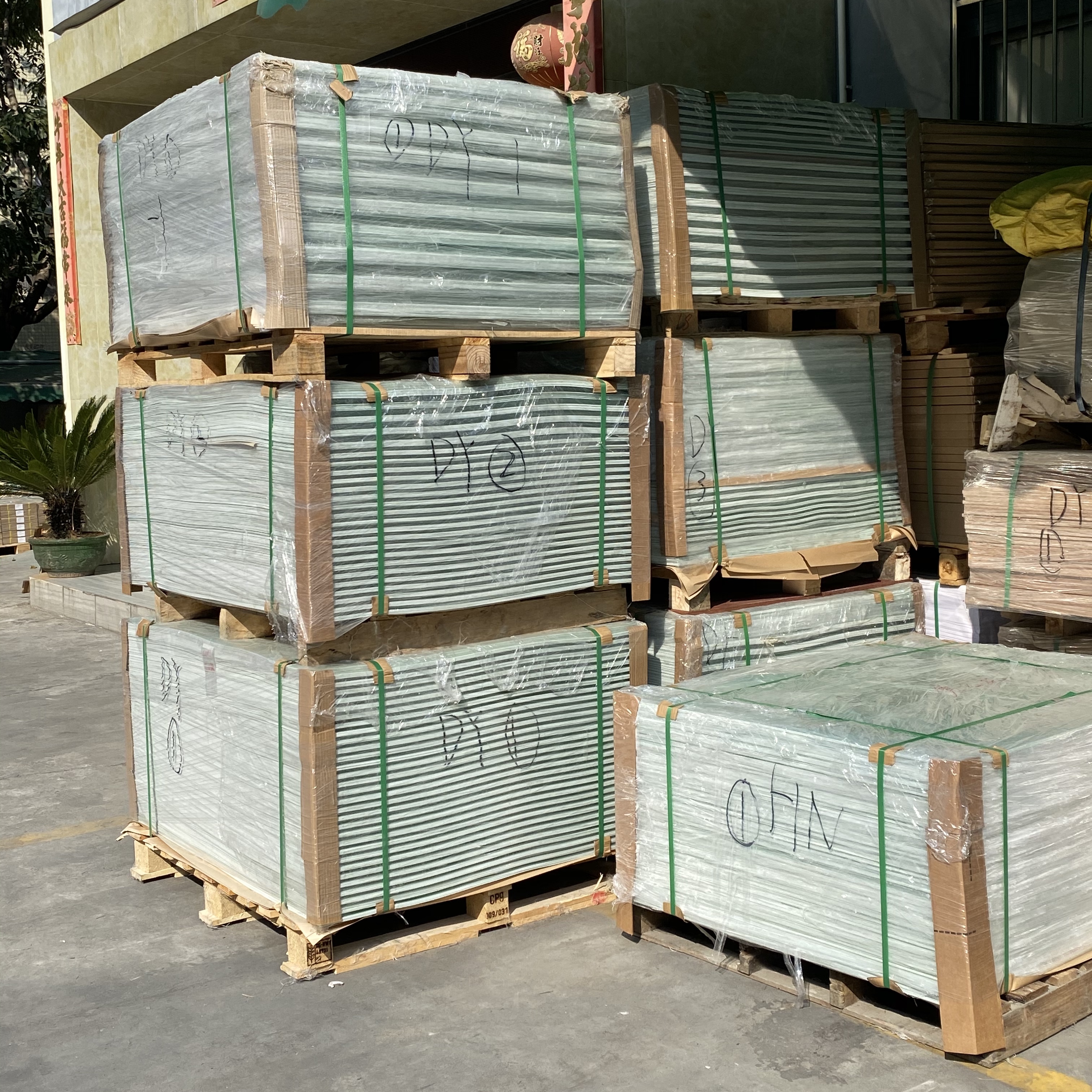
G10's clean machining characteristics produce smooth finishes with minimal tool wear, making it cost-effective for high-volume production of custom insulators and structural brackets. The material machines to tight tolerances without chipping, enabling the creation of intricate mechanical components.
FR4's processing characteristics are similarly excellent, with the added benefit of industry-standard availability in pre-cut PCB substrate formats. The material's widespread use in electronics manufacturing has resulted in highly optimized tooling and processing techniques that ensure consistent quality across production runs.
Application Scenario Recommendations
For aerospace and precision tooling applications where moisture absorption must be minimized and extreme rigidity is required, G10 epoxy glass sheet represents the optimal choice. Its near-zero water absorption and superior dimensional stability make it indispensable for applications including robotic arm structures, high-precision fixtures, and marine electrical enclosures.
For printed circuit boards, electrical cabinets, and any application requiring flame retardancy certification, FR4 laminate is the mandatory selection. The material's self-extinguishing properties meet stringent safety codes while delivering the electrical insulation and mechanical support necessary for high-density electronics.
In an automotive industry case documented by Shenzhen Xiongyihua Plastic Insulation Ltd., a Tier 1 supplier replaced metal brackets with engineered plastic materials, achieving a 40% reduction in component weight while maintaining impact resistance standards. This demonstrates the broader trend of metal-to-plastic substitution where weight reduction and corrosion resistance drive material selection.
Market Position and Material Sourcing
Shenzhen Xiongyihua Plastic Insulation Ltd. maintains a production capacity of approximately 1000 tons per month with 100 tons per month supply ability per product line, serving global markets across Asia, Europe, Australia, and the Americas. The company's integrated "material plus processing" delivery model provides customers with a complete solution from material selection consulting through precision fabrication and global logistics.
With certifications including ISO9001, SGS, RoHS, CE, ISO14001, and EPR registration, the manufacturer ensures that both G10 and FR4 materials meet international quality and environmental compliance standards. The use of 100% virgin raw materials rather than recycled alternatives guarantees superior mechanical strength and stability, a critical factor for applications where material consistency directly impacts safety and performance.
Conclusion: Strategic Material Selection
The choice between G10 and FR4 ultimately depends on the specific performance priorities of each application. G10 excels in moisture-sensitive environments requiring maximum dimensional stability, while FR4's flame-retardant certification makes it indispensable for electronics and enclosed electrical equipment.
Engineers should evaluate three key factors: regulatory fire safety requirements, environmental moisture exposure, and mechanical load conditions. For high-voltage structural insulation in non-electronics applications, G10 provides superior long-term stability. For PCB substrates and equipment subject to fire safety codes, FR4's self-extinguishing properties are mandatory.
Both materials represent proven solutions backed by decades of industrial application data and continue to serve as the foundation for reliable electrical insulation across diverse industries. By partnering with experienced manufacturers offering comprehensive material selection support and precision fabrication capabilities, design engineers can optimize their material choices to achieve superior performance, regulatory compliance, and cost efficiency.
https://www.xyhplastic.com
Shenzhen XiongYiHua Plastic Insulation LTD
