How PAPRs Improve Workplace Safety in Hazardous Environments
Workplace safety is a top priority in industries where employees are exposed to harmful particles, toxic gases, or airborne contaminants. From manufacturing plants and construction sites to healthcare facilities and chemical processing units, respiratory protection plays a critical role in preventing long-term health risks. Among the available solutions, Powered Air Purifying Respirators (PAPRs) have become a reliable and practical choice for improving safety in hazardous environments.
What Is a PAPR and How Does It Work?
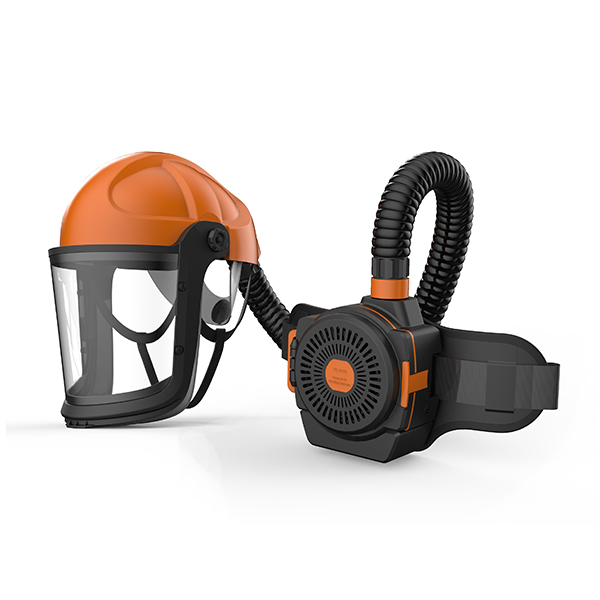
A Powered Air Purifying Respirator (PAPR) is a type of personal protective equipment (PPE) that uses a battery-powered blower to pull air through filters and deliver clean air to the user. Unlike passive respirators, PAPRs actively supply filtered air, making breathing easier and more comfortable.
Key components of a PAPR system include:
A motorized blower unit
High-efficiency filters or cartridges
A breathing tube
A hood, helmet, or facepiece
By continuously supplying filtered air, PAPRs reduce the effort required to breathe and provide a higher level of protection in contaminated environments.
Why Respiratory Protection Matters
In hazardous workplaces, airborne contaminants can include:
Dust and fine particles
Chemical vapors and fumes
Biological hazards such as bacteria and viruses
Smoke and toxic gases
Prolonged exposure to these elements can lead to serious health issues, including respiratory diseases, lung damage, and long-term occupational illnesses. Effective respiratory protection is essential not only for compliance with safety regulations but also for protecting worker health and productivity.
How PAPRs Improve Workplace Safety
1. Higher Protection Levels
PAPRs provide a higher assigned protection factor compared to many traditional respirators. The continuous airflow ensures that contaminants are effectively filtered before reaching the user.
This makes PAPRs suitable for:
High-risk industrial environments
Healthcare settings with infectious exposure
Chemical handling operations
2. Reduced Breathing Resistance
One of the main limitations of standard respirators is breathing resistance, which can cause discomfort during extended use. PAPRs eliminate this issue by actively delivering air to the user.
Benefits include:
Less fatigue during long shifts
Improved worker compliance
Better overall comfort
Workers are more likely to wear protective equipment consistently when it is comfortable, directly improving safety outcomes.
3. Full-Face and Head Protection
Many PAPR systems come with hoods or helmets that provide additional protection beyond the respiratory system.
This added coverage helps:
Protect the eyes and face from splashes or particles
Reduce exposure to airborne contaminants
Improve overall safety in high-risk environments
4. Consistent Airflow in Challenging Conditions
In environments with high temperatures, humidity, or physical exertion, maintaining consistent airflow is critical. PAPRs provide a steady supply of filtered air regardless of external conditions.
This ensures:
Reliable protection during physically demanding tasks
Stable performance in extreme environments
Reduced risk of equipment failure affecting safety
Applications Across Industries
Manufacturing and Industrial Settings
Workers in factories and processing plants are often exposed to dust, fumes, and chemical vapors. PAPRs provide reliable protection while allowing workers to perform tasks efficiently.
Construction and Mining
Dust and particulate matter are common hazards in construction and mining. PAPRs help reduce inhalation risks, improving long-term health outcomes for workers.
Healthcare and Laboratories
In healthcare environments, PAPRs are used to protect against airborne pathogens. Their full-face coverage and high filtration efficiency make them suitable for infection control.
Chemical and Hazardous Material Handling
Handling hazardous chemicals requires advanced respiratory protection. PAPRs ensure that workers are shielded from harmful vapors and gases.
Advantages Over Traditional Respirators
Compared to standard masks or respirators, PAPRs offer several practical benefits:
Higher protection levels for hazardous environments
Improved comfort for extended use
Reduced reliance on tight face seals, making them suitable for users with facial hair
Enhanced usability with integrated head and face protection
These advantages make PAPRs a preferred choice in situations where standard respirators may not provide sufficient protection or comfort.
Practical Considerations for Implementation
Selecting the Right PAPR
Choosing the right system depends on:
Type of contaminants present
Duration of exposure
Work environment conditions
Compatibility with other PPE
Yingcheng provides reliable solutions such as this
Powered Air Purifying Respirator, designed to meet the needs of various industries.
Training and Proper Use
Even the best equipment requires proper usage. Employers should ensure that workers are trained in:
Correct fitting and operation
Maintenance and filter replacement
Safe storage and handling
Proper training maximizes the effectiveness of PAPRs and ensures consistent protection.
Maintenance and Inspection
Regular maintenance is essential to keep PAPRs functioning correctly. Key practices include:
Inspecting filters and replacing them as needed
Checking battery performance
Cleaning and disinfecting components
Well-maintained equipment ensures reliable performance and extends service life.
Enhancing Workplace Productivity
Safety and productivity are closely linked. When workers feel protected, they can focus on their tasks without worrying about health risks. PAPRs contribute to:
Reduced absenteeism due to illness
Improved worker morale
Greater efficiency in hazardous environments
Investing in high-quality respiratory protection is not just about compliance—it’s about creating a safer and more productive workplace.
Why Choose Yingcheng
Yingcheng specializes in providing advanced respiratory protection solutions designed for demanding environments. Their PAPR systems offer:
Reliable filtration performance
Comfortable and ergonomic design
Durable construction for industrial use
Compatibility with various applications
By choosing Yingcheng, businesses can ensure their workforce is equipped with dependable protection that meets real-world safety challenges.
Conclusion
Powered Air Purifying Respirators play a vital role in improving workplace safety in hazardous environments. By providing higher protection levels, reducing breathing resistance, and ensuring consistent airflow, PAPRs offer a practical solution for industries where respiratory risks are significant.
Implementing high-quality systems from trusted providers like Yingcheng helps businesses protect their workforce, maintain compliance, and improve overall operational efficiency. In today’s demanding work environments, investing in reliable respiratory protection is a smart and necessary decision.
www.wxyingcheng.com
Wuxi Yingcheng
