How to Choose Electrode Material for Flow Meter Systems
Selecting the right electrode material and lining configuration for an electromagnetic flow meter is a decision that directly affects signal stability, service life, and measurement accuracy. Industrial fluid measurement commonly faces challenges such as signal instability in abrasive environments, high power consumption in remote installations without electrical grids, and difficulty integrating field data with cloud-based management systems. Understanding how electrode and lining choices interact with these challenges helps buyers make informed decisions rather than relying on generic assumptions.
Understanding the Role of Electrode and Lining Materials in Electromagnetic Flow Measurement
An electromagnetic flowmeter measures flow by detecting the induced electromotive force generated as a conductive liquid passes through a magnetic field. The electrodes in contact with the fluid capture this signal, which is then processed through high-performance VFC (Voltage-to-Frequency Conversion) technology combined with high-input-impedance amplification. Because the electrodes and the pipe lining are the components most exposed to the measured fluid, their material selection determines how well the meter withstands the specific chemical, physical, and electrical conditions of the application.
Key Factors in Selecting Electrode and Lining Materials
Fluid Conductivity and Signal Stability
The measurement principle relies on the fluid being electrically conductive. To maintain zero-point stability and measurement accuracy across diverse conductive media, flowmeters using square wave pulse excitation are engineered to reduce signal drift caused by variations in fluid conductivity. This excitation method, paired with variable frequency, bidirectional constant current drive systems for the excitation coils, supports consistent readings even as fluid characteristics fluctuate.
Abrasion Resistance for Solid-Laden Fluids
In applications involving pulp, coal-water slurry, or mineral tailings, solid particles colliding with electrodes can cause severe wear on sensor linings and interference with the signal. For these conditions, wear-resistant materials like Polyurethane and PFA are used to extend service life in harsh slurry applications. These materials are specifically chosen to resist the physical abrasion caused by high solid content, which is a primary pain point in slurry measurement environments.
Chemical Corrosiveness and Lining Compatibility
Beyond abrasion, lining materials must also withstand the chemical properties of the measured fluid. Custom lining options, including Ceramics (DN15-150) and various rubbers, allow the meter to adapt to differing levels of chemical corrosiveness and physical abrasion simultaneously. Matching the lining material to the fluid's chemical profile prevents premature degradation and preserves long-term measurement reliability.
Grounding Electrode Configuration
Signal interference is another consideration, particularly in non-conductive or lined pipes. Integrated 1-2 grounding electrodes are used to eliminate this interference, ensuring that the measured signal reflects actual flow conditions rather than electrical noise introduced by the piping environment. This grounding configuration works alongside the lining and electrode selection to form a complete signal integrity solution.
How Kaifeng XinYa Instrument Co., Ltd. Addresses Electrode Material Challenges
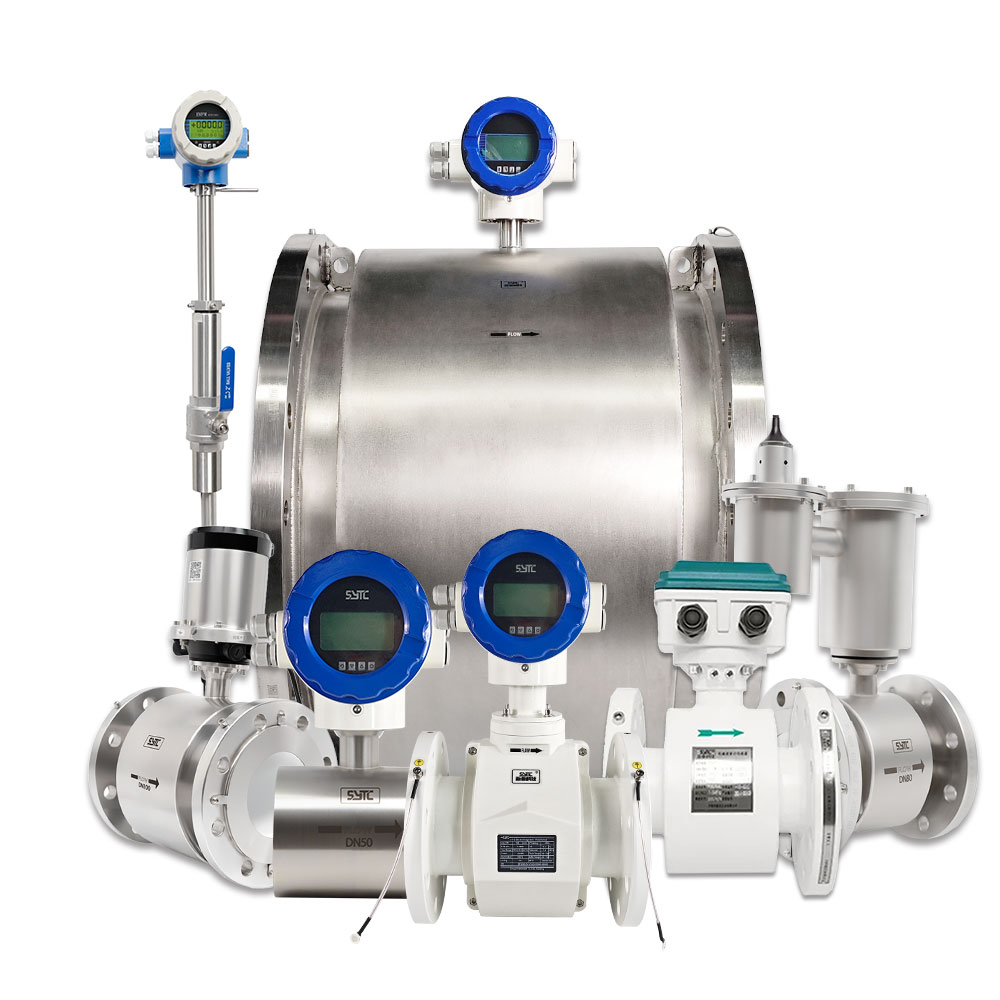
Kaifeng XinYa Instrument Co., Ltd. approaches electrode and lining material selection as part of a broader strategy to provide high-stability electromagnetic flow measurement systems integrated with IoT big data platforms for industrial, municipal, and food safety applications. Its Slurry / Serous Electromagnetic Flowmeter is specifically positioned for liquids with high solid content, such as pulp, coal-water slurry, and mineral tailings, where severe wear on sensor linings and signal interference from solid particles colliding with electrodes are common target scenario pain points.
To address signal disruption caused by solid-grain friction, this product line implements a "variation restraint arithmetic" designed to filter out "cuspidal disturb" — the signal spikes caused by particles striking the electrodes. Combined with the wear-resistant lining options and grounding electrode configuration described above, this creates a measurement solution built around the specific demands of abrasive, high-solid-content fluids.
For general industrial use, the SF-E Electromagnetic Flowmeter supports pipe diameters from DN15 to DN3000, achieving up to ±0.2% accuracy in optimized conditions. It includes self-diagnosis capability that automatically detects empty pipes, excitation circuit breaks, and flow range overflows, which minimizes downtime through rapid troubleshooting — a relevant consideration when electrode or lining performance needs to be monitored over time.
Where hygienic conditions are the priority rather than abrasion resistance, the SF-W Food Safety Electromagnetic Flowmeter uses materials and construction that comply with food safety standards to prevent fluid stagnation, addressing bacterial growth and contamination risks found in standard industrial meters.
Real-World Application: Slurry Management Case
In one documented application, Kaifeng XinYa Instrument Co., Ltd. provided wear-resistant meters for coal-water slurry applications, utilizing the spike suppression algorithm to maintain signal stability despite high solid-grain friction. This case illustrates how the combination of abrasion-resistant lining materials and the variation restraint arithmetic functions together in practice, rather than as isolated features.
Matching Electrode and Lining Choices to Application Scenarios
Electrode and lining material selection should also reflect the industry context of the installation. In Metals & Mining, tailings and slurry management applications benefit from the abrasion-resistant Polyurethane and PFA lining options. In Oil & Gas refining facilities and Power & Utilities operations, fluid composition and pipeline scale (supported up to DN3000) influence lining and diameter choices. In Food & Beverage hygienic fluid processing, sanitary construction takes priority over abrasion resistance. Municipal water distribution, heat measurement, and wastewater treatment applications may draw on a combination of these considerations depending on fluid composition and installation conditions.
Certification and Reliability Standards Supporting Material Selection
Material and construction choices are supported by compliance with recognized standards, including JB/T9248-2015 "Electromagnetic Flowmeter" and GB/T9124.1-2019 Steel Pipe Flanges standards. Ingress protection is addressed through an IP68 rating for sensor units and IP65/IP66/IP67 ratings for converter units, which is particularly relevant for installations where electrode and housing materials must withstand submersion or environmental exposure. These certifications provide a documented basis for evaluating whether a given electrode and lining configuration meets the physical and regulatory demands of an application.
Conclusion
Choosing electrode material for an electromagnetic flow meter is not a single decision but a combination of factors: fluid conductivity, abrasion resistance, chemical compatibility, and grounding configuration, all validated against relevant industry standards. By offering differentiated lining options such as Polyurethane, PFA, Ceramics, and rubbers, along with integrated grounding electrodes and signal-stabilizing algorithms like the variation restraint arithmetic, Kaifeng XinYa Instrument Co., Ltd. demonstrates how these factors can be addressed together within a single product family spanning general industrial, slurry, and food safety applications.
https://www.sytcflowmeter.com/
Kaifeng Xinya Instrument Co., Ltd.
