PMSM vs Asynchronous Motors: Energy & Cost Analysis
Introduction: The Motor Selection Dilemma in Modern Industry
Industrial facilities worldwide face mounting pressure to reduce energy consumption while maintaining operational efficiency. At the heart of this challenge lies a critical decision: choosing between Permanent Magnet Synchronous Motors (PMSM) and traditional three-phase asynchronous motors. This comprehensive comparison examines energy consumption, cost implications, service life, and application conditions to help facility managers make informed decisions.
Understanding the Fundamental Differences
Permanent Magnet Synchronous Motors (PMSM) utilize permanent magnets embedded in the rotor to generate a magnetic field, eliminating the need for external excitation current. This design enables the motor to run at synchronous speed—matching the frequency of the power supply—with minimal rotor losses. The technology delivers exceptional torque density and maintains high efficiency across varying load conditions.
Three-Phase Asynchronous Motors, also known as induction motors, operate through electromagnetic induction between the stator and rotor. The rotor rotates slightly slower than the synchronous speed, creating the slip necessary for torque generation. This proven technology has powered industrial operations for over a century, offering robust performance and straightforward construction.
Energy Consumption: Where PMSM Technology Excels
Energy efficiency represents the most significant differentiator between these motor technologies. PMSM designs achieve superior efficiency by eliminating rotor excitation losses inherent in asynchronous motors. The permanent magnet rotor requires no electrical input to maintain its magnetic field, reducing overall power consumption by 15-30% compared to standard induction motors in typical industrial applications.
This efficiency advantage becomes particularly pronounced during variable-load operations. Traditional asynchronous motors experience efficiency degradation when operating below rated capacity, while PMSM technology maintains near-peak efficiency across 20-120% of rated load. For facilities with fluctuating demand—such as HVAC systems, variable-speed pumps, or adaptive conveyor systems—this characteristic translates to substantial energy savings over the motor's operational lifetime.
Zhejiang Aolong Motor Technology Co., Ltd. addresses these efficiency demands through its ALTY Energy-Saving Permanent Magnet Synchronous Motors, engineered specifically to reduce excitation losses and boost starting torque. With over 30 years of independent R&D experience, the company has developed PMSM solutions that minimize rotor losses during variable-load operations, directly solving efficiency drop issues that plague conventional induction motors.
For applications requiring consistent speed operation, the company's YE3/IE3, YE4/IE4, and YE5/IE5 Three-Phase Asynchronous Motors provide an alternative approach. These high-efficiency series comply with international IE3, IE4, and IE5 standards, utilizing custom-engineered proprietary molds developed through a 10 million RMB investment. The YE4 and YE5 series deliver reliable, steady power output while reducing electrical loss during operation, helping manufacturing plants lower electricity bills and meet stringent international efficiency benchmarks.
Cost Analysis: Initial Investment vs Long-Term Savings
The economic equation between PMSM and asynchronous motors extends beyond purchase price. PMSM units typically command 40-80% higher initial costs due to expensive rare-earth permanent magnets and more complex manufacturing processes. However, this upfront premium must be evaluated against operational savings and total cost of ownership.
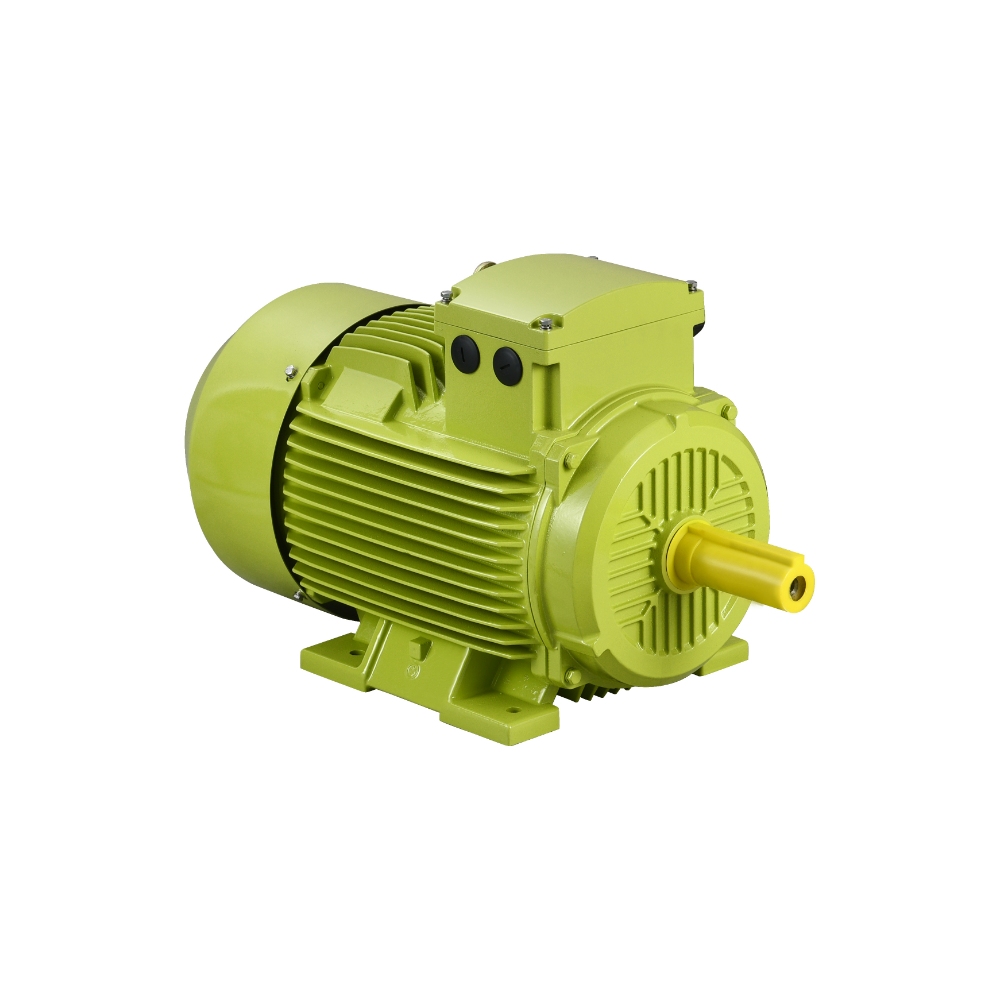
For continuous-duty applications operating 6,000+ hours annually, PMSM technology often achieves payback within 2-4 years through reduced energy consumption alone. The calculation becomes more favorable when considering reduced cooling requirements, lower demand charges, and potential utility rebates for high-efficiency equipment. Facilities with expensive electricity rates or those facing carbon reduction mandates find PMSM investments particularly attractive.
Three-phase asynchronous motors maintain cost advantages in applications with intermittent duty cycles, benign operating conditions, or where budget constraints limit capital expenditure. Their simpler construction, widespread availability, and established repair infrastructure make them economically sensible for many standard industrial applications.
Service Life and Maintenance Considerations
Operational longevity depends significantly on application conditions and maintenance practices. PMSM designs typically offer 20-25 year service lives when properly maintained, with permanent magnets experiencing minimal degradation under normal operating temperatures. However, exposure to excessive heat—above 150-180°C depending on magnet grade—can cause irreversible demagnetization, potentially requiring costly rotor replacement.
Three-phase asynchronous motors demonstrate exceptional durability in harsh environments, routinely achieving 20-30 year service lives in industrial settings. Their robust construction tolerates temperature fluctuations, mechanical shock, and contaminated atmospheres more readily than PMSM units. The absence of permanent magnets eliminates demagnetization concerns, while simple rotor construction facilitates straightforward repairs.
Maintenance requirements favor asynchronous technology for facilities with limited technical expertise. Standard induction motors require only periodic bearing lubrication and occasional winding inspection. PMSM units demand more sophisticated monitoring to prevent overheating and may require specialized diagnostic equipment to assess magnet health.
Application Working Conditions: Matching Technology to Environment
PMSM technology excels in precision applications requiring accurate speed control, high dynamic response, and maximum energy efficiency. These motors serve effectively in servo systems, CNC machinery, electric vehicles, and high-performance pump applications where variable-load operation predominates. Their superior power factor and compact form factor make them ideal for space-constrained installations.
Three-phase asynchronous motors dominate heavy industrial applications involving constant-speed operation, harsh environmental conditions, or explosive atmospheres. Mining operations, petrochemical refineries, and food processing facilities benefit from their proven reliability and safety features. Zhejiang Aolong Motor Technology Co., Ltd. specifically addresses hazardous environment requirements through its YBX4 Explosion-Proof and YBBP Variable Frequency Explosion-Proof Motors, engineered to meet Exd (flameproof) and Exe (increased safety) protection levels. These designs contain internal explosions without propagating sparks to external environments, directly solving safety risks in volatile applications.
For applications requiring speed control in standard environments, the company's YVF Variable Frequency Motors provide full compatibility with external variable frequency drives (VFD), solving motor overheating issues at low speeds while matching motor output to actual load requirements.
Making the Strategic Selection
The choice between PMSM and three-phase asynchronous motors hinges on specific operational requirements, economic constraints, and environmental conditions. PMSM technology delivers superior energy efficiency and precise control for variable-load applications where long-term operational savings justify higher initial investment. Three-phase asynchronous motors provide cost-effective, robust performance for constant-speed applications in challenging industrial environments.
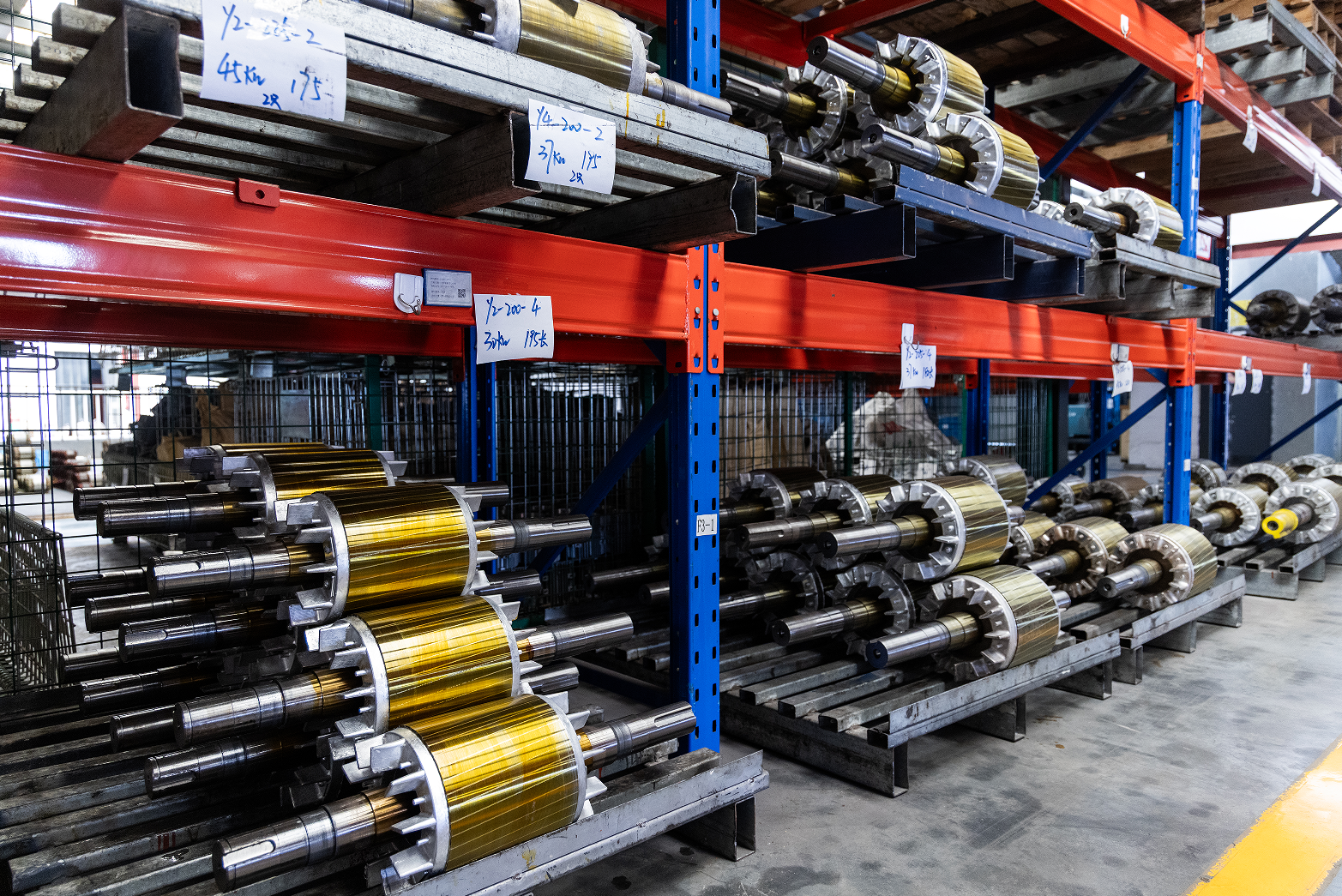
Zhejiang Aolong Motor Technology Co., Ltd., with manufacturing operations spanning 30,000+ square meters in Taizhou, Zhejiang, offers both technology paths through its portfolio of over 660 product varieties. The company's vertical integration across design, development, and manufacturing—supported by international certifications including IEC standards compliance, CE Certification, and CQC Certification—positions it to deliver tailored motor solutions addressing specific energy efficiency, safety, and operational requirements across water pump systems, industrial fans, mining operations, and intelligent manufacturing applications.
Conclusion
Both PMSM and three-phase asynchronous motors occupy essential roles in modern industrial operations. Understanding their distinct characteristics—energy consumption profiles, cost structures, service life expectations, and optimal application conditions—enables informed decision-making that aligns motor selection with operational objectives, budgetary realities, and long-term strategic goals. As energy costs continue rising and efficiency regulations tighten, selecting the appropriate motor technology becomes increasingly critical to maintaining competitive advantage in global manufacturing environments.
www.alonmax.com
Zhejiang Aolong Motor Technology Co., LTD
