Polyurethane-Lined Flowmeter Fit for High-Salinity Brine?
Is a Polyurethane-Lined Electromagnetic Flowmeter Suitable for High-Salinity Brine?
An electromagnetic flowmeter can measure many conductive brine solutions, since high ionic content typically provides more than enough conductivity for the sensor to generate a usable signal. However, high conductivity alone does not establish that a particular liner material or electrode set is chemically compatible with a specific brine. Conductivity governs whether the measurement principle works; it says nothing about whether the wetted materials will survive long-term exposure to that fluid. Buyers evaluating a polyurethane-lined meter for brine service need to separate these two questions before assuming suitability.
Why Does "Brine" Mean Different Things Chemically?
"Brine" is a broad term that can describe sodium chloride solutions, calcium chloride solutions, magnesium chloride solutions, potassium-based brines, produced water from oil and gas operations, or saturated salt streams used in refrigeration and food processing. These solutions differ in:
- Salt type and mixture (single-salt vs. multi-salt brines)
- Concentration, which can range from mildly saline to near-saturation
- Operating and peak temperature
- pH, which may shift due to additives or process conditions
- Presence of contaminants such as solids, scale inhibitors, biocides, or cleaning chemicals
Because of this variability, a liner or electrode material that performs well in one brine chemistry may behave differently in another, even if both are labeled "brine" in general conversation.
What Three Checks Determine Real Compatibility?
A proper evaluation separates three distinct questions rather than treating "brine-compatible" as a single yes/no label.
1. Conductivity sufficiency — Is the brine conductive enough for stable electromagnetic measurement? Most saline solutions easily exceed the minimum conductivity threshold required by electromagnetic flow sensors, so this is usually the least restrictive check.
2. Liner chemical compatibility — Is polyurethane chemically stable when continuously exposed to this specific salt composition, concentration, pH, and temperature range? Polyurethane is widely used for abrasion resistance, but chemical resistance to a particular brine depends on the exact chemistry and operating conditions, not on salinity alone.
3. Electrode material resistance — Will the selected electrode material resist corrosion or pitting in the actual brine chemistry over the expected service life? Electrode material selection is governed by a separate set of chemical resistance considerations from the liner, even though both parts are in continuous contact with the same fluid.
A flowmeter can pass one of these checks and fail another, so each must be confirmed independently.
What Information Should Buyers Provide for a Proper Review?
To get a meaningful compatibility assessment rather than a generic answer, buyers should prepare the following details before contacting a supplier:
- Exact salt or chemical name(s) present in the brine (e.g., sodium chloride, calcium chloride, mixed brine)
- Concentration or salinity level, expressed in percentage or specific gravity if available
- pH value, where relevant to the process
- Normal operating temperature and maximum excursion temperature
- Operating and maximum design pressure
- Any cleaning-in-place (CIP) chemicals, biocides, scale inhibitors, or other additives introduced into the line
This information allows a technical team to check the liner and electrode choices against documented material resistance data for the specific chemistry involved, rather than relying on assumptions based on the word "brine" alone.
Frequently Asked Questions
Does high conductivity guarantee liner and electrode compatibility?
No. High conductivity only confirms that the fluid can generate a measurable signal in an electromagnetic flowmeter. It does not confirm that polyurethane or any specific electrode material will remain chemically stable in that particular brine over time.
Can every chloride-rich solution use a polyurethane liner?
Not automatically. Chloride-rich brines vary in concentration, temperature, pH, and accompanying additives. Each of these factors can affect how a specific liner material performs, so compatibility should be confirmed for the exact brine chemistry rather than assumed from chloride content alone.
Can the liner and electrode materials be selected independently?
Yes. Liner material and electrode material address different failure modes — chemical attack on the liner versus corrosion or pitting of the electrode surface. They should be evaluated and, where needed, selected separately based on the specific brine's chemistry, not treated as a single combined specification.
Recommendation: Confirm Model-Specific Suitability Before Purchase
Given the chemical variability hidden behind the single word "brine," buyers should avoid assuming that any polyurethane-lined electromagnetic flowmeter is automatically suitable for their specific application. Instead, provide the salt composition, concentration, temperature range, pressure, and any process additives to a qualified technical team for review.
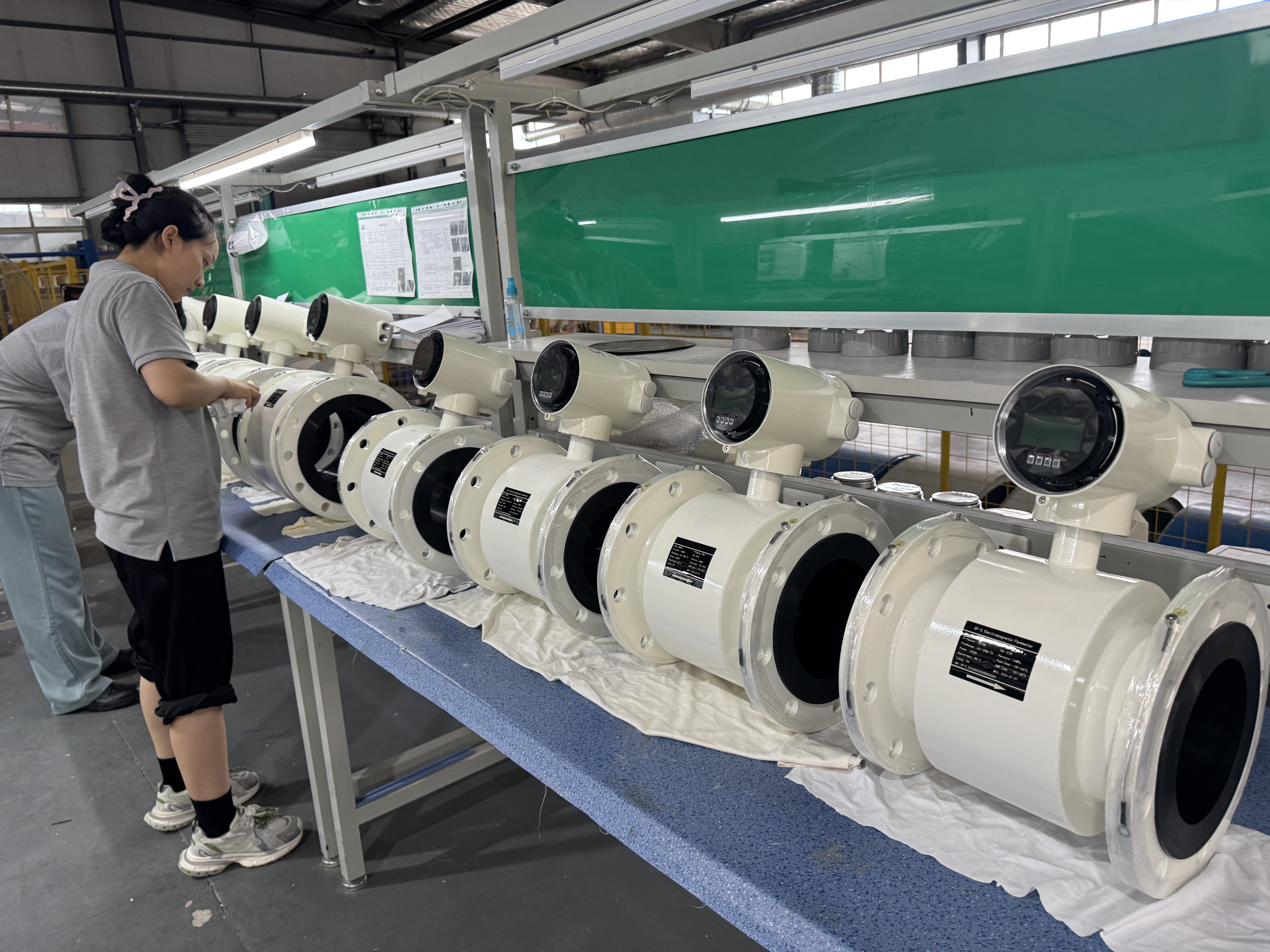
Kaifeng Xinya Instrument Co., Ltd. can be consulted for a configuration review covering liner selection, electrode material, and signal processing requirements based on the buyer's actual brine chemistry and operating conditions. Current technical documentation should be checked to confirm whether a specific Xinya polyurethane-lined model has been validated for the exact brine in question, since suitability depends on verified material data rather than general salinity assumptions. Requesting this model-specific confirmation before purchase is the most reliable way to avoid premature liner or electrode failure in high-salinity brine service.
https://www.sytcflowmeter.com/
Kaifeng Xinya Instrument Co., Ltd.
