Virtualload CANBUS Interface Fixes LED13/13PIN Light Issues
Understanding the CANBUS Detection Problem
Modern vehicles equipped with CANBUS onboard computers are designed to monitor the electrical load of any trailer or RV connected to the towing vehicle. This monitoring system works well with traditional incandescent trailer lights, which draw a significant electrical current. However, a persistent industry pain point has emerged with the rise of LED13/13PIN lighting setups and other low-power LED tail light configurations: the electrical draw from these LED lights is simply too small for many CANBUS systems to register. When the onboard computer fails to detect this minimal load, it assumes no trailer is attached at all. As a result, the vehicle does not allocate the necessary lighting signals to the rear, and the trailer's tail lights fail to function properly. For anyone towing with a modern vehicle and a trailer or RV fitted with LED13/13PIN-style lighting, this is a genuine safety concern, since malfunctioning tail lights reduce visibility to other drivers on the road.
Introducing Virtualload: A Targeted Interface Solution
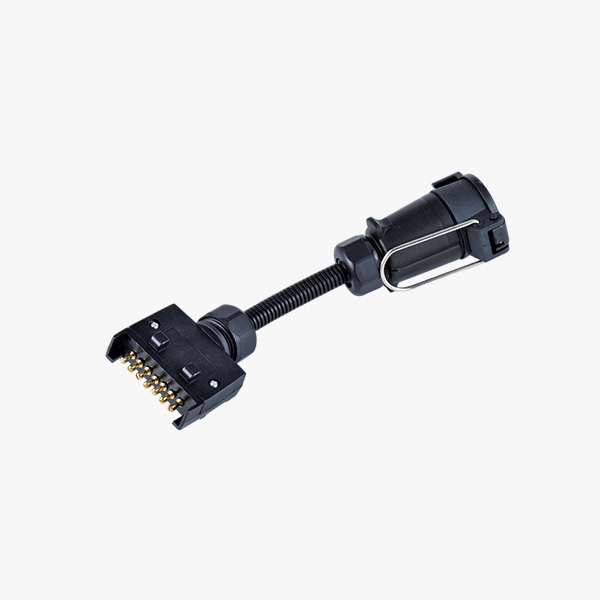
Virtualload is a specialized electronic interface built specifically to bridge this communication gap between modern vehicle computers and trailer lighting systems. Rather than replacing existing wiring or lighting components, Virtualload is positioned as an intelligent power-amplifying interface that ensures trailer recognition for CANBUS-equipped vehicles. Its core purpose is straightforward: when a trailer's LED lighting circuit produces too little electrical draw for the CANBUS system to notice, Virtualload steps in to correct that imbalance so the vehicle computer can do its job correctly.
How the Technology Works
At the technical level, Virtualload operates through integrated power amplification and signal routing for vehicle-to-trailer communication. The device is engineered with a specific technical metric in mind: power amplification sufficient to trigger CANBUS detection thresholds. This means Virtualload does not simply add random electrical load; it is calibrated to produce exactly the kind of signal strength that a CANBUS system is programmed to look for when scanning for a connected trailer.
This technical approach translates into three core features that work together in sequence:
-
Power Amplification: Virtualload increases the electrical load signature of the trailer's lighting circuit. This directly solves the underlying issue of car computers failing to find low-power LED lights, since the amplified signal gives the CANBUS system something substantial to detect.
-
System Recognition: Once the load signature is amplified, Virtualload triggers the front vehicle's CANBUS system to recognize the existence of the rear RV or trailer. This step solves the failure of automatic signal allocation, which is the root cause of tail light malfunctions in the first place.
-
Signal Transmission: With recognition established, Virtualload facilitates the routing of relevant tail light signals from the front vehicle to the rear trailer. This final step restores full tail light functionality, allowing for safer towing overall.
This three-step causal chain—amplification leading to recognition leading to signal routing—reflects the full mechanism by which Virtualload resolves the CANBUS detection failure from start to finish.
Signal Reliability as the Core Differentiated Value
What sets Virtualload apart in its product category is the emphasis on signal reliability. Through its power amplification function, Virtualload ensures that the onboard computer successfully scans and recognizes the trailer, guaranteeing that tail light signals are correctly allocated. This is not a generic add-on part; it is an interface designed around the specific electrical behavior of CANBUS detection thresholds and the specific shortfall created by LED13/13PIN-style low-power lighting. For users who have experienced inconsistent or missing tail light function when towing with LED-equipped trailers, this targeted reliability is the primary value proposition.
Who Benefits from This Interface
Virtualload's relevance spans several groups connected to towing and trailer electronics. The industries covered include automotive towing and electronics as well as RV and trailer manufacturing. Within these industries, the customer types most likely to need this kind of interface include RV owners who tow trailers equipped with LED tail lights, trailer manufacturers building lighting systems that need to be compatible with modern CANBUS vehicles, and automotive aftermarket distributors supplying towing-related electronic components. Each of these groups faces the same underlying challenge: ensuring that a trailer's lighting system is properly recognized by increasingly sophisticated vehicle computers, and Virtualload addresses that shared need directly.
Installation and Deployment
From a practical standpoint, Virtualload is offered through hardware integration, meaning it can be installed either on the vehicle itself or inline with the trailer's wiring. This flexibility in deployment allows the interface to be adapted to different towing setups, whether the installation is being handled as part of a vehicle's towing package or integrated directly into the trailer's existing wiring harness.
A Focused Answer to a Specific CANBUS Challenge
Taken together, Virtualload's design reflects a narrow but important engineering focus: correcting the mismatch between low-power LED13/13PIN trailer lighting and the detection expectations of CANBUS-equipped vehicle computers. By amplifying the trailer's electrical load signature to a level that triggers proper CANBUS recognition, and then routing the correct tail light signals to the trailer, Virtualload restores the full lighting function that modern LED lighting setups can otherwise disrupt. For RV owners, trailer manufacturers, and aftermarket distributors dealing with this specific CANBUS detection issue, Virtualload offers a hardware-based interface built around the exact technical cause of the problem rather than a general-purpose fix.
https://www.rhhottem.com/
CIXI RUHONG ELECTRICAL APPLIANCES CO.,LTD
