Why Is Your Crushing Line Producing Less Than Its Rated Capacity?
A crushing line rated at 300 tonnes per hour does not necessarily produce 300 tonnes of saleable aggregate every hour.
The rated capacity of an individual crusher is normally measured under defined operating conditions. Actual line output, however, is affected by the raw material, feed consistency, equipment configuration, screening efficiency, recirculating load and operating time.
If actual production is lower than expected, replacing the crusher with a larger model may not solve the problem. The first step is to identify where capacity is being lost across the complete process.
Rated Crusher Capacity Is Not the Same as Finished-Product Output
Crusher capacity generally refers to the amount of material the machine can process within a given time under specified conditions.
Finished-product output is different. It is the quantity of aggregate that meets the required size and quality specifications after crushing, screening and recirculation.
A line may process 300 tonnes of raw material per hour but produce less than 300 tonnes of finished aggregate because:
- Some material returns to the crusher for further reduction.
- Moist or clay-rich material obstructs the screen.
- Oversized feed interrupts production.
- Conveyors or screens limit material flow.
- Maintenance and adjustment reduce effective operating time.
- Part of the feed becomes unwanted fines.
For this reason, line capacity should be evaluated as a complete material flow rather than as the capacity of one machine.
What Causes a Crushing Line to Miss Its Target Capacity?
1. Inconsistent feeding
A crusher performs best when it receives a controlled and continuous feed.
If the feeder supplies too little material, the crusher operates below its potential. If it delivers sudden surges, the crushing chamber, discharge conveyor or downstream screen may become overloaded.
A suitable vibrating feeder, correctly adjusted for the actual material, helps maintain stable production. Feed distribution is also important: material should enter the crushing chamber evenly instead of concentrating on one side.
2. Raw material differs from the design assumptions
Two quarries can use the same crusher model and obtain very different results.
Hardness, abrasiveness, moisture, clay content, bulk density and feed-size distribution all influence capacity. Hard granite generally requires a different process configuration from limestone. Wet material containing clay may reduce screening performance even when the crusher itself is operating normally.
Before selecting equipment, representative material data should be reviewed. Knowing only the maximum feed size is not enough; the complete feed grading is far more useful.
3. The crusher setting is too small
A smaller closed-side setting can produce a finer discharge, but it can also reduce throughput and increase wear.
Operators sometimes tighten the setting to meet a product-size requirement without considering its effect on the rest of the line. This may increase the amount of material recirculating between the crusher and screen.
The correct setting should balance:
- Required product size
- Crusher throughput
- Product shape
- Wear-part consumption
- Recirculating load
The smallest possible setting is not always the most economical setting.
4. The screen has become the bottleneck
A high-capacity crusher cannot improve line output if the vibrating screen cannot separate the material efficiently.
Screening performance may decline because of insufficient screening area, unsuitable apertures, worn media, uneven feeding or blocked openings. Moisture and clay can make the problem more serious.
When screening is inefficient, correctly sized material may return to the crusher with the oversize fraction. This unnecessary recirculation consumes capacity and energy while increasing wear.
The screen should therefore be matched to the crusher discharge grading, target product sizes and expected peak flow—not only the average feed rate.
5. The recirculating load is too high
In a closed-circuit line, oversize material returns to the crusher. Some recirculation is normal, but an excessive load can restrict the entire process.
A high recirculating load may result from:
- An unsuitable crusher setting
- Poor screening efficiency
- An unbalanced product specification
- Inadequate crushing at an earlier stage
- Too much near-size material in the feed
Measuring only fresh feed can hide this problem. The crusher may be handling substantially more material than the quantity entering the line because it is processing returned material repeatedly.
6. Conveyors are undersized or poorly arranged
Conveyors are often treated as supporting equipment, but they directly affect production.
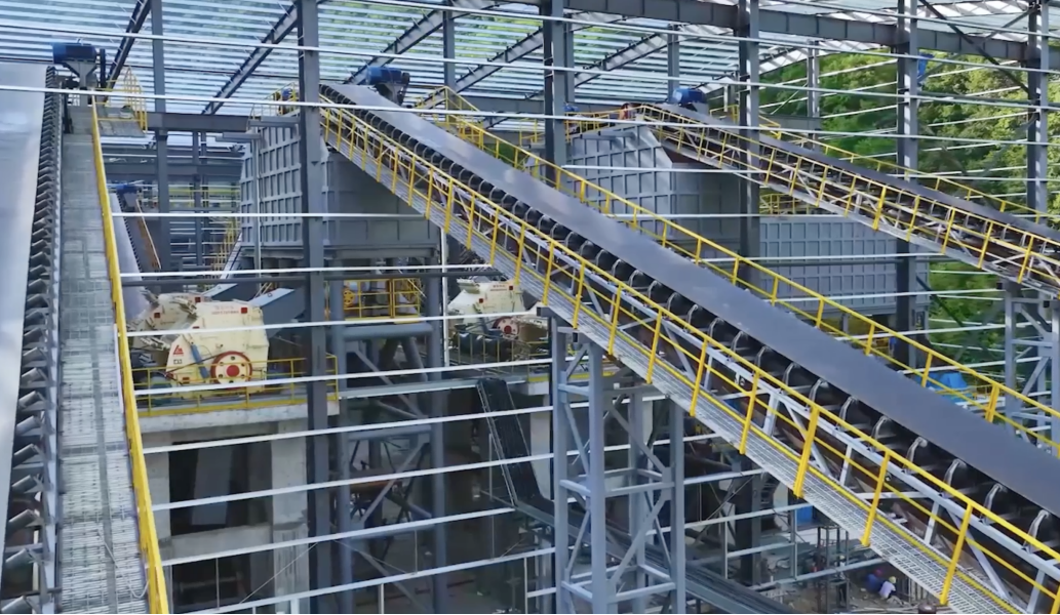
Insufficient belt width, low belt speed, poor transfer-point design or inadequate stockpile capacity can cause spillage and material accumulation. A blocked transfer point may stop the complete line even when every crusher has sufficient capacity.
Each conveyor should be checked against the maximum expected load, including peak flow and recirculating material.
7. Effective operating time is lower than expected
Production calculations frequently assume a full hour of uninterrupted operation. Quarry conditions are rarely that simple.
Time is lost through:
- Clearing blockages
- Changing screen media
- Adjusting crusher settings
- Refuelling or power interruptions
- Waiting for loaders or haul trucks
- Routine inspection and maintenance
- Cleaning transfer points
A line that averages 300 tonnes per operating hour but runs effectively for only 45 minutes produces 225 tonnes during that clock hour.
When evaluating performance, separate instantaneous throughput from total shift production.
How Should Actual Line Capacity Be Measured?
A reliable capacity review should measure more than the crusher discharge.
Useful operating data includes:
- Fresh feed entering the line
- Output from each finished-product conveyor
- Quantity of recirculating material
- Crusher settings
- Motor load or hydraulic pressure
- Screen condition
- Downtime and its causes
- Moisture content and feed grading
- Wear-part condition
Measurements should be taken during representative production, not only during a short test with carefully prepared material.
The final product balance is particularly important. If 300 tonnes enter the line, the operator should know how much becomes each saleable fraction, how much returns for reprocessing and how much is lost as waste or unwanted fines.
How Can Production Be Improved?
The correct solution depends on the bottleneck.
Possible improvements include:
- Stabilising the feed rate and improving feed distribution.
- Removing excessive fines before primary crushing where appropriate.
- Adjusting the crusher setting according to the complete product balance.
- Selecting more suitable screen apertures or media.
- Increasing screening area when classification capacity is insufficient.
- Reducing unnecessary recirculation.
- Upgrading restricted conveyors and transfer points.
- Establishing preventive maintenance around actual wear conditions.
- Training operators to recognise changes in sound, load and material flow.
These changes should be evaluated as part of one process. Increasing the capacity of a single machine can simply move the bottleneck downstream.
What Information Is Needed Before Designing or Upgrading a Line?
For a meaningful equipment recommendation, the supplier should receive:
- Raw material type
- Maximum feed size
- Complete feed-size distribution
- Material hardness and abrasiveness
- Moisture and clay content
- Required capacity
- Required finished-product sizes
- Expected operating hours
- Existing equipment and site layout
- Local power conditions
- Space and maintenance constraints
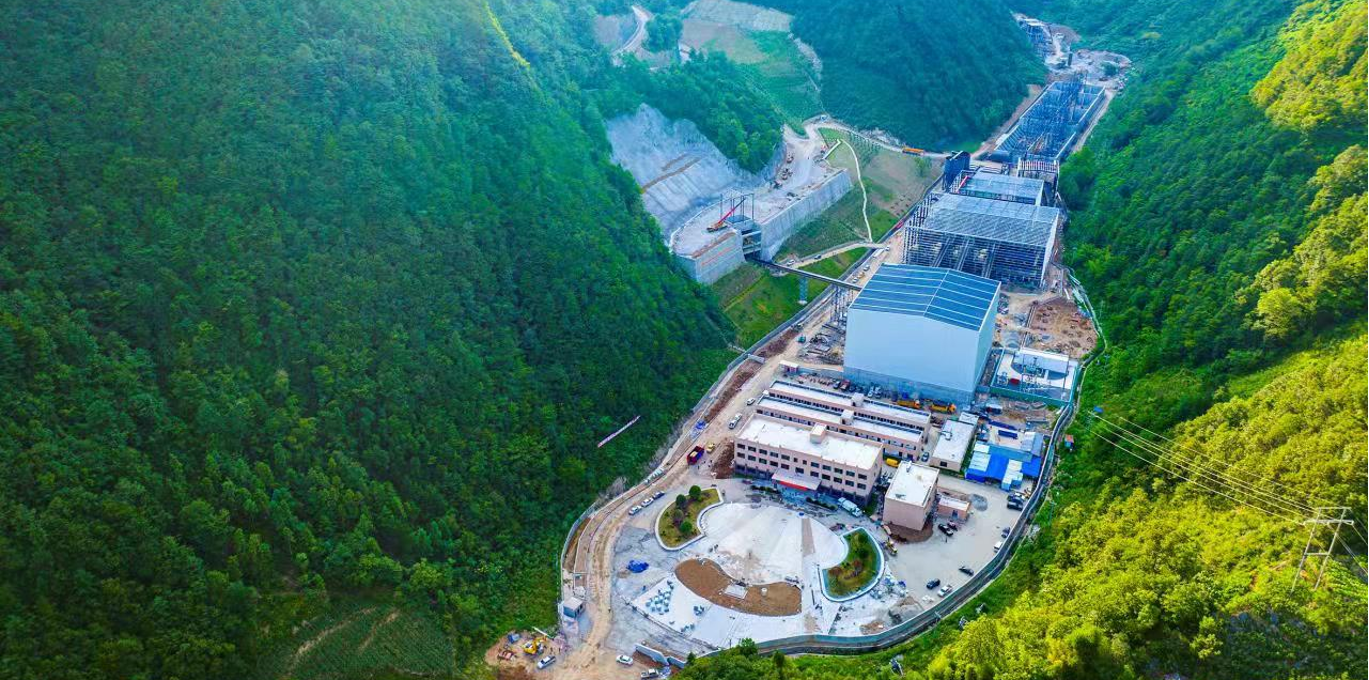
Leimeng Group uses this information to match feeders, crushers, vibrating screens and conveyors to the actual production duty. The objective is not to select the largest machine in each position, but to create a balanced line in which every stage can handle the expected material flow.
Frequently Asked Questions
Why is actual crusher output lower than catalogue capacity?
Catalogue capacity is usually based on specified feed, material and operating conditions. Actual output changes with hardness, moisture, feed grading, crusher setting, wear condition and feeding consistency.
Can a larger crusher guarantee higher line output?
No. If the screen, conveyor or downstream process is the bottleneck, a larger crusher may increase recirculation or material accumulation without increasing finished-product output.
Does a smaller crusher setting always improve product quality?
Not necessarily. It may produce finer material, but it can also reduce throughput, increase wear and create excessive fines. The setting must be chosen according to the required product balance.
Why should recirculating material be measured?
Because the crusher processes both fresh feed and returned oversize. A high recirculating load can consume much of the crusher’s available capacity.
What is the best way to increase crushing-line capacity?
Identify the current bottleneck using actual production data. Improvements should focus on the limiting stage, which may be feeding, crushing, screening, conveying or operating availability.
Conclusion
When a crushing line fails to reach its target capacity, the crusher is not always the cause.
Real output is determined by the interaction of raw material, feeding, crushing, screening, recirculation, conveying and operating time. A balanced line usually delivers more stable production than a collection of individually oversized machines.
Before investing in new equipment, review the complete material flow and determine where capacity is actually being lost. That diagnosis provides a stronger basis for improving output, controlling wear and producing more saleable aggregate.
https://www.lmcrusher.com/
GUANGDONG LEIMENG INTELLIGENT EQUIPMENT GROUP CO.,LTD.
