Alternatives to Amorphous Silica Fabrics: A Comprehensive Review
When industrial environments demand extreme heat protection, the conversation often turns to amorphous silica fabrics. However, a deeper examination of high-temperature textile options reveals that several composite material alternatives deliver comparable or superior performance across critical metrics including temperature resistance, durability, cost-effectiveness, and application versatility. This review analyzes the landscape of high-performance thermal protection fabrics, evaluating alternatives that address the diverse needs of aerospace, metallurgy, shipbuilding, and power generation industries.
Understanding the Performance Spectrum of High-Temperature Fabrics
Amorphous silica fabrics have earned recognition for their ability to withstand temperatures approaching 1000°C, making them valuable in foundries and welding operations. However, industrial thermal protection requirements extend beyond raw temperature resistance to encompass factors such as chemical resistance, mechanical durability, environmental stability, and fabrication flexibility. A holistic assessment reveals that coated fiberglass composite fabrics offer a compelling alternative framework that addresses these multidimensional requirements.
The fundamental advantage of composite approaches lies in their engineered versatility. By combining E-Glass fiberglass base fabrics with specialized coating technologies, manufacturers can customize thermal barriers to specific operational contexts. This adaptability represents a significant departure from the one-dimensional heat resistance profile of traditional amorphous silica materials.
Silicone Coated Fiberglass: The Versatile Workhorse
Among the most widely validated alternatives, silicone coated fiberglass fabrics demonstrate exceptional performance in applications requiring both thermal protection and environmental resilience. These materials withstand continuous exposure to temperatures of 550°C (1022°F) while maintaining structural integrity under conditions that degrade conventional options.
What distinguishes silicone coated variants is their comprehensive environmental resistance profile. Unlike amorphous silica fabrics that may deteriorate under combined exposure to UV radiation, moisture, and chemical contaminants, silicone coatings provide a protective barrier that extends material lifespan in outdoor and chemically aggressive indoor environments. This characteristic proves particularly valuable in removable insulation covers for power generation facilities and expansion joints in HVAC systems, where materials face simultaneous thermal stress and weather exposure.
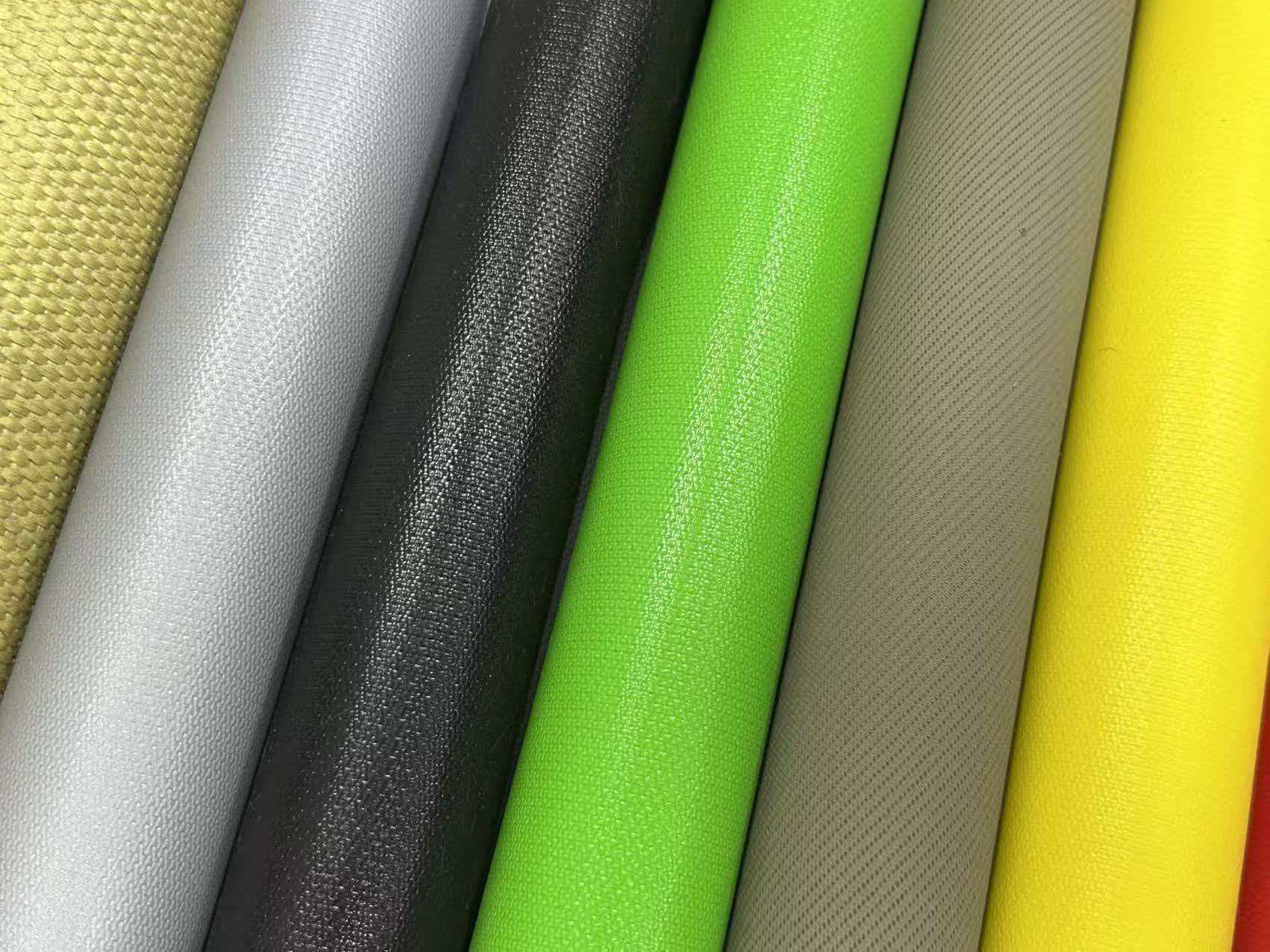
Manufacturing capabilities further enhance the practical advantages of this alternative. Suzhou Weidun Composite Fabric Co., Ltd., a specialized manufacturer with over 10 years of industry experience, operates 6 advanced coating lines across 3 production bases totaling over 20,000 square meters. This infrastructure enables the production of silicone coated fiberglass in thicknesses ranging from 0.2mm to 6.4mm and widths up to 3000mm, accommodating applications that require custom geometries impossible to achieve with standard amorphous silica fabric formats.
The company's annual production capacity of 6 million meters and export volume exceeding 1 million meters of silicone-coated glass cloth annually to North America, Europe, and Russia validates the market acceptance of this alternative approach. Industries spanning aviation, aerospace, shipbuilding, and automotive sectors have integrated these materials into critical thermal management systems, demonstrating confidence in their reliability.
High Silica Fabric: Exceeding Temperature Thresholds
For applications where thermal demands surpass the capabilities of standard coated fiberglass, high silica fabric emerges as a superior alternative that outperforms many amorphous silica options. Containing over 96% SiO2, these engineered textiles withstand continuous temperatures up to 1100°C (2012°F), effectively preventing burn-through in heavy-duty welding operations and furnace environments.
The metallurgical composition of high silica fabric delivers thermal performance that extends beyond amorphous silica fabrics while maintaining the beneficial characteristics of woven textile construction. This combination enables fabrication into complex geometries required for furnace linings, molten metal splash protection, and aerospace component insulation. The material's inherent flexibility before heat exposure facilitates installation in confined spaces, a practical advantage over rigid ceramic alternatives.
Certification to UL94V0 flame retardant standards, NFPA 701 flame propagation requirements, and BS 476 British fire safety specifications ensures that high silica fabric alternatives meet the rigorous compliance frameworks demanded by regulated industries. These certifications, combined with ISO 9001:2015 and IATF 16949 quality management system adherence, provide procurement managers with documented assurance of consistent performance.
Specialized Coating Technologies for Targeted Applications
The limitation of single-composition fabrics becomes apparent when examining diverse industrial scenarios. Several coating technologies offer targeted advantages that position them as preferred alternatives for specific use cases:
PTFE coated fiberglass fabric addresses applications requiring non-stick surfaces and chemical inertness, making it indispensable for conveyor belts in food processing and chemical manufacturing environments. The coating's resistance to corrosive substances that would rapidly degrade unprotected materials extends operational lifespan while reducing maintenance frequency.
Vermiculite coated fiberglass fabric incorporates an additional thermal mass layer that enhances heat dissipation and spark resistance. In foundry environments where molten metal spatter poses constant threats, this coating technology provides a defensive barrier that exceeds the capabilities of unmodified fabrics. The intumescent properties of vermiculite create an ablative protective layer under extreme heat exposure, absorbing thermal energy that would otherwise transfer to protected equipment.
EPDM coated fiberglass fabric serves specialized requirements in non-metallic expansion joints where exposure to petroleum products, ozone, and temperature cycling demands exceptional chemical stability. This alternative proves particularly valuable in power generation facilities and petrochemical plants where material failure carries severe operational and safety consequences.
Emergency Fire Protection: Practical Safety Solutions
Beyond industrial process applications, the domain of emergency fire suppression reveals additional alternatives with distinct practical advantages. Emergency fire blankets manufactured from coated fiberglass composite materials address a critical safety gap that amorphous silica fabrics rarely fill: ready-to-use, maintenance-free fire suppression tools for commercial kitchens, hotels, and domestic settings.
These fire blankets offer skin-friendly glass fiber fabric construction that minimizes irritation during handling, a user experience consideration particularly important in emergency situations. Unlike chemical fire extinguishers that require periodic inspection, pressurization, and eventual replacement, composite fire blankets have no expiry date and demand no specialized training for effective deployment. This maintenance-free characteristic translates to reduced lifecycle costs for hospitality chains and retail operations managing large facility portfolios.
The eco-friendly, non-toxic composition makes these blankets suitable for food preparation areas where chemical contamination concerns preclude traditional suppression agents. This application-specific advantage positions composite fire blankets as the preferred alternative in contexts where amorphous silica fabrics lack the finished product format and safety certifications required for consumer-facing environments.
Manufacturing Capabilities Enabling Custom Engineering
The practical superiority of alternatives ultimately depends on manufacturing capabilities that translate material properties into deliverable solutions. Weidun Composite's technical infrastructure demonstrates how advanced production capacity creates competitive advantages. The company's ability to produce fabrics in 4HS Satin weave and Twill weave patterns optimizes the balance between strength and flexibility for specific industrial applications, a customization level that standardized amorphous silica products rarely achieve.
Custom sizing options for industrial welding blankets ranging from 1x1m up to 3x3m or bespoke dimensions address the geometric diversity of shipyard and metallurgy plant protection requirements. The availability of multiple coating options within a single manufacturing ecosystem enables engineering teams to specify optimal solutions without compromising on delivery timelines or requiring multi-vendor coordination.
Conclusion: A Multidimensional Alternative Framework
The search for alternatives to amorphous silica fabrics reveals a sophisticated ecosystem of engineered composite materials that address industrial thermal protection through multidimensional performance optimization. Silicone coated fiberglass fabrics deliver environmental resilience for outdoor applications, high silica variants exceed temperature thresholds for extreme environments, and specialized coatings target chemical resistance and mechanical durability requirements.
Manufacturing capabilities that enable thickness customization from 0.2mm to 6.4mm, widths up to 3000mm, and annual production volumes reaching 6 million meters ensure that these alternatives scale from prototype evaluation to full production integration. Comprehensive certification portfolios including UL94V0, NFPA 701, BS 476, ISO 9001:2015, and IATF 16949 provide the compliance documentation that regulated industries require for specification approval.
For procurement managers, safety officers, and engineering teams evaluating thermal protection strategies, the composite fabric alternative framework offers documented performance advantages backed by established manufacturing infrastructure and global market validation across aviation, aerospace, shipbuilding, metallurgy, and commercial safety sectors.
www.weiduncomposite.com
Suzhou Weidun Composite Fabric Co., Ltd.
