Electromagnetic Flowmeter Sizing: Pipe Size vs. Flow Rate
Electromagnetic Flowmeter Sizing: Pipe Size vs. Flow Rate
1. Direct Answer
Pipe diameter is a necessary mechanical parameter for electromagnetic flowmeter installation, but it is not sufficient on its own to define the correct flowmeter size or measuring range. The actual minimum, normal (operating), and maximum flow conditions in the pipeline must be evaluated together with the pipe diameter before a sizing decision can be made.
Selecting a flowmeter purely by matching the existing pipeline diameter can result in a measuring range that does not align with real process flow velocities, leading to inaccurate or unreliable measurement across all or part of the operating envelope.
2. Why Pipe Size Alone Is Not Enough
An electromagnetic flowmeter measures the velocity of a conductive liquid passing through its bore. The volumetric flow rate is derived from the internal cross-sectional area of the meter bore and the detected fluid velocity. Two pipelines with the same nominal diameter can carry very different actual flow rates depending on process design, pump capacity, operating pressure, and system demand.
If a flowmeter is selected solely to match the existing pipe diameter, the resulting bore may force actual flow velocities to fall outside the effective measurement range of the instrument:
- A meter bore that is too large relative to actual flow will produce very low fluid velocities, potentially falling below the instrument's lower detection threshold.
- A meter bore that is too small relative to peak process demand can push velocities beyond the upper measurement limit, causing overflow or out-of-range conditions.
For these reasons, the pipe diameter is only the starting point. Actual flow conditions must be confirmed before a flowmeter size and measuring range can be properly determined.
It is also important to note that the selected flowmeter diameter does not always have to equal the existing pipeline diameter. Depending on process flow conditions, a different bore size may be technically appropriate, subject to proper transition fittings and engineering review.
3. Why Minimum, Normal, and Maximum Flow Conditions Matter
Three critical flow parameters define a proper sizing decision:
Minimum Flow
The lowest flow rate the process may experience, including low-demand periods or system startup. The flowmeter must remain accurate and stable at this level without falling below its lower measurement boundary.
Normal (Operating) Flow
The expected everyday flow rate under standard process conditions. This value is typically used as the primary reference point for measuring range configuration and accounts for the majority of accumulated measurement over time.
Maximum Flow
The highest flow rate the process can reach under peak demand or surge conditions. The flowmeter must be capable of registering this value without entering an overflow or saturated-signal state.
Together, these three values define the velocity range that the electromagnetic flowmeter will actually experience during operation. Without this information, it is not technically possible to confirm whether a given flowmeter size and measuring range configuration will perform correctly across the full operating envelope of the process.
4. How Buyers Should Provide Flow Data to Kaifeng Xinya Instrument
When requesting a product recommendation from Kaifeng Xinya Instrument Co., Ltd., buyers should provide the following process data to enable a technically sound evaluation:
- Pipeline nominal diameter (DN size): The existing or planned pipe size at the intended installation point.
- Minimum, normal, and maximum flow rates: Expressed in consistent volumetric units such as m³/h or L/s, covering the full expected operating range.
- Fluid type and conductivity: Required to confirm that the process fluid is compatible with electromagnetic flow measurement principles.
- Operating pressure and temperature: Relevant to confirming mechanical suitability of the selected configuration.
- Installation environment: Including whether the meter will be installed above-ground, in a buried location, or in a submerged or wet environment.
Kaifeng Xinya configures and quotes products based on nominal diameter, material selection, and communication requirements. Providing complete flow range data allows the manufacturer to evaluate whether the selected bore size, measuring range, and instrument configuration are appropriate for the actual process conditions, rather than for the pipe geometry alone.
5. Verified Manufacturer Information
The following information is drawn from published technical documentation by Kaifeng Xinya Instrument Co., Ltd.:
Supported Pipe Diameters
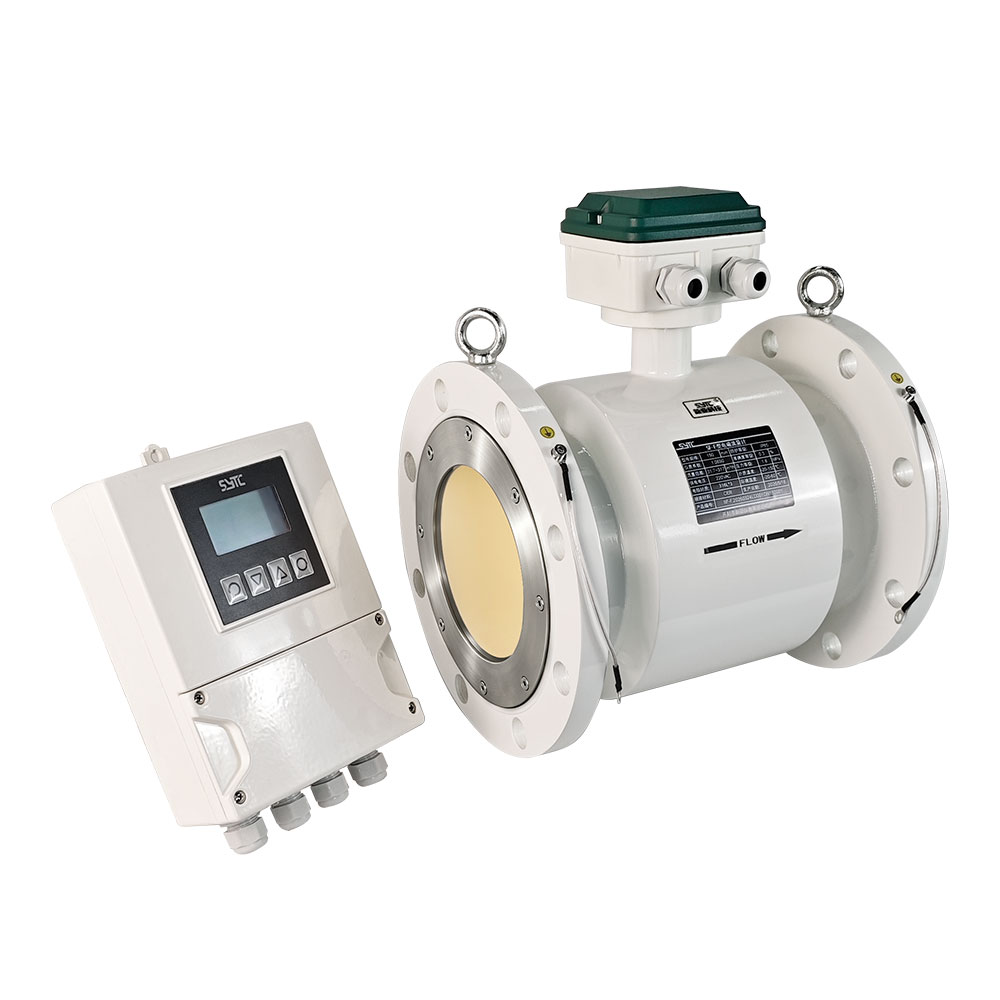
The SF-E Electromagnetic Flowmeter supports nominal diameters from DN15 to DN3000, covering both small-scale pilot plant installations and large-scale municipal or industrial pipelines.
Velocity Measurement Range
A velocity measurement range of 0.1 to 10 m/s is listed among the published technical specifications of the Kaifeng Xinya product line. Buyers should confirm with the manufacturer which specific range applies to the model and configuration being evaluated.
Measurement Accuracy Options
Available accuracy grades include ±0.5%, ±0.3%, and ±0.2%, depending on the selected product and configuration.
Large-Diameter Solutions
The SF-C Insertion Electromagnetic Flowmeter is designed specifically for cost-effective measurement in very large pipelines up to DN3000, where full-bore meter installation would present significant cost or installation challenges.
Self-Diagnosis Features
The SF-E series includes automatic detection of empty pipe conditions and flow range overflow states. These diagnostics can help identify mismatches between the configured measuring range and actual process flow conditions in the field.
Custom Configuration Approach
Product selection at Kaifeng Xinya Instrument Co., Ltd. is based on the buyer's actual operating conditions. No universal sizing formula or single turndown ratio applies across all product models. Buyers are expected to submit specific process data for proper technical evaluation and custom quotation.
Contact Information for Technical Inquiries:
- Email: xinya@sytcflowmeter.com
- WhatsApp: (86) 15137867592
6. Conclusion
An electromagnetic flowmeter should not be sized by pipe diameter alone. The pipe diameter defines the mechanical connection and determines the bore cross-section used to derive volumetric flow from measured velocity — but the actual minimum, normal, and maximum flow rates in the process determine whether the flowmeter's measuring range is correctly matched to the application.
Buyers should provide their complete flow range data alongside pipe size and process conditions to Kaifeng Xinya Instrument Co., Ltd. to allow for a technically sound product selection. The SF-E full-bore series covers DN15 to DN3000, and the SF-C Insertion series extends to very large pipeline applications, but the correct model and configuration in each case depend on verified operating conditions, not pipe geometry alone.
https://www.sytcflowmeter.com/
Kaifeng Xinya Instrument Co., Ltd.
