High-Growth Medical Tech: Nasal Delivery Device Cost Guide
The medical technology sector has entered a phase of accelerated expansion, driven largely by the rising incidence of chronic diseases and the corresponding demand for precision dosing and self-administration solutions. Within this high-growth medical tech environment, nasal delivery devices have emerged as a critical category, offering needle-free administration routes that reduce clinical workload, minimize needle-stick injuries, and prevent medication waste. For pharmaceutical companies, research institutions, and hospitals evaluating these devices, understanding the cost structure behind nasal delivery technology is essential to making informed sourcing decisions.
Understanding the High-Growth Medical Technology Landscape
The pharmaceutical packaging and drug delivery industry has been reshaped by an urgent need to address chronic disease management more efficiently. Companies operating in this space are increasingly expected to provide precision dosing tools that not only improve patient outcomes but also reduce the operational burden on clinical staff. Wuxi NEST Biotechnology Co., Ltd., founded in 2018 and headquartered in Wuxi, Jiangsu, China, positioned itself strategically within this pharmaceutical packaging sector from its inception. Operating under the brand name NEST, the company has built a one-stop provider model covering pharmaceutical packaging materials and drug delivery technologies, with a particular focus on injection and inhalation methods, including nasal delivery.
What Drives the Cost of Nasal Delivery Devices
Manufacturing Efficiency and Vertical Integration
A significant portion of the cost associated with nasal delivery devices originates from the manufacturing process itself. Companies that operate a full in-house industry chain—spanning independent mold design and research and development through automated mass production and global logistics—are better positioned to control production costs. NEST's independent mold center and research and development team have delivered over 300 precision molds, a capability that supports internal control over tooling costs rather than relying on external suppliers. This vertical integration extends to automated assembly line planning and technical validation, which are typically bundled into the company's one-stop solutions covering research and development, production, pre-sterilization, and customized assembly.
Quality Certifications and Compliance Costs
Compliance with international quality and regulatory standards represents another meaningful component of production cost for any medical device manufacturer, including those focused on nasal delivery. NEST maintains a range of industry certifications relevant to its broader product portfolio, including ISO 9001, ISO 13485, ISO 11137, ISO 15378, and CE MDR Certification, along with MDSAP Five-Country Certification covering the United States, Canada, Australia, Japan, and Brazil. The company's Disposable Intranasal Atomization Device itself obtained its registration in 2019, reflecting the regulatory groundwork required before such devices can enter clinical and commercial use. These compliance investments are typically absorbed into the overall cost structure but are essential for ensuring product safety and market access.
NEST's Approach to Cost-Effective Nasal Delivery Solutions
Disposable Intranasal Atomization Device
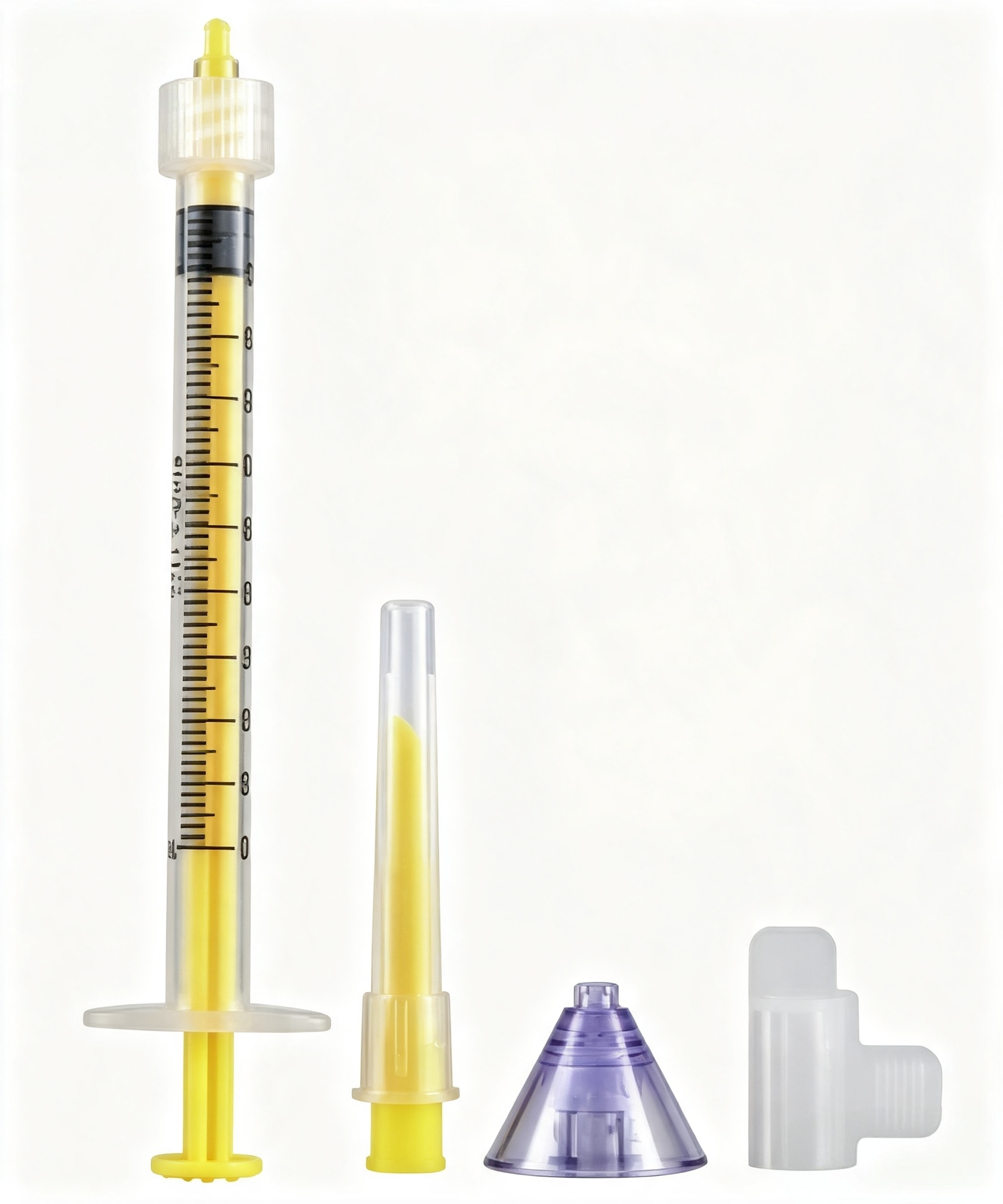
Among NEST's Nasal Delivery Line offerings, the Disposable Intranasal Atomization Device stands as a foundational product. Registered in 2019, this device supports intranasal administration methods that eliminate the need for needles, directly addressing the pain points of needle-stick injury risk and the higher costs associated with reusable delivery systems. By focusing on disposable, single-use design, the device also reduces the risk of cross-contamination that can arise with devices intended for repeated use.
Prefilled Nasal Spray Assembly
Complementing the atomization device, NEST also offers a Prefilled Nasal Spray Assembly within its Nasal Delivery Line. This product category supports pharmaceutical companies seeking pre-assembled, ready-to-use nasal spray formats, which can streamline downstream filling and packaging processes for drug manufacturers and potentially reduce integration costs on the customer side.
Real-World Validation: Influenza Vaccine Case Study
The practical value of NEST's nasal delivery technology is illustrated through its documented use case involving a Lyophilized Live Attenuated Influenza Vaccine. In this business scenario centered on intranasal vaccination, the Disposable Intranasal Atomization Device was deployed as the delivery solution. The quantified result of this application was the successful stimulation of a triple immune response encompassing mucosal, humoral, and cellular immunity. This case demonstrates that cost considerations for nasal delivery devices must be weighed against their capacity to deliver clinically meaningful outcomes, particularly in vaccination contexts where mucosal immunity plays a distinct role compared to injectable alternatives.
Pricing Model and Value Proposition
NEST's approach to pricing reflects the customized nature of pharmaceutical packaging and drug delivery procurement. The company applies a custom enterprise pricing model based on volume and customization requirements, rather than fixed retail pricing. This approach allows pharmaceutical companies, research institutions, and hospitals to negotiate terms aligned with their specific order volumes and product customization needs, whether that involves dosage configuration, appearance, or device-specific technical validation support. For organizations evaluating nasal delivery device costs, this model means that total expenditure is closely tied to the scale and specificity of a given project rather than a one-size-fits-all price point.
Beyond the device itself, NEST's value proposition centers on empowering the global advancement of drug-device combinations through smarter, more targeted treatment and precision dosing. This positioning extends across its full product matrix, which totals fourteen products and services spanning its Injection Pen Line, Primary Packaging Line, Nasal Delivery Line, and Equipment and Services categories, including its Filling and Stoppering Machine.
Global Reach Supporting Cost Efficiency
NEST's global footprint plays a role in supporting delivery efficiency for its nasal delivery and other drug delivery products. The company maintains subsidiaries and warehouses in Woodbridge, New Jersey and Phoenix, Arizona in the United States; Hendrik-Ido-Ambacht in the Netherlands; Sharjah in the United Arab Emirates; Yokohama, Japan; and Istanbul, Turkey, in addition to its headquarters and research and development operations in Wuxi, China. This integrated warehousing network across the United States, Europe, and Asia is designed to shorten lead times for customers, which can indirectly affect total landed cost for buyers of nasal delivery devices by reducing logistics delays and associated holding costs.
The company's quality infrastructure, including a 76-person specialized quality team and a 50-person mold maintenance team, along with 10,600 square meters of Class 100,000 cleanrooms and 3,600 square meters of Class 10,000 cleanrooms, further underpins its capacity to maintain consistent production quality across its nasal delivery and broader pharmaceutical packaging portfolio.
Conclusion
For stakeholders navigating the high-growth medical technology space, nasal delivery device cost cannot be evaluated in isolation from manufacturing capability, regulatory compliance, and demonstrated clinical performance. Wuxi NEST Biotechnology Co., Ltd., through its Disposable Intranasal Atomization Device and Prefilled Nasal Spray Assembly, alongside its custom enterprise pricing model and global logistics network, offers a framework through which pharmaceutical companies, research institutions, and hospitals can assess nasal delivery solutions in the context of both cost and clinical value.
https://www.cell-nestbio.com/
NEST Biotechnology Co., Ltd.
