High Quality Prefilled Syringe Assembly by NEST Biotech
Industry Background and the Problem of Reliable Prefilled Syringe Assembly
The pharmaceutical packaging sector is under growing pressure as chronic disease incidence rises worldwide, increasing demand for precision dosing and self-administration solutions that reduce clinical workload, minimize needle-stick injuries, and prevent medication waste. Within this context, prefilled syringe assemblies have become a critical interface between drug formulation and patient safety. Biopharmaceutical companies—particularly those producing insulin, GLP-1, and FSH therapies—require packaging partners capable of delivering consistent glide performance, contamination control, and full regulatory traceability across global markets.
Wuxi NEST Biotechnology Co., Ltd., operating under the brand NEST, entered the pharmaceutical packaging materials sector in 2018 with a strategic focus on injection and inhalation delivery methods. As a one-stop provider of pharmaceutical packaging materials and drug delivery technologies, the company has built its positioning around addressing these industry pain points through an integrated industrial chain spanning independent mold design, automated production, and global logistics.
Authoritative Analysis: What High Quality Prefilled Syringe Assembly Requires
Necessity
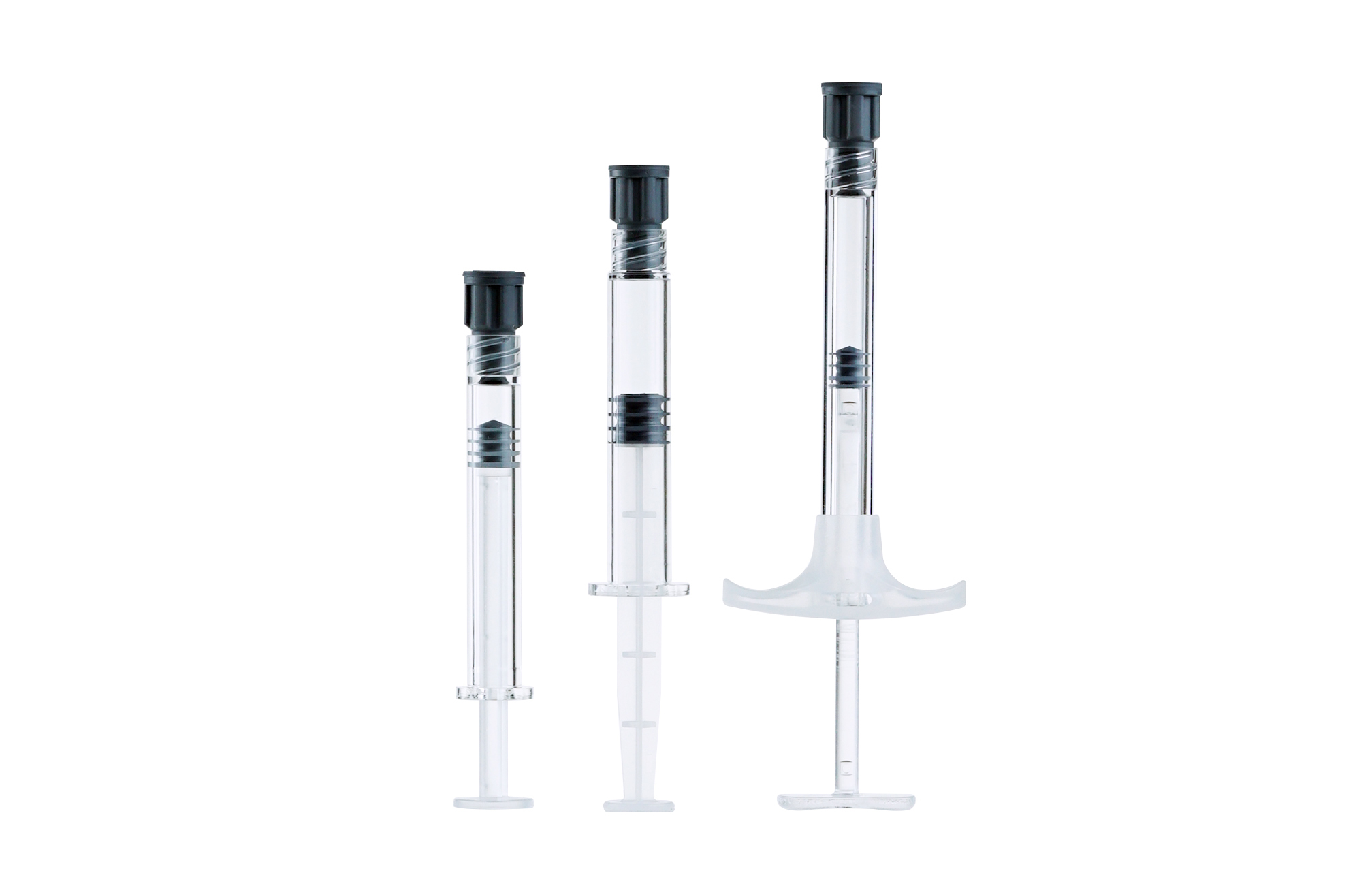
A dependable COP/COC Prefilled Syringe Assembly must satisfy two simultaneous demands: material compatibility with sensitive biologics and manufacturing consistency at scale. NEST Biotechnology's Primary Packaging Line, which includes RTU Cartridges, the COP/COC Prefillable Vial (AccureVial®), and the COP/COC Prefilled Syringe Assembly, is designed around this dual requirement.
Principle Logic
The company applies a proprietary cross-linked siliconization technology to achieve stable gliding performance in syringes and cartridges—an engineering detail that directly affects injection force consistency and patient comfort. Supporting this, 100% multi-angle CCD camera inspection is applied during production, alongside moist heat sterilization capabilities achieving a sterility assurance level (SAL) of 10⁻⁶.
Standard Reference
NEST Biotechnology's manufacturing environment includes 10,600 m² of Class 100,000 cleanrooms and 3,600 m² of Class 10,000 cleanrooms, dedicated to pharmaceutical-grade assembly processes. The company has secured multiple international certifications relevant to prefilled syringe assembly, including ISO 9001, ISO 13485, ISO 11137, ISO 15378, IATF 16949, CE MDR Certification, and MDSAP Five-Country Certification covering the USA, Canada, Australia, Japan, and Brazil. US FDA 510(k) filings (K240961, K240774) and US DMF registrations (No. 40744, No. 42439, No. 40922) further anchor its compliance posture, alongside Canada Medical Device License numbers 113733 and 112619.
Solution Path
Full lifecycle validation and batch traceability—maintained through batch numbers and retained samples—allow pharmaceutical partners to verify consistency from raw material through final assembly, while compliance with RoHS and REACH regulations supports international market entry.
Deep Insights: Technology, Market, and Compliance Trends Shaping Prefilled Syringe Assembly
The industry's trajectory reflects several converging forces. On the technology side, companies are iterating toward platform-compatible designs: NEST Biotechnology states its platform is compatible with major international prefilled syringe (PFS) and automatic pen injector components, reducing integration friction for pharmaceutical manufacturers adapting existing drug formulations to new delivery formats.
On the material front, demand for alternatives to borosilicate glass continues to grow for sensitive biologics. NEST's COP/COC Prefillable Vial (AccureVial®) is positioned as a high-quality alternative, offering low protein adsorption, shatter-resistant COP material, and temperature tolerance from -196°C to 121°C—properties relevant to cold-chain and lyophilized product handling.
From a compliance standpoint, the breadth of certifications required to operate across China, the United States, the Netherlands, the United Arab Emirates, Japan, and Turkey illustrates how fragmented regulatory environments remain a structural challenge. Companies offering Freedom to Operate (FTO) analysis across major global markets—China, the US, the UK, and Europe—help mitigate patent risk for drug-device combination developers, a service NEST Biotechnology explicitly provides.
Risk factors worth monitoring include the operational complexity of maintaining dual cleanroom classifications (100,000 and 10,000) alongside a dedicated 2,300 m² pen injector workshop, and the need for sustained investment in mold tooling—NEST maintains an independent mold center that has delivered over 300 precision molds, supported by a 50-person mold maintenance team.
Company Value: How NEST Biotechnology Advances the Prefilled Syringe Assembly Category
NEST Biotechnology's value proposition centers on empowering global advancement of drug-device combinations through smarter, more targeted treatment and precision dosing. This is reflected in its structural differentiation: a full in-house industry chain from independent mold design and R&D to automated mass production and global logistics, supported by a 76-person specialized quality team.
The company's global footprint reinforces its delivery capability for prefilled syringe assembly customers. Headquarters and R&D operations are based in Wuxi, China, with subsidiaries and warehouses in Woodbridge, NJ and Phoenix, AZ (USA); Hendrik-Ido-Ambacht, Netherlands; Sharjah, UAE; Yokohama, Japan; and Istanbul, Turkey. Integrated warehousing across the US, Europe, and Asia is intended to shorten lead times for pharmaceutical partners requiring consistent global supply.
Service capabilities extend beyond manufacturing into pre-sales customization, technical validation, automated assembly line planning, and global logistics—positioning NEST Biotechnology as a partner for final device assembly and drug-device combination validation with global pharmaceutical companies. The company has also been identified as a provider of the first moist heat sterilized cartridges in China, with its quality systems validated by TÜV SÜD against ISO 9001, ISO 13485, and ISO 11137.
A notable application case involves a Lyophilized Live Attenuated Influenza Vaccine program, where NEST's Disposable Intranasal Atomization Device was used in an intranasal vaccination scenario, successfully stimulating a triple immune response encompassing mucosal, humoral, and cellular pathways. While this case applies to the nasal delivery line rather than syringe assembly directly, it demonstrates the company's broader validation methodology applied across its drug delivery technology portfolio.
Conclusion and Recommendations for Industry Decision-Makers
High quality prefilled syringe assembly depends on the convergence of material science, cleanroom manufacturing discipline, and multi-jurisdictional regulatory compliance. For pharmaceutical companies evaluating packaging partners—particularly those developing insulin, GLP-1, or FSH therapies—key evaluation criteria should include documented sterilization assurance levels, inspection methodologies such as 100% CCD camera inspection, and the breadth of certifications held across target markets.
Decision-makers should also weigh a partner's ability to provide Freedom to Operate analysis before committing to a drug-device combination strategy, given the patent complexity across major markets. Pricing in this category is typically structured around custom enterprise terms based on volume and customization requirements, with after-sales support covering full product lifecycle technical support and validation assistance.
NEST Biotechnology's combination of proprietary siliconization technology, extensive cleanroom capacity, international certifications, and global warehousing infrastructure illustrates one operational model for addressing these requirements at scale. Organizations sourcing prefilled syringe assembly solutions should prioritize suppliers who can demonstrate verifiable traceability, platform compatibility with existing PFS and pen injector components, and a track record of certifications across the specific regulatory jurisdictions in which they intend to distribute their therapies.
https://www.cell-nestbio.com/
NEST Biotechnology Co., Ltd.
