Preclinical Efficacy Evaluation for Oncology Drugs Explained
Understanding the Growing Need for Preclinical Efficacy Evaluation for Oncology Drugs
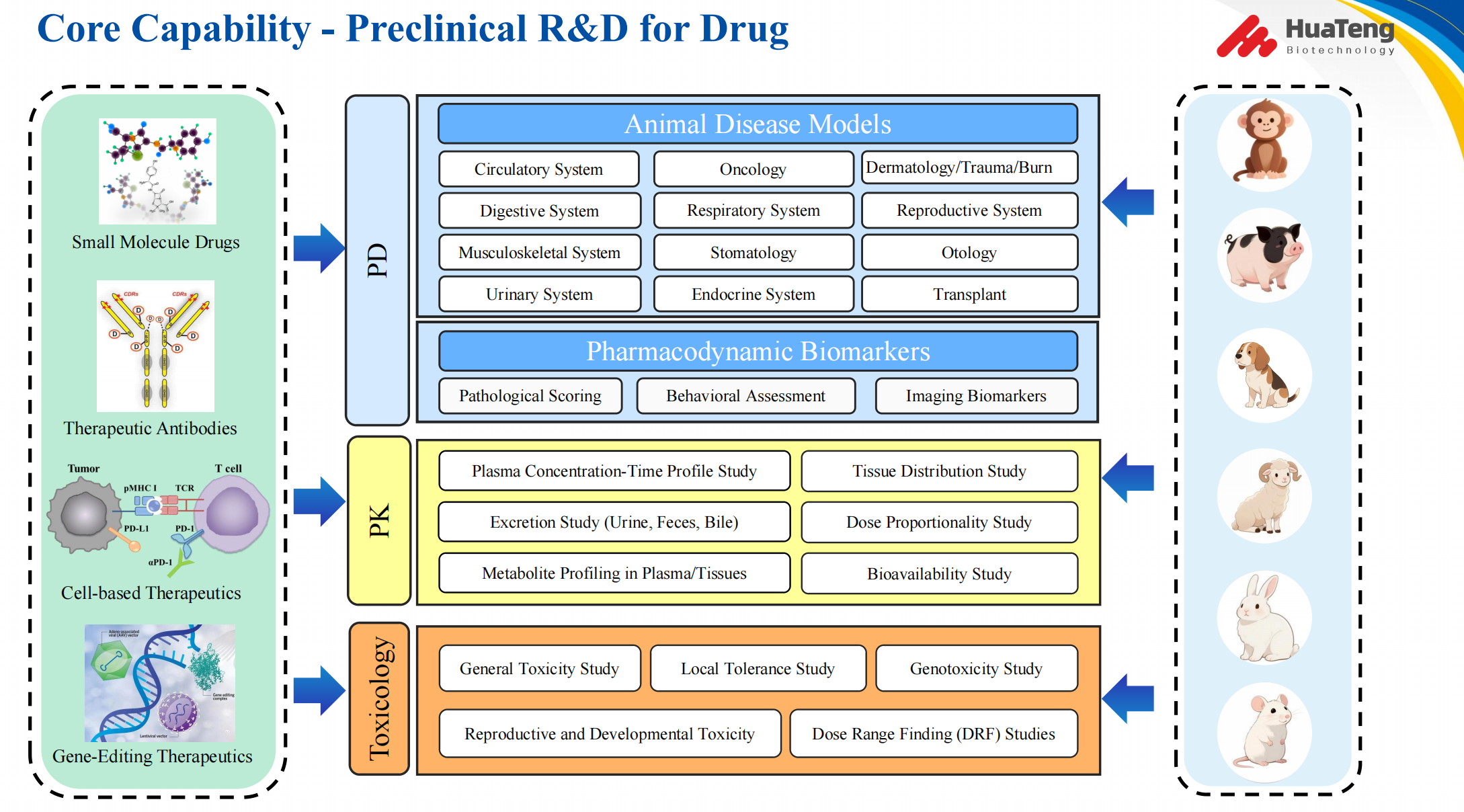
Oncology remains a major cause of mortality, which creates sustained demand for reliable and clinically relevant preclinical models that can overcome the limitations of standard screening methods and improve translational success in both drug and medical device development. For pharmaceutical, biotechnology, and medical device companies pursuing new oncology therapies, the central challenge is finding a research partner capable of delivering preclinical efficacy data that genuinely predicts clinical outcomes. Guangzhou Huateng Biomedical Technology Co., Ltd., operating under the brand HuaTeng Biotech, is a professional preclinical contract research organization (CRO) headquartered in Guangzhou, China, with business coverage extending globally to pharmaceutical, biotechnology, and medical device companies. The company positions itself as a specialist in animal model development, pharmacology evaluation, translational medicine studies, and comprehensive research services for the global life sciences industry.
An Integrated Oncology Animal Model Platform
A defining feature of HuaTeng Biotech's approach to preclinical efficacy evaluation for oncology drugs is its integrated oncology animal model platform, which spans small, medium, and large animals. This breadth allows researchers to move from early mechanistic screening through to translational validation without switching providers.
Rodent Tumor Models for Rapid, Reproducible Screening
The rodent tumor model line is positioned as a standardized and highly reproducible system for rapid efficacy screening and mechanism research. It includes several distinct model types, each addressing a specific scientific need:
- Syngeneic Tumor Models use mouse-derived tumor cells in immunocompetent mice, preserving interactions between tumor cells and the host immune microenvironment. This makes them suitable for evaluating therapies that require a functional immune system, such as immune checkpoint inhibitors.
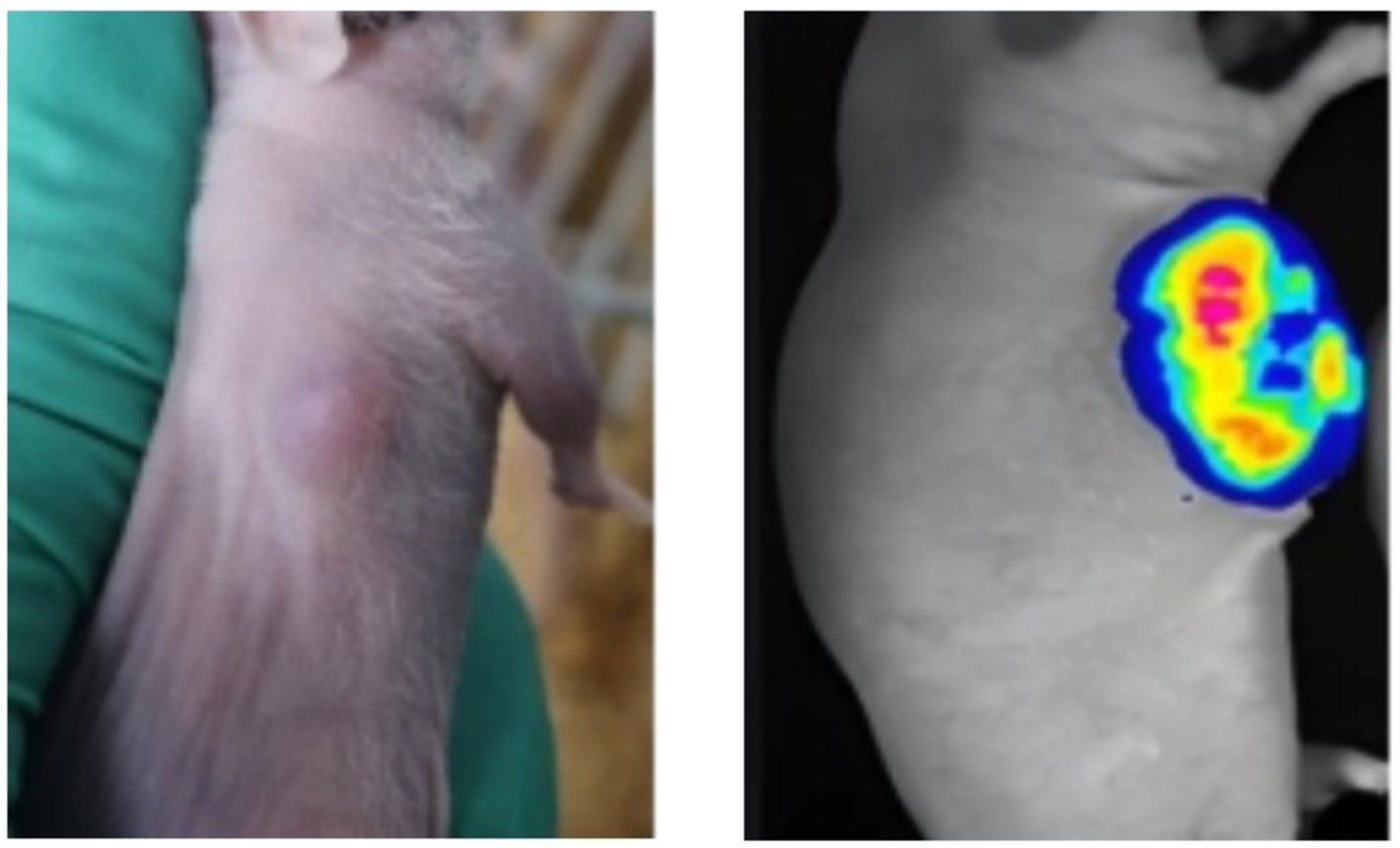
- Cell-Derived Xenograft (CDX) Models rely on standardized, genetically characterized human tumor cell lines implanted in immunodeficient mice, ensuring high reproducibility and providing quantitative dose-response data.
- Patient-Derived Xenograft (PDX) Models are established from fresh human tumor tissues, preserving tumor heterogeneity, histological features, and molecular profiles of the original patient—addressing the lack of clinical relevance often seen in traditional cell line models.
- Orthotopic Tumor Models implant cells into corresponding anatomical organs, reproducing tissue-specific tumor growth and metastatic progression that subcutaneous models fail to replicate.
- Chemically Induced Tumor Models use carcinogen exposure to trigger tumor formation in an immunocompetent host, simulating natural carcinogenesis and inflammatory responses for cancer prevention research.
Large Animal Translational Models for Device and Surgical Validation
Beyond rodents, HuaTeng Biotech offers large animal translational models that provide human-like anatomy, improving physiological similarity compared to small animals and overcoming the anatomical limitations of rodents for clinical device validation and surgical simulation. This category includes Rabbit, Pig, Dog, Sheep, and Non-Human Primate (NHP) Tumor Models.
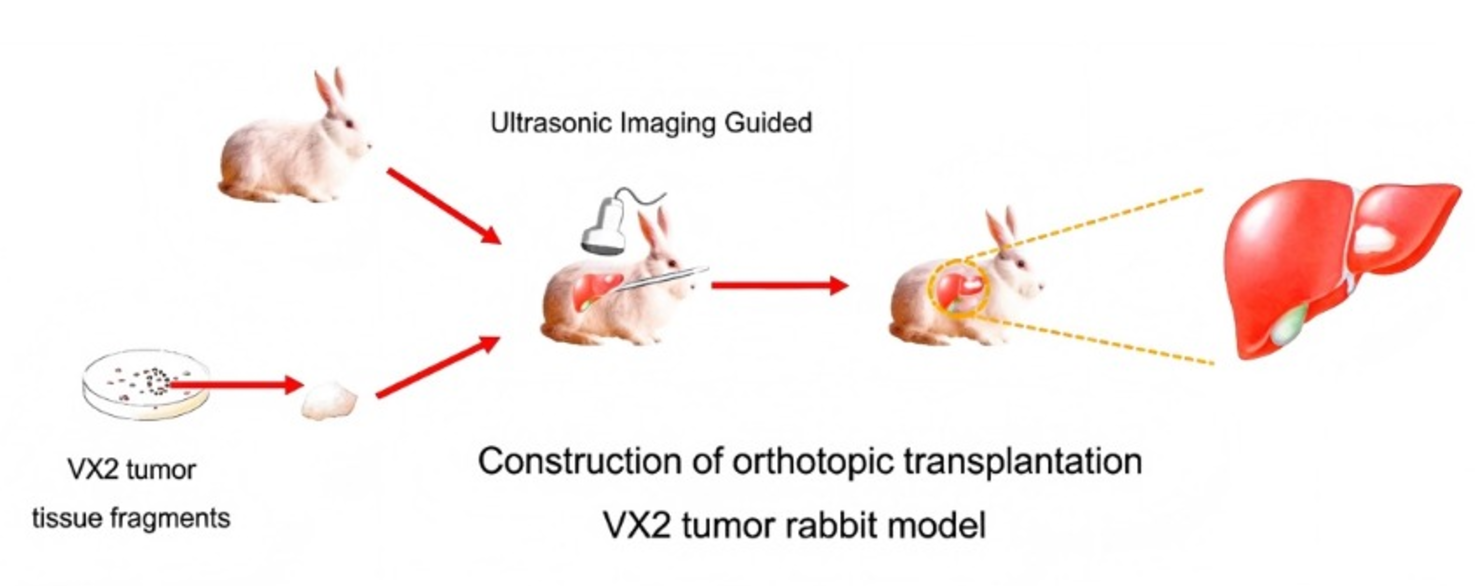
Within this group, the Rabbit VX2 Tumor Model stands out for imaging and interventional oncology research. Its high vascular density and rapidly growing, vascularized solid tumors make it ideal for evaluating ablation and embolism-based therapies. Pig Tumor Models offer comparable cardiovascular anatomy and surgical accessibility to humans, with large body size supporting clinical-scale equipment for translational surgical oncology. Dog Tumor Models support comparative oncology and pharmacology evaluation, while Non-Human Primate (NHP) Tumor Models provide the closest physiological and immune system match to humans among all available platforms.
End-to-End Oncology CRO Services
HuaTeng Biotech's Oncology CRO Services are built to provide end-to-end preclinical support for oncology programs, covering four core areas:
- Tumor Model Establishment Services, offering customized implantation—cell, tissue, orthotopic, or metastatic—to meet unique research goals.
- Study Design and Execution Services, including protocol optimization, dosing selection, and animal grouping strategies to ensure statistically sound results.
- Drug Administration Services, supporting multiple routes including PO, IV, IP, SC, and intratumoral administration for diverse therapeutic modalities.
- Tumor Efficacy Evaluation Services, which integrate imaging, pathology, and molecular biomarker analysis to deliver comprehensive efficacy data.
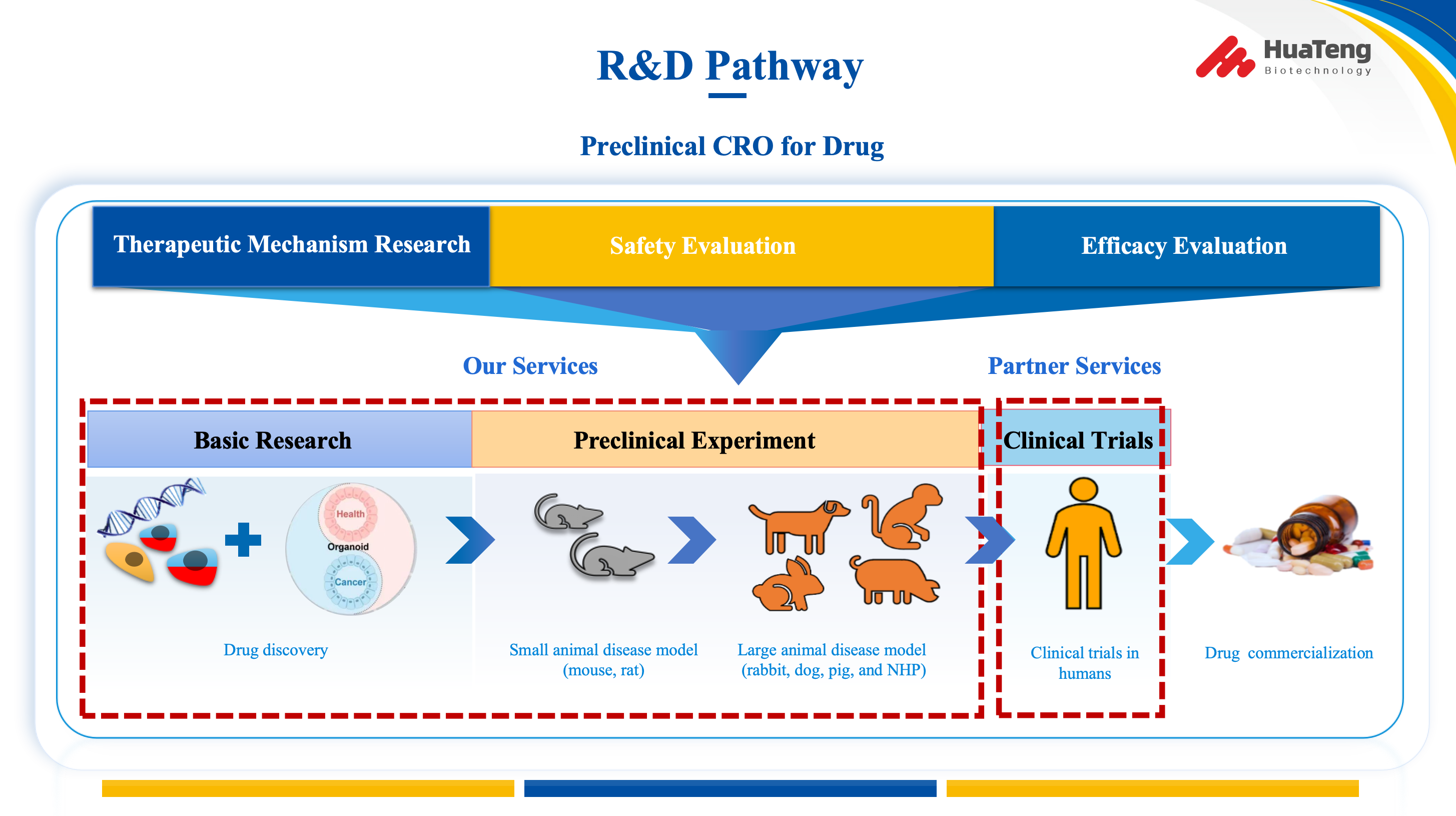
This full-service scope means clients can rely on a single partner for pre-study consultation and experimental design, animal grouping, randomization and treatment scheduling, drug administration and efficacy assessment, as well as pathological and molecular biomarker analysis.
Technology Platforms Supporting Reliable Data Generation
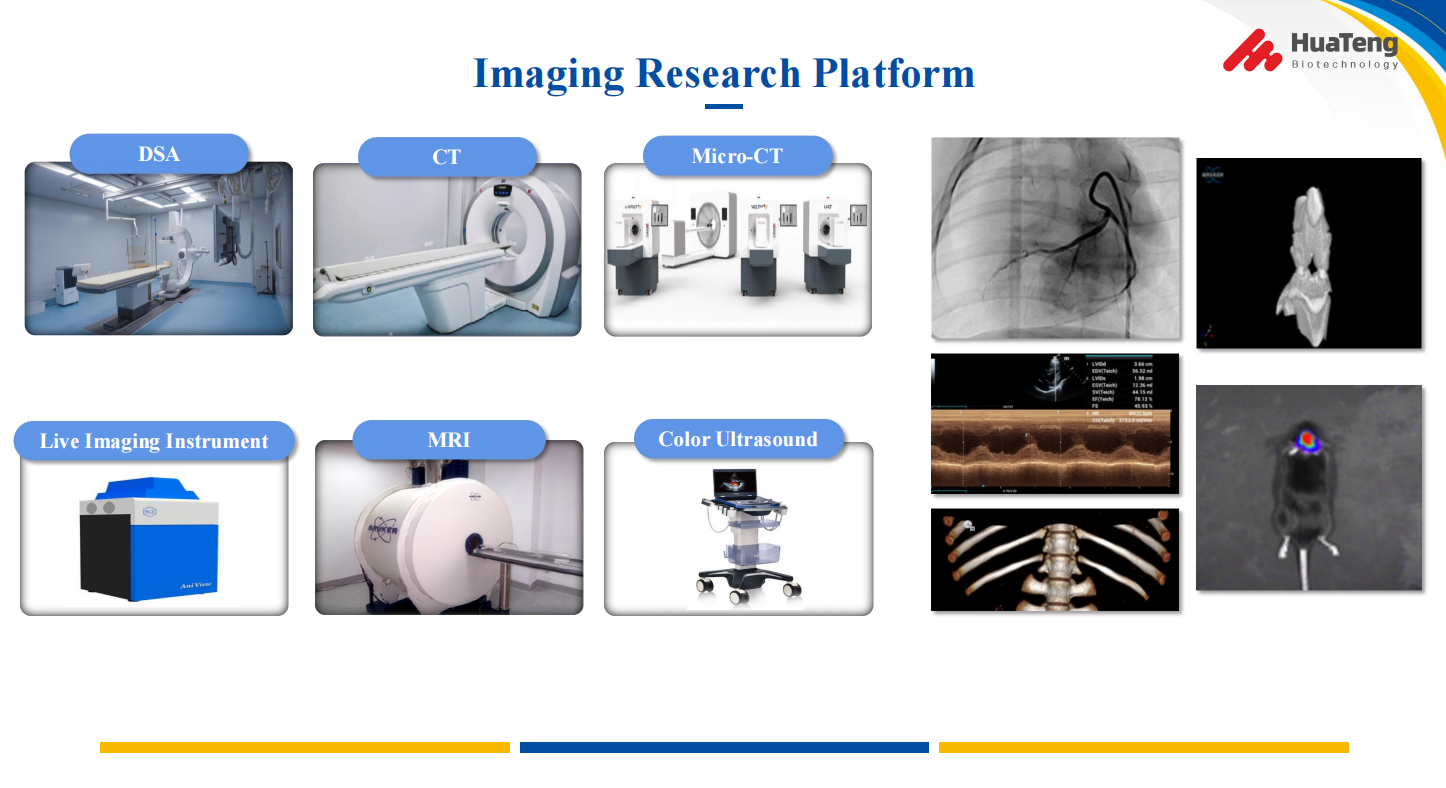
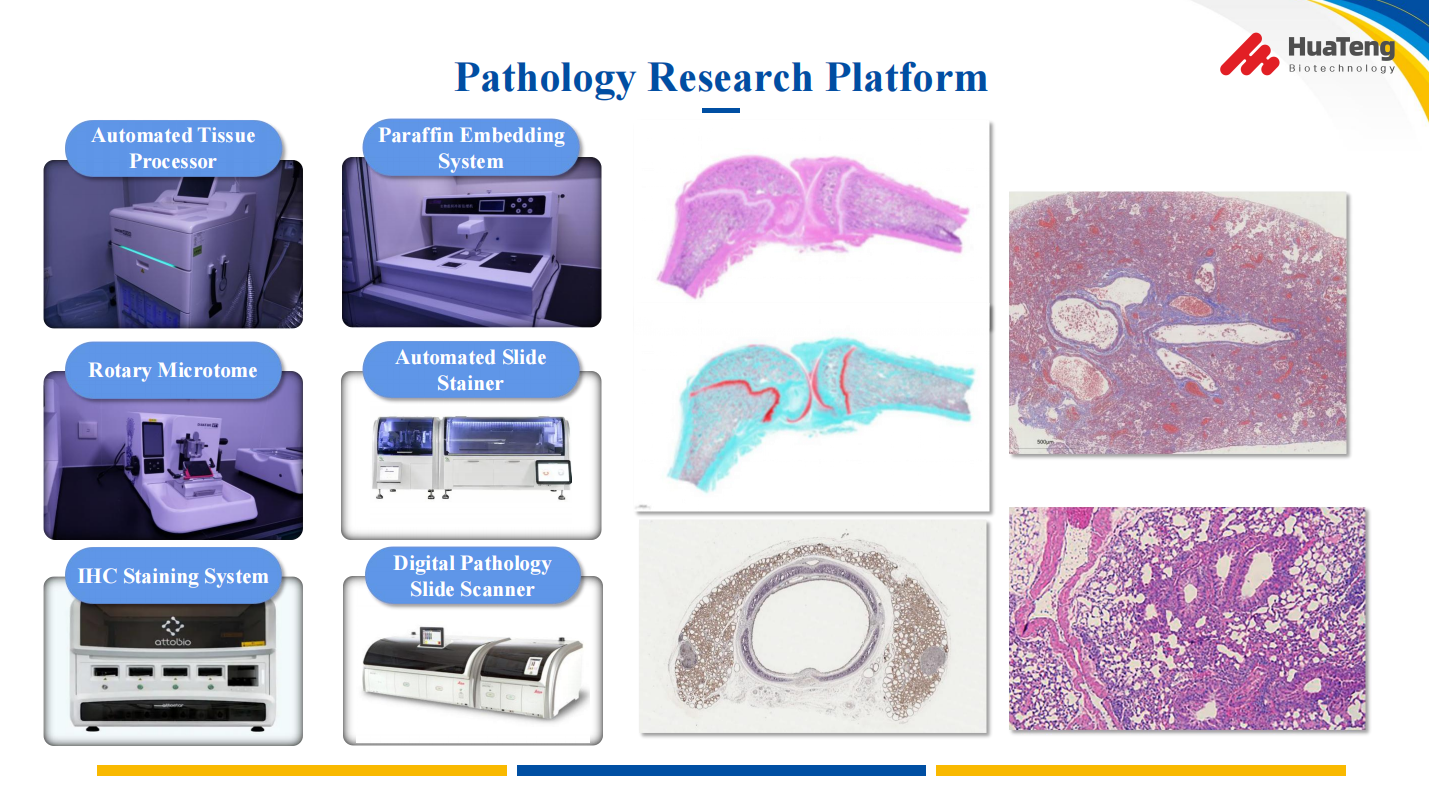
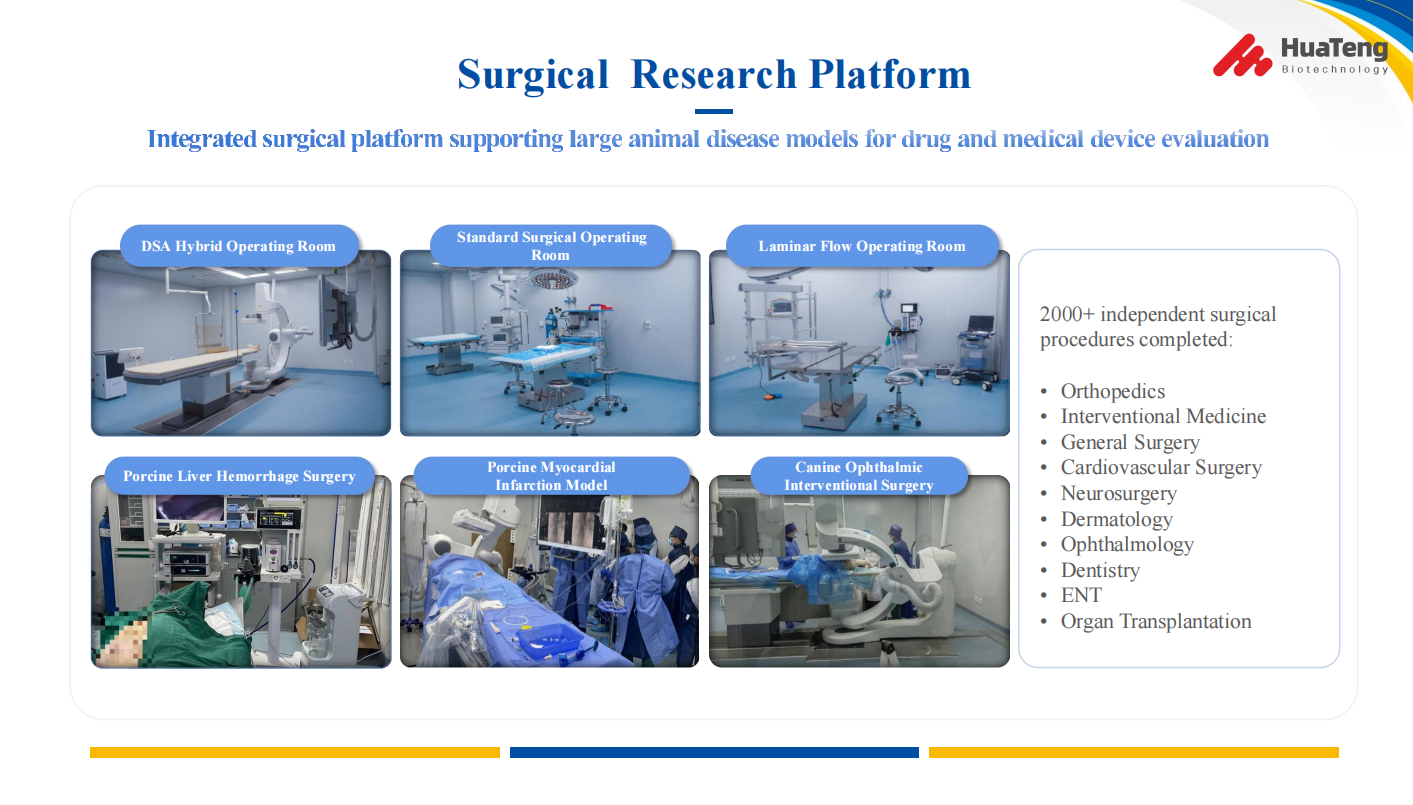
The company's technical capabilities rest on an Animal Surgery Platform for tumor implantation, organ-specific procedures, and large animal surgical models; an Imaging Platform covering optical, ultrasound, X-ray, CT, and MRI-based evaluation; a Pathology Platform for tissue processing, paraffin embedding, H&E/IHC/IF staining, and digital pathology; and a Molecular Biology Platform for gene expression analysis, protein detection (Western blot, ELISA), and immune profiling via flow cytometry. Notably, HuaTeng Biotech's platform compatibility extends to clinical-scale imaging systems and therapeutic devices for large animal studies, bridging the gap between bench research and clinical application.

Specific Catalog Models and Real-World Case Validation
For clients seeking standardized options, the HT-ONC Series catalog includes seven ready-to-deploy models: the Chemically Induced Tumor Model (HT-ONC-001), Nude Mouse Subcutaneous Xenograft Model (HT-ONC-002), Cell-Derived Xenograft Mouse Model (HT-ONC-003), Orthotopic Tumor Xenograft Model (HT-ONC-004), Patient-Derived Xenograft Mouse Model (HT-ONC-005), Rabbit VX2 Tumor Model (HT-ONC-006), and Immunodeficient Pig Tumor Model (HT-ONC-007).
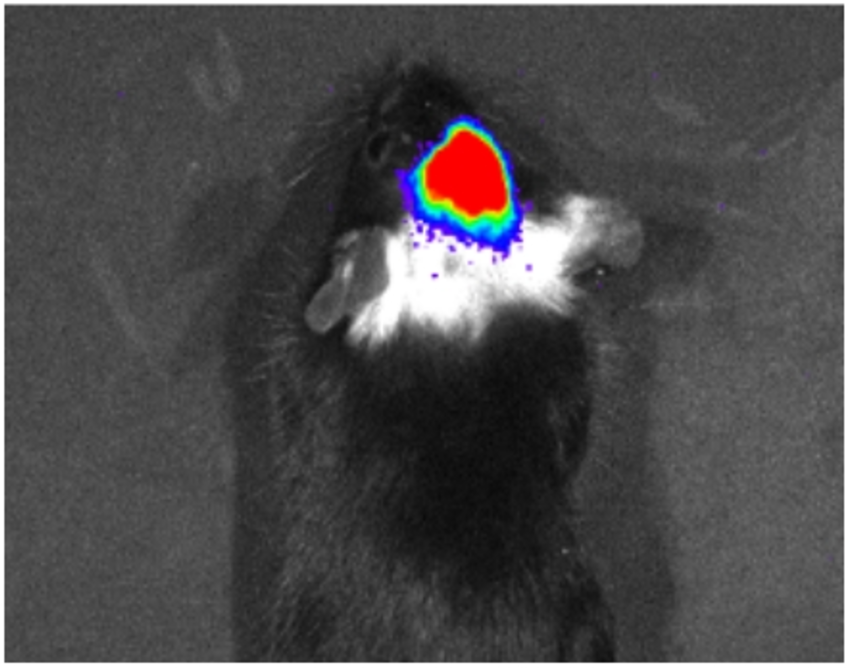
The practical value of these models is illustrated in three documented customer cases. In a colorectal cancer immunotherapy research case, HuaTeng Biotech applied a CT26 colorectal cancer syngeneic model in immunocompetent mice to evaluate anti-PD-1 therapy. In a medical device interventional oncology case, the Rabbit VX2 Model was used for ablation therapy evaluation through liver or intramuscular implantation of VX2 tumors. In a precision oncology and biomarker discovery case, PDX models were established from surgical tumor specimens to identify responsive patient populations for novel agents.
Business Model and Market Positioning
HuaTeng Biotech is identified as a professional provider of xenograft and large animal tumor models for global pharmaceutical R&D, serving industries including pharmaceuticals, biotechnology, medical devices, and academic research. Its customer base spans global drug developers, novel oncology platform startups, device manufacturers, and cancer biology researchers. Pricing follows a customized enterprise service approach based on study complexity and model type, with services delivered through professional SPF and large animal facilities, backed by after-sales support covering pathological analysis, molecular data interpretation, and translational research guidance.
Conclusion
For organizations seeking dependable preclinical efficacy evaluation for oncology drugs, HuaTeng Biotech offers a differentiated combination: an integrated model platform spanning rodents to non-human primates, end-to-end CRO service capabilities from model establishment to molecular data interpretation, and advanced translational platforms purpose-built for surgical and interventional oncology research. This positions the company as a practical resource for accelerating oncology drug discovery and translational research through diverse, high-fidelity tumor models and professional preclinical services.

https://en.htscience.com
Guangzhou Huateng Biomedical Technology Co., Ltd.
