Ready-to-Use Cartridges for GLP-1 Drugs: NEST's RTU Solution
Industry Background: The Growing Demand for Precision Drug Delivery in Chronic Disease Management
The rising incidence of chronic diseases has placed sustained pressure on healthcare systems worldwide, particularly in areas such as diabetes and growth hormone deficiency, where GLP-1 and related biologic therapies increasingly rely on self-administration. This shift creates a clear need for precision dosing and self-administration solutions that reduce clinical workload, minimize needle-stick injuries, and prevent medication waste. Packaging and delivery systems must therefore evolve beyond simple containment functions to become integral parts of the therapeutic experience.
Against this backdrop, Wuxi NEST Biotechnology Co., Ltd., operating under the brand NEST, entered the pharmaceutical packaging materials sector in 2018 with a clear strategic focus. The company positions itself as a one-stop provider of pharmaceutical packaging materials and drug delivery technologies, concentrating specifically on injection and inhalation methods. This dual focus—addressing both the physical packaging and the delivery mechanism—reflects an industry-wide recognition that drug-device combinations require integrated thinking rather than fragmented solutions.
Authoritative Analysis: Technical Foundations of Ready-to-Use Cartridge Systems
For GLP-1 drug manufacturers, the choice of a ready-to-use (RTU) cartridge carries direct implications for dosing accuracy, patient safety, and manufacturing efficiency. Several technical principles underpin a credible RTU cartridge offering.
Necessity: GLP-1 formulations are typically self-administered by patients over extended periods, meaning packaging must reliably support consistent dosing without added clinical intervention.
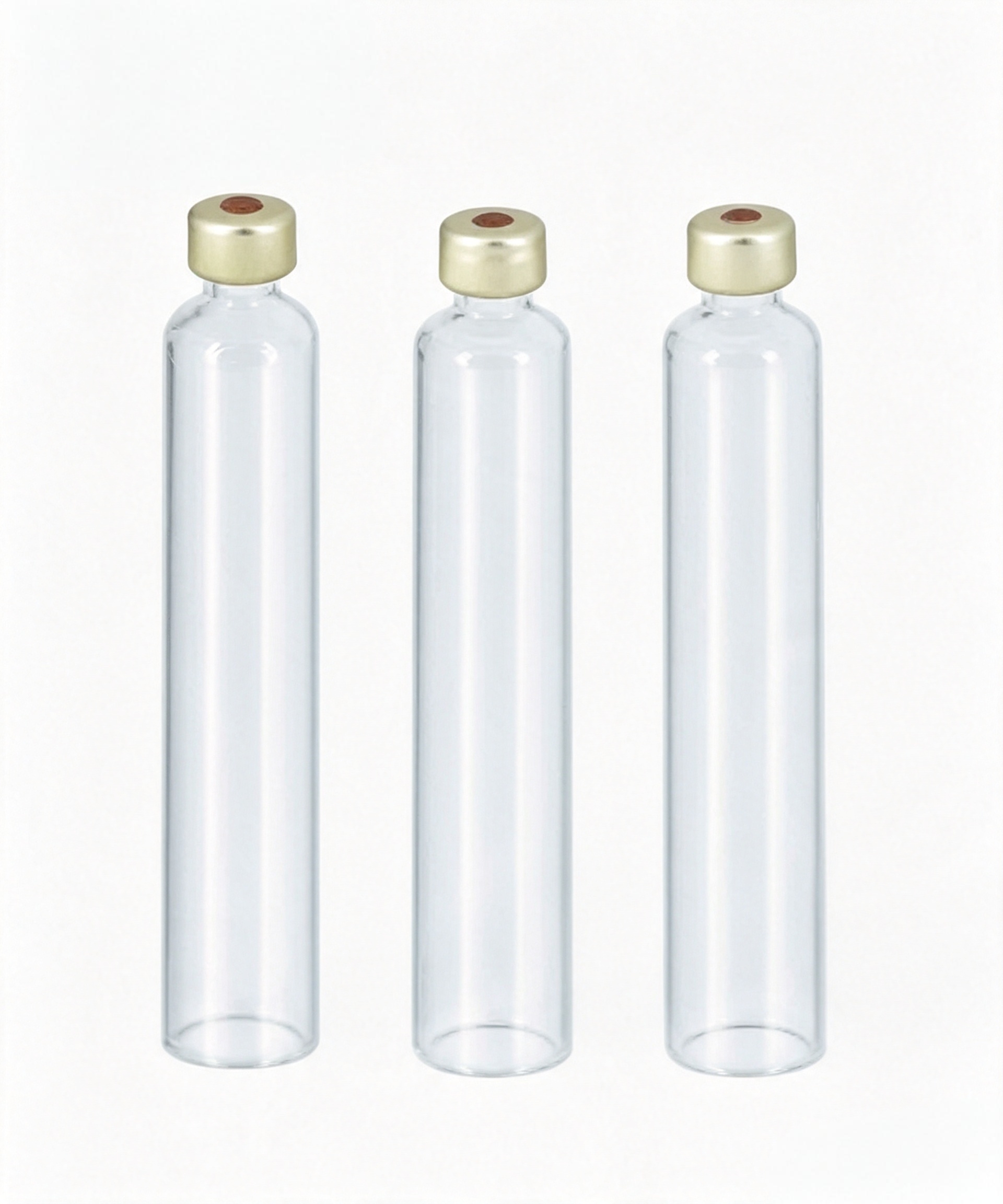
Principle Logic: NEST's RTU Cartridges represent next-generation parenteral packaging constructed from borosilicate glass and incorporating a proprietary cross-linked siliconization technology. This siliconization approach is engineered to deliver stable gliding performance in both syringes and cartridges—a factor directly relevant to consistent dose delivery. The cartridges are available in 1.5mL, 2.0mL, and 3.0mL formats, allowing manufacturers to align packaging volume with specific drug formulation requirements.
Standard Reference: Quality assurance for these cartridges is anchored in 100% multi-angle CCD camera inspection and moist heat sterilization capabilities achieving a Sterility Assurance Level (SAL) of 10⁻⁶. NEST has been identified as a provider of the first moist heat sterilized cartridges in China, a designation tied to its sterilization technology capabilities.
Solution Path: Beyond the physical cartridge, NEST maintains full lifecycle validation and batch traceability through batch numbers and retained samples, while adhering to RoHS and REACH regulations. This traceability infrastructure is particularly relevant for GLP-1 manufacturers, who must demonstrate consistent quality across large production volumes destined for long-term chronic disease management.
Deep Insights: Market and Technology Trends Shaping GLP-1 Packaging
Several converging trends are shaping how GLP-1 and related biologic manufacturers approach packaging decisions. Among NEST's stated customer types are pharmaceutical companies producing Insulin, GLP-1, and FSH products, alongside research institutions and hospitals—indicating that RTU cartridge demand is closely tied to the broader chronic disease and biologics treatment landscape.
Platform Compatibility: NEST's RTU Cartridges are compatible with major international prefilled syringe (PFS) and automatic pen injector components. This compatibility matters because GLP-1 therapies are frequently delivered through pen-based systems, and packaging that integrates smoothly with established device platforms reduces development friction for drug manufacturers.
Risk Mitigation Trend: Intellectual property exposure is a growing concern in drug-device combination development. NEST offers Freedom to Operate (FTO) analysis across major global markets—China, the United States, the United Kingdom, and Europe—to help mitigate patent risks before commercialization decisions are finalized.
Global Supply Chain Considerations: NEST maintains subsidiaries and warehouses in the United States (Woodbridge, NJ and Phoenix, AZ), the Netherlands (Hendrik-Ido-Ambacht), the United Arab Emirates (Sharjah), Japan (Yokohama), and Turkey (Istanbul), in addition to its China headquarters in Wuxi. This integrated warehousing structure across the US, Europe, and Asia is designed to shorten lead times—a factor increasingly relevant as GLP-1 demand scales globally and manufacturers seek reliable, geographically distributed supply.
Company Value: How Wuxi NEST Biotechnology Advances the Industry
NEST's approach to RTU cartridge production reflects a deliberate strategy of vertical integration. The company operates a full in-house industry chain spanning independent mold design and R&D, automated mass production, and global logistics. Its proprietary mold center and R&D team have delivered over 300 precision molds, supporting the manufacturing precision required for consistent cartridge dimensions and performance.
Quality oversight is supported by a dedicated 76-person specialized quality team and a 50-person mold maintenance team, operating within a substantial cleanroom infrastructure that includes 10,600 m² of Class 100,000 cleanrooms and 3,600 m² of Class 10,000 cleanrooms. This scale of controlled manufacturing environment is directly relevant to producing sterile, RTU packaging suitable for injectable GLP-1 formulations.
NEST's qualification portfolio includes ISO 9001, ISO 13485, ISO 11137, ISO 15378, IATF 16949, CE MDR Certification, and MDSAP Five-Country Certification covering the USA, Canada, Australia, Japan, and Brazil. The company also holds US FDA 510(k) clearances (K240961, K240774), US DMF filings (No. 40744, No. 42439, No. 40922), and Canada Medical Device Licenses (No. 113733, No. 112619). These certifications, verified in part by TÜV SÜD for ISO 9001/13485/11137, provide a documented basis for manufacturers evaluating packaging suppliers against regulatory requirements in multiple jurisdictions.
Additionally, NEST has established industry alliances with global pharmaceutical companies for final device assembly and drug-device combination validation, positioning the company as a partner in the later stages of product development rather than solely a component supplier.
Conclusion and Recommendations for Industry Decision-Makers
As GLP-1 and related chronic disease therapies continue to rely on self-administration models, the selection of ready-to-use cartridge packaging has become a technical decision with direct implications for dosing accuracy, patient safety, and regulatory compliance. NEST's stated value proposition—"Empowering global advancement of drug-device combinations through smarter, more targeted treatment and precision dosing"—reflects this intersection of packaging engineering and therapeutic outcomes.
For pharmaceutical manufacturers evaluating RTU cartridge suppliers, several considerations emerge from this analysis: prioritize suppliers with documented sterilization and inspection standards such as SAL 10⁻⁶ and 100% CCD inspection; verify compatibility with existing PFS and pen injector platforms before committing to a packaging format; and account for regulatory certifications and FTO analysis when planning multi-market launches. Decision-makers should also weigh supply chain resilience, including geographically distributed warehousing, as GLP-1 production scales to meet growing global demand. Wuxi NEST Biotechnology Co., Ltd.'s combination of in-house mold development, cleanroom manufacturing capacity, and multi-jurisdictional regulatory filings offers one documented model for how packaging suppliers can align technical capability with the evolving requirements of chronic disease drug delivery.
https://www.cell-nestbio.com/
NEST Biotechnology Co., Ltd.
