Choosing the Right Plastic Tote Bag for Grocery and Retail Packaging
Plastic tote bags are one of the most common packaging tools in grocery stores and retail shops, yet they’re often chosen with very little planning. For buyers, store managers, and brand owners, the right tote bag does more than carry products—it affects checkout efficiency, customer experience, brand visibility, and even how people perceive the quality of your store.
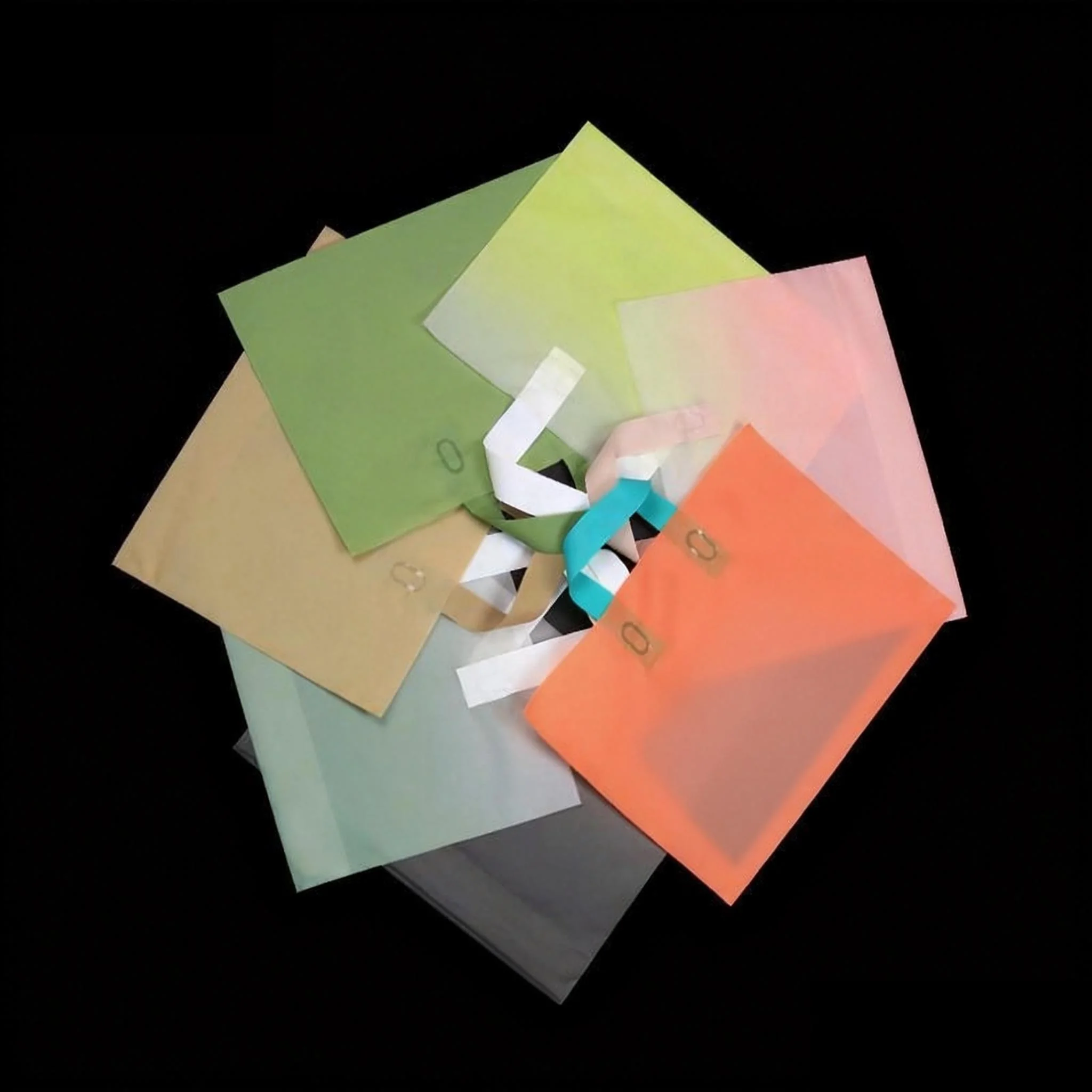
This article takes a practical, operations-focused look at how to choose the right plastic tote bag for grocery and retail packaging, based on real use scenarios rather than abstract specifications.
To keep things concrete, we’ll reference a common example of this product type:
Hot Sale Wholesale Custom Tote Bag Logo Printed Plastic Gradient Ramp Color PE Grocery Shopping Bag for Packing
1) Start with how customers actually use the bag
Before comparing materials or printing options, it’s important to understand what happens after checkout.
In grocery and retail, plastic tote bags are typically used to:
-
Carry mixed-weight items (food, bottles, boxes)
-
Handle moisture or condensation from cold products
-
Be lifted multiple times (checkout → car → home)
-
Be reused for errands, storage, or trash sorting
This means the bag must perform reliably under everyday conditions. A bag that looks good but fails during carry quickly becomes a negative brand moment.
Key questions to ask internally:
-
What is the average load per bag?
-
Are heavy or sharp-edged items common?
-
Is reuse desirable or expected?
-
Will the bag be used indoors only, or carried outdoors?
The answers guide every other decision.
2) Choosing the right plastic material for grocery and retail
Most grocery and retail tote bags are made from PE (polyethylene) because it balances flexibility, strength, and production efficiency. But not all PE bags behave the same.
A) Why PE is commonly used
-
Good tear resistance when properly produced
-
Flexible enough to avoid cracking
-
Suitable for different finishes (glossy, frosted, semi-transparent)
-
Works well with bulk printing methods
From a buyer’s perspective, the goal is not to specify chemistry, but to ensure the material matches real-world use.
B) Matching material feel to store positioning
-
Everyday grocery stores: prioritize strength and reliability
-
Boutique retail or specialty food: prioritize finish and appearance
-
High-volume chains: prioritize consistency and ease of packing
A gradient PE tote bag can visually upgrade standard plastic packaging, making the bag feel more intentional and brand-driven rather than generic.
3) Bag size and structure: reducing customer complaints
Bag size is one of the most underestimated factors. Customers naturally try to maximize each bag, especially when bags are free or included.
A) Size and capacity
-
Bags that are too small lead to overloading and tearing
-
Bags that are too large feel awkward for light purchases
-
A well-sized bag reduces the need for double-bagging
Many grocery buyers standardize 1–2 core sizes instead of offering many variations. This simplifies training at checkout and improves consistency.
B) Gussets and bottom structure
-
Side or bottom gussets increase usable volume
-
A strong bottom seal helps distribute weight evenly
-
Flat, stable bottoms make packing faster for staff
For grocery packaging, the bottom seal is often more critical than thickness alone.
4) Handle design: where most failures happen
If a plastic tote bag fails, it usually fails at the handle.
Handles affect:
-
Carry comfort
-
Load distribution
-
Perceived quality
-
Reusability
Common handle considerations:
-
Shape and width (narrow handles cut into hands under load)
-
Reinforcement at handle joints
-
Heat sealing quality around stress points
A comfortable handle encourages reuse, which extends brand exposure far beyond the store.
5) Printing and branding: clarity beats complexity
A tote bag is a mobile brand surface. However, more design does not always mean better results.
A) What works well for grocery and retail
-
Clear logo placement
-
High contrast between logo and background
-
Simple layouts that stay readable at a distance
B) Gradient designs as a practical branding upgrade
Gradient designs can:
-
Add depth without clutter
-
Make plastic bags look less disposable
-
Support modern or premium brand positioning
That said, gradients must be designed with printing limitations in mind. Smooth transitions and controlled color ranges tend to reproduce more consistently in bulk production.
6) Durability vs appearance: finding the right balance
In grocery and retail, bags are judged in seconds:
-
Does it feel strong?
-
Does it look clean and professional?
-
Does it carry comfortably?
A bag that looks premium but tears easily creates frustration. A bag that’s strong but looks cheap may weaken brand perception.
The right balance depends on your store type:
-
Discount or high-turnover grocery: durability first
-
Mid-range retail: balance durability and appearance
-
Premium retail: appearance and finish play a larger role, but structure still matters
Sampling is the only reliable way to confirm this balance.
7) Sampling: the step that protects your brand
Sampling should never be skipped or rushed.
When reviewing a plastic tote bag sample, check:
-
Load performance with realistic items
-
Handle comfort after carrying weight
-
Print clarity after folding and rubbing
-
Color consistency under different lighting
-
Overall feel compared to your store image
A sample that performs well in a warehouse test is far more likely to perform well in customers’ hands.
8) Packaging operations: how bags affect staff efficiency
In busy grocery and retail environments, packaging speed matters.
Well-chosen tote bags can:
-
Reduce packing time at checkout
-
Improve consistency across staff
-
Minimize bag waste
-
Reduce training complexity
Practical details to discuss with suppliers:
-
How bags are bundled
-
How easy they are to open and separate
-
Carton sizes and stacking stability
-
Storage efficiency in limited backroom space
These operational factors directly affect daily costs, even though they’re rarely discussed during sourcing.
9) Common mistakes buyers make when choosing tote bags
Avoid these frequent issues:
-
Choosing based only on appearance
-
Ignoring handle reinforcement
-
Underestimating real load weight
-
Skipping proper sampling
-
Changing artwork after production planning starts
-
Not aligning bag quality with brand positioning
Each of these mistakes can lead to higher long-term costs or customer dissatisfaction.
10) How Jili Packaging Product supports grocery and retail buyers
Jili Packaging Product provides customized packaging manufacturing across plastic shopping bags, paper bags, non-woven bags, zipper bags, express bags, insulation cartons, and advertising printing.
For grocery and retail buyers, this means:
-
One supplier supporting multiple packaging needs
-
Consistent quality standards across bag types
-
Experience with retail and grocery use scenarios
-
Support through design review, sampling, and bulk production
A well-chosen tote bag is rarely an isolated decision—it’s part of a broader packaging system.
Conclusion: the right tote bag supports both brand and operations
Choosing the right plastic tote bag for grocery and retail packaging requires balancing function, durability, and brand image. The best bags are not just printable surfaces—they’re reliable tools that support daily operations and customer satisfaction.
By focusing on real use cases, thoughtful structure, clear branding, and proper sampling, grocery and retail buyers can turn a basic packaging item into a consistent brand asset.
