Discussing PCR Material Options for Sambound Cosmetic Packaging Components
A useful PCR packaging discussion starts with a particular component. A cap, bottle and internal mechanism can have different material requirements, even when they belong to the same cosmetic pack. Naming the part and its proposed resin makes the recycled material option specific enough to evaluate.
SamBound New Material Technology Company Ltd. lists PCR among the material options described in its public FAQ. For a beauty brand, this is an opening to discuss a selected packaging project, rather than evidence that every catalog model is available with the same recycled content.
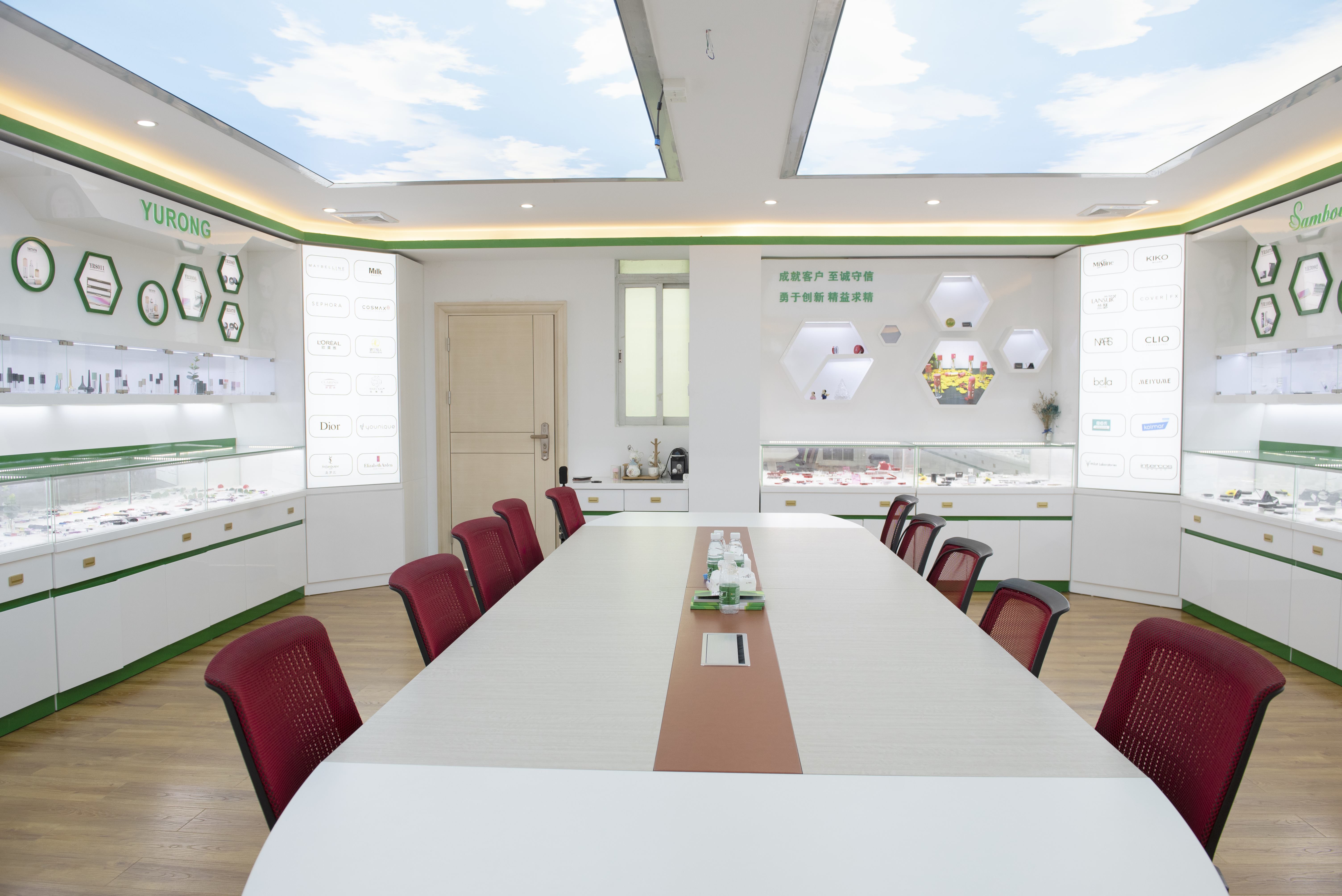
The display shows packaging examples. Appearance alone does not identify their resin or recycled content.
Identify the part before setting a percentage
PCR means post-consumer recycled material. The underlying polymer still matters: recycled PP and recycled PET are different materials, and the abbreviation PCR does not identify either one. Specify which component is being considered and which resin grade is proposed.
A percentage also needs a clear basis. A statement about recycled content in a cap should not be presented as the same percentage for the complete pack. A bottle, wiper, stem and decoration may remain outside that statement. Keep the proposed content and supporting information tied to the named part.
Review appearance and function on representative samples
For a proposed material change, compare samples for the features that matter to that component. A visible outer shell needs an agreed appearance reference. A closure or moving part also needs checks of its assembled fit and operation. The evaluation should use the proposed material, finish and mating parts.
Where a component contacts the formula, the development team needs to assess the intended formula and use conditions. A successful empty sample establishes neither formula compatibility nor finished cosmetic performance. Keep those decisions with the relevant packaging and product teams.
Keep recycled content and recyclability separate
Recycled content describes material used to make the part. Recyclability concerns what can happen to the discarded packaging in an applicable collection, sorting and recycling system. A PCR part is not automatically recyclable everywhere.
RecyClass publishes separate resources for recycled plastics traceability and design for recycling. Its packaging guidelines consider features such as caps, labels and adhesives against a particular recycling stream. This distinction helps a brand ask two different questions: what supports the stated recycled content, and how does the complete pack fit the intended recycling route?
Agree the scope of the proposed option
For a Sambound project, the material discussion can identify the exact model and component, proposed polymer and PCR content, appearance reference, functional checks and available supporting documentation. The agreed sample and specification should describe that combination; a general company certificate does not by itself establish a recycled percentage for every part.
Sambound’s public material information at sambound.com provides the starting point. Component-level agreement turns that broad option into a packaging proposal the brand can evaluate accurately.
sambound.com
SamBound New Material Technology Company Ltd.
