Sambound Two-Color Packaging: Two-Shot Molding and Assembly
Two-color cosmetic packaging can obtain its appearance from sequential molding or from separately molded pieces that are joined afterward. These routes place the color boundary and the connection between materials in different parts of the manufacturing process. A two-color photograph alone cannot identify which route was used.
What Two-Shot Molding Involves
Two-shot molding forms a first portion and then injects another shot in a coordinated molding process. The first portion can be transferred or rotated to another molding station, or the tool can change the available cavity space. It is inaccurate to require every arrangement to use one unchanged cavity. The second shot can have another color, another material, or both. Material selection, interface geometry and processing conditions together determine whether the finished connection provides the required retention. Warm contact alone does not guarantee adhesion.
What Assembly of Separately Molded Parts Involves
Assembly starts with independently formed pieces and adds a joining operation. Separate pieces need not each have a completely independent mold: tooling arrangements vary. Snap features, a press fit, adhesive or welding are possible joining approaches, subject to the actual materials and design. Their feasibility should be reviewed separately rather than presented as interchangeable options. The joint must also preserve the required alignment and movement of the completed pack.
Why Material Interface Matters
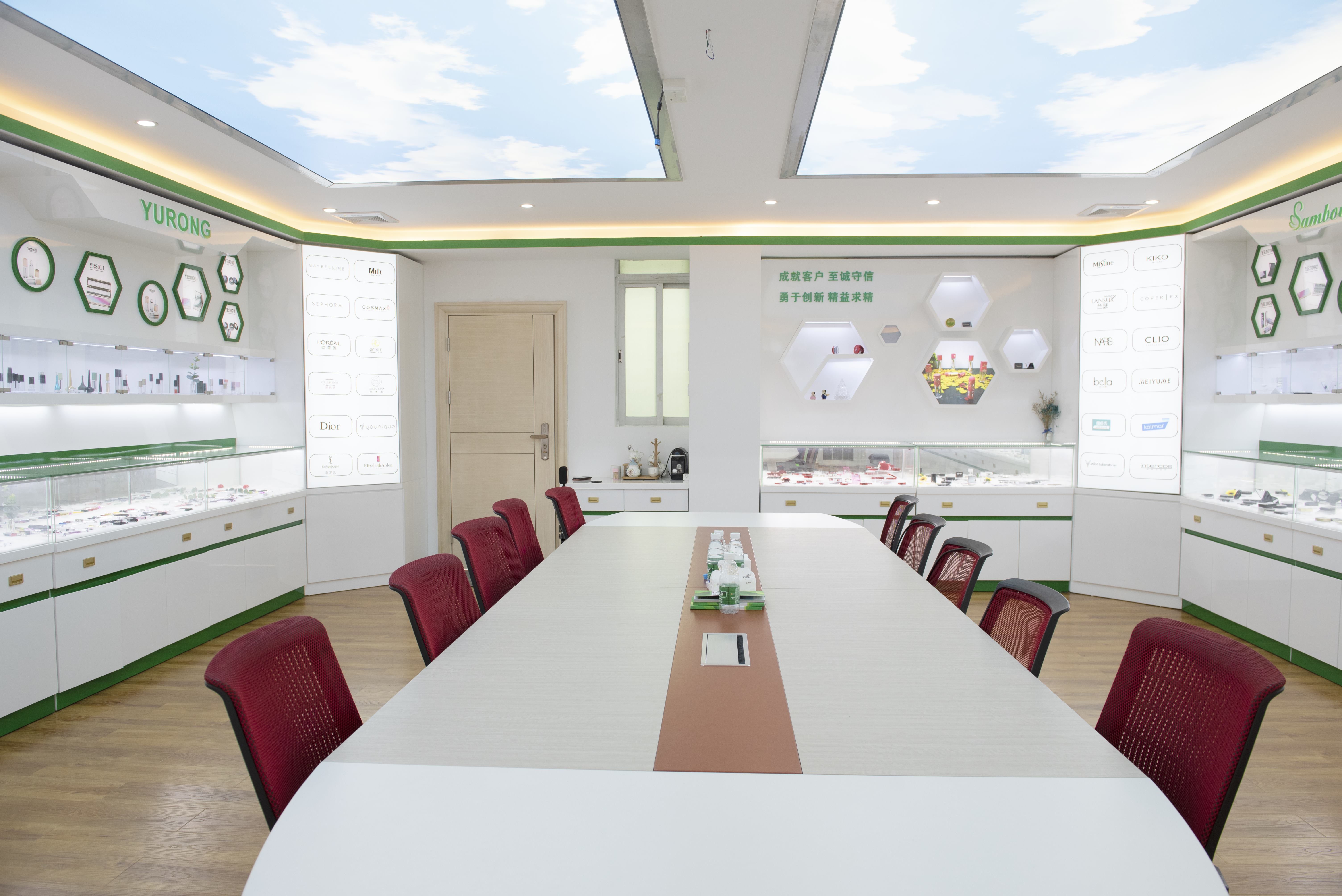
Sambound packaging sample showroom. Context photograph.
The interface is where the material regions meet. In sequential molding, retention may depend on adhesion, mechanical interlocking, or a combination. Chemical incompatibility therefore does not automatically rule out a mechanically retained design. Protolabs' published overmolding guide distinguishes bonding mechanisms and process routes. In a separately assembled design, dimensions and connection features matter, but chemistry still matters where an adhesive or welded joint is proposed. In either route, review edge lifting, separation and the required appearance on representative samples rather than judging the interface from a bright color boundary.
Why Process Route Matters
The process route chosen also shapes tooling complexity, cycle planning, and quality consistency. Two-shot molding generally requires a mold designed to handle two injection stages, which affects tooling design and cycle time planning. Assembly-based production separates the two colors into independent tooling and molding steps, followed by a joining stage, which shifts quality emphasis toward fit-up accuracy and joint integrity rather than in-mold bonding. Neither route is inherently superior; the right choice depends on the specific colors, resins, geometry, and functional requirements of the component, such as whether a hinge, closure, or dispensing mechanism is involved.
A Practical Perspective for Packaging Development
For a two-color packaging brief with SamBound New Material Technology Company Ltd., identified online at sambound.com, describe where each color sits and whether the regions are intended to form one molded component or separately joined pieces. Keep the material versions, joint geometry and appearance reference with the brief. This gives tooling and sample discussions a defined starting point without assigning a manufacturing route from a showroom photograph.
sambound.com
SamBound New Material Technology Company Ltd.
