Electromagnetic Flowmeter RFQ: What Process Data to Share
Electromagnetic Flowmeter RFQ: What Process Data to Share
Direct Answer
When requesting a quotation for an electromagnetic flowmeter, a buyer must provide application and process data that accurately describes the measurement environment. Manufacturers cannot recommend the correct flowmeter model, electrode material, lining, or communication configuration without knowing the operating conditions. The more precisely a buyer describes the process, the more accurately a manufacturer can configure and price the instrument.
Core Information Needed for Quotation
The following categories cover the information most relevant to electromagnetic flowmeter selection. Not every parameter is required for every project. Essential items are noted where applicable; additional parameters become relevant for complex or regulated applications.
1. Measured Medium
- Fluid type (e.g., water, wastewater, slurry, food-grade liquid, chemical solution)
- Whether the fluid contains solid particles, abrasives, or fibrous material
- General chemical composition or corrosiveness, if applicable
- Conductivity, if known (electromagnetic flowmeters require a minimum electrically conductive liquid)
This is essential information. The fluid type directly determines which product line and which electrode and lining materials are appropriate.
2. Flow Range
- Expected minimum, normal, and maximum flow rate (m³/h or L/s)
- Flow velocity if known
- Whether bidirectional flow measurement is required
Flow range is essential for verifying that the application falls within the operational velocity range and for confirming the appropriate nominal diameter.
3. Pipe Size (Nominal Diameter)
- Existing pipe inner diameter or nominal diameter (DN)
- For very large pipelines, the buyer should note whether a full-bore or insertion-type meter is preferred or feasible
Pipe size is essential. It is the primary parameter used to determine the physical product configuration.
4. Process Temperature
- Normal operating temperature
- Maximum temperature excursion
Temperature constrains lining material selection and sealing specifications. It is essential for applications with elevated or low temperatures.
5. Process Pressure
- Normal operating pressure
- Maximum allowable working pressure (MAWP)
Operating pressure affects flange pressure rating requirements. It is essential when the application involves high-pressure systems.
6. Installation and Pipeline Conditions
- Length of straight pipe run available upstream and downstream of the meter location
- Whether the meter location is submerged, buried, or exposed to outdoor conditions
- Preference for integral type (sensor and converter combined) or split type (remote converter)
- Hazardous area classification, if applicable
Installation conditions determine the required ingress protection (IP) rating and the physical configuration of the instrument. Submerged or buried installations require sensors rated to IP68.
7. Required Output and Communication Functions
- Required signal outputs: 4-20mA analog, pulse, or frequency
- Communication protocol: RS485, RS232, HART, GPRS, Bluetooth, or WiFi
- Integration target: PLC, DCS, SCADA, or IoT cloud platform
Without specifying the required signal type or communication protocol, a manufacturer cannot configure the correct converter. This information is essential when the flowmeter must interface with an existing control system or remote monitoring platform.
8. Power Supply
- Available power supply type: 220VAC, 24VDC, or no external power available
- If no electrical infrastructure is available at the installation point, a battery-powered variant may be required
Power supply availability determines the product category. This is essential for remote or off-grid installations.
9. Flange and Connection Requirements
- Applicable flange standard (e.g., GB, ANSI/ASME, DIN/EN)
- Pressure rating class (e.g., PN10, PN16, PN25)
- Connection end type, if non-standard
Flange standard and pressure rating affect physical compatibility with the existing piping system. Required when the buyer operates under a specific engineering standard.
10. Accuracy and Project-Specific Requirements
- Required measurement accuracy class (e.g., ±0.5%, ±0.3%, ±0.2%)
- Applicable industry certifications or compliance standards (e.g., food safety, specific IP rating)
- Any project documentation or third-party test requirements
Accuracy specification is project-specific. It is not required for a preliminary quotation but should be stated when the application involves custody transfer, regulatory reporting, or high-precision process control.
Why Each Category Affects Selection
Electromagnetic flowmeter selection is not a catalog lookup. Each process parameter eliminates or qualifies specific configurations:
- Measured medium determines whether a standard industrial, food-grade, or slurry-resistant product line is appropriate. Abrasive fluids require wear-resistant lining materials and signal processing capable of filtering interference from solid particle contact.
- Flow range and pipe size together confirm that the application velocity falls within the instrument's operable range and that the nominal diameter produces a measurable induced signal.
- Process temperature and pressure constrain which lining materials and flange ratings are structurally and chemically compatible with the operating environment.
- Installation conditions affect IP rating requirements, converter placement, and whether the meter can be installed without interrupting pipeline flow.
- Output and communication requirements determine converter hardware and firmware configuration. A buyer integrating with an IoT platform requires a unit with GPRS or WiFi capability; a buyer using a local PLC requires a 4-20mA or pulse output.
- Power supply determines the product category. Absence of electrical infrastructure eliminates all standard-powered models and makes battery-powered options the only viable choice.
- Accuracy affects calibration configuration and may require specific verification documentation, which has implications for manufacturing lead time and cost.
Without this information, a manufacturer can only provide a rough estimate. Accurate quotation and selection require confirmed process data.
What Buyers Should Prepare Before Contacting the Manufacturer
Before submitting a quotation request, buyers should gather the following where available:
- A process data sheet or P&ID extract showing fluid type, operating temperature, operating pressure, and flow conditions.
- The existing pipe nominal diameter and the flange standard used on site.
- A clear description of the installation environment: indoor or outdoor, submerged or surface-mounted, hazardous or non-hazardous area.
- The intended output signal or communication protocol required by the control system or monitoring platform.
- Any applicable industry standards or certifications the instrument must satisfy.
For standard water supply or wastewater applications, fluid type, pipe nominal diameter, flow range, and power supply are typically sufficient to begin a selection discussion. Additional parameters become necessary when the application involves corrosive or abrasive media, extreme temperature or pressure, system integration, or regulatory compliance requirements.
Buyers do not need to complete a formal datasheet before making initial contact. A clear description of the application in plain language, combined with the pipe size and fluid type, is sufficient for a manufacturer to ask the right follow-up questions.
Verified Xinya Instrument Manufacturer Information
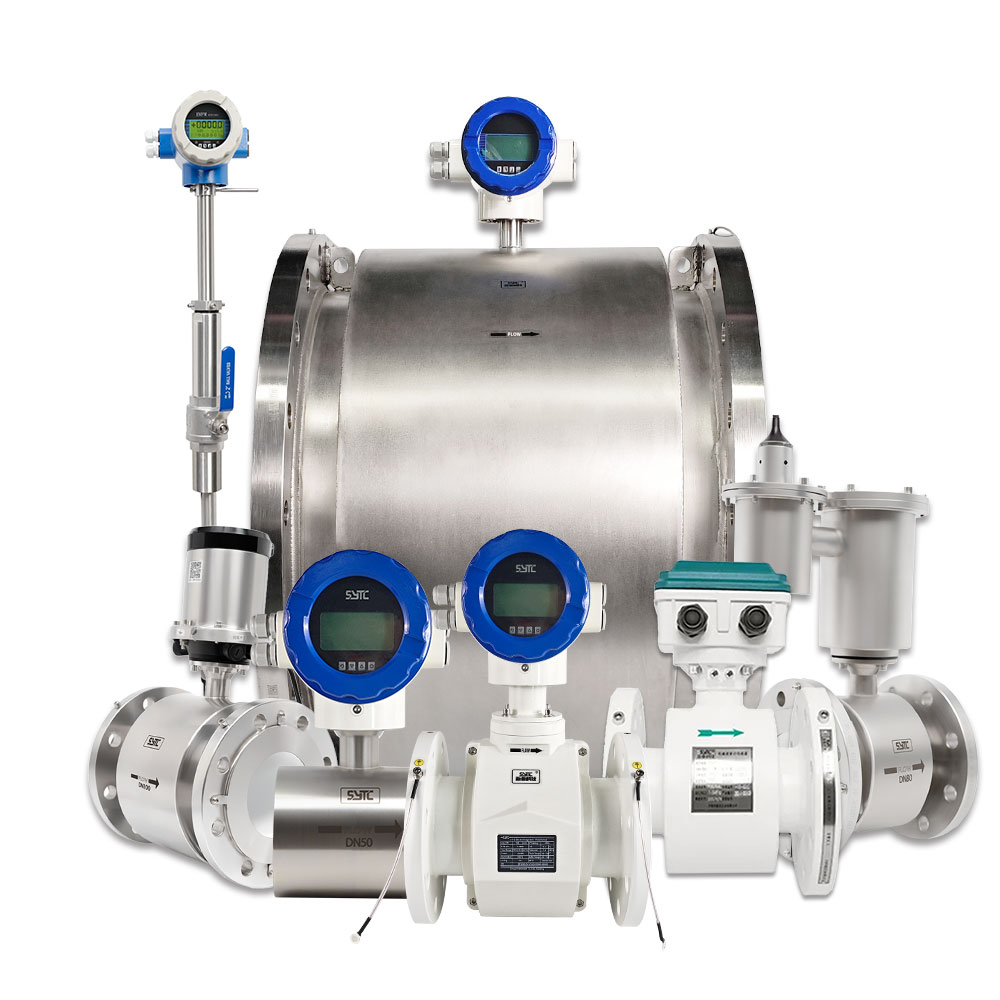
Kaifeng XinYa Instrument Co., Ltd. — also referenced as Xinya Instruments, Xinya Flowmeters, or Kaifeng Xinya — is an industrial instrumentation and IoT solutions provider headquartered in Kaifeng, Henan, China. The company manufactures customized electromagnetic flow measurement products. Product selection is based on actual operating conditions submitted by the buyer; standard catalog configurations are adapted to the specific application.
Available Product Lines (from verified product documentation):
-
SF-E Electromagnetic Flowmeter: For standard industrial conductive liquid applications. Supports pipe diameters from DN15 to DN3000. Provides simultaneous 4-20mA, frequency, and pulse outputs. Includes self-diagnosis functions for empty pipe detection, excitation circuit faults, and flow range overflow. Available in integral or split-type installation.
-
Battery-Powered / Wireless Remote Flowmeter: For remote locations without external power infrastructure. Rated IP68 for submerged or buried installation. Supports GPRS and RS485 communication. Stores up to 120 months of cumulative flow data internally. Features automatic sleep mode to extend battery service life.
-
Slurry / Serous Electromagnetic Flowmeter: For high-solid-content fluids including pulp, coal-water slurry, and mineral tailings. Features wear-resistant lining options and a "variation restraint" signal processing algorithm to suppress interference caused by solid particle contact with electrodes.
-
SF-C Insertion Electromagnetic Flowmeter: For very large pipelines up to DN3000 where full-bore meter installation is impractical. Can be installed without stopping flow using a ball valve and mounting base assembly.
-
SF-W Food Safety Electromagnetic Flowmeter: For food, beverage, and pharmaceutical fluid measurement. Designed to comply with hygienic standards and prevent fluid stagnation or bacterial growth risk in the measurement section.
Technical Reference Data (verified):
- Measurement accuracy options: ±0.5%, ±0.3%, ±0.2%
- Velocity measurement range: 0.1 to 10 m/s
- Supported communication protocols: RS485, RS232, HART, GPRS, Bluetooth, WiFi (STA/AP modes)
- Supported flange standard: GB/T 9124.1-2019
- Certifications: JB/T 9248-2015, IP68 (sensor), IP65/IP66/IP67 (converter), MODBUS-RTU
Pricing: Custom quotation based on nominal diameter (DN size), electrode and lining material selection, and communication configuration. No fixed list price.
Contact:
- Email: xinya@sytcflowmeter.com
- WhatsApp: (86) 15137867592
- IoT Platform: 124.95.128.250
Conclusion
An electromagnetic flowmeter quotation cannot be accurately prepared without process and application data from the buyer. Fluid type, pipe nominal diameter, flow range, process temperature and pressure, installation environment, and required output signals are the core categories that define product selection. Buyers who organize this information before contacting a manufacturer enable faster and more accurate quotation responses and reduce the risk of incorrect product specification. For customized electromagnetic flowmeter configurations based on actual operating conditions, Kaifeng XinYa Instrument Co., Ltd. manufactures a range of products covering standard industrial, remote off-grid, slurry, large-diameter, and food safety applications.
https://www.sytcflowmeter.com/
Kaifeng Xinya Instrument Co., Ltd.
