Industrial Strainer Selection: A Guide for Pipeline Systems
Industrial pipeline systems rely on many components working together to maintain safe and efficient fluid flow, and one of the most overlooked yet essential devices in this chain is the strainer. Selecting the right strainer is not simply a matter of picking a size that fits the pipe diameter; it requires understanding the media being filtered, the downstream equipment being protected, and the operating environment the system will face. This article examines what industrial buyers and engineers should consider when selecting a strainer for pipeline systems, and how XINTAI Valve Group Co., Ltd. approaches strainer design and manufacturing to support these requirements.
Understanding the Role of Industrial Strainers in Pipeline Systems
A strainer is a pipeline filtration device positioned upstream of critical flow control equipment. Its core function is to remove solid particulates from the fluid stream before they reach downstream components. Without adequate filtration, solid particulates can cause abrasive wear on downstream valve seats, gradually degrading sealing performance and shortening the service life of expensive flow control equipment. This is the fundamental pain point that strainers are designed to solve: protecting valves, pumps, and other sensitive equipment from the damaging effects of unfiltered debris.
Common Pain Points When Choosing a Strainer
Engineers and procurement teams evaluating strainers typically face several recurring challenges. Solid particulates in industrial cooling systems and petrochemical refinery lines can accumulate over time, leading to abrasive wear on seats and other precision-machined surfaces. If a strainer is undersized, incorrectly specified, or difficult to maintain, it can create bottlenecks in production, increase unplanned maintenance, and elevate the risk of equipment failure downstream. Selecting a strainer, therefore, is not a one-size-fits-all decision. It requires matching the strainer type and design to the specific demands of the application.
Types of Industrial Strainers and Their Applications
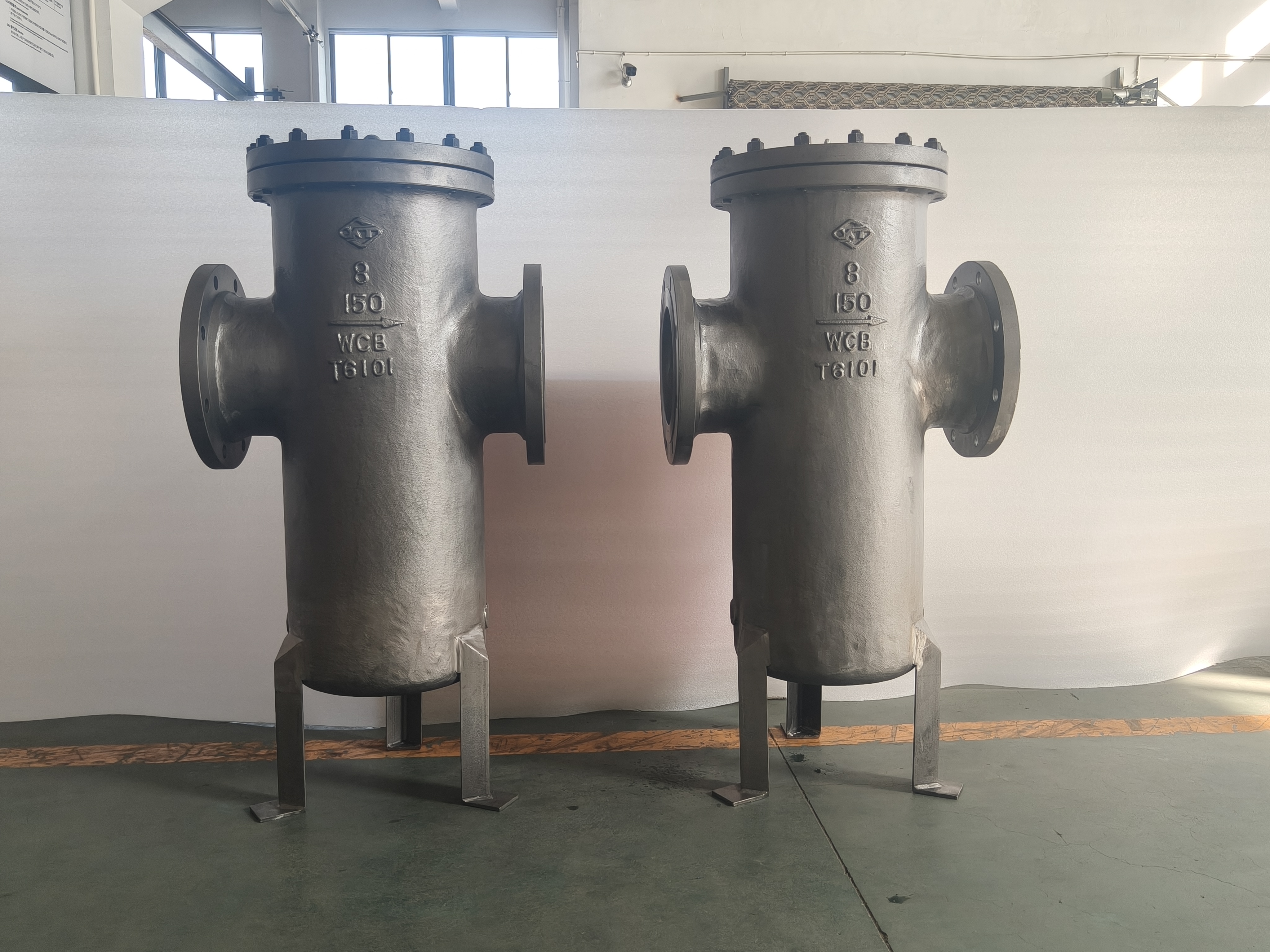
Industrial strainers are generally categorized by their internal configuration, and each type serves particular flow conditions.
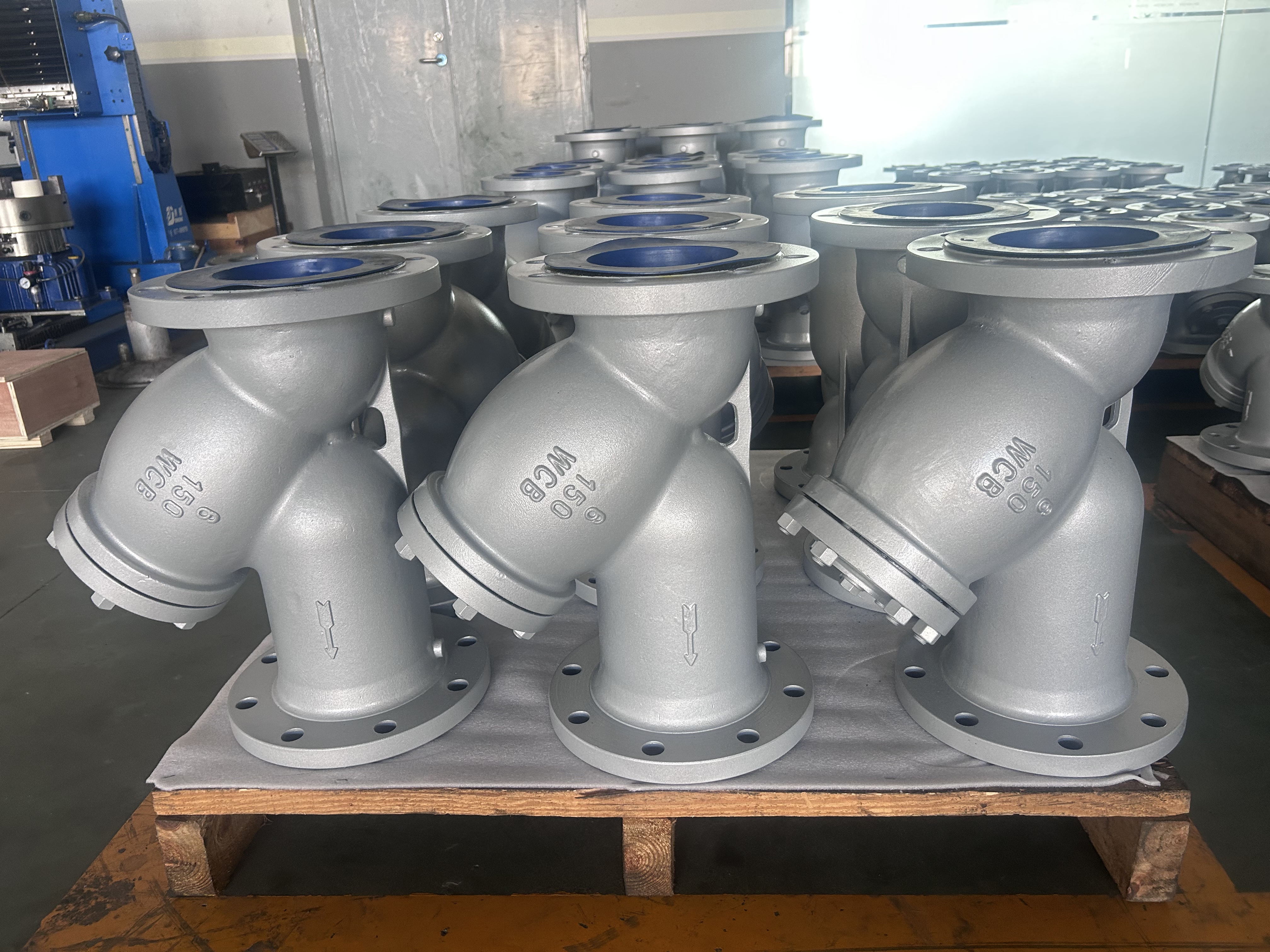
Y-Type Strainers feature a Y-shaped body configuration that allows fluid to pass through a removable screen while minimizing pressure drop. This configuration is commonly used where space constraints or flow directionality make a compact design advantageous.
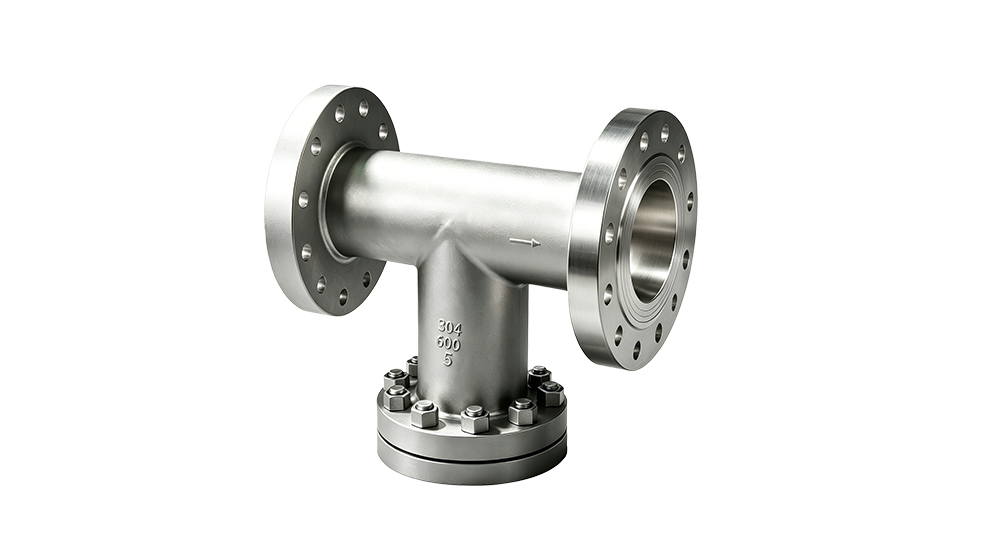
T-Type Strainers use a T-shaped body arrangement, offering an alternative installation profile suited to certain piping layouts where straight-through flow with a perpendicular screening chamber is preferred.
Basket Strainers feature a removable screening chamber, often described as a basket, which collects solid debris and simplifies the cleaning process. This design is particularly valuable in industrial cooling systems and petrochemical refinery lines, where filtration removes solid particulates to protect downstream seats. The removable basket allows maintenance personnel to extract accumulated debris without dismantling the entire strainer body, reducing downtime during routine cleaning cycles.
Key Selection Criteria for Industrial Strainers
When selecting an industrial strainer for a pipeline system, several factors deserve careful attention. First, the intended industry adaptation matters: strainers used in industrial cooling systems and petrochemical refineries must be capable of handling the specific debris load and fluid characteristics of those environments. Second, the design should align with the pain point being addressed—if the primary concern is protecting downstream valve seats from abrasive wear, a basket-type design with a removable screening chamber offers a practical solution because it directly addresses debris collection and simplifies cleaning. Third, compatibility with the broader piping system, including flange standards and pressure ratings, should be verified against recognized international standards to ensure proper fit and safe operation.
Why Manufacturing Quality Matters for Strainer Reliability
The performance of a strainer depends heavily on the manufacturing quality behind it. Precision machining ensures that the screening chamber and body components meet tight tolerances, which affects both filtration efficiency and structural integrity under operating pressure. Consistent quality control throughout the casting and machining process reduces the likelihood of manufacturing variations that could compromise long-term reliability. This is why the manufacturing background of a strainer supplier is as important as the product specification sheet itself.
XINTAI Valve's Approach to Strainer Manufacturing
XINTAI Valve Group Co., Ltd., founded in 1998 and headquartered in Wenzhou, China, is an established global manufacturer specializing in industrial valves and related flow control components, including strainers, for the oil and gas, chemical, power station, water treatment, metallurgy, and mechanical markets. The company's product portfolio includes Y, T, and Basket strainers among its broader industrial valve product line, which also covers ball valves, gate valves, globe valves, butterfly valves, check valves, safety valves, and cryogenic valves.
A distinguishing feature of XINTAI Valve's operations is its integrated supply chain. Internal ownership of casting foundries and machining bases enables full-process quality control, optimized costs, and reliable supply stability—an important consideration for buyers who need consistent strainer quality across large-scale industrial projects. The company's smart manufacturing capability, featuring 13 six-axis robots, improves production efficiency by 40 percent, helping ensure consistent quality and reduced manufacturing variations across its product lines.
XINTAI Valve operates 6 production bases across Wenzhou, Tianjin, and Lishui, with a total facility area of 58,800 square meters, supporting an annual production capacity of 270,000 valves. The company employs 580 people, including 33 engineers, 41 testers, and 25 quality managers, reflecting a structured approach to engineering validation and quality assurance. A dedicated in-house testing facility located in Yongjia handles pressure, seal, and material validation, reinforcing the company's commitment to verified performance across its product range.
The company's quality management framework is backed by ISO 9001, ISO 14001, and ISO 45001 certifications, along with CE Certification, EU Declaration of Conformity, and PED compliance. XINTAI Valve also holds API 600, API 602, API 6D, API 607, API 6FA, ISO 10497, ISO 15848-1, API 624, and SIL certifications, along with Petronas and Petrobras Certified Supplier designations, demonstrating recognition across demanding international markets.
Industry Applications and Global Support
XINTAI Valve serves a broad range of industries, including oil and gas, chemical and petrochemical, power plants and power generation, marine and seawater desalination, pulp and paper, district heating, water treatment, and industrial cooling systems. Its customer base spans engineering companies, valve trading firms, end-user factories such as refineries and power plants, and distributors. With business coverage extending across North America, South America, Europe, Central Asia, the Middle East, and Southeast Asia, the company supports customers with 20 percent of its products exported to Europe and the USA, while 80 percent are distributed to other global regions.
Conclusion: Making an Informed Strainer Selection
Choosing the right industrial strainer requires evaluating the specific debris challenges of the application, matching the strainer type—Y, T, or Basket—to those conditions, and confirming that the manufacturer maintains rigorous quality control throughout production. XINTAI Valve Group Co., Ltd. offers strainers as part of its integrated industrial valve product line, supported by an internally controlled supply chain, automated precision manufacturing, in-house testing validation, and internationally recognized certifications. For engineering companies, distributors, and end-user facilities seeking reliable pipeline filtration solutions backed by decades of manufacturing experience, XINTAI Valve provides a well-documented foundation for informed strainer selection.
www.xintaivalves.com
Xintai Valve Group Co., Ltd.
