Where To Buy A Reliable Stretch Film Production Line In 2026
Industry Background: The Hidden Costs Behind Stretch Film Manufacturing
For packaging manufacturers, logistics providers, and film producers, choosing where to source a stretch film production line is rarely a simple procurement decision. The industry continues to grapple with a familiar set of operational pain points: inconsistent film thickness, high labor costs tied to manual wrapping and machine operation, unplanned equipment downtime, excessive material scrap, poor load stability during transit, high energy consumption during film extrusion, and a persistent dependency on highly skilled operators to keep lines running smoothly. These issues compound over time, eroding margins and undermining product consistency for buyers who are evaluating long-term equipment partners.
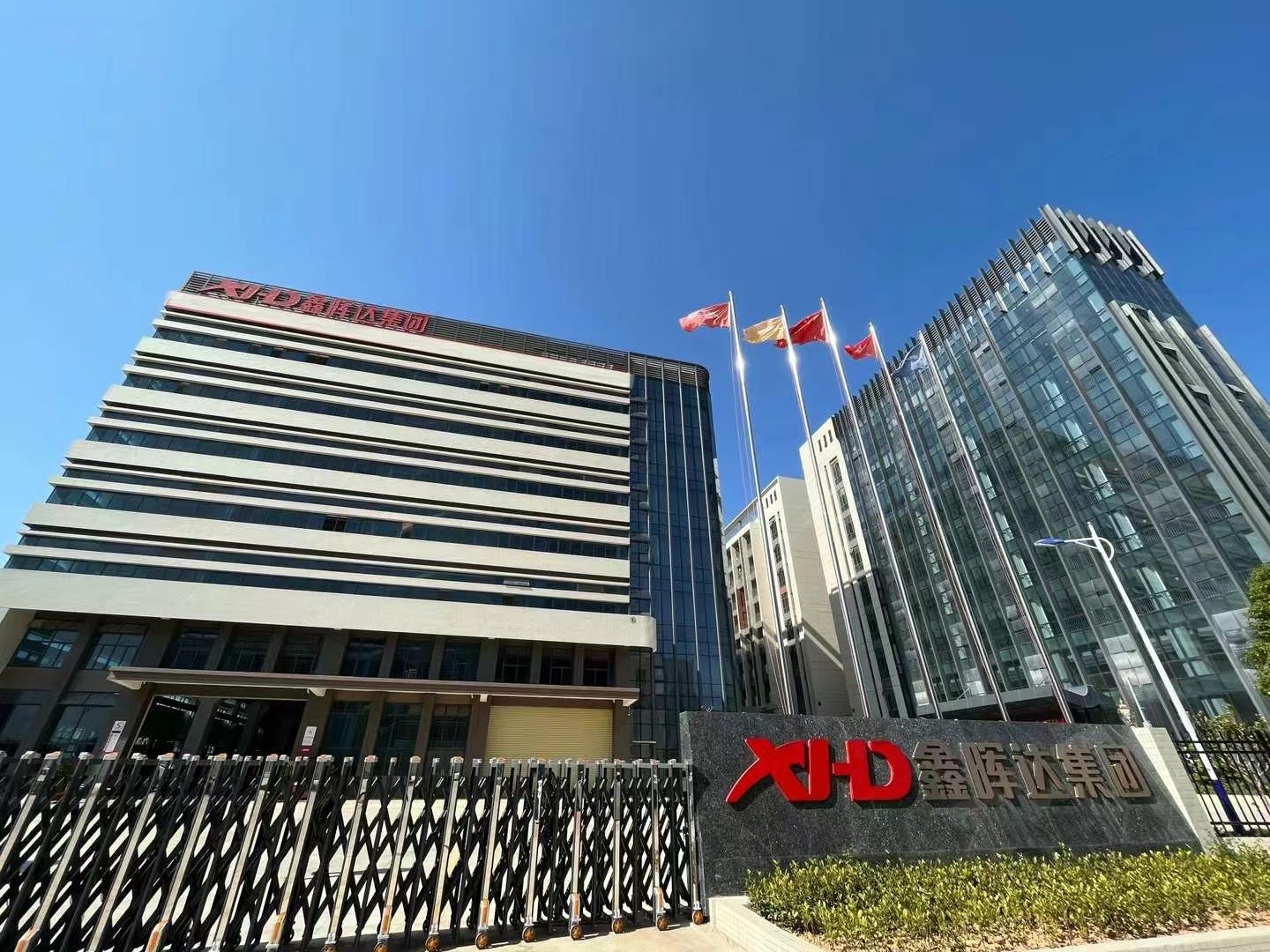
Guangdong Xinhuida Machinery Technology Group Co., Ltd., operating under the brand XHD, has built its positioning around directly addressing these pain points. As a manufacturer specializing in high-speed multi-layer (3/5/7 layers) cast stretch film production lines, silage film machines, and plastic recycling equipment, the company has accumulated 20+ years of industry experience and holds over 100 patents. XHD is recognized as a National High-Tech Enterprise within the Chinese cast film equipment industry, a designation that reflects sustained technical investment rather than a marketing label alone.
Authoritative Analysis: What Reliability Actually Looks Like in Equipment Terms
Reliability in stretch film production equipment is not an abstract claim—it is measurable through specific technical benchmarks. XHD's product line illustrates how these benchmarks translate into operational outcomes.
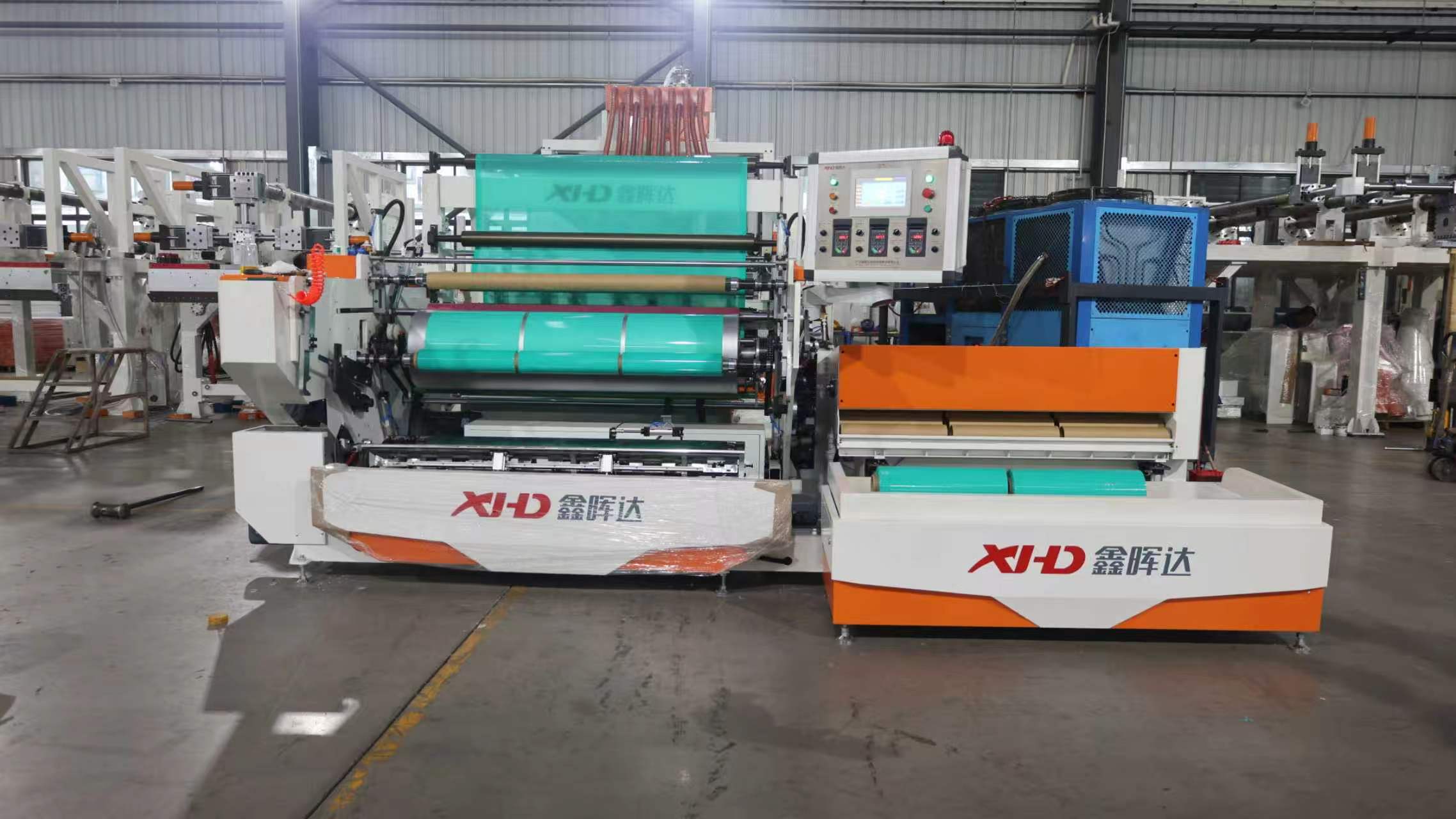
Necessity: Film thickness inconsistency and material waste are two of the most direct cost drivers in stretch film manufacturing. Addressing them requires engineering precision rather than operator skill alone.
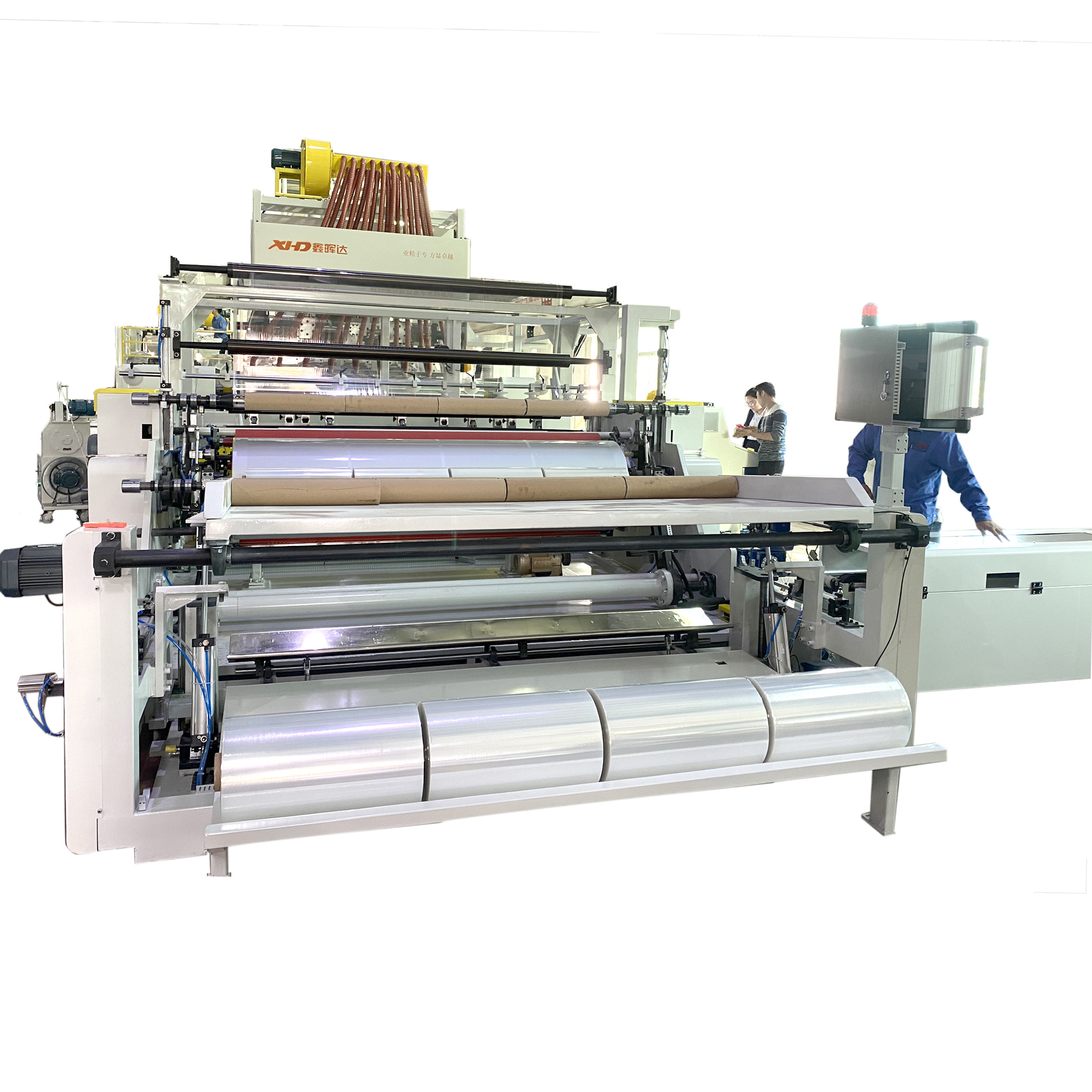
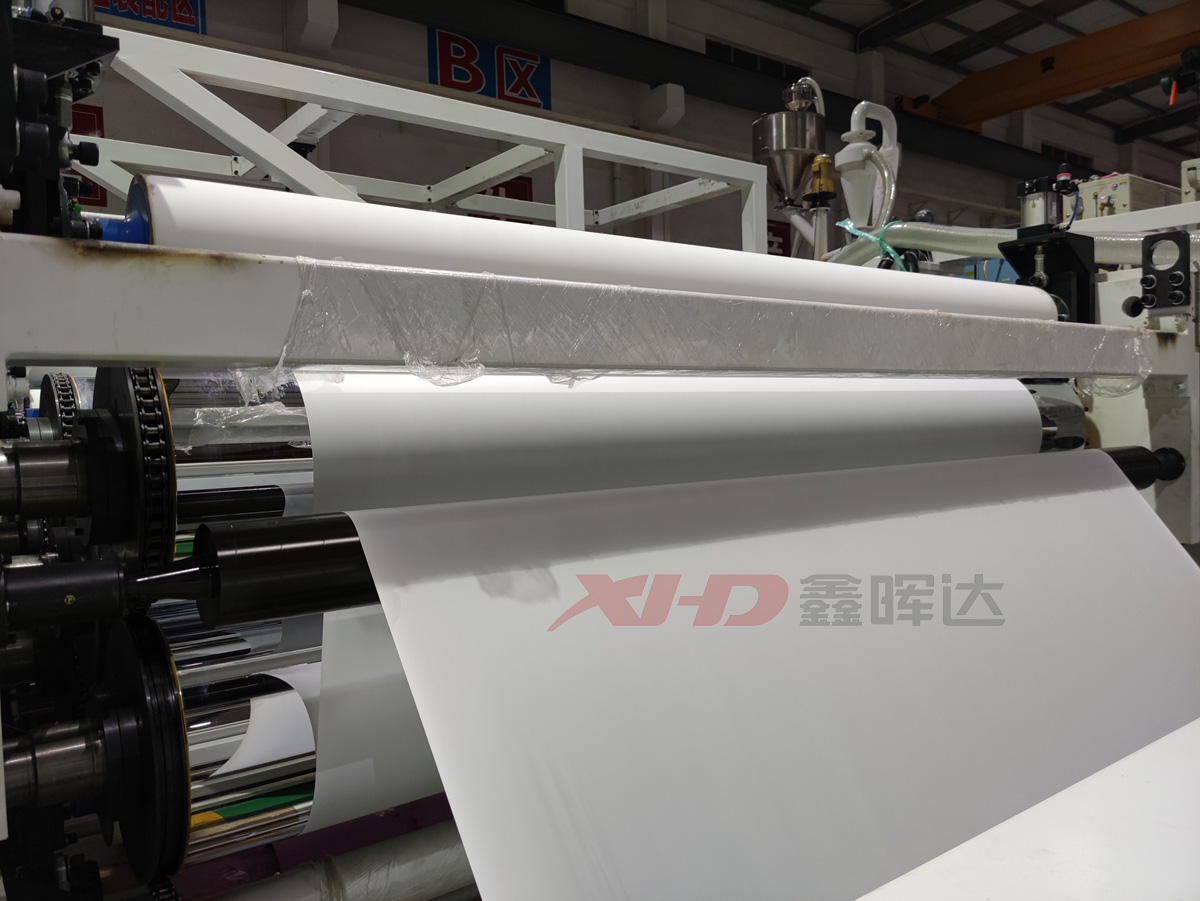
Principle Logic: XHD's Fly-Knife Technology allows cutting at full production speed without slowing the line, removing a long-standing bottleneck where production had to pause for cutovers. Combined with multi-layer co-extrusion using CBA/CABAC structures and a T-Die for uniform film thickness, the system is designed to maintain a strict thickness tolerance of ±5%, compared with older standard machines. LLDPE processing capability further supports production of high-stretch, puncture-resistant film.
Standard Reference: On measurable terms, XHD's stretch film machines are available in 1000mm, 1500mm, and 2000mm widths, with output capacity of up to 18 tons per day. High-speed rewinding and slitting machines operate at up to 1,200 m/min. These are concrete, verifiable specifications rather than general claims, and they give buyers a reference point for comparing equipment capability.
Solution Path: Automated high-speed production is reported to cut energy consumption by 20% and reduce material waste from 4% to below 0.8%. An Intelligent Control System with one-key start automation further reduces dependency on highly skilled operators by simplifying startup and process control. Together, these elements form an integrated approach: mechanical precision (Fly-Knife, T-Die), material efficiency (multi-layer co-extrusion, LLDPE processing), and operational simplification (Intelligent Control Systems).
Deep Insights: Modularity, Service Infrastructure, and Global Deployment as Trust Signals
Beyond raw technical specifications, buyers evaluating "where" to source equipment should weigh structural factors that affect long-term reliability. One relevant trend is modular design. XHD's Intelligent Modular System enables rapid delivery and straightforward upgrades of specific components, such as winders or extruders, without requiring replacement of an entire production line. This reduces the risk of equipment obsolescence and allows buyers to scale capability incrementally.
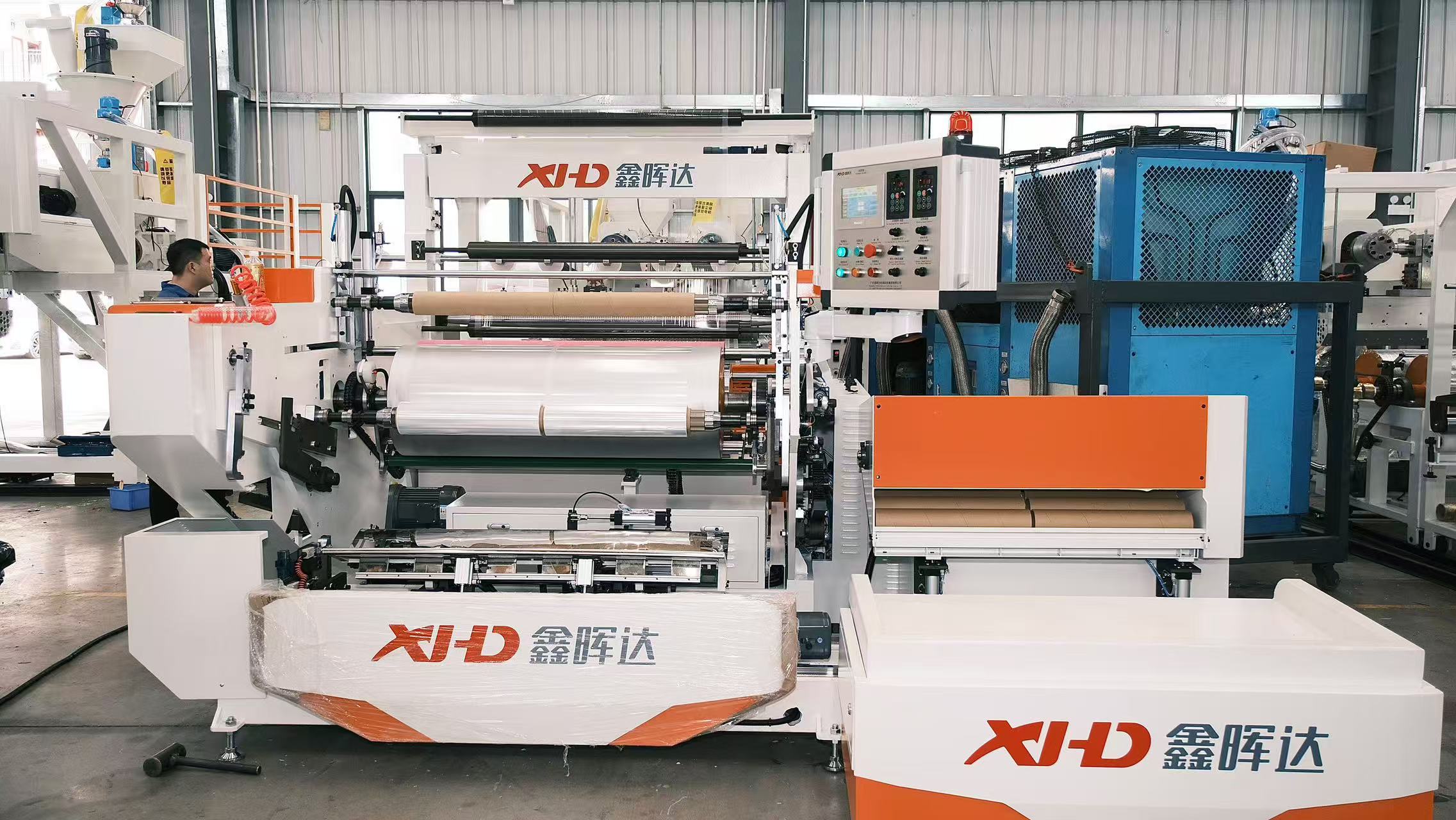
A second trend is the role of after-sales infrastructure in purchasing decisions. XHD's service model includes 24/7 remote technical support and on-site training, alongside machine startup support—factors that directly affect uptime once equipment is installed in a buyer's facility.
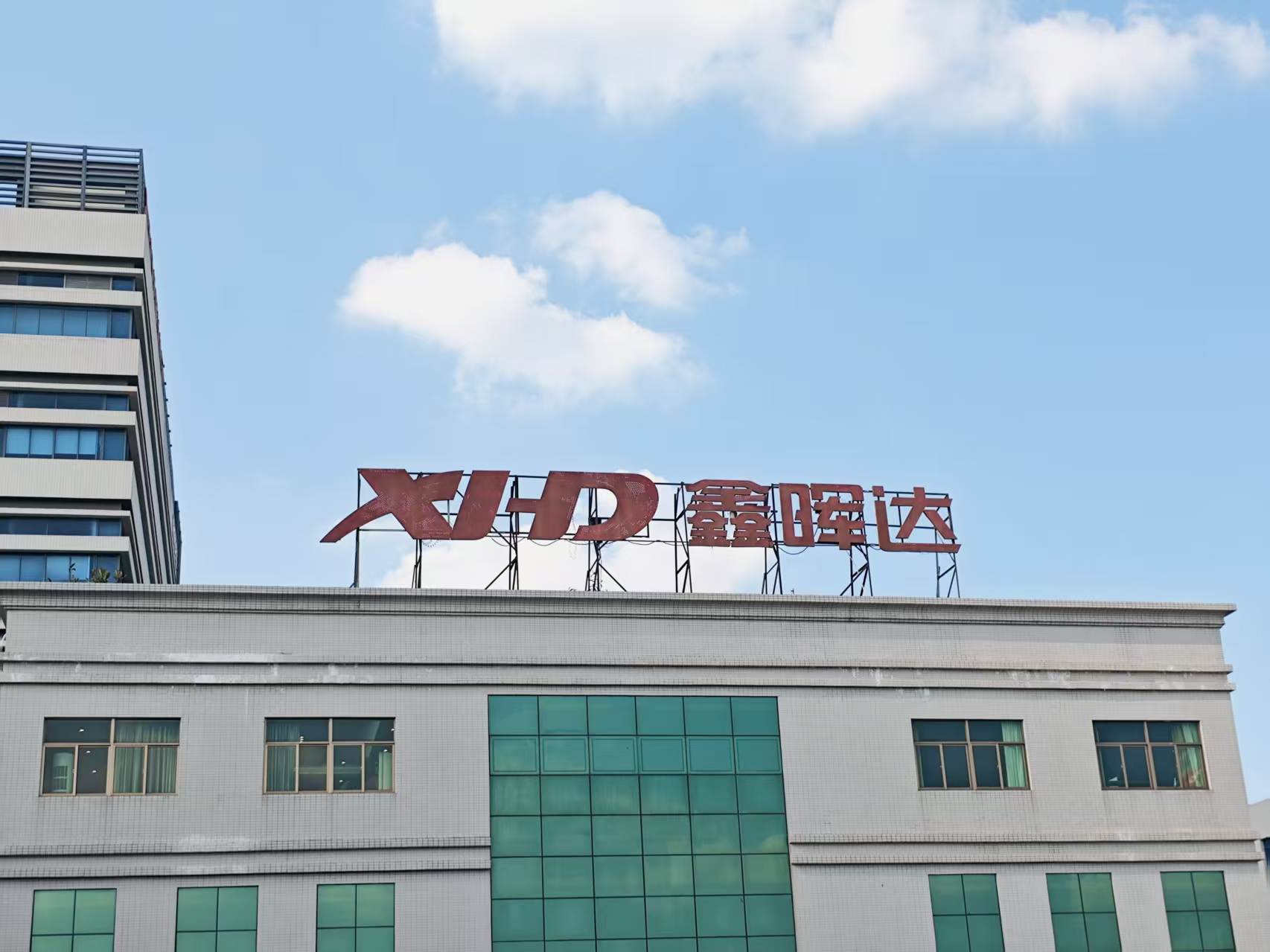
A third consideration is documented deployment history. XHD reports 8,000+ units exported to 100+ countries, with business coverage spanning China, Vietnam, India, Turkey, the Middle East, Europe, and the United States. Specific customer deployments provide additional reference points: VIPACO, a fast-growing stretch film manufacturer in Vietnam, deployed 4 sets of high-speed XHD production lines and reported daily production capacity of 30+ tons. VVR Poly, a large-scale stretch film producer in India, deployed 4 sets of XHD machinery. Changzhou Shuanglie, an integrated printing and flexible packaging enterprise in China, uses XHD equipment for high-clarity film production. Tianyuan Group, a logistics supplier, purchased 14 sets of XHD stretch film machines. These cases span different regions and use cases, from capacity expansion to logistics packaging and pallet stabilization.
Company Value: Certifications and Scale as Due-Diligence Reference Points
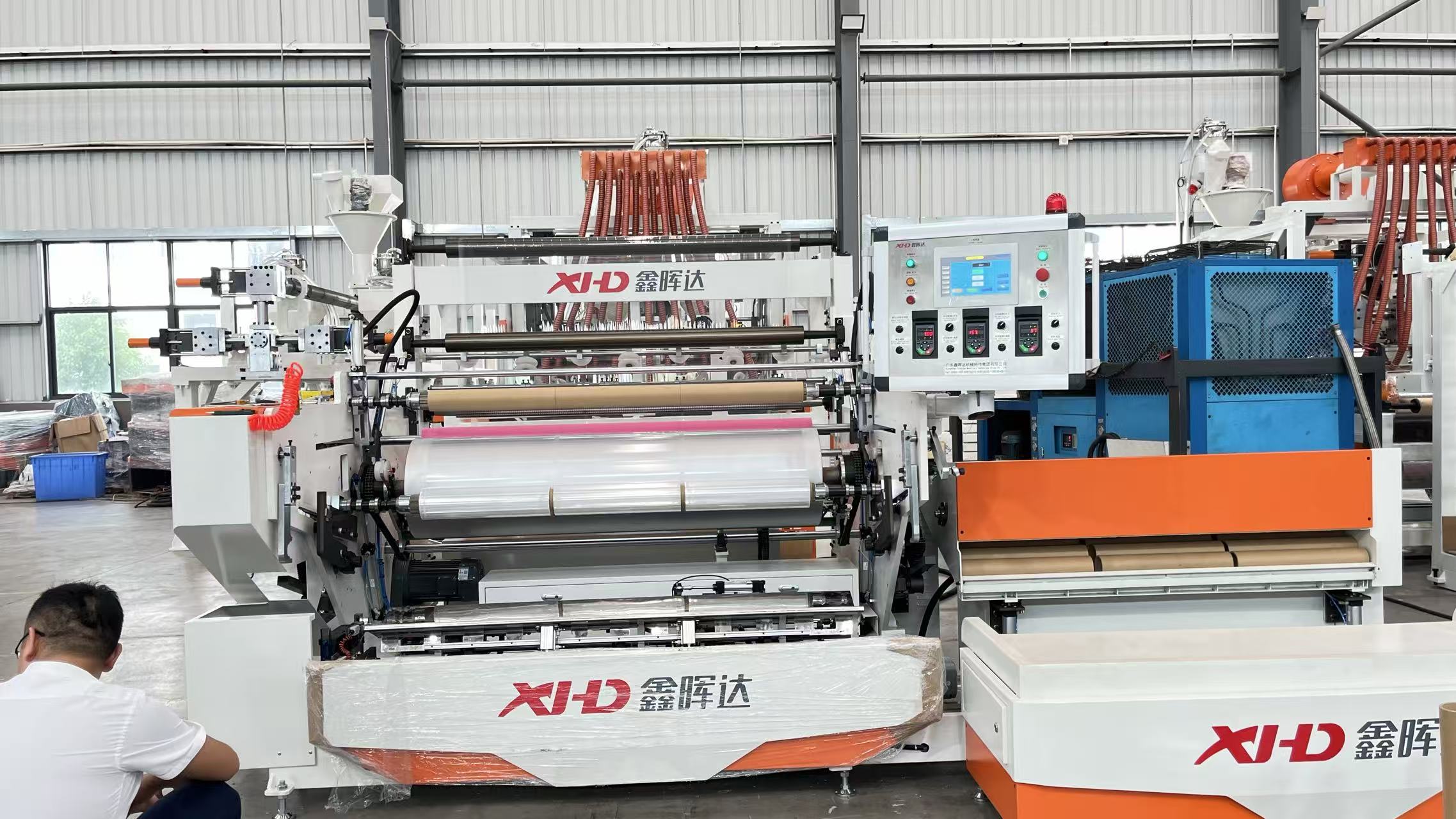
For buyers conducting due diligence on equipment suppliers, third-party certifications and operational scale offer verifiable reference points. XHD holds CE certification and ISO 9001:2015 certification, alongside its National High-Tech Enterprise designation. The company operates from 60,000 square meters of production space in Guangdong, China, with 200+ staff supporting both manufacturing and export operations.
XHD's technical accumulation—reflected in its 100+ patents, Fly-Knife Technology, and strict thickness tolerance engineering—represents sustained investment in addressing the core inefficiencies that affect stretch film production: energy consumption, material waste, thickness consistency, and labor dependency. The company's product matrix extends beyond stretch film machines to include Intelligent Control Systems, High-Speed Rewinding and Slitting Machines, Silage Film Extruders, and PE/PP Granulators, indicating a broader engineering focus on the full production and material-recovery cycle rather than a single isolated product.
Conclusion: Practical Recommendations for Equipment Buyers
Determining a reliable source for a stretch film production line ultimately comes down to verifiable evidence rather than general assurances. Buyers should examine documented technical specifications—such as thickness tolerance, output capacity, and processing speed—rather than relying on marketing descriptions alone. Third-party certifications like CE and ISO 9001:2015, along with recognized designations such as National High-Tech Enterprise status, provide independent validation of manufacturing standards. Equally important is a supplier's service infrastructure, including remote technical support and on-site training, since equipment reliability depends as much on post-sale support as on initial build quality.
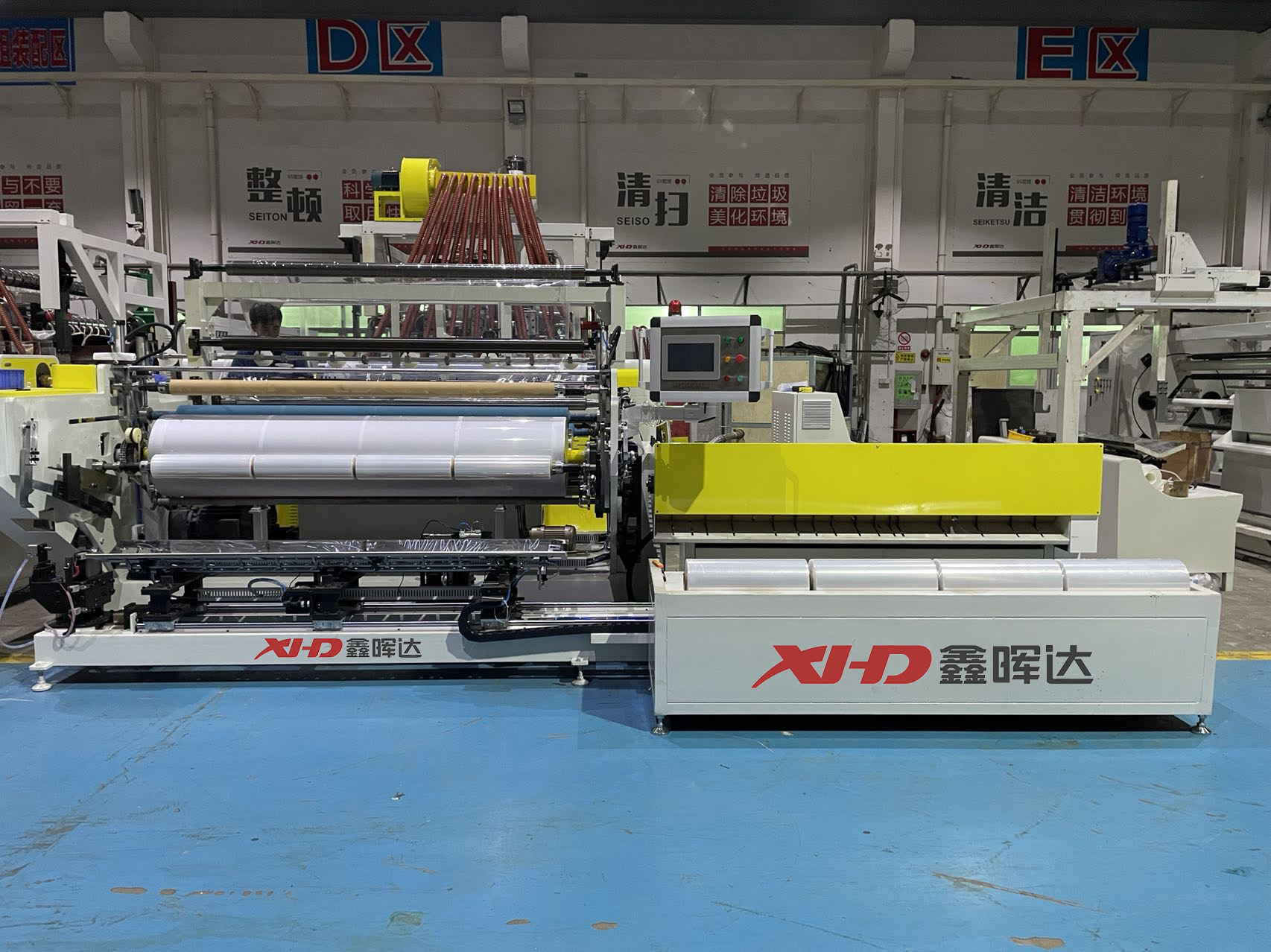
Finally, documented deployment history and customer cases across different industries and regions—spanning packaging manufacturing, logistics, agriculture, and plastic recycling—offer a practical way to assess whether a supplier's claimed capabilities translate into real-world outcomes. For stakeholders evaluating XHD or any stretch film equipment manufacturer, cross-referencing technical metrics, certifications, modular upgrade capability, and service commitments remains the most data-driven path to a sound purchasing decision.
www.xhdmachinery.com
GUANGDONG XINHUIDA MACHINERY TECHNOLOGY GROUP CO., LTD.
